
Key Points
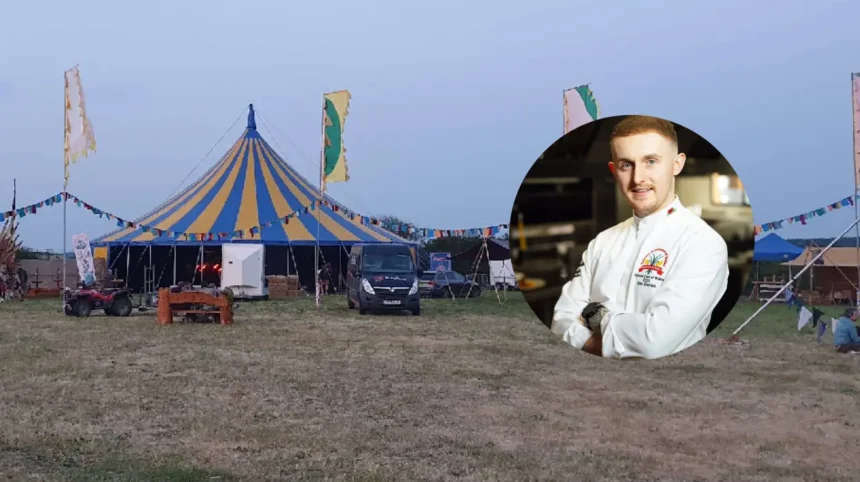
- Welsh chef seaweed dishes will be demonstrated by Sam Everton during Wales Festival of Seaweed in St Davids.
- According to the event schedule, Sam Everton is expected to conduct the live cooking demo session at St Davids City Hall on 12 September 2026.
- For that purpose, the local seaweed will be provided by Pembrokeshire regenerative ocean farm Câr-Y-Môr.
- The Wales Festival of Seaweed event is expected to take place in St Davids from 10 to 13 September 2026.
- During the festival, the seaweed potential in the culinary sphere, its environmental and economic benefits will be analyzed.
- The event will include the sessions of food demonstrations and tastings, talks, foraging, coastal activities, workshops and industry discussions.
- Sam Everton was recognized as Wales National Chef of the Year 2025 by WalesOnline.
- The event is associated with organizations such as Câr-Y-Môr, Wales Festival of Seaweed and community organizations engaged in regenerative ocean farming.
St Davids (Wales Times) August 08, 2026 — Welsh chef seaweed cuisine will be placed at the centre of a live demonstration when award-winning chef Sam Everton appears at this year’s Wales Festival of Seaweed in Pembrokeshire. According to the Pembrokeshire Herald, Everton will host the demonstration at uk/local/st-davids/">St Davids City Hall on Saturday, 12 September, using locally grown seaweed from Câr-Y-Môr, a regenerative ocean farm based in Pembrokeshire.
- Key Points
- What will Sam Everton demonstrate at the festival?
- When and where will the demonstration take place?
- What is planned for the Wales Festival of Seaweed?
- How is Câr-Y-Môr involved?
- How does the St Davids event relate to Saundersfoot SeaFest?
- What information is confirmed about the festival dates?
- Why is seaweed being highlighted in Welsh food and coastal events?
- Background: How did the Wales Festival of Seaweed develop?
- Prediction: How could this affect food lovers and visitors?
The Wales Festival of Seaweed is scheduled to run from Thursday, 10 September, to Sunday, 13 September 2026. The festival’s official promotional material describes the event as a celebration of seaweed and its role in food, coastal communities, environmental protection and sustainable economic development.
What will Sam Everton demonstrate at the festival?
Sam Everton’s appearance will focus on the use of locally grown seaweed in cooking. The Pembrokeshire Herald reported that the chef will prepare food during a live cookery demonstration, although the accessible report did not provide the full menu or identify the specific seaweed varieties that will be used.
The demonstration is intended to show visitors how seaweed can be incorporated into food rather than treated solely as a coastal or industrial resource. It will also connect the festival’s food programme with local production, as the seaweed is expected to come from Câr-Y-Môr’s regenerative ocean-farming operation in Pembrokeshire.
WalesOnline previously identified Everton as Wales’s National Chef of the Year 2025. The publication also reported that he would demonstrate cooking at Saundersfoot SeaFest, a related event designed to bring together local seafood, seaweed, food producers, coastal organisations and visitors.
The chef’s St Davids appearance therefore forms part of a wider programme in which food demonstrations are used to introduce audiences to Welsh marine ingredients and to explain how locally sourced seaweed may be used in everyday cooking.
When and where will the demonstration take place?
The demonstration is scheduled for Saturday, 12 September 2026, at St Davids City Hall. The venue is in St Davids, Pembrokeshire, where the main Wales Festival of Seaweed programme will be held from 10 to 13 September.
The Pembrokeshire Herald described the cookery event as an opportunity for food lovers to see Everton working with Pembrokeshire-grown seaweed. The report stated that the ingredient would be supplied by Câr-Y-Môr, linking the cooking session with the festival’s broader interest in regenerative ocean farming and local coastal economies.
The official festival material describes St Davids as a location where visitors can explore seaweed through cooking demonstrations, tastings, talks, coastal walks, foraging and educational activities. Its previous programme also referred to boat trips, creative workshops, industry seminars and opportunities to visit a community-owned seaweed and shellfish farm.
The 2026 schedule may differ from the earlier programme, so visitors should check the latest official timetable before travelling. The festival’s events programme provides a daily schedule, while event listings identify St Davids City Hall as one of the principal venues.
What is planned for the Wales Festival of Seaweed?
The festival is designed to present seaweed from several perspectives, including food, conservation, farming, research, business and community development. The official festival material says the event brings together industry experts, conservationists, politicians, investors, educators, fishers, farmers, food enthusiasts and members of the wider public.
Its stated aims include examining the financial and environmental benefits that seaweed could offer Welsh communities and the country more widely. The programme also promotes discussion about seaweed as a commercial crop, an agricultural fertiliser and a natural ingredient for cosmetics, food and pharmaceutical products.
Food-related activities are expected to include:
- Live cooking demonstrations.
- Culinary tastings.
- Foraging sessions.
- Discussions about seaweed as a food ingredient.
- Drinks and foods inspired by seaweed.
- Opportunities to learn about locally available marine species.
Other activities listed by the festival include coastal walks, seashore courses, arts and crafts, live entertainment, boat trips, talks and workshops. These activities are intended to combine public education with practical experiences around the Pembrokeshire coastline.
The festival’s organisers also describe seaweed as part of Welsh heritage and coastal life. The programme is expected to explore traditional knowledge, the role of seaweed in marine ecosystems and its potential contribution to coastal regeneration. Those themes place Everton’s cooking demonstration within a larger event rather than presenting it as a standalone food show.
How is Câr-Y-Môr involved?
Câr-Y-Môr is the Pembrokeshire-based regenerative ocean farm named in the Pembrokeshire Herald report as the source of the seaweed for Everton’s demonstration.
The festival’s earlier programme described Câr-Y-Môr as Wales’s first commercial community-owned seaweed and shellfish farm. It said visitors could learn about the farm’s regenerative model and examine how fishers, foragers, seaweed farmers and shellfish farmers could work together to support coastal communities.
Câr-Y-Môr’s involvement gives the demonstration a clear local supply chain. The ingredient is not being presented only as a general example of seaweed cuisine; it is connected to a named Welsh producer and to the festival’s emphasis on locally sourced food and marine enterprise.
The relationship between food and ocean farming was also highlighted during Saundersfoot SeaFest. WalesOnline reported that local restaurants planned to serve seafood specials cooked with Câr-Y-Môr seaweed during the weekend, while Everton and foraging expert Craig Evans were due to lead food-focused demonstrations.
How does the St Davids event relate to Saundersfoot SeaFest?
Saundersfoot SeaFest was organised as a family-focused coastal event involving seafood, seaweed, sustainability and marine culture. WalesOnline reported that it took place on 11 July from 10am to 5pm, with activities around Saundersfoot Harbour, the beach and Regency Hall.
The event included free workshops, bookable activities, subsidised water-sports sessions, arts and crafts, local traders, sustainable products and demonstrations. The publication said the event was designed to connect people of different ages with seaweed, local food culture and marine sustainability.
Although Saundersfoot SeaFest was a separate event, it was presented as part of the wider Wales Festival of Seaweed programme. WalesOnline said the St Davids festival would provide a deeper examination of seaweed’s economic, nutritional and environmental benefits.
The Saundersfoot event also demonstrated how the festival’s organisers are attempting to reach audiences beyond specialist food, farming or conservation circles. Its family activities and public demonstrations offered a more informal introduction to seaweed, while the St Davids programme is set to include more detailed talks, workshops and industry discussions.
What information is confirmed about the festival dates?
The 2026 festival dates reported in current event material are 10 to 13 September. The Pembrokeshire Herald referred to the event as taking place the following month and specified Everton’s demonstration for 12 September.
The festival’s official website also contains information from an earlier 16–19 May 2024 edition, including general descriptions of the event’s themes and activities. That material remains useful for understanding the festival’s format but should not be treated as the complete 2026 timetable.
The 2026 promotional material states that the St Davids festival will take place from 10 to 13 September. Visitors will need to consult the organisers for details such as session times, ticket requirements, booking arrangements and any changes to the programme.
Why is seaweed being highlighted in Welsh food and coastal events?
The festival organisers present seaweed as a resource with applications extending beyond cuisine. The official festival material refers to potential uses in agriculture, cosmetics, pharmaceuticals and commercial cultivation, while also describing its relationship with marine biodiversity and coastal protection.
The food programme provides a practical way for visitors to engage with those wider themes. A cookery demonstration can show how seaweed is handled, prepared and served, while also identifying the producer and coastal system behind the ingredient.
The event’s organisers are also linking seaweed with the future of Welsh coastal communities. The official festival material refers to collaboration between fishers, foragers, farmers and shellfish producers, and presents regenerative ocean farming as one way of exploring new economic opportunities.
These claims are part of the festival’s stated purpose and should be distinguished from independently assessed findings about the nutritional, environmental or commercial effects of seaweed. The available reports confirm the event’s programme and themes, but they do not establish that every proposed benefit will be achieved.
Background: How did the Wales Festival of Seaweed develop?
The Wales Festival of Seaweed was previously held in St Davids from 16 to 19 May 2024. The official website described that edition as the first festival of seaweed in Wales and said it was organised through a collaboration between Câr-Y-Môr and The Really Wild Emporium.
The 2024 programme included discussions, arts and crafts, coastal walks, seashore courses, live entertainment, foraging, culinary tastings and demonstrations. It also encouraged visitors to learn about Wales’s community-owned seaweed and shellfish farming model.
The festival’s development reflects an effort to connect Welsh coastal culture with food production, public education and marine sustainability. In 2026, the programme has been extended through associated activity such as Saundersfoot SeaFest, while the main St Davids event continues to focus on seaweed’s role in food, communities and the marine environment.
Prediction: How could this affect food lovers and visitors?
For food lovers, the development is likely to provide a direct opportunity to see a nationally recognised Welsh chef prepare dishes using locally grown seaweed. Visitors may also encounter seaweed products, tastings, foraging activities and information about how the ingredient is produced in Pembrokeshire. These experiences could increase public awareness of Welsh marine food without guaranteeing any particular change in consumer behaviour.
For visitors planning a trip to St Davids, the festival is expected to add a substantial food and educational programme to the September events calendar. Demand for cookery demonstrations and other bookable sessions may make early checking of the official timetable important, particularly because some festival activities may have separate booking requirements.
For local food businesses and marine producers, the event creates a public platform to present Welsh seafood, seaweed products and regenerative ocean farming. Its longer-term effect will depend on attendance, repeat events, consumer interest and the ability of producers and organisers to maintain viable coastal enterprises. Source details retained from the Pembrokeshire Herald, WalesOnline and the Wales Festival of Seaweed’s official information.