
Key Points
- A Supporters Advisory Board is set to be introduced by Swansea City in the 2026-27 season.
- The deadline for applications for the board is midnight on Sunday, and the selection will be done by the Football Supporters’ Association independently.
- It is meant to have different supporters’ voices in club decisions, thus meeting Independent Football Regulator standards.
- Season ticket holders and Jack Army members are eligible to apply and they will vote on the applicants.
- This comes after other efforts of engaging fans such as the Fans’ Forum and badge vote in August 2026.
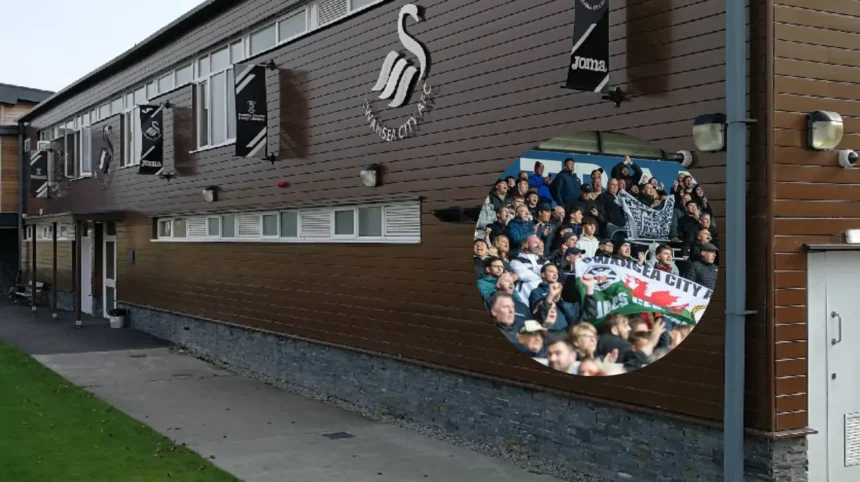
Swansea (Wales Times ) August 21, 2026 – It has confirmed it is working towards the introduction of a Supporters Advisory Board (SAB) during the 2026-27 season, a move designed to embed supporter voices more formally into the club’s governance and strategic decision-making processes. The announcement, published on the club’s official website, states that the SAB will “bring together a diverse range of voices and opinions to help inform and drive the club’s decision-making processes”.
- Key Points
- How will the Supporters Advisory Board be selected?
- What does the Independent Football Regulator require from clubs?
- How has Swansea City engaged fans earlier in the 2026-27 season?
- What are supporters saying about the new board?
- Background: How did the Supporters Advisory Board development unfold?
- Prediction: How will the Supporters Advisory Board affect Swansea City fans?
The development comes as English football prepares for the full implementation of the Football Governance Act 2025, which establishes the Independent Football Regulator (IFR) and makes structured fan engagement a mandatory condition of a club’s operating licence. uk/local/swansea/">Swansea City’s SAB initiative is positioned as a proactive step to meet these regulatory expectations while strengthening the relationship between the club and its supporters.
How will the Supporters Advisory Board be selected?
The club has outlined a transparent, multi-stage selection process for the SAB, designed to ensure independence and broad representation. Applications from individual supporters close at midnight on Sunday, with the process reviewed independently by the Football Supporters’ Association (FSA). The FSA will select a final shortlist of candidates for interview, ahead of a final democratic vote by eligible supporters.
As reported on the club’s matchday programme for the Sheffield United fixture, the hope is that the SAB will bring together a diverse range of voices and opinions to help inform and drive the club’s decision-making processes. The club has emphasised that this is “a very important step” that will bring Swansea City “in line with the fan engagement requirements for the Independent Football Regulator”.
Further details on the SAB’s composition, term lengths, and specific areas of responsibility have not yet been published, but the club has directed supporters to a dedicated fan engagement page for more information.
What does the Independent Football Regulator require from clubs?
The Football Governance Act 2025, which received royal assent in 2025, establishes a new licensing regime for professional football clubs in England, overseen by the Independent Football Regulator. Under the Act, all clubs must demonstrate they have “adequate and effective means” to consult fans and, crucially, that they “take the views of their fans into account” when making decisions on specified “relevant matters”.
These relevant matters include: strategic direction and objectives; business priorities; operational and matchday issues, specifically including ticket pricing; and club heritage, such as the home ground, crest, team colours, and name. The Act provides for mandatory fan engagement licence conditions for all clubs, moving supporter consultation from a voluntary “nice-to-have” to a regulatory requirement.
The IFR’s final rules and guidance, published on 1 July 2026, mark an important milestone in the implementation of the Act, with clubs expected to demonstrate ongoing compliance across financial resilience, governance, and supporter engagement. Swansea City’s SAB initiative is explicitly framed as aligning with “Football Supporter Association and EFL best practice” in this context.
How has Swansea City engaged fans earlier in the 2026-27 season?
The SAB announcement follows a series of fan engagement initiatives undertaken by Swansea City in the lead-up to the 2026-27 season. On 5 August 2026, the club held its first Fans’ Forum of the new season at the Swansea.com Stadium, providing supporters with an opportunity to engage directly with club representatives.
At the forum, sporting director Ben Stevens indicated that the team was close to securing a new player, while chief executive Tom Gorringe answered questions on commercial aspects and shared his ambitions for the upcoming season. Head coach Vitor Matos also hinted at his interest in Valencia’s Andre Almeida and mentioned that Goncalo Franco might return sooner than anticipated.
In addition, Swansea City conducted a vote among season ticket holders and Jack Army members on a proposal to update the club’s primary crest, with the vote closing on 17 August 2026. Chief executive Tom Gorringe stated that the consultation was being run in line with best practice set out by the new Independent Football Regulator and the Football Association’s Heritage Rules, which govern changes to a club’s badge and colours.
What are supporters saying about the new board?
Public reaction to the SAB announcement has been broadly positive among supporter groups and local media, with many viewing it as a meaningful step towards more structured fan influence. The WalesOnline live blog covering the Fans’ Forum noted that the SAB was a key topic of discussion among supporters attending the event.
The club’s Fan Engagement Plan for 2026-27 explicitly identifies setting up a Supporter Advisory Board as a “fan engagement priority”, underscoring the strategic importance placed on the initiative. Supporters are also encouraged to raise concerns, grievances, and provide feedback by contacting the supporter services team directly via email, as part of a broader effort to improve communication channels.
The Football Supporters’ Association’s involvement in the selection process has been highlighted as a key factor in ensuring the independence and credibility of the SAB. The FSA has previously published guidance on how Fan Advisory Boards can be used effectively under the Football Governance Act, emphasising the need for clubs to demonstrate that they take fan views into account on relevant matters.
Background: How did the Supporters Advisory Board development unfold?
The push for a Supporters Advisory Board at Swansea City has been building over several months, as the club prepared for the 2026-27 season and the impending regulatory changes. The club’s Fan Engagement Plan for 2026-27, published in late July 2026, identified the SAB as a priority initiative to bring Swansea City “in line with Football Supporter Association and EFL best practice”.
The formal announcement of the SAB came in mid-August 2026, with the club publishing details on its official website and in matchday programmes. The timing coincided with the closure of applications for the board, set for midnight on Sunday, and the independent review process by the Football Supporters’ Association.
The development also follows broader structural changes at the club, including the announcement in August 2026 that Swansea City had agreed a purchase deal with Swansea Council to buy the Swansea.com Stadium, transferring ownership to the club. These changes, combined with the SAB initiative, signal a period of significant governance and operational evolution for Swansea City as it navigates the new regulatory landscape.
Prediction: How will the Supporters Advisory Board affect Swansea City fans?
The introduction of the Supporters Advisory Board is likely to have several tangible effects on Swansea City supporters over the coming seasons. First, it will provide a formal, structured channel for fan input on key strategic and operational decisions, including ticket pricing, matchday operations, and club heritage matters. This could lead to more transparent decision-making and greater accountability from the club’s leadership on issues that directly affect the supporter experience.
Second, the SAB may enhance the sense of ownership and involvement among fans, particularly given Swansea City’s existing model of supporter ownership through the Swansea City Supporters Society. By embedding fan voices into governance processes, the club could strengthen its community ties and differentiate itself in a competitive football market.
However, the effectiveness of the SAB will depend on the club’s willingness to act on the board’s recommendations and the diversity of voices represented on the board itself. If the SAB is perceived as merely consultative without real influence, supporter frustration could grow, particularly if decisions on sensitive issues such as ticket pricing or crest changes are made without clear evidence of fan input being taken into account.
In the longer term, the SAB could serve as a model for other clubs seeking to comply with the Independent Football Regulator’s fan engagement requirements, particularly if Swansea City demonstrates measurable improvements in supporter satisfaction and trust as a result of the board’s work.