

Key Points
- A new £5.6m multi-user pathway called Lôn yr Adar (Bird Path) will officially be opened on Sunday, September 13, 2026, connecting Glan Conwy with Llandudno Junction.
- The 2km pathway passes around the RSPB Conwy estuary nature reserve and has crossings of the Afon Ganol river and the Conwy Valley railway as well as a 100-metre long arched stone viaduct.
- The construction project is part of the council’s Coast to Valley (Môr i’r Mynydd) active travel corridor project which received £18.6m in Levelling Up money from the UK Government.
- Local officials and residents such as councillor Sharon Doleman and community activist Peter McFadden believe that it will bring economic, health and access advantages to Glan Conwy.
- An official opening ceremony will take place between 1 pm and 5 pm, including ribbon cutting at the Green Seat layby, nature walks, games, and stalls.
- The pathway and bridges names were selected by Ysgol Glan Conwy school students based on the local fauna and folklore of St Ffraid.
Wales (Wales Times) September 13, 2026 – A North Wales village long admired for its views but constrained by transport barriers is preparing to welcome a significant increase in visitors with the opening of a new £5.6m multi-user path. Glan Conwy, which sits between the A55 and the Conwy estuary, will become more accessible when Lôn yr Adar (Bird Path) opens on Sunday, September 13, connecting the settlement with Llandudno Junction along a 2km traffic-free trail.
- Key Points
- What is Lôn yr Adar and why does it matter for Glan Conwy?
- How will the opening event unfold on September 13?
- Which local voices expect Glan Conwy to become a ‘destination village’?
- What are the path’s names and what local legends do they reflect?
- How does the project fit into wider active travel plans in Conwy?
- Background to the development
- Prediction: how this development could affect residents, visitors and local businesses
What is Lôn yr Adar and why does it matter for Glan Conwy?
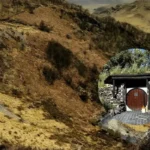
Lôn yr Adar is a newly surfaced, three-metre-wide route designed for walkers, cyclists, wheelchair users and mobility scooters, running from the Conwy embankment to the A470 Green Seat layby near Glan Conwy. The path skirts the RSPB Conwy estuary nature reserve and features notable engineering, including bridges over Afon Ganol and the Conwy Valley railway, and a 100-metre arched masonry ramp with the appearance of a traditional railway viaduct.
As reported by the Daily Post, Sharon Doleman, Glan Conwy councillor and Conwy Council’s cabinet member for sustainable economy, said: “A traffic-free link between Glan Conwy and Llandudno Junction has been a long term aspiration for the community.” She added: “When it is open, Lôn yr Adar will bring economic and well-being benefits to the communities it connects.”
Residents currently face barriers when walking or cycling to Llandudno Junction or Conwy town, including roundabouts at the A55 Black Cat junction. The new path removes those obstacles and creates a direct, scenic link that local officials believe will encourage more foot and cycle traffic into the village.
How will the opening event unfold on September 13?
A grand opening event is scheduled from 1pm to 5pm on Sunday, September 13, beginning with a ribbon cutting at the Green Seat layby. Organisers have planned opportunities for members of the public to be among the first to walk or cycle the new route, alongside a nature trail, games and stalls.
The event is intended to mark the path as a community asset and to introduce residents and visitors to the route’s features, including viewing points over the estuary. Cllr Doleman noted that the viaduct includes a viewing platform and described the scenery as “simply breathtaking”, highlighting the estuary, mountains and Conwy uk/local/swansea/castle/">Castle.
Which local voices expect Glan Conwy to become a ‘destination village’?
Peter McFadden, a long-standing community figure in Glan Conwy known for developing events such as Conwy Honey Fair, the town’s Seed Fair and the Conwy Feast food festival, said the village will, by definition, become a “destination village”. “It has to be, it’s where you end up when you use the new path,” he said, adding that he expected benefits for existing businesses and opportunities for new ones.
Local hospitality and retail outlets are already positioning themselves to welcome increased footfall. The Cross Keys pub and Y Clwb sports bar at Cae Ffwt, the village football ground, both offer beer gardens with views of the estuary and Conwy Castle. A 24/7 self-service milk vending machine at Cae Ffwt sells glass bottles of creamy milk and limited-edition milkshakes from Llaethdy Plas Isa Dairy, while Siop Bach in the village centre offers local produce. Snowdonia Nurseries and Garden Centre, managed by Hannah Roberts, is also preparing for more cyclists and walkers.
“As a business, we are looking forward to the new link and welcoming cyclists and walkers alongside our existing customers,” Roberts said. “As a Glan Conwy resident, it will also be lovely to have a safe, scenic route to Conwy town for my family to use all year round.”
What are the path’s names and what local legends do they reflect?
The path’s name, Lôn yr Adar (Bird Path), and the names of its two bridges were chosen by pupils at Ysgol Glan Conwy to reflect local wildlife and the legend of St Ffraid. The 34.2-metre railway bridge is called Pont Sanffraid, in reference to the village’s adopted saint, St Ffraid (the Welsh name for St Brigid of Kildare).
According to local tradition, St Ffraid sailed across the Irish Sea on a mat of green turf, landing at Trearddur Bay on Anglesey, where a chapel was later built in her name. The saint became highly venerated across Wales, with 18 churches and chapels dedicated to her and three communities bearing her name, including Glan Conwy, properly called Llansanffraid Glan Conwy.
On February 1, the feast day of St Ffraid, the parish church is decorated with rushes from the banks of the Conwy estuary. Local folklore holds that during a time of hunger, the saint threw rushes into the river, which later transformed into fish, ending the famine. Since then, fish from the Afon Conwy have been known as sparlings, or brwyniaid, meaning rush-like. Cllr Doleman, a lifelong resident, noted: “They taste like cucumber!” In recognition of this story, the new bridge over Afon Ganol has been named Pont y Brwyn.
How does the project fit into wider active travel plans in Conwy?
The Lôn yr Adar scheme is a key component of Conwy Council’s Môr i’r Mynydd (Coast to Valley) active travel route. The council’s longer-term ambition is to extend the route from Llandudno Junction to Betws-y-Coed. To support this vision, the local authority was awarded £18.6m from the previous UK Government under its Levelling Up funding programme.
Cllr Doleman said she anticipated residents using the path for leisure and daily journeys. “We’ll be able to walk to Conwy town in just 40 minutes, and perhaps children will use it to walk or cycle to Ysgol Aberconwy,” she said. She also highlighted the return of wildlife to the area, recalling seeing ducks and ducklings near the viaduct shortly after construction.
Background to the development
Glan Conwy has long been described as enviably located but physically constrained, cut off from the river by a railway line and bisected by the A55, the longest road in Wales. For years, residents and local officials identified the lack of a safe, traffic-free connection to Llandudno Junction and Conwy town as a barrier to walking, cycling and local economic activity. The Lôn yr Adar project emerged from this context as part of a wider strategy to improve active travel infrastructure across the Conwy county, supported by central government Levelling Up funds. The naming process, led by Ysgol Glan Conwy pupils, intentionally tied the infrastructure to local heritage, wildlife and the story of St Ffraid, embedding cultural identity into the new route.
Prediction: how this development could affect residents, visitors and local businesses
The opening of Lôn yr Adar is likely to increase visitor numbers to Glan Conwy, particularly among walkers, cyclists and families seeking scenic, traffic-free routes. For residents, the path should improve everyday mobility, offering a safer way to reach Conwy town, local schools and amenities without navigating busy junctions. Local businesses, including pubs, cafes, shops and the garden centre, may see higher footfall, especially on weekends and during events tied to the route. Over time, the village’s profile as a “destination” could encourage new enterprise, from cycle hire to guided walks, while also placing pressure on parking and local services if visitor growth is not managed. For the wider Conwy area, the route strengthens the active travel network and could help shift some short trips from cars to walking and cycling, with potential benefits for congestion, air quality and public health.