

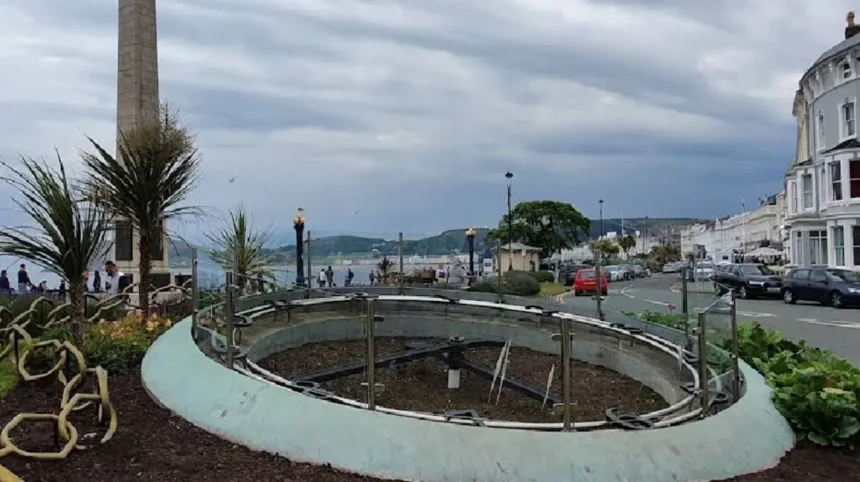
Llandudno offers a diverse hospitality landscape ranging from historic seafront Victorian hotels to modern self-catering apartments and bed and breakfasts. Visitors can choose options based on budget, location, and preferred amenities across the North Shore, West Shore, and town centre.
- What Types of Lodging Are Available in Llandudno?
- How Has the Hotel Industry Evolved in Llandudno Since the Victorian Era?
- What Factors Should Visitors Consider When Choosing Llandudno Accommodation?
- What Are the Current Tourism and Market Trends in Llandudno Lodging?
- What Economic Impact Does Accommodation Have on the Local Welsh Community?
- Frequently Asked Questions
- What is the best area to stay in Llandudno for first-time visitors?
- Do Llandudno seafront hotels have private parking spaces for guests?
- Is Llandudno accommodation accessible for travelers with mobility needs?
- How far in advance should you book accommodation in Llandudno for summer?
- Are self-catering apartments better than hotels for families visiting Llandudno?
Llandudno is the largest seaside resort town in Wales, located on the Creuddyn peninsula in North Wales. The town was purposely planned and developed as a coastal retreat during the mid-nineteenth century by the Mostyn family and architect Owen Williams. It sits between two limestone headlands, known as the Great Orme and the Little Orme, which frame the curved North Shore bay. Today, accommodation in Llandudno Wales provides the primary infrastructure for millions of annual domestic and international visitors who travel to the region.
The guest capacity of Llandudno expanded significantly after the opening of the Llandudno railway branch line in 1858. The town retains its original Victorian street layout and architectural facades, governed by historical building conservation standards. Modern accommodation choices cater to different trip purposes, including coastal holidays, mountain excursions into nearby Snowdonia national park, and business conferences held at regional event spaces.
What Types of Lodging Are Available in Llandudno?
Accommodation in Llandudno includes full-service hotels, bed and breakfasts, self-catering holiday apartments, guesthouses, and holiday parks. Each category serves different traveler group sizes, budget levels, stay lengths, and personal preferences throughout the summer and winter seasons.
Full-service hotels dominate the North Shore promenade and provide internal dining, room services, and passenger lifts. Properties like the St George’s Hotel, opened in 1854, set the standard for seaside lodging infrastructure by introducing the first passenger lift in Wales. Large establishments offer over 100 rooms and often host group tours, weddings, and regional business conferences.
Independent bed and breakfasts and traditional guesthouses occupy the secondary streets running parallel to the main shopping district on Mostyn Street. These family-run establishments typically range from 4 to 12 guest bedrooms and include home-cooked breakfast service. Self-catering properties make up a growing share of the local short-term rental market, with 1-bedroom and 2-bedroom configurations accounting for 67.6% of active vacation rental inventory in the area. Outlying areas near the Little Orme offer static caravan parks and holiday lodges equipped for self-contained family stays.
How Has the Hotel Industry Evolved in Llandudno Since the Victorian Era?
The hotel sector in Llandudno evolved from mid-nineteenth-century master planning into a modern leisure ecosystem. Infrastructure expanded from basic boarding houses to grand luxury hotels, integrating contemporary amenities while maintaining strict historical architectural conservation standards.
Before the 1840s, Llandudno was a small copper mining and fishing village situated on the slopes of the Great Orme. In 1848, Lord Mostyn approved a master urban development plan created by architect Owen Williams. The scheme established wide boulevards, long verandas, and continuous seafront hotel frontages designed explicitly to host visiting upper-class holidaymakers.
During the late nineteenth century, hospitality expansion accelerated alongside public infrastructure projects like the 1877 completion of Llandudno Pier and the 1902 opening of the Great Orme Tramway. During World War II, many prominent hotels served as safe havens and temporary government administration offices for civil servants relocated from London. In the modern era, local planners balance heritage preservation with structural upgrades, ensuring historic buildings support digital connectivity, accessible rooms, and low-carbon heating systems.
What Factors Should Visitors Consider When Choosing Llandudno Accommodation?
Selecting accommodation in Llandudno requires evaluating geographic location, seasonal price variations, parking availability, building accessibility features, and proximity to regional transportation nodes like the main railway station.
Location within the town directly impacts daily accessibility and noise levels. The Promenade on the North Shore offers clear sea views and immediate access to the beach and pier, but traffic and foot activity are higher during peak months. The West Shore provides a quieter coastal environment with views toward Anglesey, making it popular for relaxed stays.
| Location Zone | Dominant Property Type | Key Advantage | Best For |
| North Shore Promenade | Large Grand Hotels & B&Bs | Direct sea views, close to Pier | First-time visitors, event attendees |
| Town Centre / Mostyn St | Guesthouses & Apartments | Nearby shops, restaurants, rail | Short breaks, non-drivers |
| West Shore | Quiet Inns & Holiday Rentals | Sunset views, tranquil setting | Relaxed stays, long walks |
| Outer Headlands | Lodges, Farm Stays & Parks | Open space, easy highway access | Families, hiking enthusiasts |
Seasonal pricing creates significant cost differentials across the calendar year. Peak tourism activity occurs during July and August, when average daily rates increase substantially compared to low-season months like January. Parking is another critical operational factor because many Victorian seafront hotels have limited private parking spaces, requiring guests to rely on street parking zones or off-site public parking lots. Additionally, because many buildings are Grade II listed heritage structures, travelers needing step-free access should confirm elevator availability prior to booking.
What Are the Current Tourism and Market Trends in Llandudno Lodging?
The Llandudno accommodation market shows stable supply, growing nightly room rates, strong domestic staycation demand, and high advance booking lead times driven by regional leisure travel across North Wales.
Market data indicates that North Wales attracts approximately 2.28 million overnight trips annually, generating over 670 million pounds in visitor expenditure across the regional economy. Llandudno functions as the primary hotel hub for the region, capturing a significant portion of overnight stays due to its concentrated bed capacity.

Data from short-term rental tracking shows an Average Daily Rate of 241 dollars and an average annual revenue of 26,413 dollars per active property. Guests display structured travel planning habits, with an average booking lead time of 77 days before arrival. Small group travel forms the primary visitor demographic, with properties capable of hosting 2 to 4 guests accounting for 56.3% of active market listings.
What Economic Impact Does Accommodation Have on the Local Welsh Community?
The accommodation sector drives the local economy in Llandudno by providing direct hospitality employment, generating revenue for supply chains, and supporting local retail, dining, and transportation businesses.
Hospitality serves as a major employer in Conwy County Borough. Hotels, guesthouses, and self-catering operations directly hire front-desk staff, housekeeping teams, kitchen professionals, and maintenance technicians. The indirect economic impact spreads through regional agricultural suppliers, food wholesalers, laundry service providers, and local tradespeople who maintain the historic building stock.
Visitor spending at accommodation establishments helps support town infrastructure and public venues like Venue Cymru, the primary regional theatre and conference centre. The Welsh Government periodically supports the industry through policy interventions, such as business rates relief schemes aimed at maintaining hospitality operational margins during economic shifts. Strong occupancy rates ensure continuous capital investment into property renovations and heritage conservation across the town.
Frequently Asked Questions
What is the best area to stay in Llandudno for first-time visitors?
The North Shore Promenade is the best area for first-time visitors because it sits within walking distance of Llandudno Pier, the Great Orme Tramway, and Mostyn Street. Staying along the bay front provides clear sea views and easy access to major attractions without needing local bus transport.
Do Llandudno seafront hotels have private parking spaces for guests?
Many historic Victorian seafront hotels have limited on-site parking spaces due to strict 19th-century architectural preservation rules. Guests often use nearby street parking zones or public pay-and-display parking lots located a short distance from the promenade.
Is Llandudno accommodation accessible for travelers with mobility needs?
Most grand seafront hotels feature passenger lifts, but some smaller guesthouses and historic B&Bs do not have elevator access. Travelers needing step-free access should verify building facilities, ground-floor room availability, and entrance ramps before completing a reservation.
How far in advance should you book accommodation in Llandudno for summer?
Visitors should book summer accommodation at least 75 to 90 days in advance to secure preferred rates and locations. Peak occupancy occurs during July and August, causing popular seafront hotels and self-catering units to sell out quickly.
Are self-catering apartments better than hotels for families visiting Llandudno?
Self-catering apartments offer more space, full kitchen facilities, and multiple bedrooms, which suits families traveling with children. Hotels provide daily cleaning services and on-site dining, making them more convenient for shorter stays or couples seeking full service.