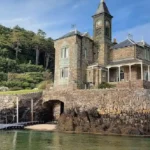

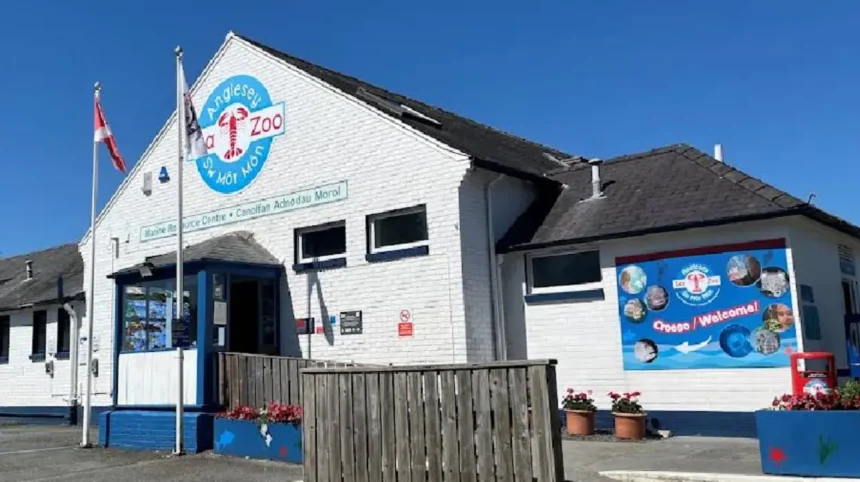
Anglesey Sea Zoo was established in 1983 by founders David and Alison Lea-Wilson along the Menai Strait in Brynsiencyn, North Wales. The facility transitioned from an oyster hatchery and lobster storage site into the largest native British marine aquarium.
- How does Anglesey Sea Zoo maintain native British marine habitats?
- What marine species are featured in the collection at Anglesey Sea Zoo?
- What captive breeding programs operate at Anglesey Sea Zoo?
- How does Anglesey Sea Zoo rescue and rehabilitate stranded marine wildlife?
- What ecological practices make Anglesey Sea Zoo a sustainable facility?
- Frequently Asked Questions
The site of Anglesey Sea Zoo originally opened in 1971 as a commercial oyster hatchery under the patronage of Prince Philip. The property subsequently functioned as a wholesale lobster export depot, holding large stocks of European lobsters for European distribution. Public curiosity surrounding these commercial lobster tanks prompted the transformation into a dedicated public marine attraction in 1983. The venue expanded over successive decades to house over 40 individual biological display tanks dedicated exclusively to British marine fauna. In 2007, environmental researchers acquired the facility, shifting the operational focus toward ecological research, education, and species reintroduction. Full ownership transferred to marine ecologist Frankie Hobro in 2013, solidifying the facility as a dedicated conservation center. The site operates today as an independent resource center for native marine biology in North Wales.
How does Anglesey Sea Zoo maintain native British marine habitats?
Anglesey Sea Zoo pumps seawater directly from the adjacent Menai Strait to maintain a open-system flow-through marine environment. This natural filtration system supplies raw nutrients, native micro-organisms, and seasonal temperature changes to over 150 local aquatic species.
The facility relies on continuous pumping systems that draw water directly from the Menai Strait into its exhibit network. This continuous exchange eliminates the need for synthetic salt formulations or artificial biological conditioning agents used in closed-loop aquariums. The exhibit tanks reproduce micro-environments found around the coastline of Anglesey, including tidal surges, rocky reefs, and sandy sea floors. A mechanized wave-generation display drops one ton of sea water every 30 seconds to replicate intertidal surge dynamics. Specific environmental controls adjust indoor lighting schedules to match natural daylight patterns along the Irish Sea. Display habitats feature native kelp, invertebrates, and bottom-dwelling organisms that thrive under localized seasonal temperature fluctuations. This system ensures optimal biological conditions for native species while reducing chemical additions across all aquatic enclosures.
What marine species are featured in the collection at Anglesey Sea Zoo?
Anglesey Sea Zoo houses over 150 native British marine species across 40 specialized display tanks featuring no tropical or imported specimens. Key taxa include short-snouted seahorses, European lobsters, conger eels, moon jellyfish, and catsharks.
The biological collection exclusively showcases marine organisms native to the British Isles, establishing a strictly regional biodiversity exhibit. The display habitats include shallow rockpools, deep ocean trenches, shipwreck structures, and coastal estuaries. Invertebrate collections feature species such as the common octopus, spiny spider crabs, plumose anemones, and cushion starfish. Larger fish exhibits display spiny dogfish, bullhuss, lesser spotted catsharks, and large conger eels inhabiting simulated cavern networks.
The aquarium exhibits three types of local invertebrates, including common cuttlefish, European edible crabs, and native shore crabs. Special focus is given to delicate coastal organisms such as pipefish, blennies, and gobies that inhabit shallow marine environments. Every organism in the collection represents species living in the coastal waters of Anglesey and the broader United Kingdom.
What captive breeding programs operate at Anglesey Sea Zoo?
Anglesey Sea Zoo operates conservation breeding programs for European lobsters, crawfish, and two native seahorse species. The Lobster Hatchery of Wales has successfully reared and released thousands of juvenile lobsters into local coastal waters.
Captive breeding programs focus on mitigating population declines caused by overfishing and habitat degradation along the North Wales coast. The Lobster Hatchery of Wales collects berried female lobsters from local fishermen, hatches the larvae in specialized conical tanks, and rears them through vulnerable larval stages. Once juvenile lobsters reach a size capable of predator defense, they are released into protected marine areas around Anglesey. The facility also runs a specialized seahorse nursery dedicated to short-snouted seahorses and spiny seahorses. These seahorse breeding efforts represent some of the only successful programs in Europe dedicated to native European syngnathids. The aquarium exhibits three types of captive-bred aquatic animals, including European lobsters, short-snouted seahorses, and European crawfish. Rearing programs supply vital data to researchers analyzing juvenile marine survival rates in changing climate conditions.
How does Anglesey Sea Zoo rescue and rehabilitate stranded marine wildlife?
Anglesey Sea Zoo operates an official marine rescue and rehabilitation facility for stranded sea turtles, seals, and injured marine animals in Wales. The center collaborates with British Divers Marine Life Rescue to treat cold-stranded tropical turtles.
The facility operates as a regional rescue hub equipped with specialist veterinary holding tanks and critical care equipment. The center treats marine animals affected by severe weather events, boat strikes, and plastic entanglement along the Welsh coastline. Cold-stranded tropical sea turtles carried to North Wales by Atlantic currents form a primary focus of emergency interventions. The zoo rescued a historic female Olive Ridley turtle named Menai in 2016, marking the first record of this species in the United Kingdom since 1748.

Subsequent turtle recoveries include a critically endangered Kemp’s Ridley turtle named Tally in 2021 and a juvenile Loggerhead turtle named Tonni in 2023. The rehabilitation process involves gradual thermal re-warming, fluid therapy, parasite treatment, and nutritional restoration. Recovered turtles are transported back to warmer ocean waters in southern Europe or North America for wild release.
What ecological practices make Anglesey Sea Zoo a sustainable facility?
Anglesey Sea Zoo became the first UK aquarium powered by solar energy following the installation of a 50kW photovoltaic solar array. The facility operates zero-waste initiatives, single-use plastic eliminations, and active beach clearance programs.
Environmental sustainability governs daily operations across energy consumption, waste handling, and community engagements. The 50kW roof-mounted solar photovoltaic system consists of 166 high-efficiency panels that directly supply operational electrical power to water pumps and lighting arrays. The site recycles or composts over 95 percent of all generated commercial waste, virtually eliminating landfill contributions.
Single-use plastic packaging has been systematically replaced across food services and retail departments with biodegradable alternatives. The on-site bistro sources roughly 85 percent of its food products from local producers within a ten-mile radius to reduce transportation carbon emissions. Staff regularly lead public marine conservation surveys and beach cleanup campaigns at Tan-Y-Foel beach, submitting collected plastic debris data directly to the Marine Conservation Society.
Frequently Asked Questions
Can visitors see tropical fish at Anglesey Sea Zoo?
Anglesey Sea Zoo exclusively displays native British marine life from the UK coastline. You will not find tropical fish, sharks, or artificial coral displays. The collection focuses on indigenous species like European lobsters, seahorses, and local catsharks.
How long does a typical visit to Anglesey Sea Zoo take?
A standard visit takes between 1.5 to 3 hours to tour the indoor habitats. Visitors can spend extra time at the outdoor adventure playground, mini-golf course, bistro, and Menai Strait viewpoint.
Is Anglesey Sea Zoo open during rainy weather?
Yes, the primary aquarium exhibits and biological display tanks are completely indoors, making it an ideal wet-weather attraction in North Wales. Outdoor play areas may close during severe weather conditions.
What marine rescue work takes place at Anglesey Sea Zoo?
Anglesey Sea Zoo houses an official marine rescue center that treats stranded sea turtles, injured seals, and marine wildlife. The center rehabilitates cold-stranded turtles before releasing them back into natural ocean habitats.
Does Anglesey Sea Zoo offer parking and accessibility facilities?
Anglesey Sea Zoo provides free on-site parking for visitors, including dedicated accessible parking spaces. The entire indoor aquarium layout features wheelchair-friendly ramps, wide pathways, and accessible restroom facilities.