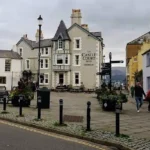

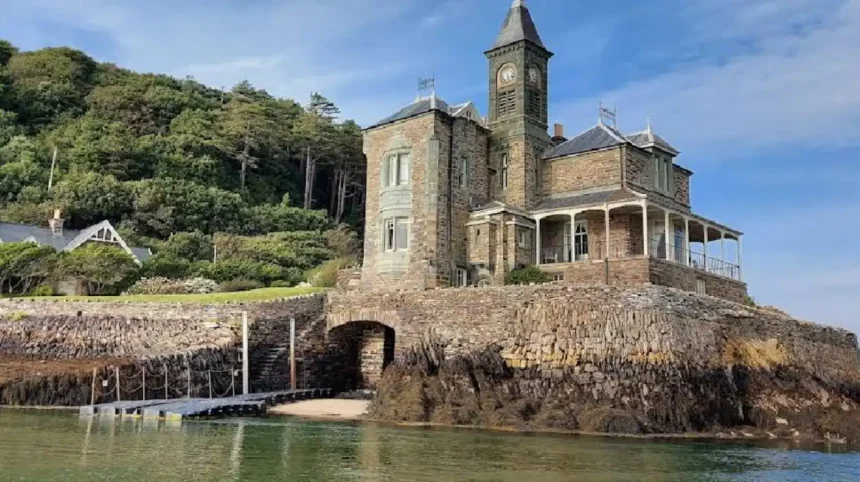
Barmouth is a prominent seaside resort town located on the estuary of the River Mawddach and Cardigan Bay in the county of Gwynedd, northwestern Wales, recognized for its historic railway architecture, expansive sandy beach, and proximity to Eryri National Park. Barmouth occupies a key position within Welsh maritime heritage and regional eco-tourism networks. The settlement functions as a major commercial center for southwest Gwynedd, driving local employment across tourism, retail, and hospitality sectors. Its geographical position facilitates direct transport routes between mid-Wales and coastal trade routes, ensuring continuous economic activity throughout the calendar year.
- What Is The History And Settlement Background Of Barmouth Wales?
- How Does The Geography And Environment Influence Barmouth Wales?
- What Are The Key Infrastructure And Transport Links In Barmouth Wales?
- How Does The Economy Function In Barmouth Wales?
- What Are The Cultural And Recreational Amenities In Barmouth Wales?
- Frequently Asked Questions
Barmouth sits at the mouth of the Mawddach Estuary where the river enters Cardigan Bay. The town is bordered by the Rhinogydd mountain range to the east and the Irish Sea to the west. This terrain creates a microclimate influenced by North Atlantic drift currents. Settlements in this geographic zone experience temperate oceanic conditions. Rainfall patterns support lush temperate flora, while tidal movements shape the expansive sandbanks across the estuary entrance.
The geographic footprint of Barmouth covers approximately two square miles along the coastal strip. Urban layout follows the steep gradients of Dinam Rock, where historic stone cottages occupy terraced elevations above the harbor. Lower elevations accommodate Victorian-era commercial districts, transportation corridors, and promenade infrastructure. Marine boundary zones are defined by engineered sea defenses that protect inner town structures from high spring tides and southwest storm surges.
Administratively, Barmouth falls under the jurisdiction of Gwynedd Council and forms part of the parliamentary constituency of Dwyfor Meirionnydd. Local government framework manages municipal services, coastal management policies, and regional development frameworks. Land use within the surrounding countryside is subject to planning guidelines enforced by the Eryri National Park Authority to preserve natural habitats.
The region exhibits high biodiversity across marine and terrestrial ecosystems. Intertidal mudflats of the Mawddach Estuary serve as crucial feeding grounds for migratory wading bird species such as curlews and redshanks. Adjacent oak woodlands feature rare lichen colonies and support populations of native mammals, including red squirrels and pine martens. Marine environments off the coast support grey seals and migratory harbor porpoises.
What Is The History And Settlement Background Of Barmouth Wales?
Barmouth developed from a tiny maritime trading post in the sixteenth century into a major ship building hub and popular Victorian resort town following the completion of the iconic Barmouth Viaduct railway bridge in eighteen sixty-seven. Human settlement around Barmouth began prior to written records, with Bronze Age stone circles and Iron Age hillforts scattered along the surrounding hills. Early medieval inhabitants utilized the natural shelter of the Mawddach Estuary for fishing and local coastwise trade.
During the Elizabethan era, Barmouth emerged as a vital seaport for Merionethshire. The port exported slate, copper ore, coarse woolen cloth known as webs, and agricultural produce to ports in England, Ireland, and continental Europe. Import activities centered on coal, limestone, iron, and general merchandise required for regional sustenance. The town maintained a fleet of small coastal vessels that navigated the hazardous sandbars protecting the estuary entrance.
The eighteenth century saw a rapid expansion of shipbuilding along the Mawddach Estuary. Local shipyards produced hundreds of wooden brigantines, schooners, and sloops utilizing timber harvested from local oak forests. Shipbuilders established construction yards along the tidal shores, employing hundreds of carpenters, blacksmiths, and sailmakers. The decline of wooden shipbuilding in the late nineteenth century shifted the economic focus toward maritime transportation and passenger tourism.
The Victorian period transformed Barmouth into an internationally recognized health resort. The opening of the Aberystwyth and Welsh Coast Railway in eighteen sixty-seven integrated the town into the national rail network, connecting rural Wales with industrial urban centers in the English West Midlands. Prominent Victorian intellectuals, including author John Ruskin and clergyman Charles Kingsley, frequented the town, establishing residential properties and public amenities.
Modern Barmouth retains much of its nineteenth-century architectural fabric, characterized by Welsh slate roofing and granite stone masonry. Preservation efforts throughout the twentieth century protected key historical structures, including the Round House prison built in eighteen thirty-four and the fifteenth-century Hen Cei Bach building. Today, historical preservation policies operate alongside contemporary coastal defense initiatives to safeguard this heritage.
How Does The Geography And Environment Influence Barmouth Wales?
The physical geography of Barmouth features a combination of rugged mountainous slopes, dynamic estuarine sandbanks, and exposed coastal shorelines shaped by ongoing coastal erosion, sediment transfer, and North Atlantic tidal movements. The town sits on slate and gritstone rock formations dating to the Cambrian period, known as the Harlech Dome. These ancient geological structures form the steep cliff faces towering above the urban core, dictating road networks and building placements.
The Mawddach Estuary represents a prime example of a drowned river valley or ria. Sediment dynamic processes continuously alter the channel beds, depositing fine silt and sand that form extensive mudflats at low tide. Tidal ranges inside Cardigan Bay frequently exceed four meters during spring tide cycles, driving strong currents through the narrow channel beneath the Barmouth Viaduct and reshaping the shoreline topography continuously.
Coastal climate patterns in Barmouth are governed by prevailing southwesterly winds coming off the Atlantic Ocean. Average annual temperatures range from four degrees Celsius in winter to nineteen degrees Celsius in summer months. Annual precipitation averages around twelve hundred millimeters, with high rainfall concentrated across the adjacent Rhinogydd mountain peaks. Microclimatic conditions support rare temperate rainforest flora along sheltered valley slopes nearby.
Sea defense engineering remains a key environmental priority for local authorities. Concrete seawalls, rock groynes, and timber breastworks line the beach perimeter to mitigate coastal erosion and prevent flood damage during winter storms. Climate change projections indicate rising sea levels, necessitating updated flood barrier infrastructure and long-term shore management strategy implementations across Gwynedd.
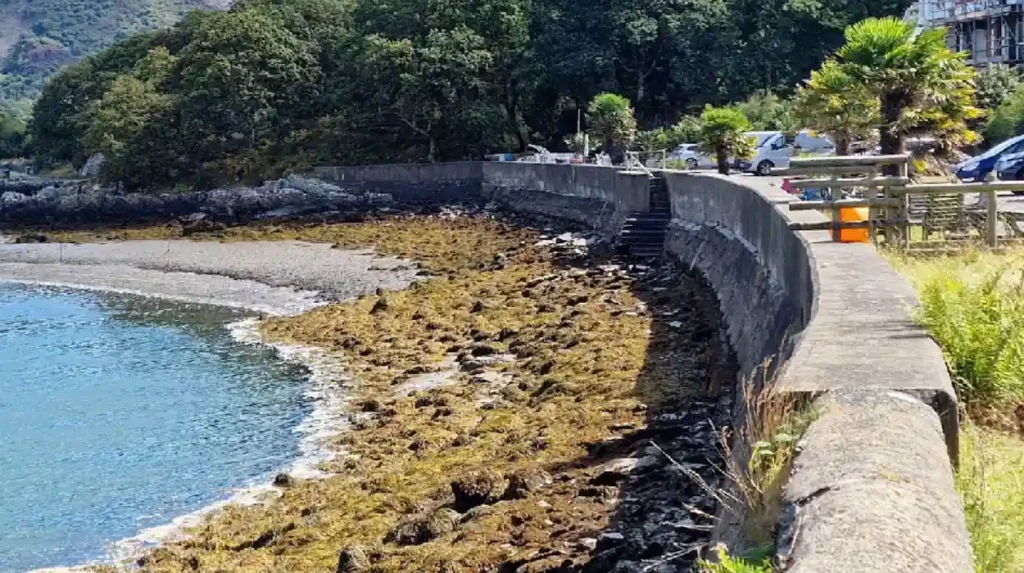
Environmental conservation areas surround Barmouth to protect sensitive biological zones. The Mawddach Estuary holds designations as a Site of Special Scientific Interest and a Special Area of Conservation under regional environmental protection mandates. These frameworks restrict industrial development, manage agricultural runoff, and control marine traffic to maintain ecosystem balance across intertidal wetlands.
What Are The Key Infrastructure And Transport Links In Barmouth Wales?
Barmouth connects to regional and national transport networks via the A496 coastal highway, the Cambrian Line railway across the Barmouth Viaduct, and active marine navigation routes across Cardigan Bay. Transport infrastructure forms the economic lifeline for Barmouth, facilitating tourist movement, freight delivery, and daily commuter transit across northern and mid-Wales. The combination of rail, road, and maritime transit routes provides structural resilience.
The iconic Barmouth Viaduct is the longest timber rail bridge in Great Britain, spanning eight hundred and twenty meters across the Mawddach Estuary. Constructed in eighteen sixty-seven, the structure carries single-track rail traffic on the Cambrian Line operated by Transport for Wales. A major restoration project completed in recent years reinforced structural timbers, replaced metallic spans, and ensured long-term rail connectivity between Machynlleth and Pwllheli.
Road access relies primarily on the A496 highway, which connects Barmouth northwards to Harlech and southwards toward Dolgellau via the iconic Penmaenpool Toll Bridge corridor. The A496 presents narrow sections and sharp bends due to steep coastal topography, requiring careful navigation during peak summer traffic volumes. Bus service providers operate regular regional routes connecting Barmouth to regional administrative hubs.
Pedestrian and cycling infrastructure centers on the Mawddach Trail, an eight-mile multi-use path built on the disused railway bed between Barmouth and Dolgellau. The trail crosses the pedestrian walkway attached to the Barmouth Viaduct, attracting thousands of non-motorized travelers annually. This network supports active travel initiatives and provides safe transport alternatives disconnected from motor vehicle traffic corridors.
Maritime infrastructure includes Barmouth Harbor, managed by the Gwynedd Council Maritime Service. The harbor features moorings for commercial fishing vessels, recreational yachts, and passenger ferries crossing the estuary to Fairbourne. Navigational markers and regular channel dredging are maintained to ensure safe passage past the shifting sandbanks known as Barmouth Bar.
How Does The Economy Function In Barmouth Wales?
The economy of Barmouth relies heavily on seasonal tourism, commercial fishing, independent retail businesses, hospitality services, and public sector employment provided by regional educational and healthcare systems. Economic output fluctuates between peak summer periods and lower-density winter months. Local development strategies focus on expanding year-round business operations to stabilize municipal revenue streams across Gwynedd.
Hospitality forms the primary private sector employment driver in Barmouth. The town contains dozens of hotels, guest houses, caravan parks, and self-catering holiday accommodations. Restaurants, cafes, and traditional pubs rely on visitor spending during the peak holiday season extending from April through October.
Retail activities center on High Street and Church Street, featuring a concentration of independent gift shops, outdoor clothing outlets, bakeries, and grocery stores. National retail chains maintain a limited footprint, allowing local independent traders to dominate the market. Commercial operations benefit from regional economic initiatives, including targeted business rate support frameworks such as the Welsh hospitality wins 30 percent business rates relief program designed to offset operational costs.
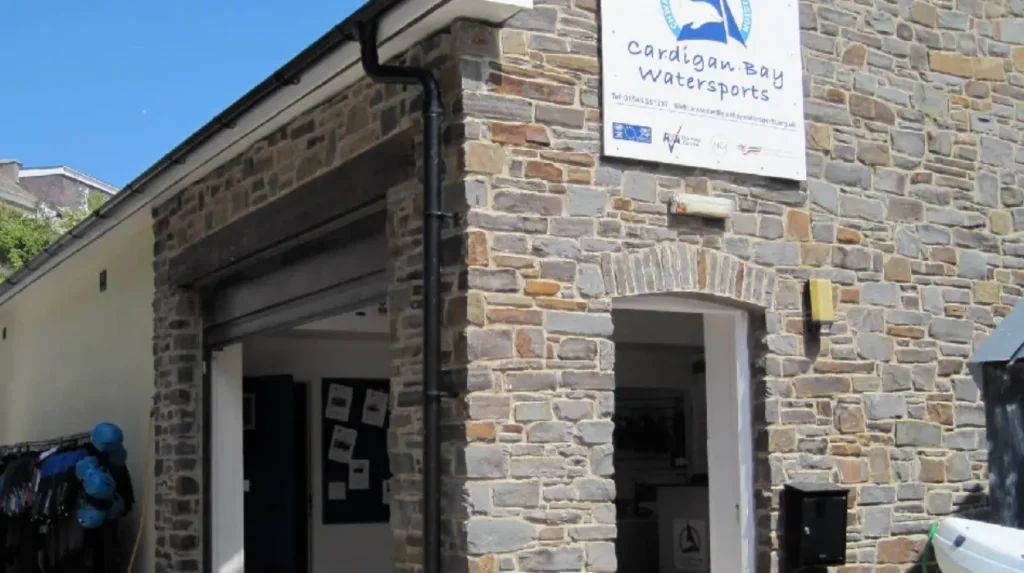
Commercial marine fishing represents a smaller but historically resilient economic segment. Local fishermen operate small motor vessels harvesting lobster, brown crab, sea bass, and whelks from Cardigan Bay waters. Catches are sold to local restaurants and exported to regional distribution centers. Marine safety and environmental monitoring remain vital, especially given unique oceanic phenomena like when a diver captures huge lions mane jellyfish off Wales coast.
Public sector institutions provide stable year-round employment opportunities for Barmouth residents. Local schools, primary healthcare facilities, and municipal administrative offices employ a significant percentage of the resident workforce. Community youth initiatives also receive national recognition, such as when West Midlands teens shortlisted for citizen award highlighted local cross-border community ties.
What Are The Cultural And Recreational Amenities In Barmouth Wales?
Barmouth offers cultural and recreational amenities including historic maritime sites, access to Eryri National Park trails, traditional Welsh artistic events, and expansive beach activities. The town serves as a cultural bridge between Welsh-speaking heartlands and visitors from across the United Kingdom. Community life centers on preserving maritime history, promoting Welsh language heritage, and hosting seasonal outdoor athletic competitions.
The Barmouth Sailor’s Institute, established in eighteen ninety, remains a functional reading room and historical archive preserving the maritime legacy of Gwynedd. The facility houses historic nautical instruments, ship logs, and photographic records documenting nineteenth-century merchant sailing vessels. The institute offers visitors a glimpse into the daily lives of nineteenth-century Welsh mariners who navigated global trade routes.
Arts and culture flourish through local galleries, craft studios, and theatrical performances. The Dragon Theatre, housed in a converted Victorian chapel on Jubilee Road, hosts community theater productions, musical concerts, film screenings, and educational workshops throughout the year. Regional uk/sports/">sports enthusiasts follow local and national sporting updates closely, including domestic cricket coverage like Surrey vs Glamorgan live scores and updates from The Oval. Athletic fans frequently travel across North Wales for regional fixtures, similar to how Wrexham away tickets for Derby match go on sale draws regional crowds.
Outdoor recreation represents a major draw for residents and holidaymakers. Barmouth Beach features miles of clean sand suitable for swimming, sea kayaking, and windsurfing. Coastguard search teams and volunteer lifeboat crews maintain continuous emergency cover, providing rapid response when incidents occur, such as when a man rescued from rocks after fall in Jamestown Wales.
Mountaineering and fell walking attract thousands of outdoor enthusiasts to Barmouth annually. The town serves as a base camp for exploring Panorama Walk, a scenic trail offering sweeping views across the Mawddach Estuary and Cadair Idris peak. Modern digital technologies enhance local services, reflecting broader regional modernizations like how a Wrexham joinery firm expands with new digital technology to serve coastal markets.
Frequently Asked Questions
What Is The Best Way To Travel To Barmouth Wales Without A Car?
The best way to travel to Barmouth without a car is by taking the scenic Cambrian Line train directly into Barmouth Station. Regular train services connect Barmouth to major rail junctions such as Machynlleth and Shrewsbury, providing smooth transfers from London, Birmingham, and Manchester.
Is Barmouth Beach Safe For Swimming And Families?
Yes, Barmouth Beach features wide sandy shores with shallow entry waters suitable for families and recreational swimming. Designated bathing areas are monitored by RNLI lifeguards during the summer peak season, though visitors should always monitor local tide schedules and warning flags.
How Long Is The Walk Across Barmouth Viaduct And Is It Free?
The pedestrian walkway along the Barmouth Viaduct spans approximately eight hundred and twenty meters across the Mawddach Estuary. Walking across offers picturesque views of Cadair Idris and is free for pedestrians and cyclists accessing the Mawddach Trail network.
What Are The Top Outdoor Activities Available Around Barmouth?
Popular outdoor activities in Barmouth include hiking the Panorama Walk, cycling the eight-mile Mawddach Trail, stand-up paddleboarding in the estuary, and sea fishing in Cardigan Bay. The town also serves as a gateway for mountain climbing across Eryri National Park.
When Is The Best Time Of Year To Visit Barmouth Wales?
The best time to visit Barmouth is between May and September, when weather conditions are warmest and local tourist attractions operating hours expand. Spring and autumn offer peaceful walking opportunities with fewer crowds, while winter months appeal to storm watchers.