
Key Points
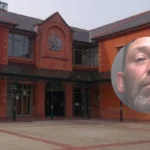
- Daniel Griffiths, 52, a man from Pwllheli, received a 42-day jail term for breaching a Domestic Violence Protection Order.
- According to North Wales Police, Daniel Griffiths followed a woman onto the bus and kept following her while going to her house.
- The order against his contacting that woman was made on 1 September 2026.
- The event happened on 12 September while the woman was waiting for a bus.
- That woman felt distressed because Daniel Griffiths followed her from the bus to her house.
- Griffiths appeared before Llandudno Magistrates’ Court on Monday, 21 September 2026.
- According to North Wales Police, it will use its powers in order to protect women and girls from any violence.
- The event was reported in Cambrian News and MonFM, but the article in the Daily Post gives the most clear description of the police statement and sentence.
Wales (Wales Times) September 22, 2026 – the death of retired engineer Darren John Edwards in a campervan fire near Porthcawl seafront has been ruled an accident following an inquest at Pontypridd Coroners’ Court. The court heard that the fire probably began with a gas camping stove and that Mr Edwards died from smoke inhalation.
- Key Points
- Who was the man found in the campervan?
- When and where did the fire happen?
- How did the campervan fire start?
- What did the inquest find about alcohol?
- Why was the death initially treated as unexplained?
- What was the medical cause of death?
- What did the coroner conclude?
- What does the case show about the risks of living in a campervan?
- Background to the Porthcawl development
- How could this development affect campervan users?
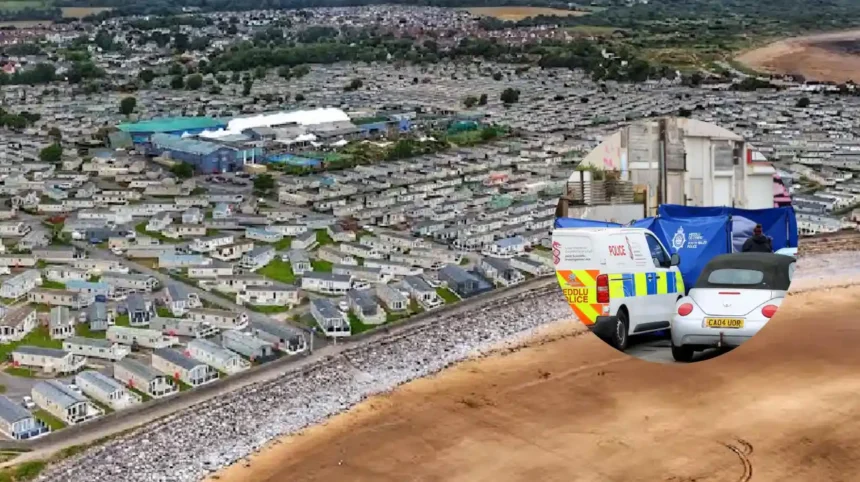
The incident happened in Mackworth Road during the early hours of 28 August 2025. Emergency services were called to a reported fire involving several vehicles. After the blaze had been extinguished, emergency personnel found a body inside one of the campervans.
Residents living nearby reported hearing “loud bangs” before emergency services arrived. The road was subsequently cordoned off while investigators examined the scene and worked to establish what had happened.
According to the report published by WalesOnline, the body was not identified immediately. South uk/police/">Wales Police initially treated the death as unexplained while forensic investigations were conducted at the location.
Who was the man found in the campervan?
The man was identified as Darren John Edwards, a 60-year-old retired engineer from Newport. The inquest heard that the campervan belonged to Mr Edwards and that he had been living in it at the time of his death.
Mr Edwards spent much of his time travelling to different locations across Wales. In the period before the fire, he had spent several nights sleeping in the campervan in the Porthcawl area.
The discovery of the body initially left investigators facing uncertainty about the identity of the deceased and the circumstances surrounding the fire. Officers were unable to identify the man for some time, and forensic work was undertaken before the campervan was linked to Mr Edwards.
The inquest later confirmed that the body recovered from the vehicle was his.
When and where did the fire happen?
The fire was reported in Mackworth Road, close to Porthcawl seafront, in the early hours of 28 August 2025. Emergency services attended what was described as a “fire incident” involving multiple vehicles.
Once the fire had been brought under control, emergency personnel found a deceased person inside one of the vehicles. The surrounding road was closed or restricted while the scene was examined.
The presence of more than one vehicle led investigators to assess the wider circumstances of the incident. Police and forensic officers examined the remains of the campervan as part of their efforts to determine the source of the fire and identify the person who had died.
Neighbouring residents’ reports of loud bangs also formed part of the early account of the incident. However, the inquest ultimately found that the death was accidental rather than the result of a deliberate act.
How did the campervan fire start?
The inquest heard that the fire was likely to have started with a gas camping stove inside the campervan. The available findings did not establish that the fire was deliberately started.
Gas camping equipment can create a serious fire risk inside a confined vehicle, particularly when it is used near combustible materials or when a person is unable to react quickly to signs of fire. In this case, the court heard that the stove was the most likely origin of the blaze.
The fire spread through the campervan before emergency services were able to extinguish it. By the time responders entered the vehicle, Mr Edwards had died.
The evidence presented at the inquest connected the likely source of the fire with the medical findings from the post-mortem examination. The cause of death was recorded as smoke inhalation, with alcohol toxicity also listed as a contributing factor.
What did the inquest find about alcohol?
The inquest heard that Mr Edwards had consumed high levels of alcohol before the fire. Investigators believed that this may have affected his alertness and his ability to respond to the developing emergency.
The court was told that alcohol likely impaired Mr Edwards’ awareness of the fire. It may also have reduced his ability to escape from the campervan or call for assistance once the fire began.
The medical cause of death was recorded as:
- 1a: smoke inhalation.
- 2: alcohol toxicity.
The findings did not state that alcohol directly started the fire. Instead, the evidence indicated that alcohol toxicity may have affected Mr Edwards’ response to the danger and contributed to the fatal outcome.
Why was the death initially treated as unexplained?
South Wales Police initially treated the death as unexplained because the body was found inside a burnt-out campervan and could not be identified immediately.
Investigators had to determine both the identity of the deceased and the circumstances that led to the fire. The condition of the vehicle made the early investigation more difficult, while the reports of loud bangs added to the need for a detailed forensic examination.
The road was cordoned off after emergency services dealt with the fire. Forensic investigations were then carried out at the scene.
As the investigation progressed, the campervan was identified as belonging to Mr Edwards. The inquest subsequently heard evidence about his movements in the Porthcawl area, his use of the vehicle as accommodation and the likely source of the fire.
The conclusion that the death was accidental brought the formal investigation to an end.
What was the medical cause of death?
A post-mortem examination found that Mr Edwards died from smoke inhalation. This occurs when a person breathes in smoke and toxic gases during a fire, potentially causing severe injury before burns become the primary cause of death.
The inquest also recorded alcohol toxicity as a secondary cause. The court heard that the level of alcohol in Mr Edwards’ system was likely to have reduced his alertness and affected his ability to react.
Area coroner Patricia Morgan concluded that Mr Edwards’ death was an accident. Her conclusion reflected the evidence that the fire probably began with a gas camping stove and that there was no finding of deliberate action.
What did the coroner conclude?
Area coroner Patricia Morgan concluded that the death was accidental. The conclusion followed evidence about the origin of the fire, the condition of the vehicle, the post-mortem findings and Mr Edwards’ alcohol consumption.
The inquest established that Mr Edwards was living in the campervan when the fire occurred. It also established that he had been staying in the Porthcawl area for several nights before the incident.
The formal conclusion means the death was not treated as a homicide or suicide. The evidence instead pointed to an accidental fire that began inside the vehicle and became fatal because Mr Edwards was unable to escape.
What does the case show about the risks of living in a campervan?
The Porthcawl campervan fire highlights the particular dangers faced by people who sleep in vehicles equipped with cooking appliances. A campervan is a confined space, and a fire can spread quickly through furnishings, fuel sources and other materials.
The inquest evidence also shows how a person’s ability to respond can be affected by smoke, fumes, injury or alcohol. In Mr Edwards’ case, the court heard that alcohol toxicity likely affected his awareness and reaction to the fire.
The case does not establish that every campervan fire is caused by unsafe conduct. It does, however, demonstrate how a small cooking appliance can become the likely source of a fatal blaze when used inside a restricted space.
Background to the Porthcawl development
The death occurred after Mr Edwards had spent several nights in the Porthcawl area in his campervan. He was a retired engineer from Newport and was described in the inquest report as someone who travelled to different locations across Wales.
The fire was reported in Mackworth Road near Porthcawl seafront on 28 August 2025. Emergency services attended a serious incident involving multiple vehicles and found a body after extinguishing the blaze.
South Wales Police initially treated the death as unexplained because the victim could not be identified immediately. Forensic investigations continued before the campervan was linked to Mr Edwards.
The inquest at Pontypridd Coroners’ Court later heard that the fire was believed to have started with a gas camping stove. A post-mortem examination identified smoke inhalation as the main cause of death, while alcohol toxicity was also recorded. Patricia Morgan, the area coroner, concluded that the death was accidental.
How could this development affect campervan users?
The development may prompt campervan users and people sleeping in vehicles to review how they use gas stoves and other cooking equipment. The case shows that a fire involving a small appliance can become life-threatening quickly in an enclosed vehicle.
Campervan users may also consider keeping cooking equipment away from bedding and other flammable materials, ensuring adequate ventilation and maintaining a clear route to an exit. Alcohol can further increase risk if it affects a person’s ability to notice danger or escape promptly.
For residents and visitors in areas such as Porthcawl, the case may also reinforce the importance of reporting unusual sounds, smoke or suspected fires quickly. In this incident, neighbours reported hearing loud bangs before emergency services arrived.
The inquest’s conclusion is specific to Mr Edwards’ death and does not suggest that all campervan fires have the same cause. Its wider significance is that safe use of gas appliances, early awareness of fire and the ability to leave a vehicle quickly can be critical in preventing a similar tragedy.