

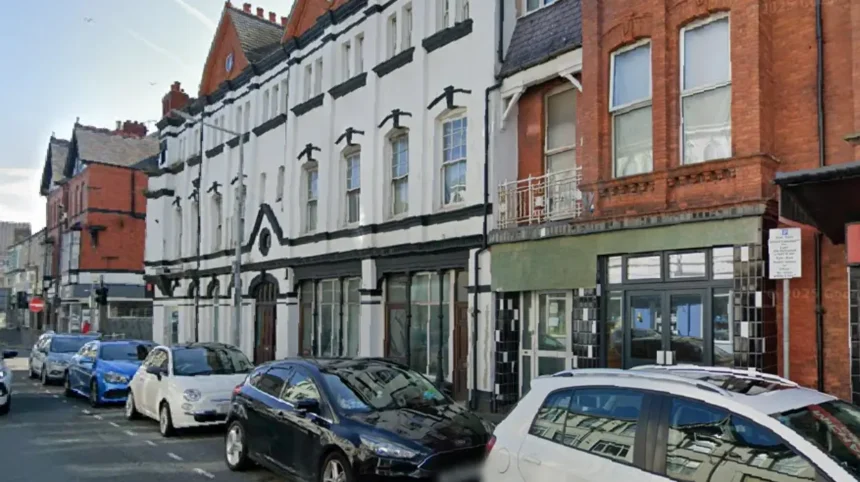
The North Wales Chronicle is a regional weekly newspaper and digital news platform based in uk/local/bangor/">Bangor, Gwynedd, serving northern Wales. Established originally as the North Wales Gazette in 1808 before rebranding in 1827, it remains one of Wales’s oldest operational news titles.
- What Geographical Areas Does the North Wales Chronicle Cover?
- What Types of News Coverage Does the North Wales Chronicle Provide?
- How Has the Digital Era Transformed the North Wales Chronicle?
- Why Are Local Newspapers Like the North Wales Chronicle Important for Communities?
- Frequently Asked Questions
- What areas does the North Wales Chronicle cover in its weekly news?
- Is the North Wales Chronicle available online or only in print format?
- Who owns the North Wales Chronicle news publication today?
- Where can I find historical archives of the North Wales Chronicle?
- How do I submit a community news story or local press release to the paper?
The history of news publishing in North Wales began during the early nineteenth century when local printing infrastructure expanded rapidly across the United Kingdom. John Broster founded the North Wales Gazette in 1808 in Bangor to provide official notices, regional trade details, and parliamentary updates to the local population. The publication underwent a major structural reorganization on October 4, 1827, officially adopting the title North Wales Chronicle and General Advertiser. This renaming marked a transition toward broader commercial advertising and investigative regional journalism across the counties of Caernarfonshire, Merionethshire, and Anglesey.
Throughout the nineteenth century, the newspaper recorded the rapid industrialization of North Wales, documenting the growth of slate quarrying in Bethesda and maritime developments along the Menai Strait. The publication provided detailed accounts of political debates, legal proceedings at local assize courts, and shipping manifests from coastal ports. Ownership transferred through several prominent printing houses over the decades, adapting to steam-powered printing presses and expanded postal delivery networks. These technological shifts allowed the publication to increase its print circulation and establish itself as an authoritative historical archive for public record.
In the modern media landscape, the North Wales Chronicle operates under the ownership of Newsquest, following the acquisition of previous parent company NWN Media Limited. The publication maintains a hybrid publishing strategy that combines weekly print distribution with continuous digital news updates. The core newsroom remains focused on hyper-local reporting, serving urban centers such as Bangor and Caernarfon alongside rural agricultural communities. Archival copies of early editions are preserved within the National Library of Wales and the British Newspaper Archive, serving as critical primary sources for academic researchers.
What Geographical Areas Does the North Wales Chronicle Cover?
The North Wales Chronicle covers the geographic regions of North Gwynedd, the Isle of Anglesey, and the Menai Strait corridor. Key municipal centers within its distribution boundary include the city of Bangor, the historic town of Caernarfon, Holyhead, Llangefni, and Bethesda.
Geographical coverage is structured around the unique regional infrastructure of northwest Wales, spanning both mainland territories and island communities. In North Gwynedd, reporting focuses on the city of Bangor, covering local government decisions, educational developments, and commercial activities. The newsroom tracks municipal planning applications, public transportation updates along the A5 corridor, and civic events within the historic cathedral city. Coverage extends south toward Caernarfon, capturing council developments within Gwynedd Council headquarters and court proceedings at Caernarfon Crown Court.
Across the Menai Strait, the publication provides comprehensive news distribution throughout the Isle of Anglesey. Reporters monitor local enterprise zones, maritime operations in Holyhead Port, and environmental preservation efforts along the island coastline. Rural towns such as Llangefni, Amlwch, and Menai Bridge receive dedicated coverage concerning agricultural policy, local healthcare access, and community governance. The geographical proximity of these locations creates a cohesive news ecosystem where cross-strait economic transport and public services are regularly documented for readers.
The publication also maintains reporting presence in the Ogwen Valley and surrounding rural districts. Industrial settlements such as Bethesda, which historically relied on slate production, are covered regarding community regeneration, local tourism, and environmental land management. Environmental monitoring across Snowdonia National Park borders falls within the editorial scope when public safety, search and rescue operations, or ecological conservation policies impact local residents. This geographic distribution ensures both high-density urban areas and sparse rural populations receive consistent journalistic oversight.
What Types of News Coverage Does the North Wales Chronicle Provide?
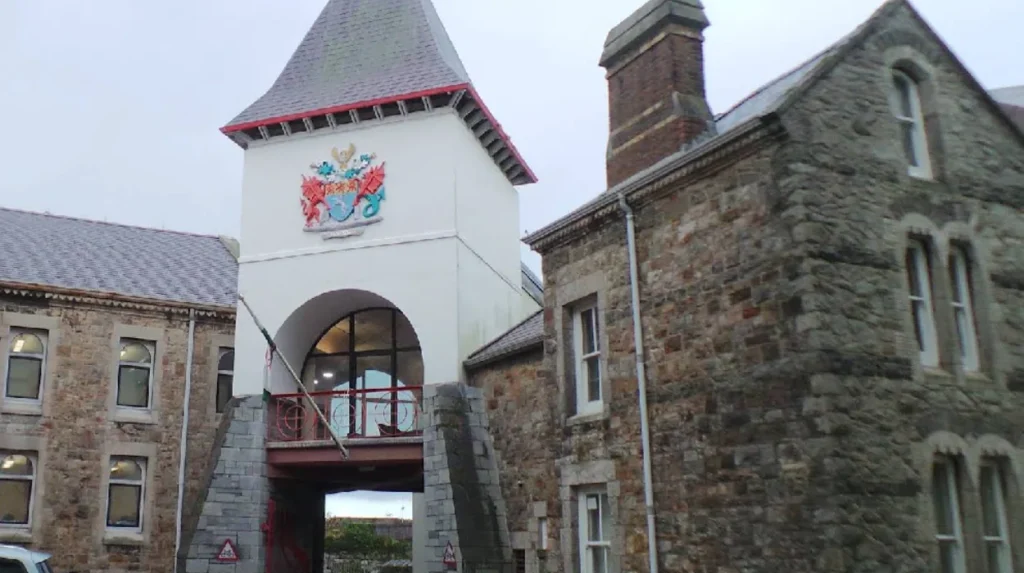
The North Wales Chronicle provides public interest journalism, local crime reports, municipal council politics, health system updates, human interest stories, regional business news, and high school or grassroots sports coverage across Gwynedd and Anglesey.
Public service journalism forms the foundation of the editorial output produced by the publication. Reporters attend statutory meetings held by Gwynedd Council and Isle of Anglesey County Council to report on municipal tax rates, planning permissions, and education budgets. Court reporting represents another primary pillar, with journalists covering trials, sentencing hearings, and coroner inquests conducted at regional magistrates and crown courts. These reports deliver transparent public records of legal proceedings, emergency service responses, and community safety matters.
Health and emergency service reporting tracks the operational status of major public assets across the region. The outlet covers developments within Betsi Cadwaladr University Health Board, monitoring hospital waiting times, facility upgrades, and administrative policy changes at Ysbyty Gwynedd in Bangor. Emergency coverage documents incident responses from North Wales Police, North Wales Fire and Rescue Service, and regional coastguard teams during critical events, road closures, or adverse weather events impacting public infrastructure.
Business, cultural, and athletic coverage highlights local economic performance and regional identity. The business section details high street developments, tourism metrics, commercial property sales, and local employment initiatives. Cultural reporting covers Welsh-language preservation efforts, local arts festivals, historical retrospective pieces, and civic celebrations. Grassroots sports reporting delivers detailed match summaries, league tables, and player profiles for local rugby clubs, football teams, and athletics associations competing in North Wales regional divisions.
How Has the Digital Era Transformed the North Wales Chronicle?
The digital era transformed the North Wales Chronicle from a traditional print-only weekly paper into an online platform featuring real-time news updates, mobile access, social media distribution, and targeted digital advertising capabilities.
Digital transformation accelerated during the late 2000s as consumer reading habits shifted away from physical print publications toward online news portals. The launch of a dedicated website allowed the editorial team to publish breaking news immediately rather than waiting for weekly print deadlines. Digital publishing expanded the outlet’s reach beyond local print subscribers, allowing expatriates and international readers to access news regarding North Wales instantly. Online article distribution relies on structured metadata, search engine optimization, and categorized news indexes to maximize article discoverability across global search platforms.
The integration of digital multimedia transformed traditional article presentation formats. Modern digital reporting incorporates embedded photographic galleries, video footage of local events, interactive map layouts for traffic incidents, and hyperlinked public documents. Content distribution expanded across major social media networks, enabling readers to share local reporting, comment on municipal issues, and submit community news tips directly to editors. Mobile application development further streamlined user access, delivering real-time push notifications for critical emergency updates and major regional events.
Commercial operations adapted alongside editorial workflows to sustain digital revenue models. Traditional display advertising in the print product was augmented by programmatically traded digital banner ads, sponsored local content, and targeted business directory listings. The adoption of digital analytics allows editors to measure audience engagement metrics, identifying high-interest topics such as public transport changes, crime updates, and local housing developments. This data-driven approach informs newsroom resource allocation while maintaining the core public interest mission of regional journalism.
Why Are Local Newspapers Like the North Wales Chronicle Important for Communities?
Local newspapers like the North Wales Chronicle are vital for democratic accountability, civic engagement, historical record preservation, social cohesion, and the survival of regional commercial markets.
Democratic accountability relies heavily on independent local media outlets monitoring public institutions. By maintaining journalists at council sessions, planning committees, and health authority board meetings, local news outlets prevent administrative overreach and ensure public funds are spent transparently. Investigative reporting on local policy changes gives residents the information required to participate meaningfully in local elections and public consultations. Without dedicated local news organizations, municipal governance decisions often occur without external scrutiny, reducing civic oversight and democratic participation.
Preserving the social record and fostering community identity represent secondary benefits of sustained regional journalism. Local publications record the ongoing social history of towns and villages, documenting births, marriages, deaths, civic achievements, and regional anniversaries. These records create a shared cultural memory that connects generations of residents within specific geographical boundaries. Furthermore, coverage of local charities, volunteer groups, and school events highlights community achievements that are rarely covered by national broadcasting networks.
Economic vitality across small municipalities is directly supported through dedicated regional advertising channels. Local newspapers provide small and medium-sized businesses with targeted platforms to reach immediate consumer bases within specific postal codes. Classified advertising sections facilitate local job recruitment, housing sales, public notice publishing, and service directory listings. By maintaining a reliable information network, local newspapers strengthen regional supply chains, encourage local spending, and support the broader economic health of regional communities.
Frequently Asked Questions
What areas does the North Wales Chronicle cover in its weekly news?
The North Wales Chronicle focuses primary reporting on North Gwynedd, Bangor, Caernarfon, and the Isle of Anglesey. It covers local council decisions, court proceedings, public health updates, regional business, and community events across these specific northern districts.
Is the North Wales Chronicle available online or only in print format?
The publication operates both a traditional print distribution network and an active digital news website. Readers can access real-time breaking news online via mobile or desktop, while weekly print editions are distributed across Gwynedd and Anglesey.
Who owns the North Wales Chronicle news publication today?
The North Wales Chronicle is owned by Newsquest, a major regional media publisher in the United Kingdom. It was previously managed by NWN Media Limited before being integrated into the broader Newsquest publishing network.
Where can I find historical archives of the North Wales Chronicle?
Historical archives of the paper, including early editions dating back to the 19th century, are stored at the National Library of Wales. Digital archives are accessible through the British Newspaper Archive online repository.
How do I submit a community news story or local press release to the paper?
Community stories, public notices, and press releases can be submitted directly through the official North Wales Chronicle website contact portal. Newsroom editors review incoming local submissions for inclusion in online breaking news or upcoming weekly print editions.