

Key Points
- Two-day closure of Oxford Street car park in Swansea city center
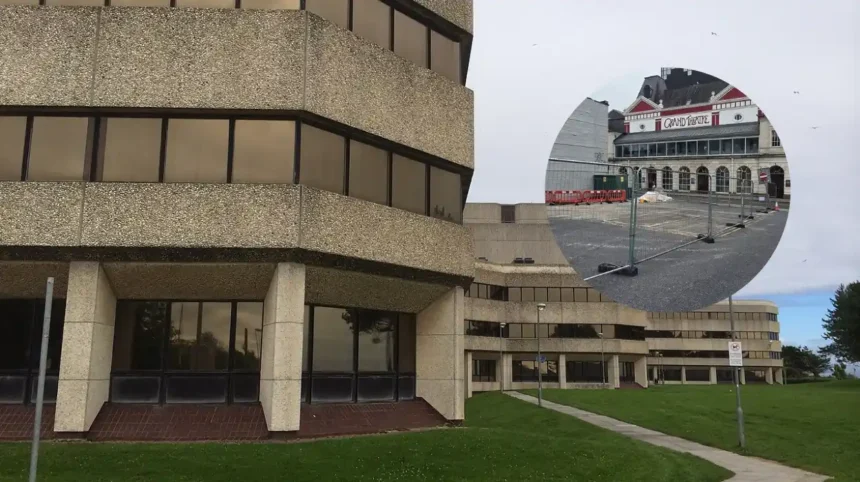
- The car park is situated next to the Grand Theater and caters for Swansea Market and other city shopping
- The car park has 62 parking spaces with 22 disabled spots operating 24 hours
- Quadrant Multi Storey Car Park is the nearest parking area located in Wellington Street
- Closure of this important parking area in Swansea city center
Swansea (Wales Times) September 28, 2026 – A busy uk/local/swansea/">Swansea city centre car park is to be closed for two days this week, affecting drivers seeking parking near key destinations including the Grand Theatre and Swansea Market. The Oxford Street car park, situated off Singleton Street with postcode SA1 3AZ, will be temporarily unavailable, prompting council officials to advise motorists to use alternative facilities in the area.
- Key Points
- Why is Oxford Street car park closing temporarily?
- What alternative parking options are available for Swansea visitors?
- How will the closure affect access to Swansea Market and Grand Theatre?
- What are the parking charges at alternative Swansea city centre facilities?
- When will Oxford Street car park reopen to the public?
- Background of the Oxford Street car park development
- Prediction: How will this closure affect Swansea city centre visitors and businesses?
Why is Oxford Street car park closing temporarily?
As reported by WalesOnline, the Oxford Street car park near the Grand Theatre is scheduled to close for two days during the current week. The temporary closure affects one of the city centre’s established parking facilities, which according to Swansea Council data provides 62 parking spaces including 22 designated disabled bays.
The car park operates on a 24-hour basis and holds a Park Mark Safer Parking award, indicating it meets recognised security standards. Standard parking charges at the facility range from £1.00 for up to one hour to £5.00 for stays up to 24 hours, with Blue Badge holders receiving concessional rates.
What alternative parking options are available for Swansea visitors?
Motorists affected by the closure have several alternative parking options in Swansea city centre. The nearest major facility is the Quadrant Multi Storey Car Park on Wellington Street, postcode SA1 3QR, which remains operational throughout the closure period.
According to information from the Swansea Grand Theatre’s official guidance, the Quadrant facility is recommended for theatre patrons and city centre visitors. The multi-storey car park offers validated parking with the first hour free when tickets are processed at participating premises.
Additional parking is available at the open-air pay and display car park in Singleton Street, directly opposite the theatre, which includes limited spaces with designated disabled parking bays. Street parking on Oxford Street itself operates with a one-hour maximum stay and charges apply between 10:00am and 6:00pm, seven days a week.
How will the closure affect access to Swansea Market and Grand Theatre?
The Oxford Street car park serves as a key parking facility for visitors to Swansea Market, the Grand Theatre, and surrounding city centre shops. The temporary two-day closure means patrons of these establishments will need to utilise alternative parking arrangements.
Swansea Council’s city centre car parks page lists multiple facilities across the central area, including locations on Garden Street between the former Debenhams building and the Quadrant multi-storey car park. Information on all council-operated car parks, including maps, charges, and season ticket purchase options, remains available through the council’s parking services portal.
The Grand Theatre, located at Singleton Street, Swansea SA1 3QJ, maintains a large drop-off area at its main entrance for visitors requiring accessible access. Blue Badge spaces are available in the pay and display car park on Singleton Street opposite the theatre premises.
What are the parking charges at alternative Swansea city centre facilities?
Parking charges across Swansea city centre vary by location and duration. At the Oxford Street facility itself, standard rates before the closure were £1.00 for up to one hour, £2.00 for up to two hours, £3.00 for up to three hours, £4.00 for up to four hours, and £5.00 for stays between four and 24 hours.
Blue Badge holders benefit from reduced rates, paying £1.00 for up to two hours, £2.00 for up to three hours, £2.00 for up to four hours, £3.00 for up to six hours, £4.00 for up to eight hours, and £5.00 for full 24-hour parking. Sunday rates at the facility are £2.00 for both standard and Blue Badge users.
On-street pay and display bays on Oxford Street operate with different terms, permitting a maximum stay of one hour with no return within three hours. These bays are open 24 hours but charges apply only between 10:00am and 6:00pm, seven days a week.
When will Oxford Street car park reopen to the public?
The temporary closure is scheduled to last for two days during the current week, after which the Oxford Street car park is expected to resume normal operations. The facility, which according to council records has 62 spaces and 22 disabled spaces, will return to its standard 24-hour operating schedule upon reopening.
Swansea Council advises that temporary closures may be implemented for various reasons including maintenance works, safety inspections, or operational requirements. The council’s temporary road closures page provides information on scheduled disruptions across the city, though specific details regarding this particular car park closure have not been published in advance notices.
Background of the Oxford Street car park development
The Oxford Street car park has served Swansea city centre for many years as a key parking facility for visitors to the city’s commercial and cultural attractions. Located off Singleton Street with postcode SA1 3AZ, the facility provides direct access to Swansea Market, one of Wales’ largest covered markets, and the Grand Theatre, a major regional performing arts venue.
The car park holds a Park Mark Safer Parking award, a national standard indicating the facility meets recognised security criteria including adequate lighting, clear signage, and regular patrols. The facility operates 24 hours a day, providing continuous parking availability for city centre visitors, workers, and residents.
Swansea Council manages multiple city centre car parks including facilities on Garden Street, Park Street East, and the Quadrant Multi Storey Car Park. Recent changes to city centre parking provision have seen the council take over operation of former NCP car parks at Orchard Street and the Kingsway, maintaining hundreds of parking spaces at reduced daily rates of £5.00.
Prediction: How will this closure affect Swansea city centre visitors and businesses?
The two-day closure of Oxford Street car park is likely to have measurable effects on parking availability and visitor patterns in Swansea city centre during the closure period. With 62 spaces temporarily removed from the city’s parking inventory, including 22 disabled bays, motorists will need to plan journeys more carefully and potentially allow additional time for parking.
Visitors attending events at the Grand Theatre or shopping at Swansea Market may experience increased pressure on alternative facilities, particularly the Quadrant Multi Storey Car Park and Singleton Street surface parking. This could result in longer search times for spaces and potentially higher parking costs for those requiring extended stays.
Local businesses in the vicinity of Oxford Street may see reduced footfall from drivers who opt for destinations with more convenient parking during the closure period. However, the relatively short duration of two days limits the potential economic impact, with most regular visitors likely to return once the facility reopens.
The closure underscores the importance of maintaining adequate parking capacity in city centres to support retail, leisure, and cultural activities. Swansea Council’s management of multiple facilities across the central area provides resilience against individual closures, though the temporary loss of a well-located facility will still be felt by regular users.