

Key Points
- What happened in the Caerphilly badger attack case?
- How many wildlife crimes go unpunished in the UK?
- What other wildlife crimes does the report highlight?
- What changes are campaigners calling for?
- Background of the particular development
- Prediction: How this development can affect wildlife conservation efforts
- An individual from Caerphilly received a jail term of 16 weeks along with an order banning him from keeping animals for life for the filming of badgers being stabbed, kicked, and attacked by dogs in October 2025.
- This incident is documented in the Wildlife and Countryside Link’s tenth annual Wildlife Crime Report that details 2,149 suspected wildlife crime incidents in 2025, yet only 41 convictions – below 2%.
- Six hundred and twenty-five suspected badger incidents occurred in 2025, and only 15 convictions; out of which 11 cases involved dogs that have been purposely incited to attack badgers.
- The Wildlife Crime Report advocates for stricter punishments, increased investigation resources, and notification to the Home Office of any major wildlife crime.
- Reports on wildlife cruelty increased from 904 in 2024 to 1,331 in 2025, whereas reports on illegal trapping increased more than two times to 415.
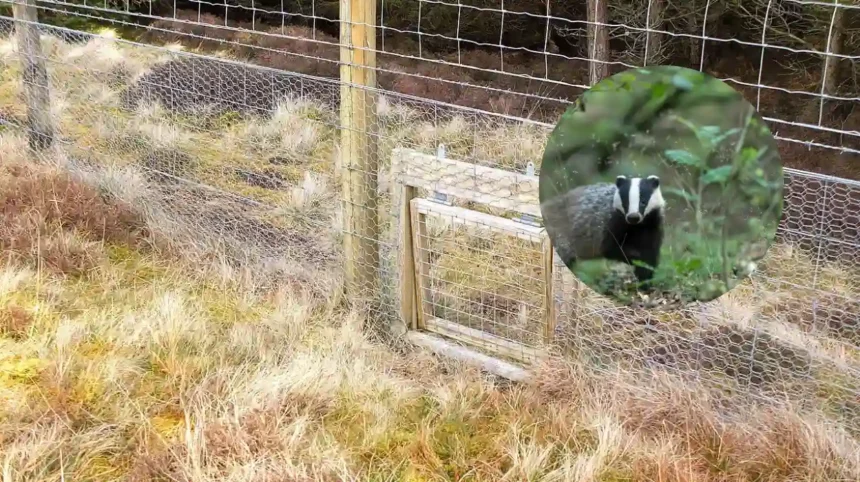
Wales (Wales Times) September 29, 2026 – A brutal attack on badgers in Caerphilly has been highlighted in a new report warning that thousands of suspected wildlife crimes are going unpunished across the UK. The incident, filmed in October 2025, led to Lloyd Gary Robert Davies, of Bryn Heol, Bedwas, being jailed for 16 weeks and banned from keeping animals for life following investigations by RSPCA Cymru and Gwent Police. Videos recovered from his phone showed lurchers attacking “vocalising, bloodied” badgers, with onlookers encouraging them to continue, and in one clip a man’s hand plunged a knife into an injured badger after it was kicked and savaged by dogs.
What happened in the Caerphilly badger attack case?
As reported by Nation.Cymru staff/agencies, the attack in Caerphilly was one of a number of incidents detailed in an annual report by Wildlife and Countryside Link (WCL), a coalition of nearly 100 environmental organisations, which is calling for tougher penalties and more resources to investigate wildlife crime. Newport Magistrates’ Court heard how Davies set lurchers on badgers, filmed the attacks, and shared them. The prosecution followed analysis of a mobile phone seized from him, which contained 13 videos showing lurchers attacking badgers, with onlookers encouraging them to continue. In one particularly disturbing video, a badly injured badger was stabbed with a knife following an assault by the dogs. Davies, 23, from Bryn Heol, Bedwas, located near Caerphilly in South Wales, set his lurchers, including his own dog Shirley, upon the wild creatures and even documented the gruesome events. He has now received a lifetime ban on animal ownership and was sentenced to 16 weeks in prison at Newport Magistrates’ Court.
How many wildlife crimes go unpunished in the UK?
The report says there were 2,149 reports of suspected wildlife crime in 2025 but only 41 convictions across the categories it examined – a rate of less than 2%. Campaigners say the figures are likely to represent only part of the problem because many offences go undetected, unreported or are not consistently recorded. There were 625 suspected incidents involving badgers during the year but only 15 convictions, 11 of which involved dogs being deliberately encouraged to harm them. Richard Benwell, chief executive of WCL, said: “This report exposes a horrifying catalogue of cruelty. When people can persecute wildlife with so little prospect of punishment, the law is failing the animals it is supposed to protect, which sends a dangerous signal that wildlife crime can be committed with impunity.”
What other wildlife crimes does the report highlight?
Elsewhere, the report details a hedgehog which died from injuries caused by a catapult attack in Berkshire and the trafficking of endangered animals. More than 250 endangered species and illegal wildlife products were seized at the UK border during an operation led by Interpol and the World Customs Organisation. Individual vehicles were found carrying more than 2,000 live tarantulas, rainbow boa constrictors and more than 100 endangered birds in poor conditions, with many already dead. The report also details allegations of wildlife being disturbed by tour boats in the Farne Islands, including seabirds knocking eggs from ledges and seals being frightened into the water.
Footage from spring 2025 showed a pod of six to eight orcas being chased and crowded by tour boats and displaying signs of stress. Investigations into the Farne Islands incidents were ongoing at the time of the report, with no prosecutions yet brought. Reports of wildlife abuse made to the RSPCA rose from 904 in 2024 to 1,331 in 2025. Reports of wild birds being beaten increased from 58 to 93, while improper killing reports rose from 158 to 246. Illegal trapping more than doubled from 188 reports to 415 the highest figure recorded since at least 2020 while intentional harm to wild animals increased from 645 to 848. Reports involving bats also rose from 157 to 191, with more than half of those in 2025 involving damage or destruction to a roost.
What changes are campaigners calling for?
WCL is calling on ministers to make at least 11 major wildlife crimes notifiable to the Home Office and increase penalties to bring them into line with those available for offences involving pets and livestock. It also wants sentencing guidelines for key wildlife crimes, action on the use of catapults and slingshots against animals, and mandatory training and permits for wildlife tour operators. Mr Benwell said:
“The Government has promised much-needed stronger penalties, but tougher sentences will mean little if offenders are never brought before a court. Ministers must make major wildlife crimes notifiable and give police the tools and resources they need, and strengthen sentencing and enforcement. Britain’s wildlife is already fighting for survival against habitat destruction and climate change. It should not also have to endure sickening and senseless cruelty.”
Background of the particular development
The Caerphilly case follows a pattern of badger persecution in Wales documented over several years. As reported by BBC Wales, previous investigations have exposed secret networks involved in badger baiting, with men filmed pulling cubs from the ground and setting dogs on them before killing them with spades. The Protection of Badgers Act 1992 bans people from injuring, killing or taking the animal or disturbing their setts.
In 2019, three men were jailed for badger baiting and animal cruelty following a probe by a BBC Wales TV programme, with one pleading guilty to 15 badger and animal cruelty offences. Another case saw two men jailed for causing unnecessary suffering to a badger by making it fight with dogs at a farm in Gwynedd, with the judge describing it as a “deliberate and planned venture to cause suffering”. The current case adds to this history, with Davies described in court documents as having persecuted badgers in “deliberate and sadistic” acts where mammals were filmed being stabbed, kicked and attacked by dogs.
Prediction: How this development can affect wildlife conservation efforts
This development is likely to intensify pressure on the UK Government to strengthen wildlife crime legislation and enforcement. With conviction rates remaining below 2%, conservation groups argue that without meaningful deterrents, wildlife crime will continue to undermine efforts to restore nature and recover species already under pressure. The report warns that wildlife crime poses a threat not only to individual animals but to the recovery of nature, and undermines progress towards the Government’s target to halt species decline.
If the recommended changes including making major wildlife crimes notifiable, increasing penalties, and introducing mandatory training for wildlife tour operators – are implemented, this could lead to higher conviction rates and greater protection for species such as badgers, bats, and birds of prey. However, without adequate resources for police and prosecutors, campaigners caution that even tougher sentences may have limited impact, as offenders may continue to act with impunity.