Key Points
- Youth members of The Wildlife Trust of South & West Wales’ Wilder Youth Forum have called this pollution incident devastating and are calling on all residents across Cardiff to become “River Guardians”.
- This pollution involved kerosene and was first reported on Friday 16 October 2026. It is said to have travelled more than 4km down the main River Taff channel.
- The source of the pollution was later found to be the GE Aerospace site outside Nantgarw. GE Aerospace said fuel from the site had entered the river due to repair work taking place there.
- According to Natural Resources Wales (NRW), the source of the pollution was located at 19:30 BST on 16 October. The pollution was later confirmed to have stopped on 21 October.
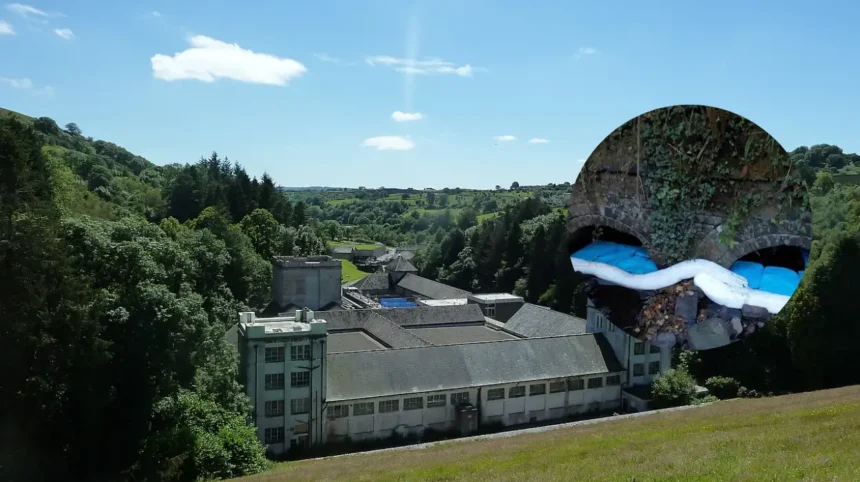
- NRW cooperated with South Wales Fire and Rescue Service to contain the pollution by placing absorbent mats and booms along the river to reduce the quantity of kerosene in the river.
- It was also reported that dead fish had been recovered during this incident. According to NRW and campaign sources, this pollution incident was not classified as a major fish-kill incident.
Cardiff (Wales Times) October 25, 2026 — Young environmental campaigners in south Wales have said they are devastated by a kerosene pollution incident on the River Taff, calling on people across uk/local/cardiff/">Cardiff to join a new network of River Guardians to help spot and report future pollution.
- Key Points
- What caused the River Taff kerosene spill?
- How far did the pollution spread?
- What has been the impact on wildlife?
- Why is the timing concerning for migratory fish?
- How are young campaigners responding?
- What action has been taken by regulators?
- What happens next in the investigation?
- Background of the River Taff pollution development
- Prediction: How the River Taff pollution may affect local communities
As reported by Nation Cymru staff, members of The Wildlife Trust of South & West Wales’ Wilder Youth Forum said the spill had reinforced the need for their Save Our Taff campaign, which has sought to protect the river since 2024. The group monitors river health, gathers evidence for a long-term pollution dataset, organises litter picks and river species identification sessions, and meets politicians and decision-makers to press for stronger protection of Welsh rivers.
The incident began after a fuel leak was first reported on Friday 16 October. According to Nation Cymru, the kerosene started in a small tributary before spreading more than 4km down the main River Taff channel. NRW said the source was identified at 19:30 BST that day and later confirmed that the source of pollution had stopped.
What caused the River Taff kerosene spill?
The leak was confirmed as coming from the GE Aerospace site outside Nantgarw. As reported by the BBC, GE Aerospace confirmed that fuel entered the river while repair work took place at its nearby site.
NRW said it was working to establish how the fuel entered the drainage system and reached the river. In its own update, the regulator said kerosene had entered an underground drainage system and spread into the Taff.
GE Aerospace said it was continuing to work closely with NRW to address the spill. As reported by AOL, the company said: “We are continuing to work closely with Natural Resources Wales to address a fuel spill that occurred during repair work at our site on Friday 16 October.”
How far did the pollution spread?
NRW said pollution was reported across several locations along the river, including Nantgarw, Treforest, Taffs Well, Glan-y-Llyn, Gwaelod-y-garth and Tongwynlais. The regulator said the kerosene had spread down almost 2.5 miles, or about 4km, of the river.
WalesOnline reported that people were told to avoid the area after the spill near Treforest. The outlet reported that officers identified the pollutant as kerosene, also known as paraffin or home heating oil, and said there were no natural sources of the substance.
Residents were advised to keep windows and doors closed. AOL reported that residents along the Taff received that advice after it emerged that thousands of litres of kerosene from the GE Aerospace site in Nantgarw, Rhondda Cynon Taf, had entered the river.
Some later reports gave a larger estimate of the volume involved. Envirolink reported that NRW said up to 25,000 litres of kerosene had entered the waterway, while The UK Pulse also reported the same figure. Those estimates were not included in the Wildlife Trust’s account or attributed directly to NRW in the Nation Cymru article.
What has been the impact on wildlife?
The full environmental impact has not yet been confirmed. Nation Cymru reported that large quantities of kerosene remained visible on the water’s surface days after the incident was first reported, despite the response by NRW and South Wales Fire and Rescue Service.
The Wildlife Trust said the fuel leak would “undoubtedly” have affected river wildlife. It explained that oils such as kerosene can coat the water surface and become stuck in the feathers, fur or skin of animals, reducing movement and, in extreme cases, causing suffocation or drowning. It also said animals can accidentally ingest oil, potentially leading to organ failure and death.
Dead fish were reported as part of the incident. Nation Cymru reported that the number was not sufficient to categorise the event as a major fish kill, while WalesOnline described “a significant number” of fish as having perished. NRW said dead fish had been recovered for analysis.
The Trust also warned that petroleum oils can dissolve, oxidise or be altered by bacteria, allowing them to move through the water column and into the riverbed. It said this could affect microbes, plants and invertebrates at the base of the food chain, with possible longer-term effects on species including kingfishers, otters, trout and salmon.
Why is the timing concerning for migratory fish?
The Wildlife Trust said the incident came at a particularly sensitive time for migratory fish. Salmon and sea trout begin spawning from October and continue through the winter, with many fish returning upstream from the sea to their spawning grounds.
According to the Trust, oil spills can have lethal consequences for developing fish eggs, with potential effects ranging from deformities in developing embryos to suffocation.
Lauren Conway, a member of the Wilder Youth Forum, said:
“Incidents like this threaten the very ecosystems we’re working so hard to protect. We need meaningful action and accountability to ensure our rivers and the wildlife that depend on them are protected. Wildlife cannot speak up when its habitats are damaged, but we can, and we should.”
How are young campaigners responding?
The Wilder Youth Forum has called for members of the public to join its Save Our Taff campaign as River Guardians. Through the scheme, the forum said it will train people to identify pollution incidents, report them quickly and help regulators respond efficiently.
Harry Hiscox, another forum member, said the kerosene spill was another example of harm to Wales’ remaining wild spaces. He said the River Taff had a long history of pollution, including sewage and heavy metals, and that the latest jet-fuel incident had inspired the Save Our Taff campaign.
“The River Taff has a long history of pollution: from sewage to heavy metals, and now, jet fuel,” Hiscox said, as reported by Nation Cymru. “This constant mistreatment of our local river inspired us to start the Save Our Taff campaign.”
He added that the movement brings together volunteers to conduct water sampling, engage communities and lobby politicians. He said the group wants a river “clean enough to swim in and healthy enough to support the ecosystems on which we all rely”.
Hiscox said the spill showed that the campaign for proper enforcement and regulation of river pollution in Wales was “more relevant – and urgent – than ever”.
Alex Griffiths, Wilder Engagement Officer at The Wildlife Trust of South & West Wales, coordinates the Wilder Youth Forum. Griffiths said: “While pollution incidents like this are devastating to see, we remain hopeful that together we can save our Taff.”
What action has been taken by regulators?
NRW said it responded quickly and worked closely with South Wales Fire and Rescue Service to limit environmental damage. The fire and rescue service placed absorbent mats and booms to contain as much kerosene as possible, according to AOL’s report.
NRW said action taken after the pollution was first reported had significantly reduced the amount of fuel reaching the river. It later confirmed that the source had stopped, although officers continued to assess environmental damage.
The Wildlife Trust said it applauded the measures taken by NRW to reduce the amount of fuel entering the river. It said it hoped investigations would show limited environmental damage, but added that it wanted appropriate measures to prevent a similar incident from happening again.
What happens next in the investigation?
NRW’s investigation remains focused on how fuel entered the drainage system and reached the River Taff. The regulator had identified the source on 16 October, but said it was still working to determine the route the kerosene took into the river.
The Wildlife Trust said it hoped the resulting investigations would demonstrate a limited amount of environmental damage. It has also called for accountability and preventive measures, while its youth forum continues to recruit River Guardians across Cardiff.
People who want to take part can find more information through The Wildlife Trust of South & West Wales’ Save Our Taff page.
Background of the River Taff pollution development
The River Taff flows through south Wales and has faced long-standing pollution pressures. The Wilder Youth Forum said the river’s history includes sewage and heavy-metal pollution, and that these concerns contributed to the launch of its Save Our Taff campaign in 2024.
The latest incident was first reported on 16 October 2026, when NRW received multiple reports of pollution in areas including Nantgarw, Treforest and Taffs Well. The regulator identified kerosene as the pollutant and said it had spread through an underground drainage system into the river.
GE Aerospace acknowledged that fuel entered the river during repair work at its Nantgarw site. NRW, South Wales Fire and Rescue Service and the company have been involved in the response, while the investigation into the drainage pathway and environmental consequences continues.
Prediction: How the River Taff pollution may affect local communities
For Cardiff residents and communities along the Taff, the immediate effect is likely to be greater caution around the river while NRW continues its assessment. People in affected areas had already been advised to avoid contact with the water and keep windows and doors closed during the early response.
For anglers, walkers, kayakers and community groups that use the Taff, the incident may increase demand for clear updates on water quality, wildlife impacts and when normal riverside activity can safely resume. The reported presence of dead fish and the potential risk to spawning salmon and sea trout may also heighten concern among conservation groups and local volunteers.
For the Wilder Youth Forum, the spill could strengthen recruitment for its River Guardian network. The group’s proposal would give more local people training to recognise pollution, report it quickly and support regulators’ response — a development that could increase community monitoring along the river if the campaign expands.
For businesses and public bodies, the case may put further attention on drainage systems, repair-work safeguards and pollution-prevention measures near watercourses. The Wildlife Trust has said it wants appropriate measures to prevent a repeat, while campaigners have called for stronger enforcement and regulation of river pollution in Wales.