Key Points
- North Wales Police has altered its policy for the management of silent or disconnected 999 calls emanating from remote and mountainous areas.
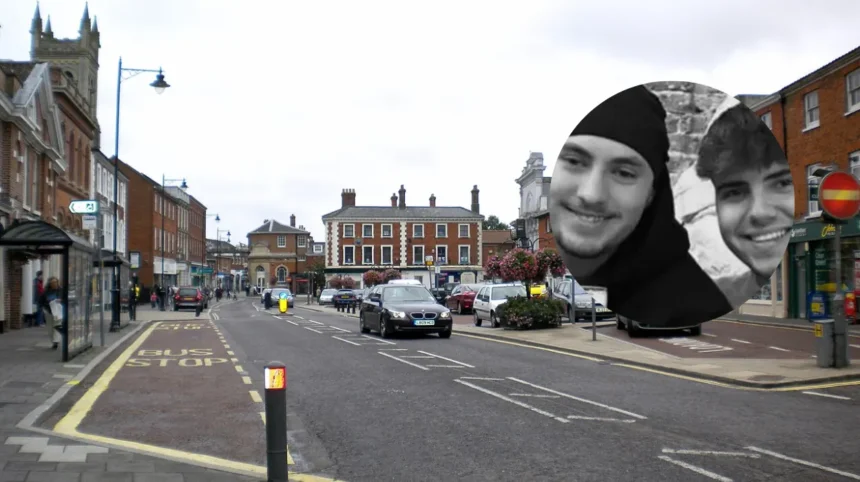
- This alteration of the policy resulted from the deaths of Jayden Long, 19, and Eddie Hill, 20, of Dereham, Norfolk, on Yr Wyddfa or Snowdon, in February.
- The two died on the Crib y Ddysgl ridge at 11:04am on 19 February, one day after the disconnected 999 call made by Mr. Long.
- During an inquest held in Caernarfon, it was revealed that police attempted to reconnect the call unsuccessfully and made limited efforts to trace the identity of the caller.
- According to Assistant Coroner Sarah Riley, it took over three hours before the mountain rescue services were alerted.
- While the inquest concluded that North Wales Police was not responsible for the deaths, Det. Constable James Lloyd stated that the situation was not elevated as it should have been.
- The police force revised its communication center policy in September 2026.
- According to the new guidelines, call handlers should consider alerting mountain rescue services when the caller’s location has been determined through EISEC and other location services such as GoodSAM.
Wales Police (Wales Times) October 28, 2026 — North uk/police/">Wales Police has revised the way its control room handles silent or disconnected 999 calls from mountainous areas, following the deaths of two young climbers whose emergency call was cut off on Yr Wyddfa, also known as Snowdon.
As reported by Police Oracle, the force changed its rules after Jayden Long, 19, and Eddie Hill, 20, both from Dereham in Norfolk, died while climbing the Welsh mountain in February. Their bodies were found on a mountain ridge in Eryri, also known as Snowdonia, on 19 February, a day after Mr Long called 999 and the call was disconnected.bbc.co+1
What Has North Wales Police Changed?
North Wales Police said it amended its communications centre policy in September 2026 to include specific guidance on silent or disconnected emergency calls from remote or mountainous locations. As reported by the BBC, call handlers are now expected to consider alerting mountain rescue teams where a caller’s location can be confirmed, and lessons from the incident have been shared with communications staff.
In a letter responding to the coroner, the force set out the new policy. As quoted by North Wales Live, WalesOnline and Metro, it states: “In the event of a silent or discontinued 999 call being received from a remote/mountainous location, if the location is confirmed via EISEC (BT-confirmed auto data) or other means of confirmation of location (eg GoodSAM Location Services) then consideration should be given to making the mountain rescue team aware for consideration of deployment if appropriate and relevant.”
The guidance means that a dropped or silent call will no longer be treated solely as a failed contact attempt. If the location can be verified, staff must consider informing a mountain rescue team so that it can assess whether deployment is appropriate.
Why Did the Policy Change?
The revision follows an inquest into the deaths of Mr Long and Mr Hill, who had travelled from Norfolk to climb Yr Wyddfa in February. According to Police Oracle, the climbers were found dead at 11.04am the following day after falling down steep terrain covered in ice and snow.
As reported by the BBC, Mr Long’s call to North Wales Police was disconnected the day before the bodies were discovered. Officers attempted to return the call, but those efforts were unsuccessful. The force also made only “limited” attempts to identify the owner of the phone.
Assistant coroner Sarah Riley told the inquest that it took more than three hours for mountain rescue services to be notified. The BBC reported that she warned police failings in the friends’ deaths could risk lives in future.
At an earlier hearing in September, Detective Constable James Lloyd, of North Wales Police’s professional standards department, told the inquest that although the control room attempted further contact with the 999 caller, “the incident wasn’t escalated as it should have been”. As reported by the Cambrian News, he said lessons had been learned and similar calls should be passed to mountain rescuers sooner so they could assess the situation.
What Did the Inquest Find?
The inquest, held in Caernarfon in September, found that North Wales Police was not responsible for the deaths of the two men. However, as reported by the North Wales Chronicle, the hearing examined the force’s handling of the disconnected 999 call and led to changes in its procedures.
The mountain rescue team told the inquest that it did not have enough information about the location or nature of the 999 call to act immediately. The BBC reported that this lack of information affected the immediate response.
The inquest heard that the two friends contacted police during extreme winter conditions. As reported by The Sun, their call was not escalated “as it should have been”, and no mountain rescue team was contacted until about three hours after the call.
What Is a Prevention of Future Deaths Report?
Assistant coroner Sarah Riley issued a Prevention of Future Deaths report after the inquest. Such reports are used when a coroner believes action should be taken to reduce the risk of similar deaths occurring in future.
As reported by the Eastern Daily Press, the report said North Wales Police received a disconnected call from Mr Long the day before the discovery of the bodies. He was heard saying “hello” and “can you hear me?” before contact was lost, and officers made unsuccessful attempts to call him back.
The report prompted a response from North Wales Police confirming the updated guidance. The force’s letter said the new approach applies where a remote or mountainous location is confirmed through EISEC, BT-confirmed automatic location data, or other means such as GoodSAM Location Services.
How Will the New Rules Work?
The revised policy focuses on the point at which a 999 call is received but then becomes silent or disconnected. Where the caller’s location can be confirmed, communications staff are instructed to consider making a mountain rescue team aware of the call for possible deployment.
The policy does not automatically require a rescue deployment in every case. Instead, it requires handlers to consider notifying mountain rescue when the circumstances and confirmed location make that relevant.
North Wales Police said the amendment was intended to strengthen its policies and protocols following the incident. The BBC reported that the learning from the case has been shared with communications staff.
Background of the Development
Jayden Long and Eddie Hill travelled from Norfolk to climb Yr Wyddfa in February. Their bodies were found by a mountain rescue team on the Crib y Ddysgl ridge on 19 February, after a major search operation across the Snowdonia mountains.
The inquest heard that Mr Long called 999 from the ridge, but the call was disconnected. Police tried to call him back without success, and the incident was not escalated to mountain rescue as quickly as it should have been.bbc.co
The case prompted scrutiny of the communication between police control rooms and mountain rescue teams in remote areas. The coroner’s Prevention of Future Deaths report and the force’s subsequent policy amendment form the basis of the latest development.bbc.co
Prediction: How This Could Affect Hillwalkers and Mountain Rescue Teams
For hillwalkers, climbers and visitors to Eryri, the change may lead to faster consideration of mountain rescue involvement when a 999 call drops in a remote location. If a caller’s phone location can be confirmed through EISEC or GoodSAM, rescue teams may be alerted earlier, even when the caller cannot continue speaking.
For mountain rescue teams, the policy could increase the number of early notifications about disconnected emergency calls. That may allow teams to assess potential incidents sooner, although deployments will still depend on whether the information and location justify a response.
For North Wales Police, the revised guidance is likely to place greater emphasis on identifying the location of silent or dropped calls from mountain areas. The force has said the change is intended to improve its response to similar emergencies in future.