
Key Points
- UK Chancellor John Healey has allocated an additional £30m in his Budget to progress the development of Cardiff Parkway railway station east of St Mellons, Cardiff.
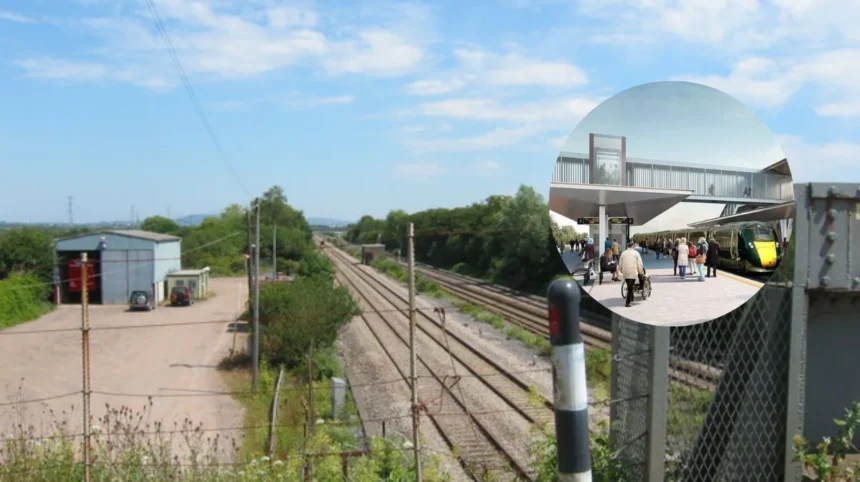
- Cardiff Parkway railway station will be built on greenfield sites and has been given planning permission for four tracks.
- Transport for Wales will take charge of the project in conjunction with Network Rail, the Welsh Government and the Department for Transport.
- The project was initially budgeted at around £120m and is currently going through a review of the costs.
- The initial cost model was based on private finance which was secured by way of revenue from long term car parking and leasing out the station.
- Cardiff Parkway Developments Limited (CPDL), a company mainly owned by Investec, is developing the proposed business park and the Welsh Government owns a 10% stake.
- Nigel Roberts, chairman of Cardiff Parkway Developments, praised the Chancellor’s appreciation of the project.
- Cardiff Parkway Station was among those Burns stations proposed following Welsh government abandoning the construction of the M4 Relief Road worth of £1bn in 2017.
Cardiff (Wales Times) October 28, 2026 — The UK Government has allocated £30m in the Budget to advance the delivery of the planned Cardiff Parkway railway station, a long-proposed mainline station on undeveloped land east of St Mellons in Cardiff. As reported by WalesOnline, Chancellor John Healey announced the funding as part of a wider package intended to support the project’s delivery and unlock the growth potential of the surrounding Cardiff Parkway development.
- Key Points
- Why is the £30m important for the station project?
- Where will Cardiff Parkway station be built?
- How does Cardiff Parkway fit into the Burns stations plan?
- What did Nigel Roberts say about the funding?
- Could Rolls-Royce invest at Cardiff Parkway?
- What does the investment zone mean for Cardiff Parkway?
- What other rail funding was announced?
- Background of the development
- Prediction: How could this affect commuters and local businesses?
The Budget document states:
“£30 million to advance the delivery of Cardiff Parkway railway station, collaborating the Welsh and the sector to the growth potential of the Cardiff Parkway development.”
The wording, as published by WalesOnline, indicates that the money is intended to move the scheme forward in collaboration with the Welsh Government and the rail sector.
The announcement was welcomed by Nigel Roberts, chairman of Cardiff Parkway Developments. As reported by WalesOnline, Mr Roberts said:
“I welcome the Chancellor’s recognition of Cardiff Parkway, and we are collaborating closely the Welsh, Transport Wales, Rail, the UK Government, and DfT to ensure the swift execution of this transformative project.”
The planned station has received planning approval for four platforms. According to WalesOnline, it will be delivered by Transport for Wales in collaboration with Network Rail, the Welsh Government and the Department for Transport.
Why is the £30m important for the station project?
The £30m provides a new public funding commitment for a project that had previously depended heavily on private finance. WalesOnline reports that private funding helped the Parkway project progress through planning and land acquisition stages, while also covering additional costs connected with the Welsh Government’s requirement for two public inquiries.
The original funding model relied on securing private finance against long-term car parking revenues and a long-term lease for the station’s operation. WalesOnline reports that this model has now been discarded, with Transport for Wales set to manage the project.
The station was previously projected to cost around £120m. WalesOnline says the project is now undergoing a cost reassessment, meaning the final cost and the full funding requirement may differ from the earlier estimate.
The £30m is separate from, but connected to, earlier Welsh rail funding. WalesOnline reports that initial funding for Parkway will be drawn from the £455m earmarked last year for rail initiatives in Wales over four years by former Chancellor Rachel Reeves during the ongoing spending review.
After spending including £90m for new rail developments, £77m for upgrades to Cardiff Central station and improvements on the Wales Main Line, approximately £300m remains available for rail improvement projects in Wales during that period, according to WalesOnline.
Where will Cardiff Parkway station be built?
The station is planned on greenfield, undeveloped land east of St Mellons, on the outskirts of Cardiff. WalesOnline describes the site as untouched fields to the east of the city, with the aim of stimulating regional development and attracting significant employers.
The proposed development includes an integrated business park, which will be developed by Cardiff Parkway Developments Ltd. WalesOnline reports that the company is largely owned by the financial services firm Investec, with other stakeholders including the Roberts family and the Welsh Government, which holds a 10% stake.
The location is intended to connect the eastern Cardiff area to the South Wales main line. The project forms part of a wider attempt to improve transport links between residential areas along the main line and the city centres of Cardiff and Newport.
How does Cardiff Parkway fit into the Burns stations plan?
Cardiff Parkway was not originally included among the Burns stations, according to WalesOnline. The Burns stations are intended to ease congestion on the M4 and the wider road network by improving rail connections between communities along the South Wales main line and the city centres of Cardiff and Newport.
The proposals follow the Lord Burns Commission, which was established by the Labour Welsh Government under Mark Drakeford after the decision to abandon the £1bn M4 Relief Road in 2017. WalesOnline reports that Parkway will now be developed alongside the initial stations at Undy and Magor.
Mark Hooper, the Welsh Government’s Transport Minister, recently confirmed that Cardiff Parkway, Undy and Magor are being prioritised as the first Burns stations, according to WalesOnline.
However, funding remains uncertain for other proposed Burns stations. WalesOnline reports that there is currently insufficient UK Government funding for other proposed stations, including those at Newport Road in Cardiff and Llanwern, Newport West and Somerton in Newport. Rail is not a devolved responsibility, and these projects remain in early design and pre-planning stages.
What did Nigel Roberts say about the funding?
Nigel Roberts, chairman of Cardiff Parkway Developments, welcomed the Chancellor’s recognition of the project. As reported by WalesOnline, he said the developer is working closely with the Welsh Government, Transport for Wales, Network Rail, the UK Government and the Department for Transport to ensure the swift execution of the project.
His statement positions the £30m as recognition of the scheme’s importance, while also emphasising continued cooperation between the private developer and public transport bodies. WalesOnline does not report a timetable for construction or an opening date for the station in the article.
The developer’s comments come as the project moves from a privately led funding approach towards delivery involving Transport for Wales and other public bodies. The change follows the abandonment of the original funding model based on car parking revenues and a long-term station lease.
Could Rolls-Royce invest at Cardiff Parkway?
Rolls-Royce has assessed the Cardiff Parkway site and believes it meets essential criteria for a significant hub investment, according to WalesOnline. The company’s submarine division already operates a satellite office at St Mellons Business Park.
WalesOnline reports that Rolls-Royce has been reviewing multiple sites across the UK. If the company decided to invest at Parkway, the development could generate thousands of highly skilled jobs.
The presence of a railway station and the advantages of a location outside the city centre are cited by WalesOnline as factors supporting the site’s suitability for a major hub investment. No investment decision by Rolls-Royce is reported in the article.
What does the investment zone mean for Cardiff Parkway?
The Cardiff Parkway site is part of the established investment zone in the Cardiff Capital Region, which WalesOnline says will receive £160m in UK Government funding over the next decade.
Other components of the investment zone include Imperial Park in Newport, home to companies including Vishay Intertechnology, IQE and KLA, and parts of the adjacent Tredegar Park, which hosts the Office for National Statistics. The zone also includes the Central Quay regeneration initiative south of Cardiff Central railway station and the Atlantic Wharf project in Cardiff Bay, which includes plans for a new indoor arena and a masterplan for up to one million square feet of mixed-use development.
WalesOnline reports a financial difference between the Welsh zone and government-backed zones in England and Scotland. In the Cardiff Capital Region, the city region will retain only 50% of additional business rates generated within the zone for reinvestment, with the UK Government receiving the remaining half. In England and Scotland, 100% of business rates generated can be retained.
The Cardiff Capital Region has advocated for full retention and is exploring financing projects within the zone by borrowing against projected future business rates through tax increment financing. WalesOnline reports that this approach will be constrained by the Welsh Government’s existing business rates retention policy.
The Parkway business park could use tax increment financing to fund essential infrastructure developments, which are anticipated to cost tens of millions of pounds, according to WalesOnline.
What other rail funding was announced?
The Budget also included £2.5m to expand the Menai Science Park on Anglesey in North Wales, pending a business case. WalesOnline reports that the funding is intended to provide additional space and support for small and medium-sized enterprises.
Plaid Cymru had sought a commitment of at least £1bn for rail investments in Wales from the Chancellor, according to WalesOnline. The £30m for Cardiff Parkway falls well below that requested figure.
WalesOnline also reports that, ahead of the Senedd election, former Prime Minister Keir Starmer pledged to fund £14bn worth of identified rail projects in Wales, although he did not provide a specific timeline. The article characterises this as a political commitment rather than a formal funding allocation from the Department for Transport or the Treasury.
The upcoming spending review, currently under way and due to be published next year, is described by WalesOnline as a critical test of the UK Government’s commitment to addressing years of underfunding in new rail projects across Wales. Rail investment remains a non-devolved matter.
Background of the development
The Cardiff Parkway project emerged from the wider debate over transport and economic development in south-east Wales following the Welsh Government’s decision in 2017 to abandon the £1bn M4 Relief Road. The Lord Burns Commission was subsequently established by the Labour Welsh Government under Mark Drakeford to consider alternatives, including improved rail connections.
The proposed Burns stations were intended to reduce pressure on the M4 and the wider road network by linking communities along the South Wales main line with Cardiff and Newport city centres. Although Cardiff Parkway was not initially among the Burns stations, it is now being developed alongside the first stations at Undy and Magor.
The station site lies on greenfield land east of St Mellons. The surrounding Cardiff Parkway development is proposed as an integrated business park, with Cardiff Parkway Developments Ltd as the developer. The company is largely owned by Investec, while the Roberts family and the Welsh Government are also stakeholders; the Welsh Government holds a 10% stake.
Private funding previously supported the project through planning and land acquisition, as well as the costs associated with two public inquiries required by the Welsh Government. The earlier funding model, which depended on long-term car parking revenues and a station operating lease, has now been discarded, with Transport for Wales expected to manage delivery.
Prediction: How could this affect commuters and local businesses?
For commuters in east Cardiff, Newport and surrounding communities, the £30m commitment could bring the planned station closer to delivery, although no construction timetable or opening date has been announced. If completed, a four-platform mainline station east of St Mellons could provide an alternative to road travel on the M4 and improve access to Cardiff and Newport city centres.
For local businesses and potential investors, the funding may increase confidence in the Cardiff Parkway business park by showing public-sector support for the transport infrastructure that underpins the site. The possible involvement of Rolls-Royce remains unconfirmed, but the reported assessment of the site indicates that major employers are considering the area’s transport links and location.
For taxpayers and rail campaigners in Wales, the announcement provides a concrete allocation for one station, but leaves questions about the remaining Burns stations and the wider rail investment gap. The next spending review is likely to be important in determining whether further Welsh rail projects receive comparable funding.