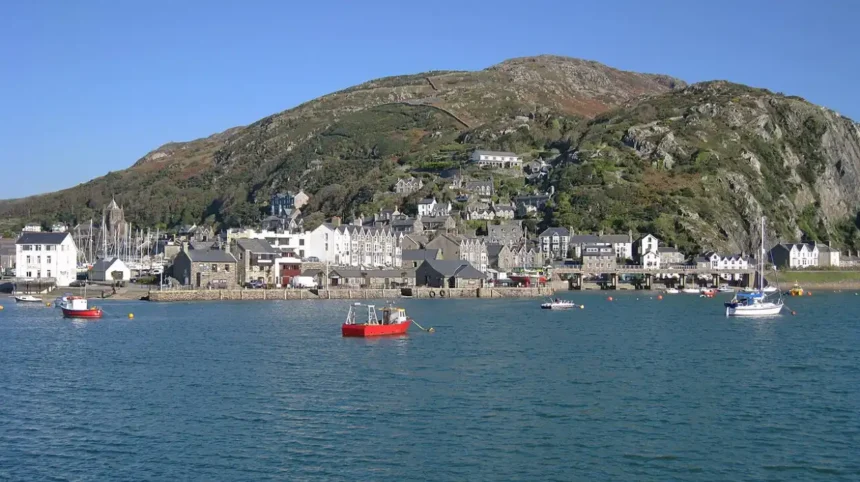
Barmouth Click to open side panel for more information is a historic seaside town located in Gwynedd, northwest Wales, positioned on the estuary of the River Mawddach and Cardigan Bay. As a prominent coastal settlement within the Snowdonia National Park region, it functions as a vital economic, cultural, and tourism hub for the local community. The town features a unique geography where mountainous terrain meets an expansive sandy coastline, creating distinct natural boundaries that shape its urban development and regional accessibility. Established historically as a shipbuilding and port center, it has evolved into a premier destination for heritage tourism, outdoor recreation, and coastal conservation studies.
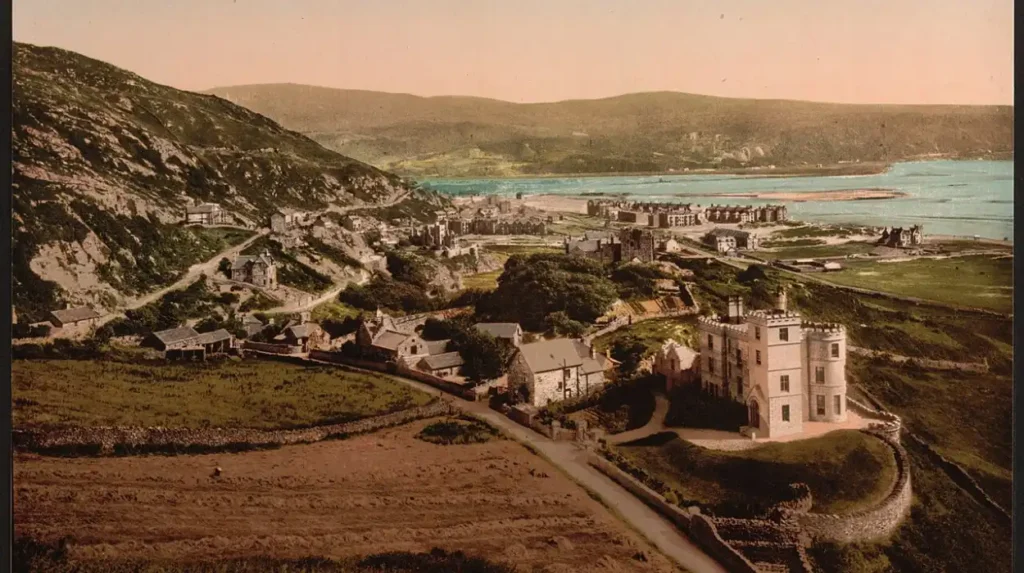
The historical evolution of the town traces back centuries, transitioning from a modest maritime port into a thriving Victorian holiday resort following the arrival of the railway in the nineteenth century. During the eighteenth and nineteenth centuries, the local economy relied heavily on shipbuilding, slate exporting, and cockle harvesting, which established its reputation as a hardworking industrial estuary. Historical records indicate that the population expanded significantly during the industrial revolution, drawing workers from surrounding agricultural valleys to support maritime trade routes connecting Wales with Liverpool and Ireland. Architectural landmarks such as the Ty Gwyn medieval tower house and the historic navigation lights reflect this deep maritime heritage, preserved through local conservation efforts.
Key geographical and structural components of the settlement include its unique positioning at the mouth of the Mawddach estuary, flanked by the craggy slopes of the Rhinogydd mountains. The physical infrastructure encompasses the iconic Barmouth Bridge, a wooden viaduct constructed in the eighteen sixties that carries the Cambrian Coast railway line across the estuary. Residential and commercial zones are densely packed into a narrow coastal strip, featuring steep slate-roofed terraced streets that climb the hillside to offer panoramic views across Cardigan Bay. Essential municipal amenities, including local governance offices, schools, and healthcare facilities, support a permanent resident population augmented annually by hundreds of thousands of visitors.
The operational mechanisms driving the tourism and retail sectors involve coordinated municipal planning, seasonal event hosting, and sustainable conservation management overseen by local authorities. Visitors engage with the environment through organized walking trails, water uk/sports/">sports, and heritage tours that highlight the ecological significance of the Mawddach salt marshes. Local businesses operate under regional guidelines designed to protect the fragile coastal ecosystem while maintaining economic viability through hospitality, retail, and outdoor adventure services. Public transport links, managed by regional rail and bus operators, facilitate steady visitor flows throughout the peak spring and summer operating seasons.
Real world examples of community and regional development are visible in the ongoing maintenance of the Barmouth Viaduct and the revitalization of the historic harbor area for leisure boating. Conservation projects led by national park authorities demonstrate how local stakeholders protect native flora and fauna while accommodating high volumes of seasonal foot traffic along the coastal paths. Cultural initiatives, including annual walking festivals and maritime celebrations, showcase local traditions and draw participants from across the United Kingdom and international locations. These practical applications illustrate how a traditional Welsh coastal town adapts to modern economic demands while preserving its historical identity.
Data compiled by regional tourism boards and national statistical agencies indicate that Barmouth attracts upwards of five hundred thousand annual visitors, generating millions of pounds for the local economy. Research conducted by environmental agencies highlights the ecological importance of the adjacent Mawddach Estuary Special Area of Conservation, home to rare bird species and complex tidal habitats. Demographic studies show a stable resident population alongside a high percentage of second homes and holiday accommodations, reflecting its enduring appeal as a lifestyle and retirement destination. These quantitative metrics provide a clear benchmark for evaluating the ongoing infrastructural and economic needs of the region.
The broader implications of managing a historic coastal town involve balancing economic growth driven by tourism with the urgent need to protect infrastructure against rising sea levels and climate change. Local planning policies increasingly focus on sustainable development, renewable energy integration, and coastal defense reinforcements to safeguard residential and commercial properties against extreme weather events. Furthermore, maintaining transport connectivity via the Cambrian Coast line remains vital for preventing rural isolation and supporting regional mobility for residents and visitors alike. Ultimately, the ongoing stewardship of Barmouth serves as a critical case model for coastal management within protected national landscapes.
What Are the Primary Historical Milestones That Shaped Barmouth?
Historical records demonstrate that Barmouth developed from a small fishing hamlet into a bustling maritime port and later a premier Victorian seaside resort.
The early origins of the settlement are rooted in maritime trade and fishing, with historical documents from the fifteenth century referencing local maritime activities along the Mawddach estuary. During the medieval period, the local population engaged in coastal trading, utilizing small sailing vessels to transport slate, timber, and agricultural goods to domestic and international markets. The construction of the medieval building known as Ty Gwyn around the fifteenth century highlights the early strategic importance of the location as a defended trading post. Over subsequent centuries, the expansion of shipbuilding yards along the estuary transformed the local economy into a thriving center for commercial seafaring.
The industrial revolution brought significant economic diversification to the town, marked by the export of Welsh slate and the establishment of local tanning and textile industries. In the nineteenth century, the maritime fleet based at the port grew substantially, enabling local captains to trade extensively across European and transatlantic routes. Historical census data from this era reveal a diverse demographic comprising mariners, merchants, shipwrights, and agricultural workers who contributed to a vibrant urban community. This industrial peak left a lasting architectural legacy, visible in the robust stone warehouses and elevated terraced housing that define the older sections of the town.
The advent of the railway in eighteen sixty-eight fundamentally altered the economic trajectory of the settlement, shifting its primary focus from heavy industry to leisure and tourism. The Cambrian Railways network connected the isolated coast with major urban centers in England and Wales, facilitating an influx of holidaymakers seeking sea air and scenic landscapes. Guesthouses, hotels, and promenade facilities were rapidly constructed to accommodate the burgeoning tourist trade, establishing the town as a favored destination for Victorian travelers. This transition marked the decline of local shipbuilding and the birth of the modern service-oriented economy that persists today.
Real world examples of this heritage preservation are evident in the Barmouth Sailors Institute, which preserves artifacts, logs, and photographs from the golden age of sail. Local heritage trails guide visitors through historical sites, connecting the upper hillside dwellings with the bustling harborfront and explaining the socio-economic shifts of the past two centuries. Architectural conservation areas ensure that nineteenth-century shopfronts and Victorian street layouts remain intact, providing tangible links to the era of railway expansion. These preservation efforts are maintained through partnerships between local historical societies and national heritage bodies.
Statistical records from historical archives document that the port registered over one hundred vessels during the mid-nineteenth century, representing a significant concentration of maritime capital in North Wales. Demographic figures show that the population peaked during the height of the slate export boom before stabilizing with the shift toward a tourism-based economy. Research into local parish registers provides detailed insights into migration patterns, occupational structures, and mortality rates among families who lived and worked in the port during the industrial era. These data points allow historians to construct an accurate profile of the community’s evolution over time.
The implications of this rich historical background extend into contemporary tourism marketing, urban planning regulations, and cultural identity preservation within the modern community. Understanding the industrial and maritime roots helps planners contextualize modern infrastructure challenges, such as adapting historic buildings for contemporary commercial and residential use. Furthermore, celebrating this heritage fosters civic pride and supports educational initiatives that engage younger generations with local history. Consequently, the past remains an active driver of economic and cultural vitality for the settlement.
How Does the Geography and Environment Influence Barmouth?
The unique topography combines a sheltered estuary, extensive sandy beaches, and mountainous backdrops to create a diverse ecological and recreational environment.
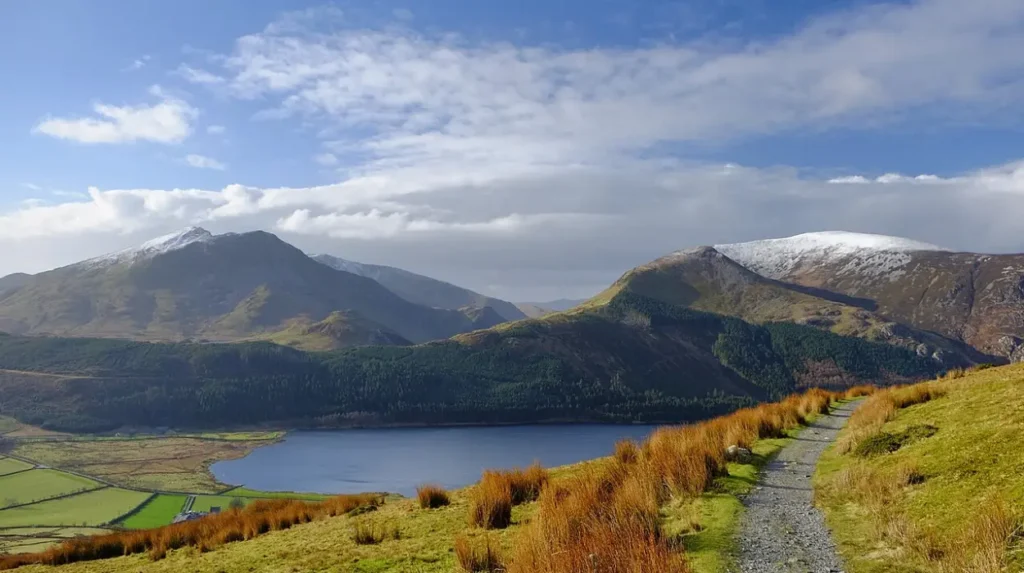
The geographical formation of the area is defined by the meeting point of the River Mawddach and Cardigan Bay, creating a vast estuarine ecosystem characterized by mudflats and salt marshes. Surrounding the town, the steep terrain of the southern Snowdonia National Park rises sharply, providing dramatic visual contrast and establishing natural boundaries that limit outward urban sprawl. The coastal strip features miles of uninterrupted sandy shores backed by sand dunes, which act as natural sea defenses against tidal surges. This convergence of marine, riverine, and upland environments generates a microclimate that supports specialized flora and fauna.
The ecological significance of the local environment is formally recognized through protected status designations, including the Mawddach Marsh Site of Special Scientific Interest and European conservation areas. These protected habitats support diverse populations of wading birds, migratory waterfowl, and rare saltmarsh plants that thrive in the brackish estuarine waters. Environmental monitoring programs conducted by conservation organizations track water quality, bird nesting habits, and dune stability to ensure long-term ecological health. Human interaction with this landscape is carefully managed through designated boardwalks, educational signage, and restricted access zones during sensitive breeding seasons.
Physical infrastructure must adapt continuously to these environmental pressures, particularly given the vulnerability of coastal roads and rail lines to severe weather and tidal erosion. Engineers employ a combination of hard engineering defenses, such as sea walls and groynes, alongside soft engineering techniques like beach nourishment and dune restoration. The maintenance of the Mawddach Estuary requires ongoing sediment management to keep navigation channels clear for leisure craft and prevent excessive silting. These environmental engineering measures are funded through regional government grants and managed by specialized coastal defense authorities.
Real world examples of environmental management in action include the restoration projects around the Dinas Oleu headland, the first piece of land acquired by the National Trust. Conservation teams work to remove invasive plant species, maintain public walking paths, and protect fragile cliff habitats from erosion caused by heavy foot traffic. Similarly, estuarine conservation initiatives involve local volunteers and scientists monitoring oyster beds and fish stocks to assess the health of the marine ecosystem. These practical interventions demonstrate a commitment to preserving the natural assets that attract visitors to the region.
Scientific research data indicates that estuarine environments like the Mawddach play a crucial role in carbon sequestration, absorbing significant quantities of atmospheric carbon within their mudflats and vegetation. Meteorological records for the region show average annual rainfall exceeding one thousand five hundred millimeters, driven by moist Atlantic winds hitting the mountainous terrain. Biodiversity surveys document dozens of rare invertebrate and avian species residing within the protected marshlands, making the area a focal point for ornithological study. These research findings underpin regional environmental policies and conservation funding allocations.
The implications of these environmental characteristics for the future involve heightened vulnerability to climate change, sea-level rise, and increased frequency of severe storm events along the Welsh coast. Local authorities must integrate climate adaptation strategies into all future urban development plans, ensuring that residential areas and critical transport links remain resilient. Public education campaigns are essential for fostering community awareness regarding conservation ethics and sustainable interaction with fragile natural habitats. Ultimately, the preservation of the physical environment dictates the long-term viability of the local economy and community well-being.
What Transport Infrastructure Connects Barmouth to the Region?
Integrated rail, road, and bus networks link the coastal settlement to major economic centers across Wales and the wider United Kingdom.
The primary rail connection is the historic Cambrian Coast line, which operates between Machynlleth and Pwllheli, providing passenger services across the rugged western coastline. This railway infrastructure includes the famous Barmouth Bridge, a wooden viaduct that requires specialized engineering maintenance to ensure safe passage across the wide estuary. Road access is primarily facilitated by the A four nine six coastal route, connecting the town southward toward Dolgellau and northward toward Harlech and Porthmadog. Regional bus services complement these primary arteries, offering frequent connections to surrounding rural villages and remote hiking trailheads.
The operational mechanisms governing these transport networks involve coordination between national transport agencies, regional councils, and private rail operating companies. Timetables are structured to accommodate both daily commuters and seasonal tourists, with increased service frequencies implemented during peak spring and summer holiday periods. Infrastructure maintenance teams conduct regular inspections of tracks, bridges, and road surfaces to address wear caused by harsh coastal weather conditions and high traffic volumes. Funding for these operations is derived from a mix of central government allocations and regional transport authority budgets.
Real world examples of transport connectivity include the integration of bicycle-friendly carriage spaces on Cambrian Coast trains, supporting cycle tourism along regional routes like the Mawddach Trail. Upgrades to station facilities and the implementation of real-time passenger information displays enhance the overall travel experience for visitors arriving without private vehicles. Strategic road improvement projects along the A four nine six help alleviate seasonal traffic congestion in narrow town center streets, improving emergency vehicle access. These infrastructural enhancements demonstrate a proactive approach to modern mobility challenges in rural coastal settings.
Statistical data from transport authorities show that passenger journeys on the Cambrian Coast line fluctuate significantly between winter lows and summer peaks, often doubling during August bank holidays. Traffic census figures indicate that thousands of private vehicles enter the coastal corridor daily during the peak tourist season, placing heavy demands on local parking infrastructure. Punctuality and reliability metrics for regional rail services are monitored continuously to meet performance standards established by national regulators. These datasets inform future capital investment decisions and service planning priorities.
The implications of maintaining robust transport links are critical for the economic survival of rural Welsh communities, preventing demographic decline and supporting local commerce. Reliable connectivity ensures that residents can access higher education, specialized medical care, and employment opportunities outside the immediate coastal zone. Furthermore, encouraging rail travel over private car use aligns with national carbon reduction targets and helps mitigate congestion within protected national park areas. Sustained investment in transport infrastructure remains a foundational pillar for the region’s sustainable future.
What Economic and Tourism Factors Drive the Modern Economy of Barmouth?
A diverse service sector centered on hospitality, outdoor recreation, and retail underpins the local economy, supported by seasonal tourism revenue.
The economic structure relies predominantly on small and medium-sized enterprises, including hotels, guesthouses, cafes, pubs, and independent retail shops catering to visitors. Unlike industrialized urban centers, the manufacturing and agricultural sectors play minor roles, though traditional fishing and local craft production maintain a modest presence. The seasonality of tourism creates distinct employment patterns, with a high demand for hospitality staff during spring and summer followed by quieter winter months. Local business associations collaborate with municipal authorities to promote off-season events, aiming to extend the tourism window throughout the year.
The mechanisms of economic generation involve aggressive destination marketing, digital tourism platforms, and participation in regional branding campaigns managed by Visit Wales. Businesses invest in upgrading accommodation standards and diversifying their service offerings to meet the expectations of modern travelers seeking experiential and sustainable holidays. Municipal authorities contribute by maintaining public realm improvements, beach cleanliness standards, and organized entertainment schedules that enhance the overall visitor appeal. Economic development grants assist local enterprises in adopting digital technologies and improving energy efficiency.
Real world examples of economic diversification include the proliferation of specialized outdoor adventure companies offering paddleboarding, kayaking, and guided mountain biking excursions. Local food producers leverage the regional culinary identity, supplying fresh seafood and Welsh lamb to local hospitality venues participating in farm-to-fork initiatives. Annual festivals, such as music events and walking weeks, draw concentrated visitor spending during shoulder months, mitigating the financial risks of extreme seasonality. These commercial strategies illustrate successful adaptation to changing consumer preferences in the domestic holiday market.
Economic research data indicates that tourism expenditure in the Gwynedd region generates hundreds of millions of pounds annually, supporting thousands of direct and indirect jobs. Survey figures reveal that the typical visitor demographic comprises families, outdoor enthusiasts, and older adults seeking scenic tranquility and cultural heritage experiences. Employment statistics demonstrate a heavy reliance on part-time and seasonal labor within the hospitality sector, prompting ongoing recruitment challenges for local employers. These economic indicators provide essential benchmarks for measuring regional prosperity and labor market stability.
The broader implications of this tourism-dependent economic model include vulnerability to broader macroeconomic shifts, cost-of-living fluctuations, and housing affordability pressures for permanent residents. The high concentration of second homes and holiday rentals can inflate property prices beyond the reach of local families, leading to demographic imbalances. Consequently, policymakers face the complex challenge of fostering sustainable economic growth while protecting community cohesion and ensuring affordable housing availability. Addressing these structural challenges is vital for maintaining a vibrant, year-round resident population in the coastal town.
Frequently Asked Questions
What is the best time of year to visit Barmouth?
The optimal time to visit is between May and September when weather conditions are warmest and outdoor attractions operate at full capacity. During these months, seasonal cafes, boat tours, and heritage sites are fully open for travelers. Spring and early autumn also offer quieter trails and pleasant scenery for walking enthusiasts.
Are dogs allowed on the beaches in Barmouth?
Dog restrictions apply to the main resort beach areas between May first and September thirtieth to ensure public safety and cleanliness. However, designated dog-friendly zones remain accessible year-round north and south of the main bathing areas. Visitors should check local council signage upon arrival for specific boundary details.
How do I get to Barmouth without a car?
Travelers can easily reach the town via the scenic Cambrian Coast railway line operating from Machynlleth and other major rail hubs. Regular daily train services connect passengers directly to the local station located near the town center and harbor. Regional bus routes also link the settlement to surrounding towns throughout Gwynedd.
What outdoor activities are available near Barmouth?
Popular outdoor pursuits include walking the famous Mawddach Trail, hiking up Dinas Oleu, and engaging in water sports like paddleboarding and kayaking. The surrounding Snowdonia National Park provides extensive opportunities for mountain biking, rock climbing, and nature photography. Guided outdoor adventure tours operate locally during peak seasons.
Is Barmouth suitable for families with young children?
The destination offers wide sandy beaches, safe paddling zones, traditional amusement arcades, and family-friendly walking routes suitable for all ages. Ice cream parlors, parks, and accessible coastal paths ensure a comfortable experience for visitors traveling with toddlers and young children. Seasonal events and local playgrounds provide additional entertainment options for families.