Bluestone National Park Resort is a five-star luxury holiday destination situated across 500 acres of rolling countryside in Pembrokeshire, southwest Wales, near the historic town of Narberth. The resort falls partially within the official boundaries of the Pembrokeshire Coast National Park, providing a protected natural backdrop for visitors. Established in July 2008, the destination operates as a self-contained village featuring timber lodges, pedestrianized community zones, and extensive outdoor recreation facilities. The geographic positioning places visitors within close proximity to regional landmarks such as Canaston Bridge and coastal attractions across southwest Wales. Approximately 200,000 guests visit the holiday park annually to experience its unique combination of environmental preservation and modern hospitality infrastructure.
The operational framework of the resort centers on sustainable tourism principles, minimizing vehicle emissions through a pedestrianized central village policy. Electric golf buggies and bicycles serve as the primary modes of internal transport for guests navigating the terrain between accommodations and activity centers. The surrounding landscape encompasses native woodlands, deep valleys, and restored agricultural land that supports local biodiversity initiatives managed by environmental teams. Local partnerships ensure that regional produce, Welsh crafts, and historical narratives are integrated directly into the daily guest experience. The integration of luxury holiday infrastructure within a nationally protected park boundary establishes a distinct model for commercial leisure management in the United Kingdom.
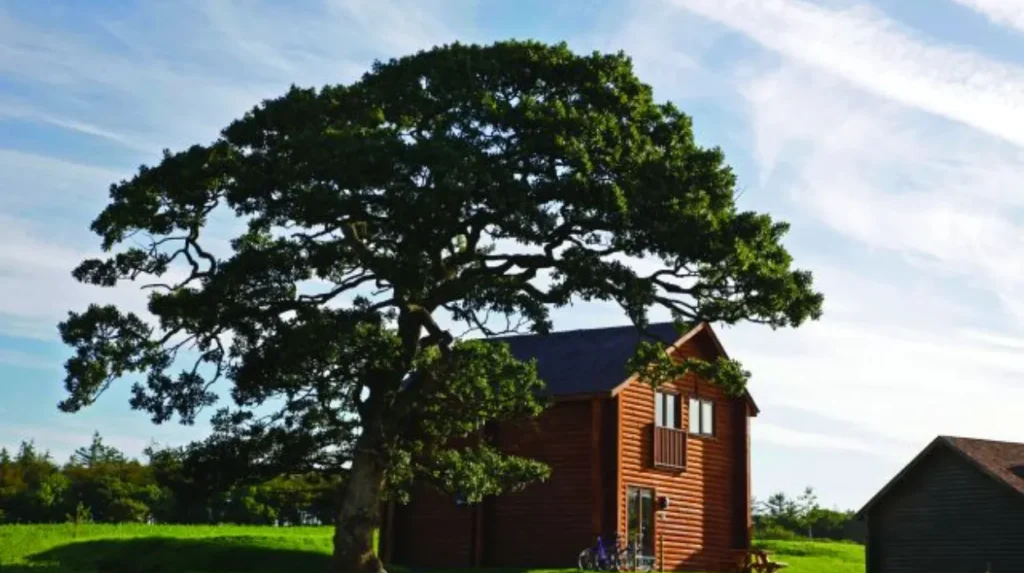
Accommodation options within the property range from studio apartments to sprawling platinum lodges capable of housing large family groups across multiple bedrooms. Each timber-clad structure is designed to blend visually with the surrounding forestry while offering contemporary amenities such as modern kitchens, open-plan living areas, and private outdoor decking. Central village facilities include retail units, restaurants, cafes, and community meeting spaces that mimic the architectural layout of a traditional Welsh hamlet. The proximity to major arterial routes allows travelers from England and various parts of Wales to access the site efficiently via the A40 corridor.
Future development strategies for the destination emphasize carbon reduction targets, renewable energy integration, and expanded eco-tourism offerings for international and domestic travelers. Collaborative agreements with Pembrokeshire County Council ensure that commercial expansion aligns with strict regional planning policies and conservation mandates. Ongoing investments target enhanced waste management systems, water recycling protocols, and the continuous protection of local wildlife habitats across the sprawling estate. These operational measures reinforce the positioning of the destination as a leading advocate for responsible outdoor hospitality within the British tourism sector.
How Did Bluestone Park Wales Develop And Evolve Historically?
The historical evolution of Bluestone Park Wales began with initial planning proposals submitted in the early 2000s to transform former agricultural land into a premier regional holiday destination. William McNamara founded the venture with a vision to create a sustainable tourism hub that would stimulate the local economy of southwest Wales. Construction commenced following extensive environmental impact assessments designed to protect local flora, fauna, and watercourses within the Pembrokeshire landscape. The official opening took place in July 2008, introducing hundreds of timber lodges and community amenities to the domestic travel market during a challenging economic period.
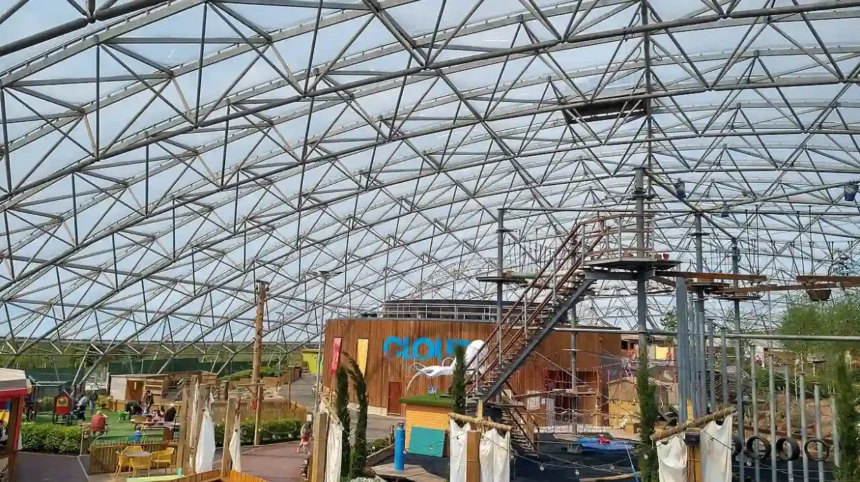
Initial operational phases focused on establishing core attractions, including the Blue Lagoon Water Park and the internal pedestrian village layout to encourage low-impact guest movement. Subsequent years saw significant capital investment directed toward expanding accommodation capacity, introducing weather-proof recreational zones, and upgrading energy efficiency systems across the estate. The introduction of the Serendome in later years provided a massive semi-covered umbrella structure housing adventure play areas, theatrical stages, and dining outlets regardless of seasonal weather conditions. This structural addition transformed the resort into a year-round operational model rather than a strictly seasonal summer destination.
Economic contributions from the resort grew steadily, establishing the enterprise as one of the largest private-sector employers within the Pembrokeshire region, supporting approximately 700 direct jobs. Training partnerships with regional educational institutions ensured a steady pipeline of skilled hospitality professionals entering the local workforce across catering, maintenance, and guest services divisions. Infrastructure enhancements also involved collaborations with local authorities to improve road access, public transport links, and utility networks surrounding the Narberth area. These developments strengthened regional supply chains, benefiting local farmers, food producers, and independent retail suppliers throughout southwest Wales.
Recent strategic milestones include securing planning approvals for additional luxury lodges and committing to comprehensive carbon-neutral operational roadmaps by designated target decades. Management teams have consistently adapted to shifting consumer preferences by emphasizing wellness tourism, outdoor adventure pursuits, and heritage-focused dining experiences such as the restoration of Black Pool Mill. Through continuous adaptation and adherence to its founding environmental mandates, the resort has maintained high occupancy rates and secured numerous national tourism awards. This historical trajectory illustrates how large-scale leisure developments can mature while respecting rural conservation requirements.
What Key Facilities And Attractions Are Available At Bluestone Park Wales?
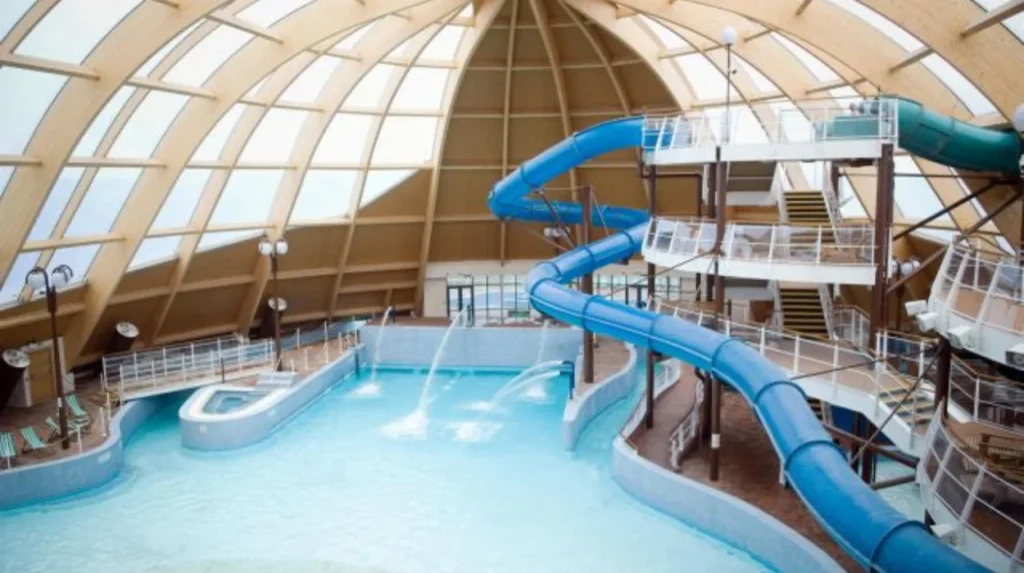
Bluestone Park Wales offers over 100 indoor and outdoor activities, featuring the Blue Lagoon Water Park, the Serendome, the Well Spa, and extensive woodland adventure trails. The Blue Lagoon Water Park operates as a subtropical indoor facility heated by biomass energy systems, housing wave pools, lazy rivers, and high-speed flumes suitable for all age groups. The Serendome functions as the United Kingdom’s largest transparent umbrella structure, protecting guests while hosting high-wire adventure courses, interactive water features, and live theatrical performances. These primary anchors ensure that families and group travelers experience diverse recreational opportunities regardless of external weather conditions.
Wellness facilities are anchored by the award-winning Well Spa, which provides bespoke therapeutic treatments, thermal rooms, hydrotherapy pools, and relaxation lounges utilizing organic product lines. Outdoor adventure pursuits are concentrated in the Steep Ravine area, where instructors guide participants through zip lines, climbing walls, bushcraft workshops, and kayaking sessions on the resort lake. Younger visitors engage with structured play zones, woodland fairy trails, and educational sessions highlighting local ecology and conservation practices across the estate. These diverse offerings cater to varied demographic segments, ranging from multi-generational families to corporate team-building delegations.
Culinary infrastructure across the estate includes multiple restaurants, gastropubs, and specialty food outlets emphasizing locally sourced Pembrokeshire ingredients, fresh seafood, and traditional Welsh recipes. The restoration of the historic Black Pool Mill near the resort boundary offers a high-end dining venue housed within a meticulously preserved nineteenth-century flour mill. Retail spaces within the central village provide provisions, gifts, and outdoor apparel, reducing the need for guests to travel off-site during their stay. Centralized guest services coordinate equipment rentals, itinerary planning, and transport assistance to ensure seamless navigation of the expansive grounds.
Accommodation infrastructure comprises over 400 self-catering units categorized into studio lodges, traditional wooden cabins, premium detached chalets, and elite platinum lodges. Each category provides fully equipped kitchens, spacious dining zones, high-speed internet access, and sustainable heating technologies designed to minimize environmental footprints. Platinum lodges elevate the guest experience further by including complimentary electric golf buggies for the duration of the stay, private hot tubs, and premium interior furnishings. This tiered accommodation model accommodates various budgetary requirements while maintaining high architectural and environmental standards across the entire resort.
How Does Bluestone Park Wales Implement Sustainable Tourism Practices?
Bluestone Park Wales integrates regenerative tourism principles across its operations, focusing on carbon reduction, woodland conservation, renewable energy generation, and local community engagement. Renewable energy initiatives include operating a large-scale biomass plant that supplies heating and hot water to the main leisure facilities, significantly lowering fossil fuel dependency. Waste management protocols emphasize comprehensive recycling programs, organic food waste composting, and strict single-use plastic reduction targets across all retail and dining outlets. Water conservation measures utilize advanced monitoring systems and sustainable drainage designs to protect local river catchments within the Pembrokeshire Coast National Park ecosystem.
Biodiversity preservation forms a cornerstone of the resort environmental strategy, with dedicated conservation teams managing woodland restoration, wildflower planting, and wildlife corridor maintenance. Native species such as bats, badgers, and migratory birds benefit from undisturbed protected zones established across the 500-acre estate. Educational programs engage visiting families in conservation tasks, tree planting exercises, and guided nature walks led by trained environmental rangers. These initiatives foster environmental awareness among younger generations while directly contributing to regional habitat health and ecological resilience.
Economic sustainability is reinforced through robust local supply chain policies that prioritize regional Welsh farmers, independent breweries, and artisan manufacturers for retail and catering inventory. Employment practices emphasize fair living wages, comprehensive staff training programs, and career progression pathways within the hospitality sector. Community outreach initiatives involve charitable partnerships, sponsorships of regional uk/sports/">sports teams, and providing accessible recreational spaces for local residents. This localized economic focus ensures that tourism revenue circulates effectively within the Pembrokeshire economy rather than leaking to external corporate entities.
Future environmental targets include achieving net-zero operational carbon emissions through fleet electrification, enhanced smart-grid energy management, and expanded solar photovoltaic installations across roof spaces. Independent environmental audits regularly evaluate performance metrics, ensuring transparency and accountability in meeting stringent national green tourism accreditation standards. Management collaborates closely with Welsh government agencies to align corporate growth strategies with national climate emergency action plans and biodiversity targets. These rigorous practices demonstrate that commercial leisure operations can successfully balance luxury hospitality standards with proactive environmental stewardship.
What Economic And Social Impacts Does Bluestone Park Wales Generate?
Bluestone Park Wales generates significant economic value for southwest Wales by contributing millions of pounds annually to the regional gross domestic product and supporting hundreds of jobs. The direct employment of approximately 700 individuals makes the resort one of the primary economic anchors within the Narberth and wider Pembrokeshire districts. Indirect economic benefits extend to secondary supply chains, including agricultural producers, construction contractors, transport providers, and independent hospitality vendors throughout the region. Visitors spending money at local off-site attractions, historic castles, and independent shops further amplify the positive financial footprint of the resort.
Social impacts include the provision of comprehensive professional training schemes, apprenticeships, and youth employment pathways that retain young talent within rural Welsh communities. Community engagement initiatives involve opening select amenities to local residents, hosting charitable events, and supporting regional arts and cultural festivals. Accessibility initiatives ensure that facilities accommodate guests with diverse mobility needs, providing inclusive recreational environments for disabled visitors and multi-generational families. These inclusive social practices foster positive community relations and reinforce the resort role as a constructive corporate citizen within Pembrokeshire.
Tourism dispersal effects encourage visitors to explore secondary attractions across west Wales, reducing overcrowding at honey pot coastal sites and distributing economic benefits more evenly. Visitors frequently travel to nearby heritage sites, coastal paths, and market towns, supporting small businesses throughout the shoulder and winter seasons. Regional tourism boards utilize the success of the destination in marketing campaigns designed to position Wales as a premier year-round destination for domestic and international travelers. This collaborative promotional framework elevates the global profile of Welsh tourism infrastructure.
Challenges associated with high visitor volumes include managing rural traffic density, addressing affordable housing pressures for local workers, and balancing seasonal labor fluctuations. Management actively addresses these challenges by investing in staff accommodation solutions, promoting green transport alternatives, and engaging in transparent community dialogue through regular consultation forums. Continuous monitoring of social and economic indicators ensures that future operational adjustments align with the long-term well-being of the local population. Through balanced stewardship, the enterprise demonstrates how large-scale tourism can coexist harmoniously with rural community interests.
Frequently Asked Questions
Is Bluestone Park Wales open all year round?
Bluestone Park Wales operates throughout the entire year, welcoming guests across all four seasons. Seasonal events, indoor attractions like the Serendome, and heated aquatic facilities ensure continuous operations during autumn and winter months.
How do visitors get around inside Bluestone Park Wales?
The resort operates as a pedestrian-friendly village where cars are parked in designated perimeter lots upon arrival. Guests navigate the 500-acre estate on foot, bicycles, or rented electric golf buggies available for daily or full-stay periods.
Can day visitors access Bluestone Park Wales without staying overnight?
Access to the resort is primarily restricted to overnight resident guests booked into the lodges or chalets. Certain spa packages, dining experiences at external venues like Black Pool Mill, or specific event tickets may occasionally permit external day visitors.
How close is Bluestone Park Wales to the Pembrokeshire coast?
The resort is situated in the heart of the Pembrokeshire countryside, partially within the National Park boundary. Popular coastal towns, beaches, and dramatic cliff walks of the Pembrokeshire Coast Path are reachable within a twenty to thirty-minute drive.
What types of accommodation are available at Bluestone Park Wales?
Accommodation options include modern studio apartments, traditional timber cabins, detached wooden lodges, and luxury platinum lodges. These units accommodate party sizes ranging from couples up to large family groups of fourteen guests.