The relationship between Wales and Argentina represents a unique cross-continental bond defined by nineteenth-century migration, cultural preservation, and intense modern sporting rivalries. This international connection began in 1865 when Welsh emigrants traveled to South America to establish an autonomous community known as Y Wladfa in the Chubut Province of Patagonia. Over more than 150 years, this migration created an enduring bilingual enclave where the Welsh language, cultural festivals, and traditional architecture continue to flourish alongside Argentine customs. Beyond historical settlement, the connection extends into international athletics, where both nations compete regularly in high-profile rugby union test matches.
- Why Did Welsh Settlers Establish a Colony in Patagonia Argentina?
- How Did Y Wladfa Develop and Expand Across Chubut Province?
- What Is the Status of the Welsh Language and Culture in Argentina Today?
- What Is the Sporting History Between the Wales and Argentina National Rugby Teams?
- How Do Cultural and Diplomatic Exchanges Strengthen Modern Relations?
- Frequently Asked Questions
Why Did Welsh Settlers Establish a Colony in Patagonia Argentina?
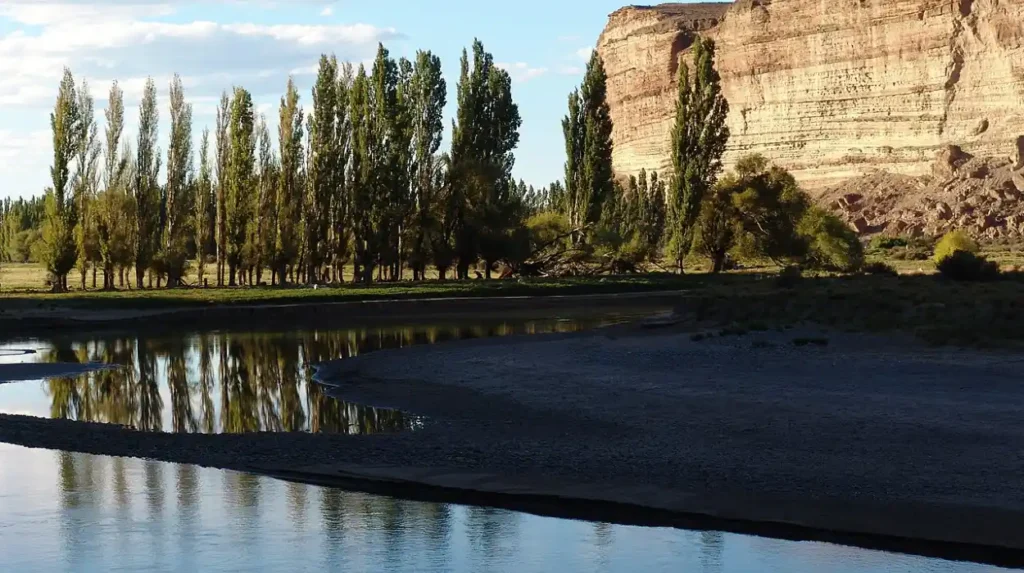
Welsh emigrants selected Patagonia in 1865 to protect their native language, Nonconformist religious faith, and traditional identity from growing assimilation in Great Britain. During the nineteenth century, industrialization and English-only educational policies threatened to erode traditional rural Welsh culture across Great Britain. Leaders like Reverend Michael D. Jones sought an isolated geographic region where a Welsh-speaking society could operate without external political or linguistic pressure. The Argentine national government agreed to grant land along the Chubut River to populate its southern frontier region.
On May 28, 1865, a group of 153 settlers departed from Liverpool aboard a converted tea clipper vessel named the Mimosa. The colonists landed on July 28, 1865, at Porth Madryn, establishing the initial settlement site near present-day Puerto Madryn. The early years presented extreme challenges due to arid soil, harsh winds, and unpredictable flooding. The colony survived by constructing irrigation canals linked to the Chubut River and building peaceful trade relationships with the indigenous Tehuelche people.
How Did Y Wladfa Develop and Expand Across Chubut Province?
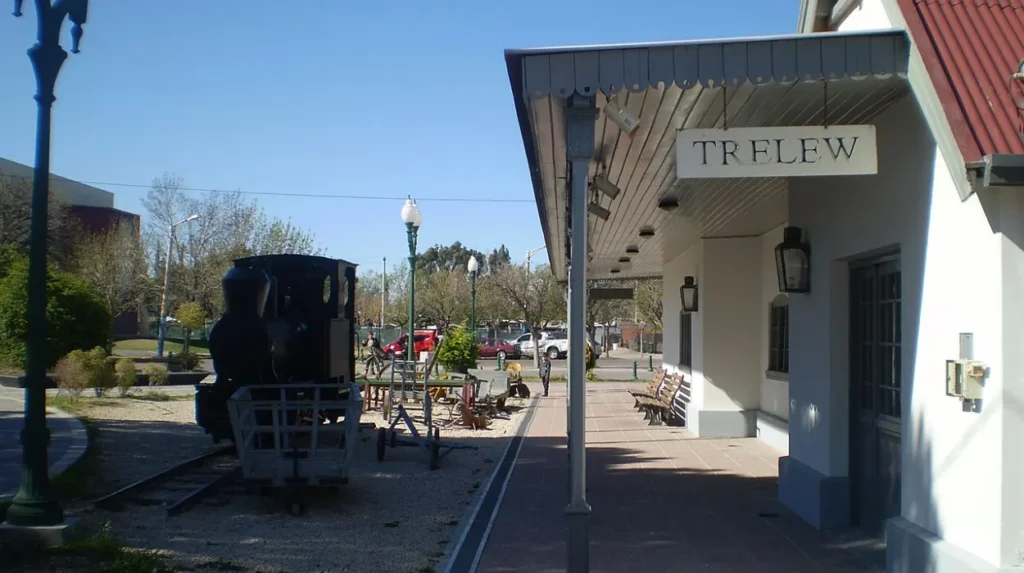
The settlement expanded throughout the late nineteenth and early twentieth centuries as further waves of Welsh migrants arrived in South America. Agricultural success in the lower Chubut Valley allowed settlers to construct permanent towns, chapels, and civil infrastructure. Key urban centers emerged at Rawson, Trelew, Gaiman, and Dolavon, featuring distinct Welsh architectural designs and street names. By the late 1880s, pioneering families pushed further west into the Andean foothills to establish Cwm Hyfryd, founding the towns of Trevelin and Esquel.
The agricultural economy relied heavily on wheat cultivation, livestock raising, and cooperative trade systems. Settlers constructed the Chubut Central Railway in 1886 to transport harvested crops from inland farms directly to the coast. Local governance initially operated under Welsh legal codes before fully integrating into the administrative framework of Argentina. Educational institutions taught students in both Welsh and Spanish, ensuring that cultural traditions persisted across multiple generations.
What Is the Status of the Welsh Language and Culture in Argentina Today?
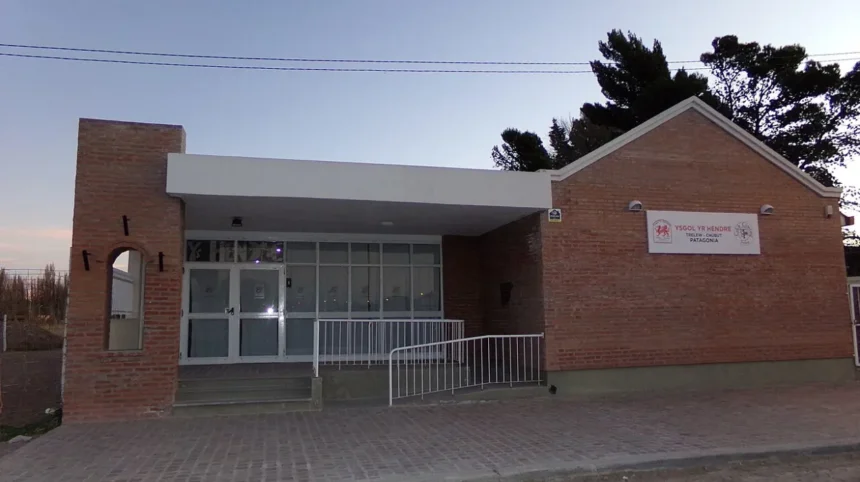
The Welsh language remains active in Chubut Province, with thousands of residents speaking or studying Patagonian Welsh. Cultural preservation efforts receive support through the Welsh Language Project, which sends teachers from Wales to conduct immersion classes and language courses across local schools. Annual cultural festivals known as Eisteddfodau take place in Trelew and Trevelin, featuring competitive performances in poetry, music, and prose. Traditional Welsh tea houses, known as Casas de Té Galesas, serve black tea and traditional Bara Brith fruit bread throughout Gaiman and Trevelin.
Historic Nonconformist chapels built from local red brick remain prominent architectural landmarks throughout the Chubut Valley. Every year on July 28, communities celebrate Gwyl y Glaniad, or Landing Day, to commemorate the arrival of the Mimosa. Strong diplomatic and educational exchanges continue between academic institutions in Wales and municipal authorities in Argentina. The regional dialect spoken in Patagonia retains distinct vocabulary and phonology shaped by decades of close contact with Spanish.
What Is the Sporting History Between the Wales and Argentina National Rugby Teams?
The national rugby union teams of Wales and Argentina maintain a competitive international rivalry that began with their first official test meeting in 1990. Over 27 official test matches, Wales holds the head-to-head advantage with 15 victories, while Argentina has secured 10 wins alongside 2 drawn matches. The fixture alternates regularly between stadiums in Wales, such as the Principality Stadium in uk/local/cardiff/">Cardiff, and venues across Argentina, including Buenos Aires, San Juan, and Santa Fe.
In major international tournaments, Argentina defeated Wales 29–17 during the 2023 Rugby World Cup quarter-finals in Marseille. Subsequent test matches include a 52–28 victory for Argentina in Cardiff during the 2025 Autumn Nations Series, followed by a 35–21 win for Argentina in San Juan in July 2026. Both nations view these international test series as crucial fixtures for global rankings and tactical development.
How Do Cultural and Diplomatic Exchanges Strengthen Modern Relations?
Modern relations between Wales and Argentina extend beyond historical heritage into active economic, academic, and civic partnerships. Sister-city agreements link municipalities in Wales with towns across the Chubut Valley to encourage student exchanges and tourist traffic. Heritage tourism forms a major part of the economy in Gaiman and Puerto Madryn, attracting international visitors interested in nineteenth-century colonial history.
Educational programs funded by cultural organizations promote bilingual research, archive digital historical records, and preserve early settler manuscripts. Musical ensembles and literary figures frequently travel between both countries to participate in collaborative workshops and national Eisteddfod events. These ongoing initiatives ensure that the unique historical connection formed in 1865 remains vibrant and relevant in the modern era.
Frequently Asked Questions
What is Y Wladfa in Argentina?
Y Wladfa is the Welsh-speaking settlement established in the Chubut Province of Patagonia, Argentina, in 1865. It was founded by emigrants seeking to preserve their language, culture, and religious traditions away from British influence. Today, the region retains vibrant Welsh cultural traditions, language programs, and historical architecture.
Do people still speak Welsh in Patagonia?
Yes, several thousand residents in the Chubut Province speak or study Patagonian Welsh today. The language is kept alive through local schools, community immersion courses, and formal support from visiting teachers from Wales. Annual cultural events like the Eisteddfod also promote Welsh poetry and music across the region.
When did the first Welsh settlers arrive in Argentina?
The first group of 153 Welsh settlers arrived at Puerto Madryn in Patagonia on July 28, 1865, aboard the ship Mimosa. They established agricultural settlements along the Chubut River Valley with the approval of the Argentine government. This historic landing is celebrated annually across Chubut as Landing Day or Gwyl y Glaniad.
Which team leads the head-to-head rugby record between Wales and Argentina?
Wales leads the overall head-to-head rugby union record against Argentina with 15 wins out of 27 test matches, compared to 10 wins for Argentina and 2 draws. However, Argentina has won recent international encounters, including matches in the 2023 World Cup and subsequent international test series.
What are the main Welsh towns located in Argentina?
The primary Welsh towns in Argentina are located in the Chubut Province and include Trelew, Gaiman, Rawson, Dolavon, Trevelin, and Puerto Madryn. These towns feature traditional Welsh chapels, tea houses, street names, and cultural centers that reflect their settlement heritage.