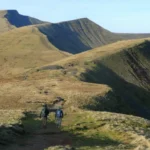
Castlemartin is a rural parish and community situated in the south western corner of Pembrokeshire within the historic county of Dyfed in west Wales. The settlement occupies a limestone plateau defined by exposed coastal cliffs that drop precipitously into the Celtic Sea and the Bristol Channel. The local topography consists primarily of flat to gently rolling agricultural land interspersed with ancient field boundaries and low stone walls. The surrounding coastline features dramatic geological formations including collapsed sea caves, blowholes, and isolated rock stacks sculpted by relentless wave action.
- What Historical Events And Heritage Define The Village Of Castlemartin?
- What Is The Role And Impact Of The Castlemartin Military Training Range?
- What Biodiversity And Ecosystems Exist Along The Castlemartin Coastline?
- What Tourism And Recreational Opportunities Are Available Near Castlemartin?
- Frequently Asked Questions
The nearest urban settlement of significant size is the historic town of Pembroke which lies approximately seven miles to the east. Access to the area is facilitated by narrow country lanes that wind through open farmland and connect directly to the B4319 coastal route. The total land area of the community encompasses several square miles of terrain that transitions smoothly from arable fields to maritime heathland. The absolute geographical coordinates place the parish near latitude fifty one point six degrees north and longitude five point zero degrees west.
The proximity of the Atlantic Ocean dictates a maritime climate characterized by mild winters, cool summers, and persistent prevailing westerly winds. Precipitation is distributed throughout the calendar year with autumn and winter months experiencing higher rainfall totals and stronger gale force winds. The soil composition is predominantly shallow and well drained over a solid limestone base which limits certain types of intensive agriculture while supporting hardy pasture. Natural vegetation communities along the periphery include salt tolerant maritime species such as sea thrift, rock spurrey, and various lichens clinging to exposed rock faces. Inland sections support hedgerows composed of blackthorn, hawthorn, and hazel that provide critical wildlife corridors for local bird and mammal populations. The absence of heavy industrial development within the immediate coastal fringe preserves an exceptional level of rural tranquility despite its strategic military usage. Hydrological features are minimal on the surface due to the porous nature of the underlying limestone geology which allows rainwater to drain rapidly into subterranean aquifers. These geographical parameters combine to create a distinct microenvironment that separates this southern Pembrokeshire peninsula from the mountainous terrain of northern Wales.
What Historical Events And Heritage Define The Village Of Castlemartin?
Castlemartin possesses a rich medieval heritage anchored by ancient architectural landmarks and centuries of documented land ownership transitions following the Norman conquest. The placename itself derives from a medieval uk/local/swansea/castle/">castle established by Martin de Tours, a Norman knight who accompanied William the Conqueror and seized lands in south Pembrokeshire during the late eleventh century. The original fortification was constructed as a ringwork or motte and bailey structure designed to secure the newly acquired territory against native Welsh resistance. Adjacent to the former castle site stands the parish church of Saint Michael which dates back to the twelfth century and exhibits classic transitional Norman and Early English architectural features. The church building features a robust defensive tower, a steeply pitched slate roof, and thick stone walls constructed from locally quarried carboniferous limestone. Historical parish records indicate that the surrounding lands were heavily contested during medieval border conflicts between local Welsh lords and the Marcher barons. Over succeeding centuries the agricultural economy of the parish stabilized under the stewardship of various landed estates including the Cawdor family holdings.
Archaeological surveys throughout the parish have identified numerous prehistoric burial mounds, iron age promontory forts, and Romano British artifacts that confirm continuous human habitation for millennia. The defensive significance of the southern Pembrokeshire coastline persisted through successive historical eras as monarchs recognized the vulnerability of these western approaches to foreign invasion. During the nineteenth century the local population peaked as tenant farmers and agricultural labourers worked the fertile soils to supply growing industrial markets in south Wales. However twentieth century geopolitical shifts transformed the social fabric of the community when the British government requisitioned vast tracts of land for military training purposes. This compulsory purchase order altered historical farming patterns and required the relocation of several local families while preserving the ancient structural skeletons of abandoned homesteads. Despite these sweeping alterations the architectural footprint of the medieval parish church and fragmented stone ruins continue to anchor the historical identity of the region. Local heritage conservation groups collaborate with regional authorities to document remaining structures and ensure that centuries of rural history remain accessible to researchers.
What Is The Role And Impact Of The Castlemartin Military Training Range?
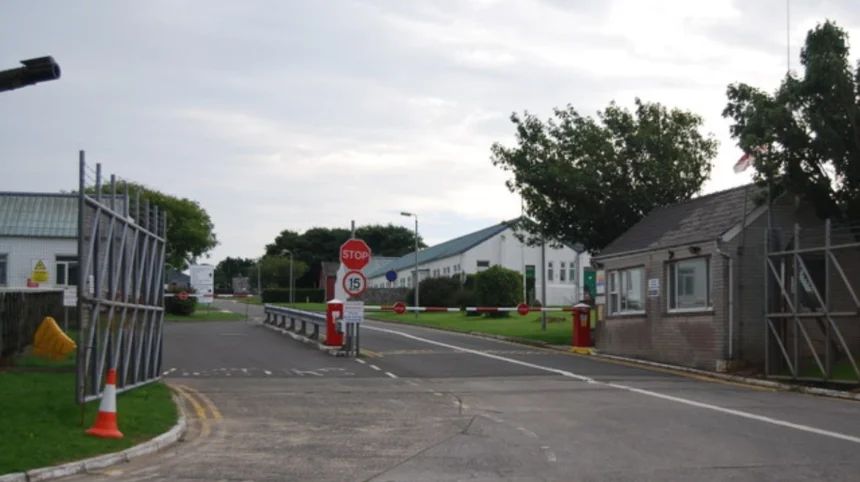
The Castlemartin Training Range is an active Ministry of Defence installation managed by the British Army for armored vehicle gunnery and live firing exercises. Established formally during the First World War and expanded significantly during the Second World War, the range occupies thousands of acres along the southern coastline. The primary operational purpose of the facility is to provide realistic combat training for Challenger two main battle tanks, armored infantry vehicles, and allied military units. Live firing schedules are strictly regulated and published in advance to ensure public safety across adjacent agricultural lands and coastal waters.
The installation generates significant economic activity for south Pembrokeshire by employing civilian support staff, maintenance technicians, and hospitality providers in nearby towns. Military personnel stationed at or visiting the facility contribute directly to the local economy through housing rentals, retail spending, and commercial services. The presence of the range also restricts public access to certain coastal footpaths during active firing periods which requires careful recreational planning by hikers and tourists.
Environmental management of the military estate is overseen through collaborative agreements between the Ministry of Defence, Natural Resources Wales, and conservation non governmental organizations. Paradoxically, the restricted public access required for military safety has inadvertently created a vast sanctuary for rare wildlife and undisturbed botanical habitats. Heavy tracked vehicles avoid specific ecologically sensitive zones, allowing rare ground nesting birds and delicate coastal flora to thrive without human disturbance. Controlled grazing regimes are implemented across the range lands to maintain optimal grassland conditions for native fauna while preventing scrub encroachment. Environmental monitoring programs track noise levels, water quality, and habitat health to mitigate any potential negative impacts associated with live ammunition testing. The coexistence of high intensity military operations with designated conservation areas represents a unique land management model studied by defense and environmental planners alike. Community liaison panels meet regularly to address local concerns regarding noise pollution, traffic management, and coordination between military exercises and civilian life.
What Biodiversity And Ecosystems Exist Along The Castlemartin Coastline?
The Castlemartin coastline supports a diverse array of marine and terrestrial ecosystems recognized nationally and internationally for their exceptional ecological importance. The towering limestone cliffs provide secure nesting ledges for thousands of seabirds including common guillemots, razorbills, Atlantic puffins, northern fulmars, and peregrine falcons. Offshore rock formations and turbulent marine currents create rich feeding grounds for grey seals, harbour porpoises, and occasional sightings of minke whales and bottlenose dolphins. The marine environment surrounding the peninsula is designated as a special area of conservation under European Union directives implemented within UK law to protect marine mammals and benthic habitats. Terrestrial habitats feature maritime grassland, calcareous cliff ledges, and exposed heath that support specialized invertebrate populations including rare butterflies and beetles. Botanists frequently document uncommon plant species such as wild cabbages, rock sea lavender, and delicate orchids that thrive in the harsh, salt laden coastal winds.
Conservation initiatives led by statutory bodies and wildlife trusts focus on habitat restoration, invasive species eradication, and monitoring population trends of vulnerable seabird colonies. Climate change and shifts in ocean temperatures present ongoing challenges to marine food webs by altering the abundance and distribution of sand eels and other small fish species. Agricultural runoff from adjacent farmland is monitored rigorously to prevent nutrient overloading in coastal waters and maintain high standards of water clarity. Public access along permitted sections of the Pembrokeshire Coast Path allows nature enthusiasts to observe wildlife responsibly while adhering to strict seasonal guidelines to avoid disturbing nesting birds. Educational outreach programs organized by conservation charities highlight the ecological value of the marine SAC and promote sustainable outdoor recreation among visitors. Scientific research conducted along this stretch of coastline contributes valuable data to global oceanic databases tracking biodiversity loss and coastal resilience in a changing climate.
What Tourism And Recreational Opportunities Are Available Near Castlemartin?

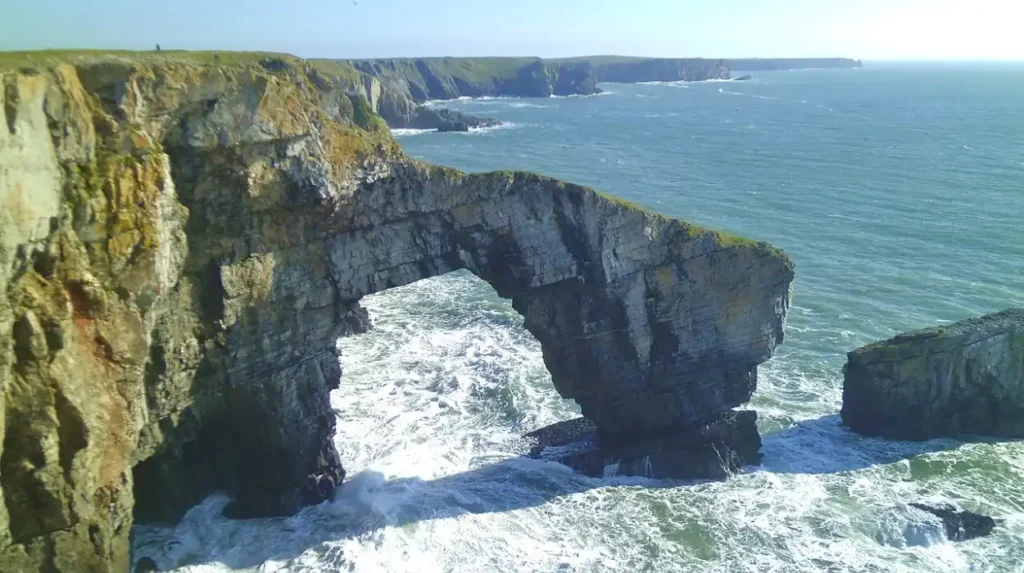
Tourism and outdoor recreation near Castlemartin center around the breathtaking natural scenery of the Pembrokeshire Coast National Park and its extensive network of walking trails. Visitors frequent the area to hike portions of the famous national trail that traverses the rugged limestone cliffs and offers panoramic vistas across the Celtic Sea. Prominent local landmarks such as the Green Bridge of Wales, a magnificent natural limestone arch, and nearby Bosherston Lakes attract thousands of photographers and sightseers annually.
Bosherston Lakes, also known as the Stackpole lily ponds, feature flooded valley bottoms famous for stunning displays of white and yellow water lilies fed by freshwater springs. Recreational activities in the surrounding district include coastal rock climbing, sea kayaking, bird watching, and exploring secluded sandy coves accessible via steep cliff paths. Local hospitality providers in nearby villages offer traditional country pubs, boutique bed and breakfasts, and self catering cottages catering to hikers and nature lovers.
Sustainable tourism guidelines are heavily emphasized by regional park authorities to protect fragile coastal ecosystems from erosion and litter accumulation during peak summer holiday periods. Visitors are strongly encouraged to utilize designated parking areas, respect agricultural livestock gates, and follow Leave No Trace principles while exploring rural terrain. Local visitor centers provide comprehensive maps, interpretive displays, and expert advice on safe walking routes and seasonal wildlife viewing hotspots. The integration of tourism with active farming and military operations requires cooperative local planning to ensure that visitors enjoy a seamless and safe recreational experience. Cultural heritage tourism also thrives as history enthusiasts explore medieval churches, abandoned stone villages, and prehistoric burial monuments scattered throughout the south Pembrokeshire landscape. These diverse recreational assets ensure that the region remains a premier destination for travelers seeking authentic natural beauty and deep historical context in West Wales.
Frequently Asked Questions
What is the primary purpose of the Castlemartin military range?
The Castlemartin range is an active Ministry of Defence facility used primarily by the British Army for live firing exercises with armored vehicles and main battle tanks. It provides vital tactical training infrastructure for military personnel while incorporating strict safety protocols for surrounding civilian areas.
Can the public visit the coastal paths near Castlemartin?
Portions of the Pembrokeshire Coast National Park and surrounding coastal footpaths are open to the public when live firing exercises are not scheduled. Visitors must check official Ministry of Defence red flag warning signals and firing timetables before accessing restricted zones.
What are the main geological features of the Castlemartin coast?
The coastline is defined by steep carboniferous limestone cliffs shaped by Atlantic wave action into dramatic arches, sea caves, blowholes, and isolated offshore rock stacks. This rugged topography creates a striking maritime landscape unique to southern Pembrokeshire.
How does the military presence affect local wildlife?
Paradoxically, restricted public access to the military training estate has created an undisturbed sanctuary for rare seabirds, grey seals, and delicate maritime plant species. Environmental management plans ensure military operations coexist with rigorous conservation standards.
Where is the closest town to Castlemartin?
The historic market town of Pembroke lies approximately seven miles east of the parish community. Pembroke provides essential accommodation, retail services, medical facilities, and transportation links for visitors exploring the southern Pembrokeshire coast.