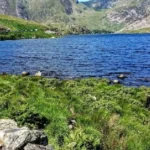


Isle of Anglesey is an island situated off the northwestern coast of Wales covering an area of 714 square kilometers. Anglesey contains 201 kilometers of designated Area of Outstanding Natural Beauty coastline. Camping Wales Anglesey represents a major tourism sector that supports over 4000 local hospitality jobs annually. Outdoor recreation on the island generates more than 300 million pounds for the Welsh economy each year. Travelers select Anglesey due to its access to 45 public beaches and 125 miles of continuous coastal footpath. The island connects to mainland Wales via the Menai Suspension Bridge constructed in 1826 and the Britannia Bridge built in 1850.
- What Are the Main Regulations for Camping in Anglesey?
- Which Locations Offer the Best Camping Experience on Anglesey?
- How Do Weather Patterns Affect Camping Gear Selection in Anglesey?
- What Are the Essential Steps to Plan a Camping Trip to Anglesey?
- What Is the Historical Context of Tourism and Outdoor Recreation in Anglesey?
- How Does Camping Impact the Environment and Economy of Anglesey?
- Frequently Asked Questions
- What Is the Legal Status of Wild Camping on Anglesey?
- What Are the Best Months of the Year for Camping on Anglese
- Are Campfires Allowed on Public Beaches and Campsites in Anglesey?
- What Is the Best Way to Travel to Campsites on Anglesey Without a Car?
- How Do Tidal Changes Affect Coastal Camping Safety on Anglesey?
The climate of Anglesey features maritime conditions with average summer temperatures ranging between 15 and 20 degrees Celsius. Prevailing southwesterly winds shape the coastal environment and influence campsite selection across six primary regions. These regions include Holy Island, the Red Wharf Bay coastline, the South Stack cliffs, Rhosneigr, Benllech, and Moelfre. Site options range from primitive tent pitches to fully serviced motorhome bays equipped with 230-volt electrical hookups. The Isle of Anglesey County Council enforces strict planning control laws under the Town and Country Planning Act 1990 to preserve natural coastal habitats. Understanding site regulations, weather patterns, gear requirements, and access routes is essential for executing a successful camping excursion.
What Are the Main Regulations for Camping in Anglesey?
Camping in Anglesey requires strict adherence to Welsh land management laws, local council byelaws, and private land rights. Wild camping without landowner permission is illegal across Wales under the Criminal Justice and Public Order Act 1994. Commercial campsites must operate with permission under Section 269 of the Public Health Act 1936 or through certified exemptions.
Anglesey Council manages coastal reserves to prevent environmental degradation along sensitive dune systems. Campers must use designated sites that feature valid operational permits and sanitation infrastructure. Sites within the Area of Outstanding Natural Beauty maintain specific limits on vehicle pitch density to protect soil stability. Fire safety regulations prohibit open campfires on public beaches and nature reserves across the island. Campers using portable gas stoves must maintain a minimum distance of 3 meters from tent canvas walls.
Open water camping near estuaries requires monitoring tide tables provided by the United Kingdom Hydrographic Office. Tides along the Menai Strait reach speeds of up to 5 knots during spring tide cycles. Campers who bring dogs must comply with the Countryside and Rights of Way Act 2000. Dogs must remain on short leads near livestock between March 1 and July 31. Waste management laws mandate that all campers pack out inorganic refuse or use designated recycling facilities. Failure to comply with local litter laws results in fixed penalty fines issued under the Environmental Protection Act 1990.
Which Locations Offer the Best Camping Experience on Anglesey?
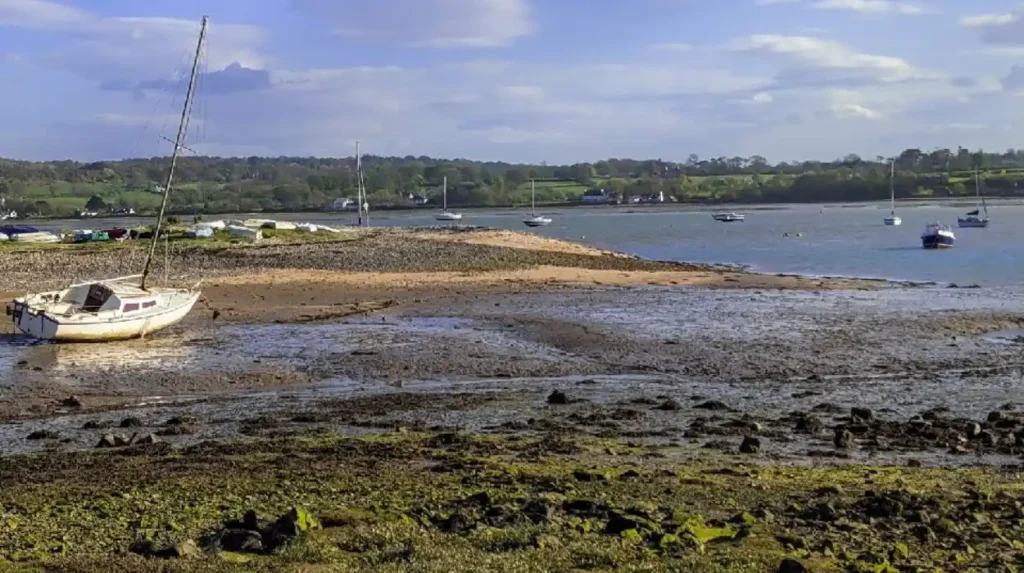
The top camping locations on Anglesey include Rhosneigr, Red Wharf Bay, Holy Island, Benllech, Moelfre, and Newborough. Each geographic zone provides distinct topographical features, wind exposure levels, soil types, and proximity to coastal water access points.
Rhosneigr sits on the western coast and features sandy soil conditions ideal for peg retention during low-wind conditions. The area attracts watersports enthusiasts due to high wave consistency driven by Atlantic weather systems. Camping sites near Red Wharf Bay on the eastern coast provide sheltered terrain along 10 square kilometers of tidal sand flats. Holy Island on the far western edge contains rugged cliffside pitches near the South Stack Lighthouse reserve.
Newborough Forest offers sheltered woodland pitches managed alongside Natural Resources Wales boundaries. The site provides direct foot access to Traeth Llanddwyn and the tidal island of Ynys Llanddwyn. Moelfre provides elevated limestone cliff pitches overlooking the Irish Sea, offering protection from prevailing southwesterly gales. Benllech features established family campsites with direct access to broad sandy beaches containing shallow bathing waters. Selecting a location requires matching equipment ratings against the specific exposure profiles of these coastal zones.
How Do Weather Patterns Affect Camping Gear Selection in Anglesey?
Coastal weather systems in Anglesey mandate the use of high-spec waterproof gear, sturdy tent anchors, and multi-layer insulation systems. Mean annual rainfall on Anglesey ranges from 800 millimeters along the eastern coast to 1100 millimeters in western elevated sectors.
Tent selection requires a minimum hydrostatic head rating of 3000 millimeters for outer rainflies. Aluminum alloy tent poles sustain high wind gusts better than standard fiberglass poles, which can splinter under stress. Geodesic and semi-geodesic tent designs distribute structural force evenly across multiple intersection points during gales exceeding 40 miles per hour. Standard plastic tent pegs fail in loose beach sand and hard rocky clay coastal soils. Heavy-duty steel rock pegs or specialized corkscrew sand anchors are required to secure guy lines safely.
Groundsheets must feature heavy-duty polyethylene construction with welded seams to prevent groundwater ingress. Sleeping bags require synthetic insulation or hydrophobic down to maintain thermal resistance in high humidity conditions. An ISO-tested sleeping pad with an R-value of 3.0 or higher prevents conductive heat loss into cold ground. Clothing strategies must center on synthetic base layers, fleece mid-layers, and breathable waterproof outer shells made of membrane fabrics. Cooking equipment should incorporate wind baffles or integrated heat exchangers to maintain stove efficiency in high winds.
What Are the Essential Steps to Plan a Camping Trip to Anglesey?
Planning a successful camping trip to Anglesey involves systematic timing, route selection, site reservation, equipment testing, and safety checks. Following a structured preparation sequence prevents logistical failures and ensures compliance with local access restrictions.
1.Select Travel Dates and Check Tide Schedules:Timing and Maritime Safety.
Research seasonal weather patterns and consult tide charts from the United Kingdom Hydrographic Office. Identify spring tide dates if planning to visit tidal locations like Ynys Llanddwyn or Red Wharf Bay.
2.Reserve Permits and Licensed Pitch Sites:Legal Compliance.
Book pitches at least three months in advance for peak summer travel between June and August. Confirm that the selected site holds a valid operating license from the Isle of Anglesey County Council.
3.Inspect and Waterproof Equipment:Gear Preparation.
Pitch tents prior to departure to inspect seam seals, guy lines, and pole ferrules for structural damage. Apply silicone-based waterproofing spray to rainflies and verify stove seal integrity and fuel levels.
4.Pack Supplies and Emergency Equipment:Safety and Provisions.
Assemble first aid supplies, navigation charts, Ordnance Survey Landranger Map 114, high-visibility torches, and backup power banks. Secure provisions that do not require refrigeration for remote coastal stays.
5.Establish Route and Safety Check-Ins:Execution and Monitoring.
Drive via the A55 dual carriageway crossing the Britannia Bridge to access the island efficiently. Share your detailed itinerary and expected return times with emergency contact persons before entering low-signal zones.
What Is the Historical Context of Tourism and Outdoor Recreation in Anglesey?
Outdoor recreation and tourism on Anglesey expanded rapidly following the construction of modern transport infrastructure during the nineteenth century. The opening of Thomas Telford’s Menai Suspension Bridge in 1826 connected the isolated agricultural island to mainland Wales.
The Chester and Holyhead Railway opened in 1850 across the Britannia Bridge, bringing steam train passengers directly to Holyhead port. Victorian visitors sought coastal air, marine bathing, and geological exploration along the island’s unique schist rock formations. Early campers pitched canvas bell tents near Trearddur Bay and Benllech during the early twentieth century. The National Parks and Access to the Countryside Act 1949 established legal frameworks for protecting scenic coastal landscapes.

In 1967, the United Kingdom government designated 221 square kilometers of Anglesey coastline as an Area of Outstanding Natural Beauty. This legal status restricted heavy industrial development and prioritized sustainable leisure use of coastal environments. The creation of the Anglesey Coastal Path in 2006 unified 125 miles of fragmented rights-of-way into a continuous trail. This coastal path was later integrated into the nationwide 870-mile Wales Coast Path network launched in 2012. Today, historical sites such as Beaumaris uk/local/swansea/castle/">Castle and ancient Neolithic tombs integrate directly with modern coastal camping infrastructure.
How Does Camping Impact the Environment and Economy of Anglesey?
Camping generates substantial economic benefits for rural businesses while creating ecological management challenges for fragile coastal ecosystems. Visitor spending supports local grocery markets, outdoor equipment retailers, pubs, and transport operators across rural communities.
Farm diversification programs allow agricultural landowners to operate temporary campsites under 56-day permitted development rules. This income stream preserves family farms and maintains traditional rural land use patterns across the island. However, high visitor concentration causes localized soil compaction and vegetation loss along sensitive coastal sand dunes. Sand dune systems at Newborough and Aberffraw contain rare species such as petalwort and the sand lizard.
Unmanaged waste disposal disrupts coastal wildlife habitats and pollutes marine intertidal zones. Local authorities spend substantial financial resources collecting discarded waste from remote beach parking areas each summer season. Vehicle emissions and traffic congestion place physical strain on narrow historic roadways designed for horse-drawn transport. Sustainable camping initiatives now promote Leave No Trace principles to mitigate human impact on protected habitats. Certified green campsites implement solar-powered shower blocks, rainwater harvesting systems, and strict zero-landfill policies to balance economic growth with environmental preservation.
Frequently Asked Questions
What Is the Legal Status of Wild Camping on Anglesey?
Wild camping is illegal across Anglesey without explicit advance permission from the legal landowner. All land on the island is privately owned or managed by public bodies such as Natural Resources Wales. Pitching a tent on beaches, sand dunes, or roadside verges without authorization constitutes civil trespass under English and Welsh common law. Offenders can be ordered to vacate the property immediately by landowners or police officers.
What Are the Best Months of the Year for Camping on Anglese
May, June, July, August, and September provide the most reliable weather conditions for camping on Anglesey. June offers the longest daylight hours with up to 17 hours of light per day for outdoor activities. July and August feature the warmest ocean and air temperatures, but coincide with peak tourist crowd volumes.
Are Campfires Allowed on Public Beaches and Campsites in Anglesey?
Open campfires are prohibited on almost all public beaches, sand dunes, and nature reserves across Anglesey. Fires damage delicate coastal ecosystems, burn underlying peat or driftwood, and create serious safety hazards for barefoot walkers.
What Is the Best Way to Travel to Campsites on Anglesey Without a Car?
Travelers can reach Anglesey by taking Transport for Wales train services directly to stations at Bangor, Holyhead, Bodorgan, or Rhosneigr. Local bus routes operated by Anglesey Council connect major towns such as Llangefni, Holyhead, and Beaumaris to coastal villages. The Anglesey Coastal Path allows backpackers to walk between coastal campsites while carrying lightweight gear.
How Do Tidal Changes Affect Coastal Camping Safety on Anglesey?
Tides on Anglesey rise and fall rapidly, with maximum tidal ranges exceeding 8 meters during spring tide periods. High tides can completely submerge low-lying sand beaches, tidal causeways, and coastal footpaths in short timeframes. Campers setting up near estuaries must verify high-water marks on cliffs to avoid flooding their tents.