

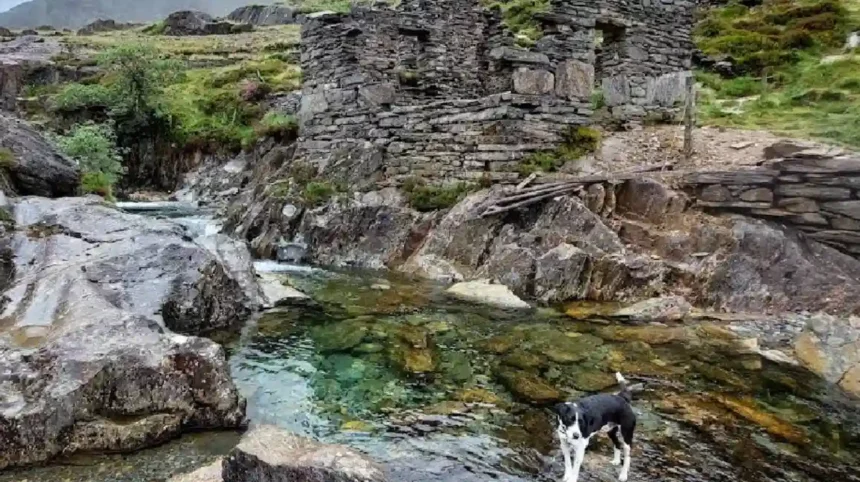
Go Below Wales is an adventure operator offering guided underground tours through abandoned Victorian slate mines in the Eryri Snowdonia region. The company leads expeditions through subterranean chambers, ancient tunnels, and deep vertical shafts.
- What Are the Main Types of Underground Expeditions at Go Below Wales?
- What Safety Measures and Equipment Are Required for Going Below Wales?
- What Historical Artifacts and Geological Features Are Found Subterranean in Wales?
- How Does Underground Slate Exploration Impact Local Tourism and Conservation?
- Frequently Asked Questions
The slate mining industry formed the foundation of the North Wales economy during the nineteenth century. Thousands of workers excavated massive underground networks to extract roofing slate for global export. Industrial slate production declined in the mid-twentieth century, leaving vast subterranean spaces completely abandoned across the region. Go Below Wales repurposed these abandoned industrial assets into structured recreational pathways. Qualified mine guides lead visitors through historical workings using specialized safety equipment.
Underground slate mines consist of multi-level chamber systems connected by horizontal adits and vertical shafts. The physical layout includes expansive open spaces created by systematic slate extraction. Geologists categorize these subterranean networks as room and pillar excavations. The stable slate rock structure permits safe passage through historic workings. Expeditions expose visitors to industrial relics, historical mining equipment, and natural underground water features. Historical artifacts remain preserved in the stable environmental conditions below the surface.
The operational area covers substantial subterranean acreage in North Wales. Environmental conditions remain constant year-round, with temperatures averaging ten degrees Celsius inside the mine shafts. Humidity levels remain high throughout the interconnected chambers. The underground routes involve physical navigation using fixed ropes, zip lines, and metal ladders. Historical preservation laws protect the structural elements and artifacts inside the mine systems.
What Are the Main Types of Underground Expeditions at Go Below Wales?
What are the main types of underground expeditions offered at Go Below Wales? Go Below Wales operates five distinct adventure packages categorized by duration, physical difficulty, and technical challenge levels. Route options range from entry-level five-hour journeys to extreme fourteen-hour multi-sport challenges across Eryri Snowdonia.
The foundational route is the Go Below Challenge trip designed for entry-level participants aged ten and above. This five-hour expedition covers subterranean walking, boating across underground lakes, climbing internal waterfalls, and abseiling down rock faces. Participants encounter preserved nineteenth-century mining artifacts along the historical transport paths. The second primary option is the Hero Xtreme trip created for physically active individuals aged fourteen and above. This six-hour journey descends into Cwmorthin, the deepest slate mine network in the United Kingdom.
The Ultimate Xtreme expedition represents the most technically demanding single-day underground route. This seven-hour journey features nine consecutive zip lines, vertical ladder climbs, exposed catwalks, and a seventy-foot underground freefall jump. Participants on this route navigate through Goliath, the longest underground zip line recorded at four hundred twenty-six feet. The fourth option is the Mine to Mountain challenge, a fourteen-hour endurance expedition combining subterranean mine navigation with an overland summit climb of Mount Snowdon.
The fifth offering is the Deep Sleep overnight experience situated within an abandoned slate chamber. This installation holds the record for the deepest underground accommodation globally at one thousand three hundred seventy-five vertical feet. Guests reach the site via a two-hour guided descent through historical mine levels. The sleeping quarters consist of insulated wooden cabins and a private slate grotto. Solar-powered illumination and subterranean utility pipes support the living infrastructure.
What Safety Measures and Equipment Are Required for Going Below Wales?
What safety measures and equipment are required for going below in Welsh mines? Mandatory equipment includes protective helmets, high-output LED headlamps, sit harnesses, and heavy-duty wellington boots. Professional mine guides manage risk through double-line safety systems and structural inspections.
The physical environment of an abandoned slate mine presents inherent hazards including vertical drops, standing water, and low visibility. Go Below Wales mitigates these operational risks through strict engineering standards and continuous gear maintenance. Every participant receives personal protective equipment inspected under National Navigation Award Scheme and British Caving Association guidelines. Headlamps feature multi-diode array setups with backup battery banks to guarantee illumination throughout the expedition.
Safety protocols dictate that participants remain attached to continuous steel belay cables using dual lanyard lanyard systems during all elevated traverses. Fixed iron rungs, bridge structures, and zip cable anchor points undergo regular stress testing by qualified riggers. Trip leaders hold professional certifications in cave rescue, industrial rope access, and wilderness first aid. Guide-to-guest ratios remain strictly controlled, maxing out at eight participants per qualified leader on technical routes.
Atmospheric safety is maintained through environmental monitoring protocols. Tunnels rely on natural barometric airflow across multi-level shaft openings to maintain oxygen levels. Guides carry portable multi-gas detectors to measure carbon monoxide, hydrogen sulfide, and oxygen concentrations in deep chambers. Pre-trip briefings cover communication signals, clip-in procedures, and emergency egress routes. Emergency response plans coordinate directly with the North Wales Cave Rescue Organisation.
What Historical Artifacts and Geological Features Are Found Subterranean in Wales?
What historical artifacts and geological features are found subterranean in North Wales? Subterranean slate mines contain Victorian iron machinery, hand forged tools, underground lakes, and Ordovician slate formations. Industrial artifacts remain intact due to low ambient oxidation levels underground.
The geological foundation of the North Wales slate belt formed over four hundred fifty million years ago during the Ordovician period. Tectonic compression transformed fine-grained mudstone into high-grade slate characterized by distinct cleavage planes. Industrial extraction in regions like Blaenau Ffestiniog exposed massive slate beds measuring hundreds of feet in thickness. Underground excavations left cathedral-sized voids supported by massive slate pillars left by nineteenth-century quarrymen.
Historical artifacts line the transport routes inside the abandoned mines. Visitors encounter wooden tramway tracks, slate quarry wagons, hand-drilled blasting holes, and iron gunpowder chests. Mechanical relics include balance-incline winches used to haul slate blocks between subterranean levels. Personal artifacts left by Victorian miners include leather boots, clay pipes, tallow candle stubs, and slate writing tablets used for tallying daily production.
Hydrological features develop naturally within the abandoned mine chambers. Groundwater seepage fills excavated floors, creating stable underground lakes with high optical clarity. Dissolved minerals give the subterranean pools a deep blue or emerald hue. Waterfalls cascades down internal shafts where miners once installed drainage pumps. Calcite formations and iron oxide deposits form mini-stalactites along the ceilings of older adits.
How Does Underground Slate Exploration Impact Local Tourism and Conservation?
How does underground slate exploration impact local tourism and conservation in Wales? Underground slate exploration drives heritage tourism, diversifies the rural economy, and preserves industrial archaeological sites. Managed tours control visitor impact while supporting UNESCO World Heritage site conservation goals.
The Slate Landscape of Northwest Wales received UNESCO World Heritage status in 2021. This designation recognizes the global cultural impact of Welsh slate mining architecture and engineering. Guided underground expeditions align with heritage conservation by transforming abandoned industrial ruins into educational assets. Regulated access prevents vandalism, theft of historical artifacts, and unauthorized entry into unstable abandoned workings.
Local tourism economies in Conwy and Gwynedd rely heavily on outdoor adventure recreation. Underground mine activities provide weather-independent tourist experiences year-round. Revenue generated from adventure tours supports regional employment for mountain leaders, equipment technicians, and hospitality providers. Small rural villages benefit from sustained visitor spending on accommodation, dining, and retail services throughout the off-peak winter months.
Conservation management protocols balance tourism access with ecological protection. Underground mine chambers provide hibernating habitat for protected bat species, including the Lesser Horseshoe Bat. Expedition routes avoid sensitive roosting zones during winter hibernation windows. Environmental monitoring tracks air quality, water contamination, and rock stability to ensure sustainable long-term operation without degrading the subterranean ecosystem.
Frequently Asked Questions
What physical fitness level is required for Go Below Wales?
A moderate level of physical fitness is required for basic routes, as activities involve climbing ladders, walking on uneven surfaces, and balancing. Advanced Xtreme trips demand high upper-body strength, stamina, and agility for continuous zip lining and vertical climbing over several hours.
Is Go Below Wales safe for people who suffer from claustrophobia?
Yes, Go Below Wales is generally suitable for people with mild claustrophobia because slate mines feature massive cathedral-sized chambers rather than tight crawling spaces. The tours do not involve squeezing through narrow gaps or traditional potholing, though spaces can feel dark and enclosed.
What should participants wear for an underground adventure in Wales?
Participants should wear warm thermal layers, long trousers, and thick socks, as internal mine temperatures remain around ten degrees Celsius year-round. Go Below Wales provides essential safety gear, including waterproof oversuits, wellington boots, certified helmets, and high-powered headlamps.
How deep underground do the Go Below Wales tours go?
The deepest expeditions reach over one thousand three hundred vertical feet below the surface inside abandoned slate mine systems. This depth represents the deepest publicly accessible point in the United Kingdom, housing both extreme adventure routes and underground accommodation.