
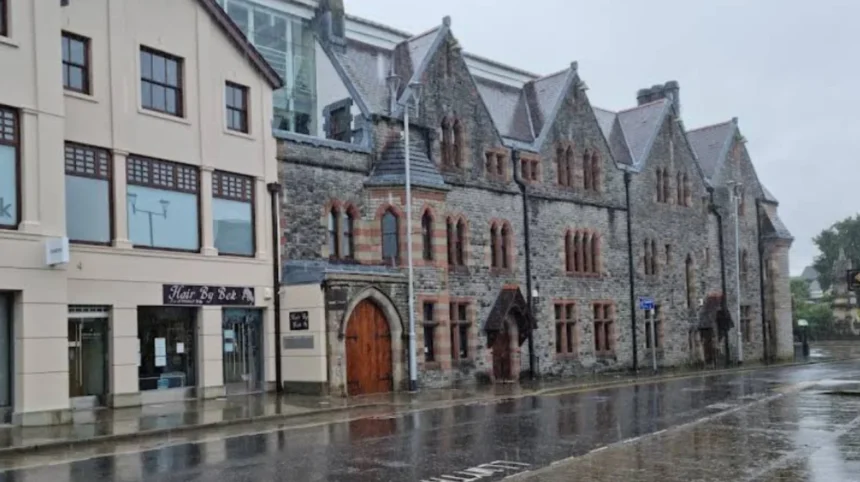
Properties for sale in Bridgend Wales represent residential and commercial real estate available for purchase within the Bridgend County Borough. Located in South Wales between uk/local/cardiff/">Cardiff and Swansea, this market includes detached family homes, traditional terraced houses, modern apartments, and commercial units across various price points.
- How Has the Bridgend Real Estate Market Developed Historically?
- What Structural Factors Define the Bridgend Property Market?
- How Does the Home Buying Process Work in Bridgend Wales?
- Which Areas Offer Properties for Sale in Bridgend Wales?
- What Data and Price Trends Affect Bridgend Properties?
- What Are the Future Implications for Bridgend Property Investment?
- Frequently Asked Questions
- What is the average cost of buying a house in Bridgend Wales?
- Is Bridgend a good location for property investors seeking rental yields?
- What tax do buyers pay when purchasing property in Bridgend Wales?
- Which areas in Bridgend are best suited for commuting to Cardiff?
- How do former mining searches affect property purchases in Bridgend?
Bridgend acts as a major administrative and retail hub in the South Wales coastal belt. The local real estate market contains diverse building stock constructed from the Victorian era to contemporary developments. Housing in Bridgend attracts local residents, commuters working in nearby cities, and property investors due to its transport infrastructure and relative affordability. The market is regulated by Welsh housing legislation, land transaction tax rules, and local planning policies established by Bridgend County Borough Council.
How Has the Bridgend Real Estate Market Developed Historically?
The Bridgend real estate market expanded significantly during the Industrial Revolution as the town developed into a core agricultural and industrial trading center for nearby mining valleys. Residential housing stock increased rapidly throughout the twentieth century with mid-century social housing and post-war private developments expanding the urban footprint.
During the late nineteenth century, traditional stone terraced housing was constructed to house workers in local coal, iron, and rail industries. Following the decline of heavy industry in the late twentieth century, the local economy transitioned toward manufacturing, retail, and public sector employment. This economic shift triggered town center regeneration projects and modern suburban housing developments near the M4 motorway corridor. Recent decades saw increased private investment in commuter housing developments, transforming Bridgend into a key residential location between the larger commercial centers of Cardiff and Swansea.
What Structural Factors Define the Bridgend Property Market?
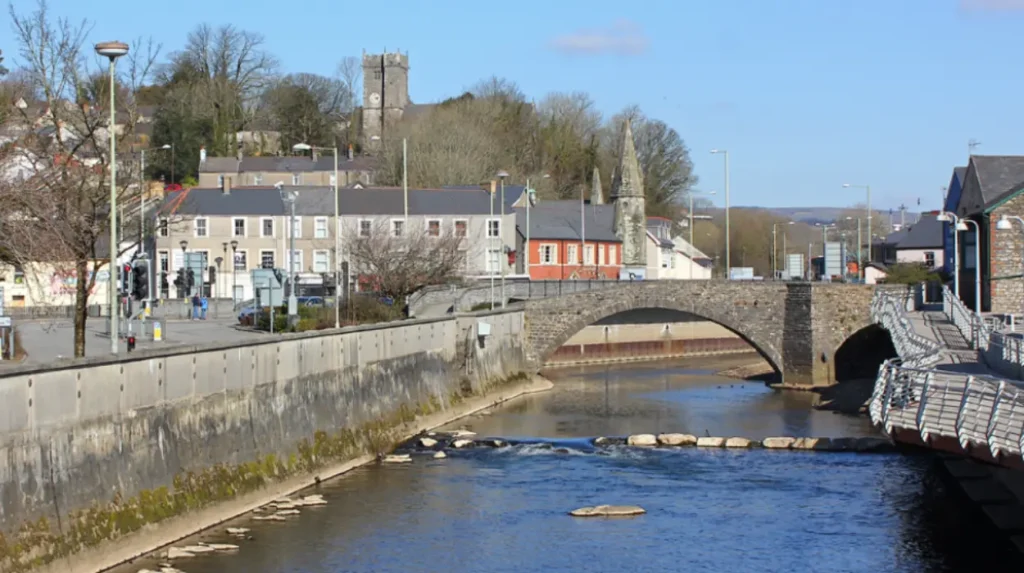
The Bridgend property market is defined by distinct geographical zones, varied housing stock, robust transport links, and local employment sectors. Geographic distribution ranges from urban centers like Bridgend town to coastal communities such as Porthcawl and rural valleys like Ogmore.
Residential properties in the county borough include three main structural categories: traditional stone terraces, mid-century suburban semi-detached homes, and modern detached executive houses. Transport connectivity is centered around the M4 motorway junctions 35, 36, and 37, along with Bridgend railway station on the South Wales Main Line. Economic drivers include the industrial estates at Waterton and Brackla, healthcare facilities at Princess of Wales Hospital, and expanding service industries. The local housing authority sets planning frameworks that govern new land allocations, environmental regulations, and affordable housing requirements.
How Does the Home Buying Process Work in Bridgend Wales?
The legal process for purchasing property in Bridgend follows Welsh property law, requiring agreement on sales price, conveyancing checks, survey evaluations, and legal completion. Buyers secure mortgage pre-approval, submit offers through estate agencies, and hire licensed conveyancers to execute legal title searches.
Once an offer is accepted, the buyer commands a structural survey to identify property defects and land issues. The solicitor checks HM Land Registry records, local authority searches with Bridgend County Borough Council, and environmental queries regarding former mining activity. In Wales, buyers pay Land Transaction Tax instead of Stamp Duty Land Tax on purchases above threshold limits set by the Welsh Government. Contracts are exchanged when all queries and mortgage conditions are satisfied, followed by final completion, funds transfer, and registration of ownership.
Which Areas Offer Properties for Sale in Bridgend Wales?
Prime areas for property purchases in Bridgend include Brackla, Broadlands, Laleston, Coity, and the coastal town of Porthcawl. Each area contains distinct architectural styles, price profiles, public amenities, and access routes for residents and commercial buyers.
Brackla and Broadlands feature large suburban housing developments constructed primarily between 1980 and 2010, offering modern family homes and primary schools. Laleston and Coity provide a blend of historic village properties alongside newly constructed housing estates bordering countryside zones. Porthcawl appeals to buyers seeking seaside apartments, Victorian villas, and retirement properties near coastal waters. Valleys locations such as Maesteg provide traditional terraced houses at lower entry-level prices, serving local buyers and yields-focused rental investors seeking entry into the regional market.
What Data and Price Trends Affect Bridgend Properties?
Bridgend real estate trends show steady historical growth driven by population expansion, regional infrastructure investments, and housing demand spillover from Cardiff. Land Registry records demonstrate competitive average house prices compared to national UK averages and adjacent capital city metrics.
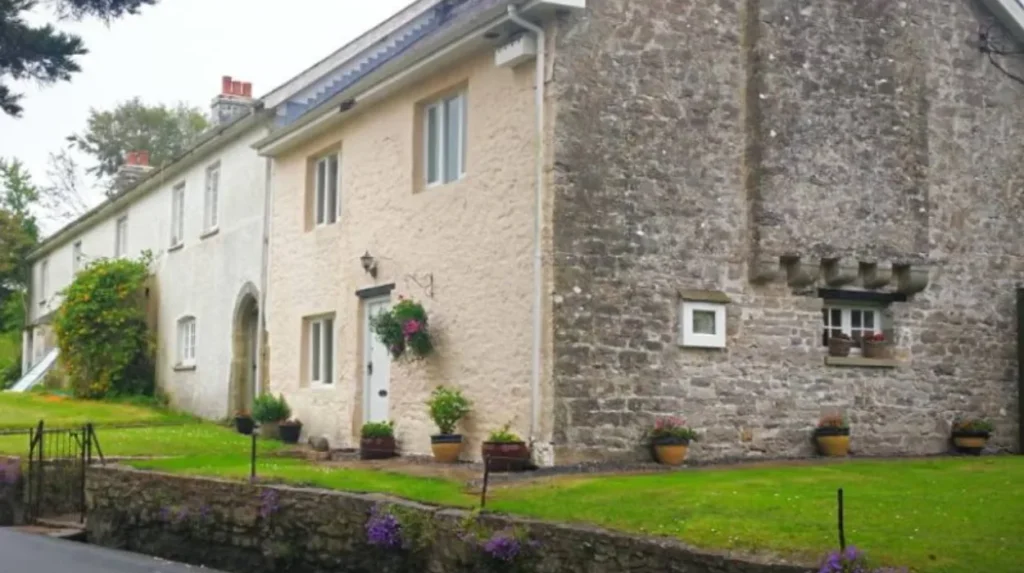
Official housing statistics divide the Bridgend market into specific pricing tiers based on property size, location, and property type. Terraced houses consistently occupy the lower entry point, while detached properties in Laleston and Porthcawl represent the upper pricing tiers. Rental yield data indicates strong returns for buy-to-let investors in high-density residential areas near transport stations. Economic forecasts highlight ongoing demand influenced by remote working trends, regional transport upgrades, and continuous commercial developments along the M4 corridor.
What Are the Future Implications for Bridgend Property Investment?
Future property trends in Bridgend point to increased demand for energy-efficient homes, brownfield site redevelopments, and sustainable suburban expansions. Local planning initiatives focus on urban regeneration, green infrastructure, and expanding affordable housing allocations across the borough.
Welsh Government climate directives require new residential developments to meet strict environmental and energy performance standards. Regeneration plans for Bridgend town center and Porthcawl seafront aim to enhance commercial value, public spaces, and tourism infrastructure. Infrastructure improvements to regional bus networks and rail systems will further integrate Bridgend into the broader Cardiff Capital Region economy. These long-term planning strategies position the Bridgend real estate market for sustained housing demand, economic integration, and structured urban expansion.
Frequently Asked Questions
What is the average cost of buying a house in Bridgend Wales?
Average house prices in Bridgend vary by property type, with entry-level terraced homes starting around lower regional averages and detached family properties commanding higher prices in areas like Laleston or Porthcawl. Overall prices remain significantly more affordable than nearby Cardiff.
Is Bridgend a good location for property investors seeking rental yields?
Bridgend offers attractive rental yields due to consistent demand from local workers and commuters traveling to Cardiff or Swansea. High-density residential zones near main railway stations provide reliable tenant demand and strong long-term occupancy rates.
What tax do buyers pay when purchasing property in Bridgend Wales?
Property purchases in Bridgend are subject to Welsh Land Transaction Tax rather than UK Stamp Duty Land Tax. Rates are calculated on progressive price thresholds established by the Welsh Government, with higher rates applied to additional residential properties.
Which areas in Bridgend are best suited for commuting to Cardiff?
Brackla, Broadlands, and Coity provide excellent access to M4 junctions 35 and 36, making them ideal for road commuters. Properties near Bridgend railway station offer direct, frequent train services into central Cardiff and Swansea.
How do former mining searches affect property purchases in Bridgend?
Conveyancers in Bridgend perform standard Coal Authority mining searches during the legal checks process. These searches ensure the land is clear of unrecorded shafts or historical subsidence risks before contracts are formally exchanged.