


Swansea University is a public research institution located in South Wales, operating across two major coastal sites: Singleton Park Campus and Bay Campus. The institution employs thousands of individuals across diverse occupational groups, including academic teaching, advanced scientific research, technical lab management, professional administrative services, and campus operations. Employment options at this Welsh university span permanent contracts, fixed-term research grants, part-time student roles, and commercial enterprise positions. Candidates from local, national, and international recruitment pools apply for positions within three main academic faculties: the Faculty of Humanities and Social Sciences, the Faculty of Medicine, Health and Life Science, and the Faculty of Science and Engineering.
- What types of academic and research roles exist at Swansea University?
- What professional support and administrative jobs are available on campus?
- How can students find part-time work and graduate placements at the university?
- What salary bands and staff benefits does Swansea University offer?
- How does the recruitment process work for jobs in Swansea University Wales?
- Frequently Asked Questions
- What is it like to work at Swansea University?
- How do international applicants get job sponsorship at Swansea University?
- Can students work full time at Swansea University during holidays?
- What campuses host the most job vacancies at Swansea University?
- How long does the hiring process take at Swansea University?
The establishment of uk/local/swansea/">Swansea University in 1920 under a Royal Charter created a major regional employment center in West Wales. The institution expanded rapidly over the past century, establishing itself as a dual-campus research destination with thousands of staff members supporting tens of thousands of enrolled students. Job opportunities within the university contribute directly to the Swansea Bay City Region economy through direct employment, procurement, and spin-out enterprise generation.
The organizational structure divides employment roles into distinct job families. Academic roles include Lecturers, Associate Professors, Professors, and Postdoctoral Research Officers engaged in teaching and grant-funded research projects. Professional and administrative services cover Student Recruitment, Finance, Human Resources, Digital Services, and Academic Quality Assurance. Operational and technical job categories encompass Estates and Campus Services, Laboratory Technicians, IT Specialists, Hospitality Staff, and Security Personnel.
The application process for positions operates through an online portal managed by the university central Human Resources department. Standard recruitment protocols require applicants to submit tailored curriculum vitae, statement of purpose documents, and evidence meeting specific person specifications. Selection procedures involve panel interviews, academic presentations, technical assessments, and professional reference checks.
Modern employment dynamics at Swansea University reflect broader higher education trends in Wales and the United Kingdom. Roles increasingly incorporate hybrid working options, digital system management, dynamic interdisciplinary research initiatives, and regional economic partnership obligations. Working within this higher education setting provides access to structured career progression frameworks, national pay scale structures, defined benefit pension schemes, and continuous professional development programs.
What types of academic and research roles exist at Swansea University?
Academic and research positions at Swansea University drive primary research output, deliver degree programs, and secure competitive grant funding from national funding bodies.
Academic positions fall into primary career paths: Teaching and Research, Teaching-Focused, and Research-Focused roles. Lecturers, Senior Lecturers, Readers, and Professors deliver undergraduate and postgraduate lectures, supervise doctoral candidates, and publish scholarly literature. Postdoctoral Research Assistants and Senior Research Officers execute specific grant-funded projects in fields like engineering, medicine, decarbonization, and social policy.
Research operations focus on multidisciplinary research centers located across Singleton Park and Bay Campuses. For example, the Faculty of Science and Engineering houses research initiatives in materials engineering and computer science, while the Faculty of Medicine, Health and Life Science conducts clinical trials and biomolecular research. Academic staff secure research funding from bodies like United Kingdom Research and Innovation, the Wellcome Trust, and the Welsh Government.
Recruitment for academic roles requires specific qualifications depending on post seniority. Entry-level research positions typically require a completed doctoral degree or equivalent professional practice in a relevant field. Senior academic roles require a history of peer-reviewed publications, successful grant applications, leadership in curriculum design, and demonstrated institutional governance contribution.
Academic employment terms follow national Higher Education pay scales, offering defined career progression pathways through annual review cycles. Academic staff receive allocated time for personal research, attendance at international conferences, and collaboration with global partner institutions. These roles form the core intellectual infrastructure that maintains institutional university rankings and research excellence framework evaluations.
What professional support and administrative jobs are available on campus?
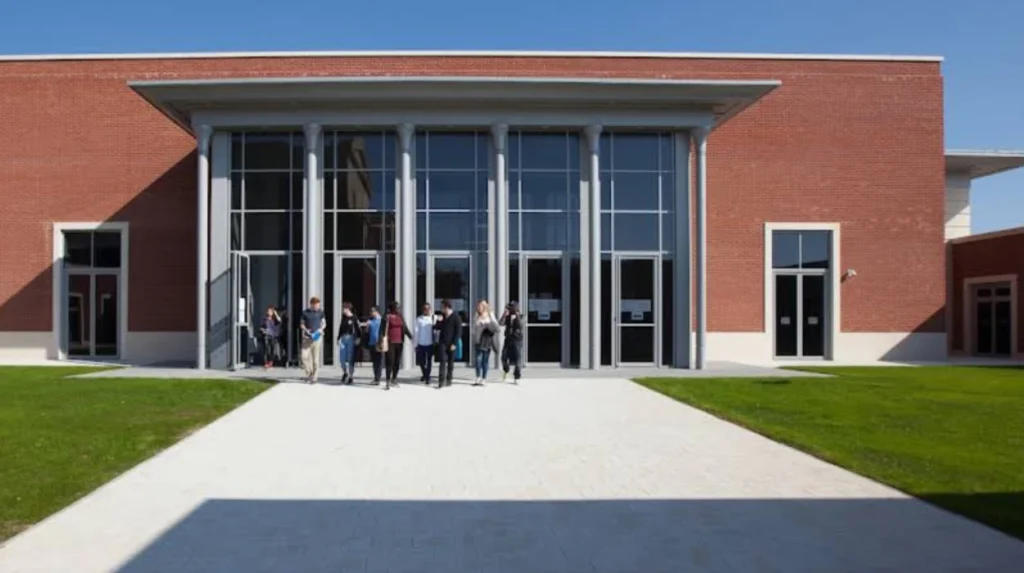
Professional support and administrative jobs at Swansea University manage institutional infrastructure, student services, corporate finance, and operational business strategy across all departments.
Professional support services employ specialists across functional departments including Marketing, Human Resources, Digital Services, Finance, and Student Life. Roles range from entry-level administrative assistants and student advisors to senior department directors and strategic project managers. These teams handle operations, student enrolment management, legal compliance, facilities maintenance, and internal communications.
The administrative framework supports the academic mission by coordinating student lifecycle events. For instance, Admissions Officers manage undergraduate and postgraduate applications, while Student Services personnel deliver academic support, disability support, and mental health counseling. Digital Services personnel maintain network IT infrastructure, virtual learning environments, and cybersecurity defenses across both campus locations.
Administrative staff must demonstrate competencies in administrative software platforms, data protection regulations like General Data Protection Regulation, project management, and public sector customer service standards. Many administrative roles require specialist professional certifications, such as Association of Chartered Certified Accountants credentials for senior finance roles or Chartered Institute of Personnel and Development qualifications for Human Resources staff.
Professional and administrative positions provide structured working environments with flexible working arrangements. Positions are categorized under standardized professional job families with clear pay bandings and annual incremental progression opportunities. Administrative employees play a direct role in maintaining operational efficiency and institutional compliance across all academic faculties.
How can students find part-time work and graduate placements at the university?
Student employment at Swansea University provides part-time jobs, summer internships, and graduate placements designed to support study costs and develop professional career skills.
Students access part-time jobs and campus internships through the dedicated Swansea University Employment Zone platform. Campus-based roles include Student Ambassadors, Library Assistants, Campus Catering Staff, Sports Centre Assistants, and Peer Mentors. These roles offer flexible hours structured around university lecture timetables and academic deadlines during term time.
The university enforces weekly work hour limits to ensure academic success remains the primary focus. Full-time undergraduate students are advised to work no more than twenty hours per week during term time, while international students on visas must strictly adhere to legal work restrictions specified by United Kingdom Visas and Immigration regulations. During scheduled academic holidays, students may work full-time hours across various university departments.
Graduate employment pathways are facilitated through the university Careers and Employability team. The team coordinates employer networking fairs, work placement schemes, and funded graduate internship initiatives with regional businesses in Wales. Programs like the Swansea Paid Internship Network connect students and recent graduates with short-term project roles inside university research groups and local private enterprise partners.
Working as a student employee builds practical workplace skills in communication, project organization, customer service, and digital systems management. Student employees receive real-time vocational mentoring and accumulate verified work experience records that enhance graduate employability upon completion of their degree programs.
What salary bands and staff benefits does Swansea University offer?
Swansea University offers standardized salary pay scales based on Higher Education Role Analysis frameworks alongside comprehensive employee benefits and pension options.
Salary structures at Swansea University align with national United Kingdom Higher Education single pay spine scales. Positions are graded into specific salary bands reflecting role complexity, required qualifications, and operational responsibilities. Grade 1 to Grade 5 positions cover operational, entry-level administrative, and technical roles, while Grade 6 to Grade 10 positions encompass academic lecturers, senior researchers, and high-level professional managers.
Staff benefits include generous annual leave allocations, usually starting at thirty-one days per year for full-time staff plus statutory bank holidays and institutional closure days. Employees receive access to occupational pension schemes, such as the Universities Superannuation Scheme for academic and high-grade professional staff, or local government and institutional schemes for operational staff teams.
The university provides professional development options, including funded training modules, leadership programs, and Welsh language learning courses through Academi Hywel Teifi. Staff wellbeing initiatives include cycle-to-work schemes, discounted memberships at campus sports facilities, confidential employee assistance helplines, and occupational health services.
Equitable compensation policies ensure equal pay standards across all job families. The institution publishes annual gender pay gap reports and maintains active equality, diversity, and inclusion initiatives to support career progression for underrepresented demographic groups within the higher education sector workforce.
How does the recruitment process work for jobs in Swansea University Wales?

The recruitment process for jobs in Swansea University Wales involves online application submission, shortlisting against person specifications, formal interviewing, and pre-employment compliance checks.
Vacancies are listed on the official Swansea University jobs portal, external higher education boards, and specialized recruitment channels. Applicants create an online candidate profile to submit an application form, tailored cover letter, and curriculum vitae. Application forms require candidates to demonstrate how their qualifications, skills, and past experience fulfill every essential criterion listed in the job description.
The shortlisting process is conducted by a designated recruitment panel consisting of department managers, subject specialists, and Human Resources representatives. Candidates who meet the required threshold are invited to formal selection events. Depending on the position type, selection methods include competency-based interviews, micro-teaching sessions, research presentations, technical skill tests, or group tasks.
Successful candidates receive conditional job offers subject to pre-employment verification procedures. These checks include right-to-work verification under United Kingdom immigration laws, qualification checks, academic reference reviews, and, where applicable, Disclosure and Barring Service criminal record screenings.
Once pre-employment checks are completed, new hires receive formal employment contracts and onboarding instructions. The onboarding process includes university-wide induction sessions, local departmental training, health and safety briefings, and probation period setting to ensure seamless integration into the institutional workforce.
Frequently Asked Questions
What is it like to work at Swansea University?
Working at Swansea University provides a collaborative environment across coastal campuses with structured pay scales and comprehensive pension benefits. Employees report strong work-life balance, access to campus sports facilities, and professional development support across all academic and administrative departments.
How do international applicants get job sponsorship at Swansea University?
International applicants can secure UK Skilled Worker visa sponsorship for eligible academic, research, and specialized professional roles that meet government salary thresholds. The Human Resources international team assists candidates through the Certificate of Sponsorship process following a successful job offer.
Can students work full time at Swansea University during holidays?
Enrolled students can work full time during official university vacation periods like summer, Christmas, and Easter breaks. Term-time work limits are capped at twenty hours per week for full-time students to maintain academic focus and comply with visa conditions.
What campuses host the most job vacancies at Swansea University?
Job vacancies are distributed across both Singleton Park Campus and Bay Campus depending on the specific faculty or department. Singleton Park hosts medical, humanities, and core administrative roles, while Bay Campus houses engineering, management, and computer science positions.
How long does the hiring process take at Swansea University?
The standard recruitment timeline takes between four to eight weeks from the application closing date to the final job offer. Shortlisting typically requires two weeks, followed by interview invitations and background compliance checks.