
Glamping in Wales is a form of luxury outdoor accommodation that combines traditional camping environments with modern amenities such as solid shelter, real beds, electricity, heating, and private bathrooms, allowing visitors to access Welsh natural landscapes without sacrificing comfort.
- How did luxury camping develop across the Welsh landscape?
- What types of glamping accommodation are available in Wales?
- Which regions provide the top destinations for Welsh glamping?
- What features and amenities define a luxury glamping stay?
- How does seasonality affect the Welsh glamping experience?
- What are the main environmental benefits of choosing glamping?
- What legal planning and building regulations govern glamping sites in Wales?
- How should travelers plan and prepare for a Welsh glamping trip?
- Frequently Asked Questions
Glamping, short for glamorous camping, represents an evolution in outdoor hospitality across the United Kingdom. The concept integrates high-specification architectural structures into rural and coastal environments. Guests experience direct contact with nature while maintaining access to premium domestic conveniences.
The Welsh landscape offers a diverse foundation for outdoor accommodations. Properties operate across mountainous terrain, coastal cliffs, ancient woodlands, and agricultural countryside. Structures range from timber pods to fabric bell tents and elevated treehouses.
Visitors choose luxury outdoor stays to eliminate the physical friction of conventional tent camping. The inclusion of internal insulation, log burners, and plumbed facilities standardizes comfort year-round. This operational framework expands rural tourism past seasonal limits.
Economic data highlights the rapid expansion of the sector across Great Britain. Caravan, camping, and glamping sites represent approximately sixteen percent of all domestic overnight accommodation choices in Wales annually.
How did luxury camping develop across the Welsh landscape?
Luxury camping developed across Wales during the early twenty-first century as agricultural landowners diversified operations to capture rising demand for domestic eco-tourism, outdoor wellness retreats, and experiential accommodation options throughout regional national parks.
Traditional camping in the United Kingdom relied on standard canvas pitching on designated fields. The shift toward structured outdoor accommodation accelerated following changes in agricultural subsidies and visitor preferences during the late 2000s. Landowners repurposed acreage to construct semi-permanent accommodation units.
Initial deployments focused on simple wooden camping pods to replace basic tents. Over the following decade, technological improvements enabled off-grid solar power, composting sanitation systems, and advanced thermal insulation within remote structural shells.
Planning policies introduced by local councils supported controlled rural development. Regulations balanced economic growth in remote communities with environmental protection mandates across statutory parks. This regulatory framework elevated construction standards across all site categories.
Current market statistics demonstrate sustained capital investment in the sector. Millions of domestic overnight visitors choose non-hotel rural stays across the region every year, establishing glamping as a pillar of Welsh tourism.
What types of glamping accommodation are available in Wales?
Glamping accommodation in Wales includes timber pods, geodesic domes, Mongolian yurts, canvas safari tents, shepherd huts, and elevated treehouses, each engineered to provide climate-controlled shelter across varied coastal, woodland, and mountain topographies.
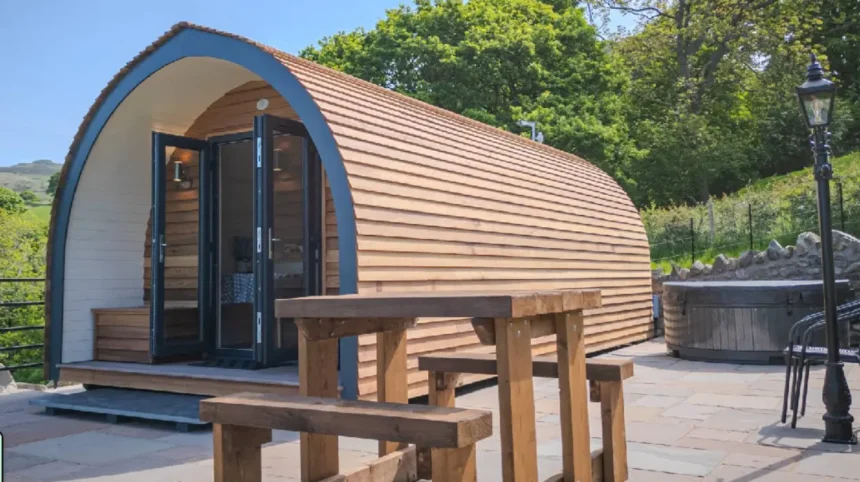
Timber pods represent the most common structural format across Welsh sites. These wooden arched buildings feature double glazing, synthetic insulation, and integrated electric power. Pods operate effectively during cold winter conditions. Examples include clear-span micro-pods and multi-room executive units.
Geodesic domes and yurts utilize structural frames wrapped in specialized weather-resistant membranes. Domes incorporate expansive transparent paneling to maximize sky visibility within designated Dark Sky Reserves. Yurts utilize lattice wooden frameworks and interior fabric linings to hold heat. Examples include four-season geodesic spheres and traditional wool-felt yurts.
Safari tents and shepherd huts offer distinct structural experiences. Heavy-duty canvas safari tents sit on raised wooden platforms, housing multiple bedrooms and kitchen facilities. Shepherd huts use rigid rectangular frames on metal wheels, replicating historical pastoral shelters with internal wood stoves. Examples include twin-canvas safari lodges and custom iron-wheeled huts.
Treehouses elevate living quarters into forest canopies using non-invasive support systems. These structures incorporate large decking areas, outdoor cooking equipment, and private hot tubs. Examples include timber-framed canopy cabins and multi-tiered woodland lodges.
Which regions provide the top destinations for Welsh glamping?
The top regions for Welsh glamping are Eryri National Park (Snowdonia), Bannau Brycheiniog National Park (Brecon Beacons), and the Pembrokeshire Coast, offering distinct geographic terrain ranging from high mountain peaks to protected maritime shorelines.
Eryri National Park in North Wales contains rugged high-altitude topography dominated by Yr Wyddfa. Sites in this zone focus on mountain access, forest valleys, and glacial lakes. Accommodation units near Llanberis, Betws-y-Coed, and Beddgelert cater primarily to hikers and adventure uk/sports/">sports tourists.
Bannau Brycheiniog National Park in South Wales features rolling sandstone peaks, open moorland, and water basins. The region holds international Dark Sky Reserve status, driving high demand for dome and yurt stays. Key clusters exist near Brecon, Hay-on-Wye, and the Waterfall Country surrounding Pontneddfechan.
The Pembrokeshire Coast National Park covers Britain’s only dedicated coastal national park. Glamping locations along this western stretch sit adjacent to the 186-mile Pembrokeshire Coast Path. Visitors access sea cliffs, sandy beaches, and maritime wildlife reserves near Tenby, St Davids, and Saundersfoot.
Mid Wales and the Isle of Anglesey supply alternative landscapes. Mid Wales features quiet farmland and the Cambrian Mountains, while Anglesey provides sheltered island bays and historic sites. Examples include farmland pod retreats in Ceredigion and coastal yurt setups on Anglesey.
What features and amenities define a luxury glamping stay?
A luxury glamping stay is defined by self-contained bathroom facilities, premium bedding, climate control mechanisms, private outdoor wood-fired hot tubs, fully equipped kitchens, and integrated digital utilities operating within isolated natural settings.
Internal climate control protects guests from seasonal temperature shifts. Underfloor heating systems, cast-iron log burners, and double-insulated walls maintain ambient internal warmth throughout autumnal and winter months. Fuel supplies like seasoned hardwood logs or wood pellets are typically provided on-site.
Sanitation infrastructure separates high-end sites from basic campsites. Luxury units feature ensuite shower rooms with pressurized hot water systems, flushing toilets, and vanity sinks. Off-grid sites deploy high-specification eco-composting toilets alongside solar-heated water units.
Culinary installations range from compact kitchenettes to full culinary setups. Internally, units contain gas hobs, electric refrigerators, microwave ovens, and granite countertops. Outdoor spaces provide fire pits, cast-iron grills, and pizza ovens.
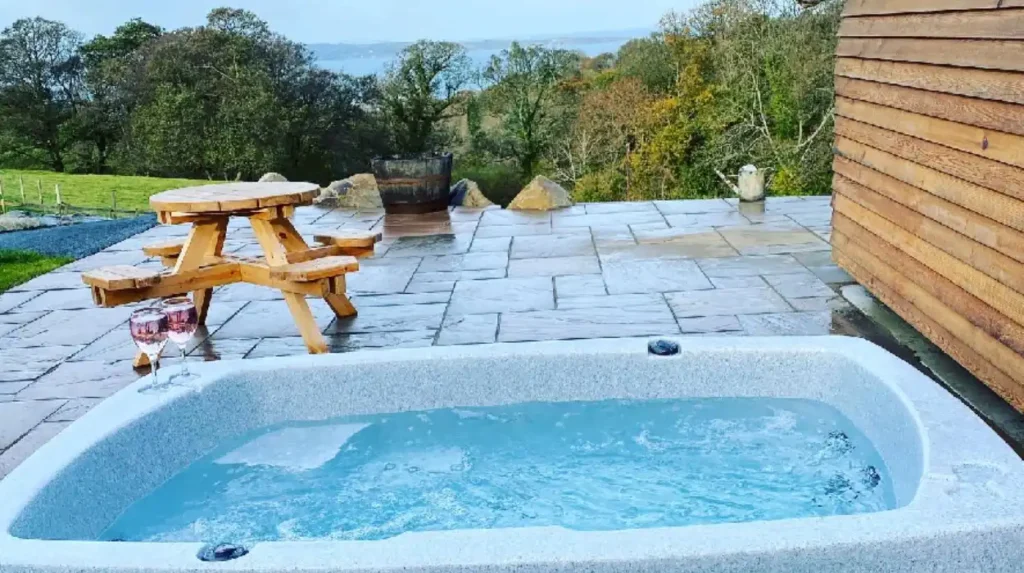
Recreational additions emphasize outdoor relaxation. Private cedar hot tubs, electric whirlpool baths, and outdoor fire lounges sit on dedicated wooden decking. Wi-Fi connectivity via satellite broadband and integrated Bluetooth sound systems standardizes digital utility access.
How does seasonality affect the Welsh glamping experience?
Seasonality affects the Welsh glamping experience by altering weather conditions, daylight hours, regional visitor volumes, site pricing, and the visual character of the surrounding natural landscape across spring, summer, autumn, and winter.
Summer represents the peak operational period across Wales. High temperatures ranging from 18°C to 25°C permit extended outdoor living, coastal watersports, and evening stargazing. Coastal sites experience maximum booking occupancy, elevated nightly rates, and busy regional infrastructure.
Autumn brings lower ambient temperatures, increased rainfall, and shifting forest foliage across national parks. Visitor volumes decline relative to summer, increasing accommodation availability. Heating systems like internal log burners become central to the daily stay experience.
Winter introduces cold weather conditions with temperatures frequently dropping below 5°C. Fully winterized timber pods and shepherd huts remain operational due to heavy insulation. Seasonal pricing reaches annual lows, attracting guests seeking quiet retreats and clear night skies within dark sky areas.
Spring sees rising temperatures, blooming flora, and active agricultural activity across farm-based sites. Daylight stretches to support day hikes, while night conditions remain cold enough to utilize hot tubs and internal hearths.
What are the main environmental benefits of choosing glamping?
The main environmental benefits of choosing glamping include reduced physical land disturbance, lower operational carbon outputs through off-grid energy usage, supporting local biodiversity conservation, and promoting sustainable low-impact domestic tourism.
Physical construction footprints remain low compared to traditional concrete hotel developments. Glamping units sit on raised timber pile foundations or ground screws, eliminating the need for extensive excavation or deep concrete foundations. Structures can be uninstalled without altering the native terrain.
Energy infrastructure across rural sites emphasizes renewable off-grid technology. Photovoltaic solar arrays generate power for light-emitting diode (LED) lighting, phone charging, and water pumps. Biomass boilers and locally sourced timber heat internal living spaces and hot tubs.
Water usage and waste treatment employ sustainable engineering designs. Rainwater harvesting systems collect greywater for site maintenance, while low-flow showerheads reduce fresh water consumption. Advanced composting toilets process organic waste without requiring chemical treatments or mains sewage connections.
Land management practices around sites actively prioritize biodiversity restoration. Operators dedicate acreage to wildflower meadows, native tree planting, and wildlife corridor preservation. These practices protect local species such as red kites, otters, and native bat populations.
What legal planning and building regulations govern glamping sites in Wales?
Legal planning and building regulations in Wales govern glamping through town planning permissions, environmental impact assessments, water drainage approvals, and safety compliance certifications enforced by local council planning authorities.
Site development requires planning permission from local council bodies or national park authorities. Applicants must submit detailed environmental impacts, traffic management proposals, and site layout plans before setting up semi-permanent structures.
Change of use applications alter designated agricultural land into commercial holiday space. Local authorities analyze visual landscape impacts, noise generation, and road network capacity. Developments within statutory National Parks face stringent architectural design controls to preserve regional visual identity.
Building regulations apply to structures fitted with permanent plumbing, electrical connections, or solid fuel heating appliances. Wood-burning stoves must comply with HETAS safety installation standards to prevent chimney fires and carbon monoxide hazards inside canvas or timber shells.
Environmental health standards regulate water supply and sewage disposal. Sites operating off-grid septic systems or package treatment plants must obtain environmental permits from Natural Resources Wales (NRW). These licenses prevent untreated effluent discharge into local watercourses and protect ground aquifers.
How should travelers plan and prepare for a Welsh glamping trip?
Travelers should plan for a Welsh glamping trip by evaluating structural amenities, packing weather-appropriate outdoor apparel, verifying site accessibility routes, and securing advance reservations during peak seasonal periods.
Selecting the correct structural format depends on personal mobility and comfort needs. Travelers seeking complete domestic infrastructure should target timber pods or shepherd huts equipped with ensuite bathrooms. Those desiring open-air sleeping can select canvas safari tents or yurts.
Packing strategies must account for rapid weather changes across Welsh coastal and mountain zones. Essential items include waterproof outer jackets, sturdy hiking boots, thermal base layers, and slip-on footwear for moving between indoor spaces and outdoor hot tubs. Bringing headlamps or torch lights helps navigate rural sites lacking bright overhead lighting.
Transportation logistics require verification before departure. Many remote sites sit down single-track rural lanes far from public transit networks. Travelers should confirm vehicle access rules, parking facilities, and availability of electric vehicle charging points on-site.
Reservation timing dictates site choice and availability. Coastal sites in Pembrokeshire and mountain locations in Eryri sell out months in advance for summer dates. Booking four to six months early secures preferred dates, while shoulder seasons offer flexible booking windows.
Frequently Asked Questions
What should I pack for a glamping trip in Wales?Pack waterproof outerwear, sturdy hiking boots, and warm thermal layers to accommodate sudden weather changes. Bring slip-on shoes for stepping outside, a headlamp for navigating unlit rural pathways at night, and personal toiletries. Most sites supply bedding and cooking utensils.
Are glamping sites in Wales open during the winter?
Yes, many timber pods, shepherd huts, and treehouses operate continuously throughout winter. These insulated structures include electric heating or wood-burning stoves to keep interior spaces warm. Fabric tents generally close during cold months.
Can I bring my dog on a Welsh glamping holiday?
Numerous sites across Wales offer dog-friendly accommodation with enclosed decking and private fields. Always check individual site rules regarding pet limits and leash requirements near local livestock. Advance booking is required for pet-friendly units.
Do glamping structures have private bathrooms and electricity?
Luxury pods, shepherd huts, and safari tents routinely feature internal flushing toilets, hot showers, and mains electricity. Off-grid sites may utilize high-spec composting toilets, solar lighting, and USB charging points instead.
Is glamping suitable for families with young children?
Glamping works well for families by offering real beds, secure structures, and outdoor play space. Larger safari tents and multi-room pods accommodate children easily. Sites frequently provide child-friendly amenities like fire pits for outdoor cooking.