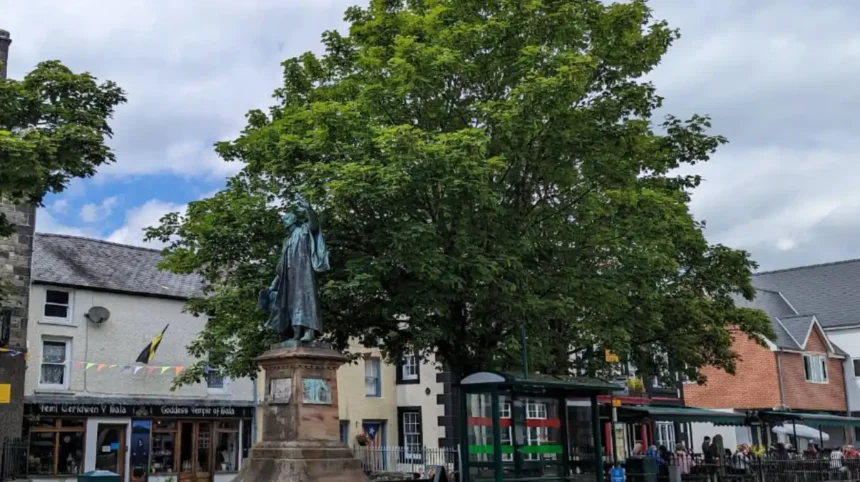
Bala Wales is a historic market town situated in Gwynedd within the boundaries of Eryri National Park. The town lies at the northern shore of Llyn Tegid, which is the largest natural body of water in Wales covering over 1,100 acres. Founded formally under a royal charter in 1324 by Roger de Mortimer to maintain order, Bala possesses a deep heritage linked to the traditional wool trade, flannel production, and knitted stockings during the eighteenth century. Geographically, the settlement acts as a primary gateway to the Penllyn region, surrounded by the Berwyn, Arenig, and Aran mountain ranges.
- Why Is Llyn Tegid Central to the Ecosystem and Economy of Bala Wales?
- How Did Religious and Educational Movements Shape the History of Bala Wales?
- What Are the Key Outdoor Activities and Attractions Available in Bala Wales?
- What Is the Socioeconomic Impact of Tourism and Conservation in Bala Wales?
- Frequently Asked Questions
The surrounding topography was heavily shaped by Ice Age glacial activity, creating deep valleys and high-altitude plateau environments. Bala served as an essential hub for early Welsh nonconformist religious movements, heavily influenced by key historical figures such as Thomas Charles. Today, the town acts as a central administrative and cultural focal point for Welsh-speaking communities in North Wales. Its unique geographical positioning provides essential ecological corridors connecting upland habitats to freshwater river systems like the River Dee.
Why Is Llyn Tegid Central to the Ecosystem and Economy of Bala Wales?
Llyn Tegid is the largest natural lake in Wales, measuring over four miles long and half a mile wide, with depths reaching up to 137 feet. The lake is ecologically famous for harboring the rare gwyniad fish, a unique salmonid species that survived the last Ice Age and is found nowhere else on earth. Hydrologically, Llyn Tegid regulates the flow of the River Dee, serving a crucial role in regional water management, conservation, and flood prevention across North Wales. Economically, the lake forms the foundation of local tourism, attracting thousands of water uk/sports/">sports enthusiasts annually for sailing, kayaking, paddleboarding, and windsurfing.
Three designated public access points around the lake boundary provide regulated entry for recreational vessels, ensuring environmental protection rules remain enforced. Local commercial providers supply equipment hires, professional instruction, and vessel launching permits that feed revenue directly into the Gwynedd local economy. The surrounding lake shoreline supports rare flora, including the floating water-plantain, protected under international conservation laws. Continuous environmental monitoring ensures that agricultural runoff and human activity do not disrupt the delicate nutrient balance of this ancient aquatic habitat.
How Did Religious and Educational Movements Shape the History of Bala Wales?
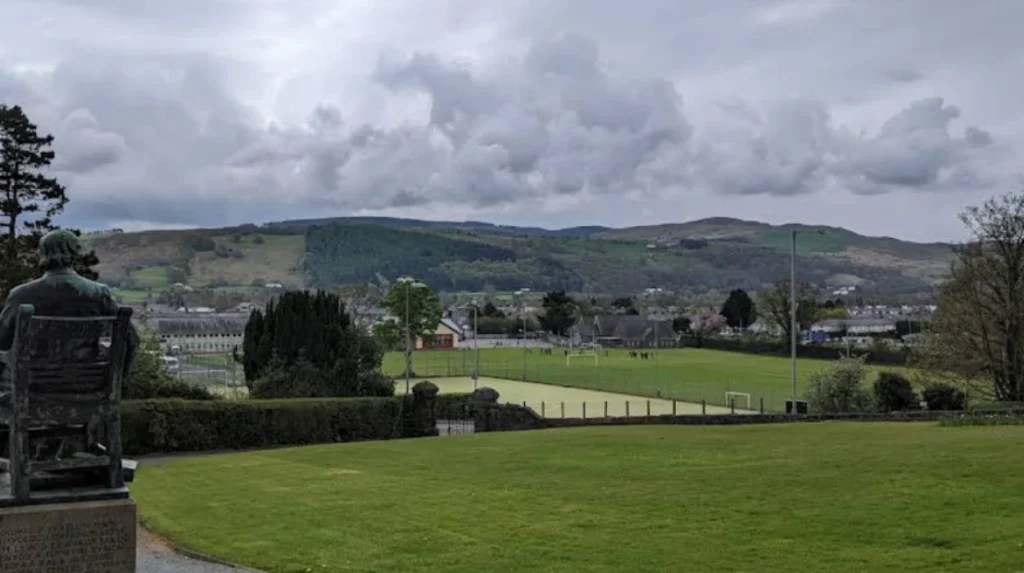
Bala Wales played a foundational role in the evolution of modern Welsh religious culture, education, and language preservation during the eighteenth and nineteenth centuries. Reverend Thomas Charles settled in Bala in 1784 and organized groundbreaking circulating school systems that taught rural Welsh populations how to read and write in their native language. In 1800, fifteen-year-old Mary Jones walked 26 miles barefoot from Llanfihangel-y-Pennant to Bala to purchase a Welsh-language Bible from Thomas Charles. This legendary event directly inspired the founding of the British and Foreign Bible Society in 1804, an organization that subsequently distributed hundreds of millions of scriptures globally.
Bala also hosted major theological institutions, including Coleg Y Bala, established in 1837 to train Calvinistic Methodist ministers and educators. These institutions transformed the town into a recognized intellectual center for nonconformist Christian theology across the United Kingdom. The establishing of print shops and publishing houses in Bala further accelerated the distribution of Welsh literature, political tracts, and educational materials. The legacy of these educational movements remains evident today, as the area retains one of the highest percentages of native Welsh speakers anywhere in Wales.
What Are the Key Outdoor Activities and Attractions Available in Bala Wales?
Bala Wales offers world-class outdoor recreation ranging from high-adrenaline white water sports to historic heritage railway rides. The National White Water Centre, located on the dam-controlled River Tryweryn, provides year-round white water rafting, canoeing, and steep-creek kayaking opportunities. The Bala Lake Railway operates historic narrow-gauge steam trains along a nine-mile return track running beside the eastern shoreline of Llyn Tegid. Hikers and mountaineers utilize Bala as a basecamp to access major surrounding peaks, including Aran Fawddwy reaching 2,970 feet and Arenig Fawr reaching 2,800 feet.
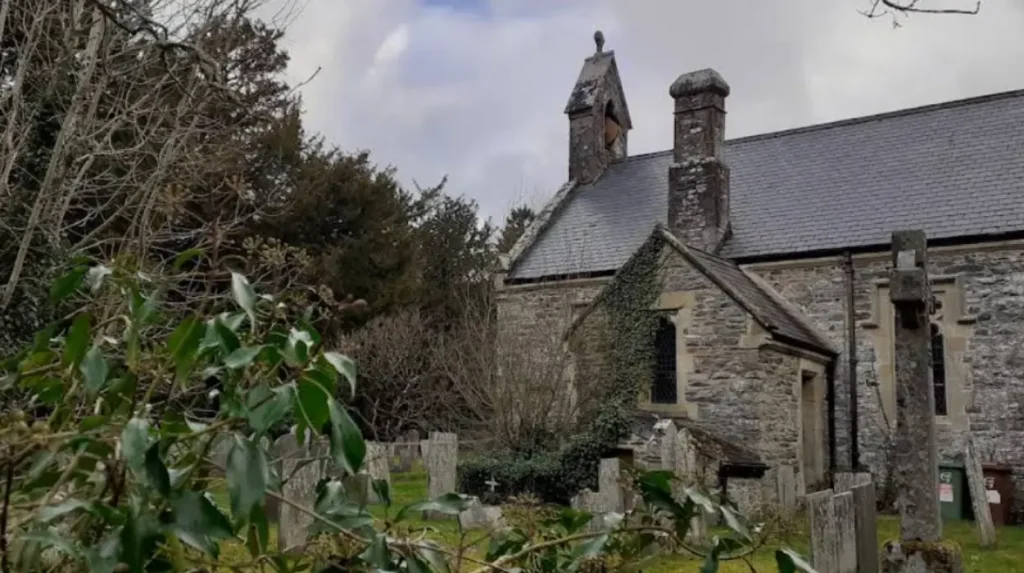
Mountain biking enthusiasts access specialized single-track trails throughout the nearby Coed y Brenin Forest Park, located just west of the town center. Anglers frequently visit the region to target fourteen native fish species within Llyn Tegid, including pike, perch, trout, and grayling. The town center features preserved historical architecture, independent retail shops, local traditional butchers, and authentic Welsh heritage pubs. Local heritage trails provide walking tours highlighting historic locations, such as Tomen y Bala, an ancient Norman motte-and-bailey earthwork structure built in the late eleventh century.
What Is the Socioeconomic Impact of Tourism and Conservation in Bala Wales?
Tourism generates millions of pounds annually for the local economy of Bala Wales, supporting hundreds of jobs across hospitality, retail, outdoor instruction, and transportation. Balance must be maintained between promoting outdoor tourism and protecting the environmentally sensitive habitats of Eryri National Park. Natural Resources Wales actively manages public facilities, boat launch permits, and footpaths to minimize soil erosion, littering, and wildlife disruption along the Llyn Tegid perimeter. Regional conservation initiatives focus on maintaining water quality standards, controlling invasive non-native plants, and restoring native broadleaf woodland habitats surrounding the valley basin.
The local community emphasizes sustainable tourism practices designed to preserve local Welsh culture, authentic language usage, and historical architecture alongside economic expansion. Strategic investments in infrastructure have improved public transport connections, electric vehicle charging stations, and public parking facilities around major activity sites. Local businesses increasingly adopt green business schemes, reducing single-use plastics and sourcing agricultural products directly from nearby farms. By prioritizing sustainable growth models, Bala ensures that natural assets remain resilient against environmental pressures while continuing to support regional economic prosperity.
Frequently Asked Questions
What is Bala Wales famous for?
Bala Wales is famous for housing Llyn Tegid, the largest natural lake in Wales, and serving as a historical hub for Welsh nonconformist religious history. It is also world-renowned for white water rafting on the River Tryweryn and the historic Bala Lake Railway.
Can you swim in Bala Lake (Llyn Tegid)?
Yes, wild swimming is permitted in Llyn Tegid, but swimmers must follow local safety guidelines due to deep water and sudden temperature drops. Registration or local permits may be required for specific access areas, and caution is advised near boat launch zones.
Is Bala Wales located inside Eryri (Snowdonia) National Park?
Yes, Bala is located directly inside the eastern boundary of Eryri National Park in Gwynedd, North Wales. The town serves as a major gateway for hiking the Berwyn, Aran, and Arenig mountain ranges.
What rare animal lives in Bala Lake?
Llyn Tegid is famous for the gwyniad, a rare freshwater fish species that is a relic from the last Ice Age. The gwyniad is critically protected and is found naturally nowhere else in the world.
How far is Bala Wales from major cities in North Wales and England?
Bala is situated roughly 45 miles west of Chester, England, and approximately 30 miles east of coastal towns like Porthmadog. Its central position makes it easily accessible via the A494 and A4212 roads.