
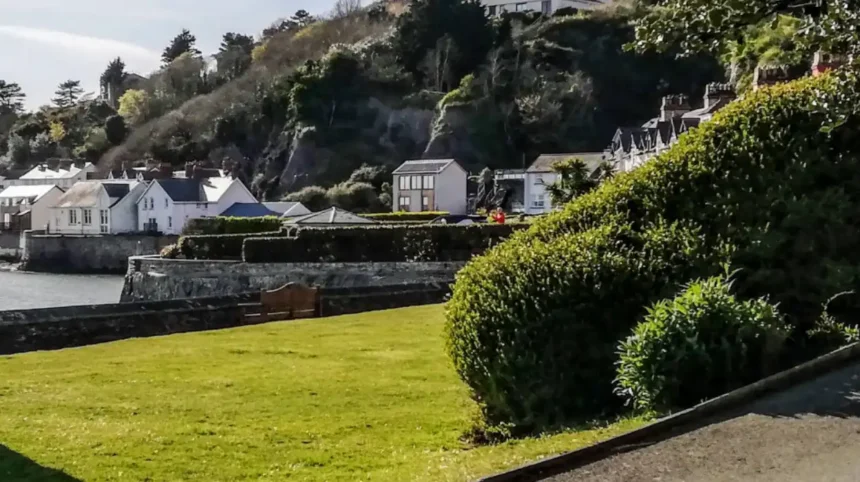
Aberdovey, officially known in Welsh as Aberdyfi, is a historic coastal settlement in Gwynedd, Wales. It sits on the northern bank of the River Dyfi estuary where the freshwater meets Cardigan Bay.
- What Is the History and Maritime Heritage of Aberdovey Wales?
- Where Is Aberdovey Located and How Do You Access It?
- What Are the Main Attractions and Things to Do in Aberdovey Wales?
- What Is the Climate and Best Time to Visit Aberdovey Wales?
- What Wildlife and Natural Habitats Exist in the Dyfi Estuary?
- What Is the Local Economy and Property Market in Aberdovey Wales?
- What Cultural Legends and Music Define Aberdovey Wales?
- Frequently Asked Questions
The village occupies a strategic position inside Eryri National Park, historically known as Snowdonia National Park. Geographical records place the village at latitude 52.545 degrees North and longitude 4.055 degrees West. The area experiences a temperate maritime climate with annual rainfall averaging 1100 millimeters. The settlement features a resident population of 538 people according to recent census data. The surrounding land features steep slate hillsides descending directly toward salt marshes and sandy coastlines.
The name Aberdyfi translates from Welsh as the mouth of the Dyfi River. Historical documentation confirms human activity in the region dating back to the Roman occupation of Britain around AD 78. Early inhabitants utilized the sheltered estuary for harbor access and fishing. Medieval records note that Prince Maelgwn Gwynedd convened a council of Welsh chieftains on the local sands in AD 547. The village served as an essential ferry crossing point for travelers navigating along the coast of Mid Wales during the twelfth century.
Maritime infrastructure expanded rapidly during the industrial revolution in the nineteenth century. Local yards constructed 45 sailing vessels between 1840 and 1880 to transport slate, oak bark, and lead ore. The arrival of the Aberystwyth and Welsh Coast Railway in 1863 connected the harbor to national industrial markets. Contemporary Aberdovey operates primarily as a destination for maritime tourism, sailing, and nature conservation. The Dyfi Estuary holds official status as a UNESCO Biosphere Reserve.
What Is the History and Maritime Heritage of Aberdovey Wales?
Aberdovey Wales grew from a medieval estuary ferry crossing into a major nineteenth-century shipbuilding port exporting slate across the British Empire. Its sheltered deepwater channel allowed timber vessel construction, commercial fishing, and cargo transit before rail networks transformed local economic priorities.
The recorded history of Aberdovey centers on its geographical advantage as a natural harbor along the Irish Sea coast. In 1597, during the Anglo-Spanish War, a stranded Spanish warship named the Bear of Amsterdam anchored in the estuary for ten days. The event highlighted the strategic isolation and defensible nature of the Dyfi waterway. During the eighteenth century, commercial maritime traffic expanded as local traders established routes to Liverpool, Bristol, and Ireland.
The shipbuilding industry reached its economic peak between 1840 and 1880. Seven distinct shipyards operated along the shoreline at Penhelig and Bodfor Terrace. Master shipbuilders utilized locally harvested oak timber to construct schooners, brigantines, and smacks. The vessels transported slate from the quarries of Corris and Abergynolwyn directly to domestic and international ports. The local harbor jetty, built in 1887, integrated rail tracks directly onto the pier to accelerate coal imports and mineral exports.
Folklore remains deeply entwined with the history of the settlement. Aberdovey is famous for the legend of Cantre’r Gwaelod, a mythical sunken kingdom beneath Cardigan Bay. Traditional stories state that church bells from the drowned land ring beneath the estuary waves during low tide. This legend inspired the famous eighteenth-century song titled The Bells of Aberdovey, written by Charles Dibdin.
Maritime safety played a key operational role in village development. The Royal National Lifeboat Institution opened an official station in Aberdovey in 1853. The station has operated continuously for over 170 years to navigate the hazardous outer sandbars known as the Dovey Bar. The introduction of steamships and deeper draught vessels eventually reduced commercial harbor traffic by 1950. The village transitioned into a maritime heritage site, preserving Victorian slate architecture along the waterfront promenade.
Where Is Aberdovey Located and How Do You Access It?
Aberdovey Wales sits on the northern shore of the Dyfi Estuary in Gwynedd, accessible via the A493 coastal road and the scenic Cambrian Line railway. Transport connections route through Machynlleth, connecting the coastal village to major regional cities across Wales and England.
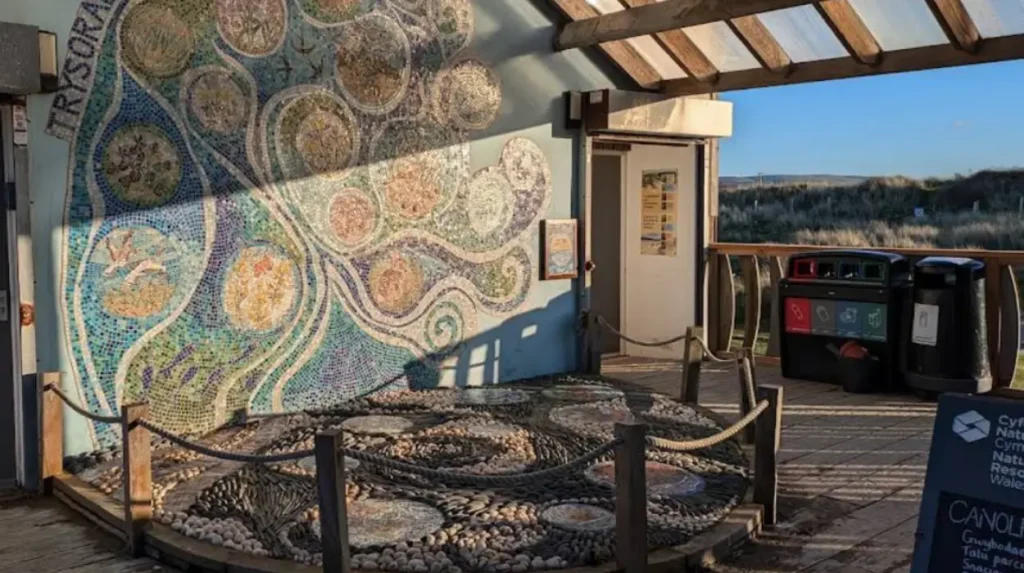
The geographical coordinates of Aberdovey place it at the southern border of Gwynedd, directly facing the county of Ceredigion across the estuary waters. Road access from the east relies on the A487 road to Machynlleth, followed by the A493 road running west along the river bank. The highway covers a distance of 10 miles from Machynlleth through Pennal into Aberdovey. Driving distances from major urban centers include 115 miles from Birmingham, 100 miles from Liverpool, and 120 miles from uk/local/cardiff/">Cardiff.
Public transport is served by Transport for Wales along the Cambrian Coast Line. The village contains two separate railway stations: Aberdovey station near the western beach and Penhelig station to the east. Direct passenger rail services run daily between Machynlleth, Shrewsbury, and Birmingham New Street. The rail line follows the coastline, traversing mountain tunnels built through solid slate rock during the 1860s.
Pedestrian access relies on the Wales Coast Path, a continuous 870-mile long national walking route. The path section traversing Aberdovey spans from Tywyn in the north down to the Dyfi mudflats. The estuary acts as a natural road barrier, requiring vehicles traveling south toward Aberystwyth to drive inland via Machynlleth to cross the nearest bridge. Passenger ferry services historically crossed the water to Ynyslas, but modern access relies exclusively on road and rail transport.
What Are the Main Attractions and Things to Do in Aberdovey Wales?
Aberdovey Wales offers sandy beaches, a championship golf course, sailing facilities, and hiking trails within the protected landscapes of Eryri National Park. Visitors engage in outdoor recreation, historic sight-seeing, and coastal water sports throughout the year.
Aberdovey Beach stretches continuously for four miles from the harbor mouth westward toward Tywyn. The beach features golden sand dunes, shallow tide pools, and views across Cardigan Bay. The shoreline supports water sports including windsurfing, kitesurfing, paddleboarding, and sailing. Aberdovey Yacht Club, established in 1921, organizes regular dinghy races and regattas inside the sheltered estuary channel.
Aberdovey Golf Club sits directly behind the seafront sand dunes. Founded in 1892, this 18-hole championship links course measures 6,721 yards from the back tees. Legendary golf writer Bernard Darwin played extensively on this course, raising its international profile. The links layout features natural turf, undulating fairways, and coastal winds that challenge players of all skill levels.
The village wharf remains a focal point for family activities and maritime leisure. Children and visitors crab from the wooden harbor pier using handlines. Located nearby is the Outward Bound Trust center, established in Aberdovey in 1941 as the world’s first adventure education school. Nearby walking trails include the climb to Roman Camp viewpoint and hikes through the Llyfnant Valley, offering panoramic views of the Cader Idris mountain range.
What Is the Climate and Best Time to Visit Aberdovey Wales?
Aberdovey Wales experiences a temperate maritime climate with mild winters, cool summers, and variable rainfall influenced by the Atlantic Ocean. The optimal visiting period runs from May to September, offering longer daylight hours, warmer temperatures, and operational outdoor activities.
Summer temperatures between June and August average daily highs of 18 degrees Celsius to 21 degrees Celsius. Sunlight extends up to 16 hours per day during the summer solstice in June. Sea water temperatures in Cardigan Bay peak in August at approximately 15 degrees Celsius to 17 degrees Celsius, creating suitable conditions for swimming and water sports. High tourism occupancy occurs during national school holidays in July and August.
Spring and autumn bring moderate weather conditions and lower tourist volumes. Springtime from April to May sees daytime temperatures ranging from 11 degrees Celsius to 15 degrees Celsius, alongside blooming coastal wildflowers. Autumn months like September and October feature average high temperatures of 14 degrees Celsius, making it suitable for walking and golfing.
Winter weather from November to February is characterized by frequent rain and coastal winds. Average daytime temperatures range between 4 degrees Celsius and 8 degrees Celsius. Frost is rare along the immediate coastline due to the thermal influence of the Gulf Stream. Many seasonal tourism businesses reduce operating hours during winter, but rail services and nature reserves remain open year-round.
What Wildlife and Natural Habitats Exist in the Dyfi Estuary?
The Dyfi Estuary surrounding Aberdovey Wales contains mudflats, salt marshes, and shingle beaches protected under UNESCO Biosphere Reserve status. The ecosystem supports migratory bird populations, marine mammals, and rare coastal vegetation.
The Dyfi National Nature Reserve covers over 4,000 hectares of diverse coastal wetland habitat. The tidal mudflats produce abundant invertebrates, providing feeding grounds for thousands of wintering waterfowl. Bird species inhabiting the estuary include wigeon, teal, dunlin, oystercatchers, and curlews. Cors Dyfi Nature Reserve, located further up the valley, hosts breeding populations of osprey managed by the Montgomeryshire Wildlife Trust.
Marine life inside Cardigan Bay includes resident populations of bottlenose dolphins, harbor porpoises, and Atlantic grey seals. Boat trips departing from Aberdovey harbor allow visitors to observe these marine mammals in their natural environment. The shallow estuary waters serve as critical nursery areas for commercial fish species, including sea bass, flounder, and mullet.
The sand dune systems at Ynyslas and Aberdovey host specialized floral communities. Marram grass stabilizes the shifting sand structures, while sea pinks, orchid species, and sea holly bloom across the fixed dunes. Conservation management ensures that human recreational activities do not disturb the fragile ecological balance of the dune systems.
What Is the Local Economy and Property Market in Aberdovey Wales?
The economy of Aberdovey Wales relies primarily on tourism, retail, hospitality, and marine services following the decline of traditional heavy industry. The property market features a mix of Victorian stone houses, coastal apartments, and secondary holiday residences.
Economic data indicates that over 60 percent of local employment ties directly to tourism-related businesses. Key commercial operations include independent hotels, guest houses, pubs, holiday lettings, and retail shops. Agricultural operations on surrounding mountain farms focus on sheep and cattle grazing. Commercial fishing continues on a small scale, with local boats harvesting lobster, crab, and bass from harbor berths.
The residential property market in Aberdovey exhibits higher average sale prices than surrounding Gwynedd settlements. Historical housing stock consists of mid-nineteenth-century pastel-colored terrace houses along Sea View Terrace and Bodfor Terrace. Modern developments offer beachfront apartments with direct sea views. Demand for second homes and holiday rentals impacts local housing stock availability, leading to targeted local council tax policies designed to support primary residents.
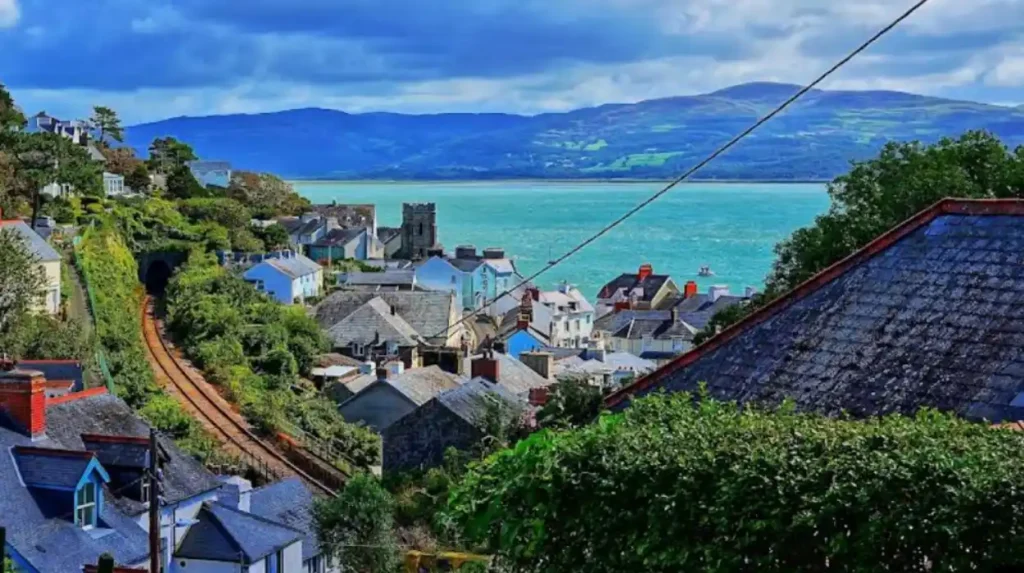
Infrastructure development prioritizes sea defense maintenance and harbor preservation. Environment Agency Wales monitors shoreline management plans to protect low-lying property from winter storm surges and tidal shifts. Investments in high-speed digital broadband continue to attract remote workers seeking a coastal lifestyle inside Eryri National Park.
What Cultural Legends and Music Define Aberdovey Wales?
Aberdovey Wales holds a prominent position in Welsh folklore and musical history through its association with lost lands and traditional folk songs. The village’s cultural identity revolves around maritime storytelling, national poetry, and Welsh language heritage.
The primary legend connected to Aberdovey is Cantre’r Gwaelod, the Lowland Hundred. Mythology states that a fertile, low-lying land once extended far out into Cardigan Bay, protected from the sea by a complex system of dykes and sluice gates. The story claims that a appointed guardian named Seithenyn neglected his duties during a feast, allowing storm waters to breach the gates and permanently submerge sixteen cities.
The folk song Clychau Aberdyfi, known in English as The Bells of Aberdovey, honors this submerged kingdom. The piece gained widespread popularity after poet John Ceiriog Hughes composed Welsh lyrics for it during the nineteenth century. The song remains a standard performance item for Welsh male voice choirs across the nation. A physical chime of bells was installed at Aberdovey Pier to allow visitors to play the famous musical sequence manually.
Welsh culture remains active within the local community. The Welsh language is spoken natively by a significant portion of the resident population. Local schools, cultural events, and community councils maintain bilingual operations. Annual events like harbor regattas and food festivals celebrate the history of this maritime village.
Frequently Asked Questions
What is the difference between Aberdovey and Aberdyfi?
Aberdovey is the anglicized spelling of the original Welsh name, Aberdyfi. Both names refer to the exact same coastal village located in Gwynedd, Mid Wales. The Welsh spelling Aberdyfi is widely used on official road signage and government documentation across the region.
Can you swim safely at Aberdovey Beach?
Swimming is popular along Aberdovey Beach, but visitors must remain cautious regarding tidal currents. The Dyfi Estuary experiences strong water movements during tide changes, creating hazardous conditions near the river mouth. Swimmers should stay within designated beach zones and avoid the deep channel currents.
How do you travel to Aberdovey without a car?
Travelers can access Aberdovey using the Cambrian Coast Line train service operated by Transport for Wales. Direct passenger trains run from Shrewsbury and Machynlleth straight to Aberdovey and Penhelig stations. Local bus routes also connect the village to nearby coastal towns like Tywyn and Machynlleth.
Are dogs allowed on Aberdovey Beach?
Dogs are welcome on Aberdovey Beach throughout the year, but seasonal restrictions apply in specific zones. Between April 1st and September 30th, dogs are excluded from the main section of beach in front of the seafront promenade. Surrounding beach areas to the west remain open to dog walkers all year.
What is the legend of the Bells of Aberdovey?
The legend stems from the myth of Cantre’r Gwaelod, a ancient land submerged beneath Cardigan Bay. Local tradition claims that the church bells of the sunken kingdom can still be heard ringing beneath the estuary waves. This folk story inspired the famous nineteenth-century Welsh song Clychau Aberdyfi.