
Cowbridge, Wales, is a historic market town located in the Vale of Glamorgan. The settlement originated during the Roman period as a military fort. It later expanded significantly after receiving its official borough charter from Richard de Clare in 1254.
- How Did Roman Settlements Influence Cowbridge, Wales?
- What Are the Key Architectural Landmarks in Cowbridge, Wales?
- How Does the Cowbridge Physic Garden Function?
- What Is the Demographic and Population Data for Cowbridge?
- How Do Local Businesses and Markets Operate in Cowbridge?
- What Are the Transportation and Accessibility Options for Cowbridge?
- FAQs About Cowbridge, Wales
The Vale of Glamorgan represents a county borough in Wales known for its undulating topography and agricultural productivity. Cowbridge operates as the central commercial hub within this specific geographical boundary. The settlement sits precisely fourteen miles west of the Welsh capital city of uk/local/cardiff/">Cardiff. The foundational history of the area begins centuries before the medieval era. Early human populations, such as Neolithic farmers and Bronze Age tribes, inhabited the region. Archaeologists uncovered a historical burial structure, specifically a Bronze Age cairn, on the modern Westgate Street.
The recorded history of the municipality officially commences in the thirteenth century. Richard de Clare served as the Lord of Glamorgan during this specific historical timeframe. He formally granted a borough charter to the settlement on March 13, 1254. This legal document established Cowbridge as an economic center focused on market trading activities, such as livestock and crop sales. The town planning involved creating exactly fifty-nine and a half burgage plots by the year 1263. Local residents, such as merchants and tradesmen, paid an annual rental fee of one shilling for each plot.
The medieval layout of the town remains visible in the modern infrastructure. Planners designed a single long street intersected by perpendicular property dividers, such as timber fences and stone boundary walls. The town required defensive structures, such as gates and parapets, to protect the lucrative market activities. Authorities constructed the main town defenses, such as the thick stone walls, shortly after the issuance of the 1254 charter. The fortification system included four distinct access portals, specifically the North, South, East, and West gates, for merchants and travelers. Only the South Gate structure survives in the present day.
How Did Roman Settlements Influence Cowbridge, Wales?
The Roman Empire established a settlement named Bovium at the current site of Cowbridge Wales. This military installation operated along a major transportation route. Excavations reveal extensive Roman infrastructure, including bathhouses, commercial centers, and road networks built for military logistics.
The Roman occupation of South Wales fundamentally dictated the geographical placement of the town. Scholars identify the area as the Roman fort of Bovium. The location provided strategic advantages for military logistics and regional control. The main Roman transport arteries, such as the Via Julia Maritima, directly passed through the center of the modern municipality. This transportation corridor facilitated the movement of military assets, such as infantry cohorts and supply wagons, across the territory. The current High Street accurately follows the original trajectory of this ancient Roman road.
Archaeological excavations provide concrete data regarding the extent of the Roman infrastructure. Researchers uncovered various historical artifacts, such as bronze coins, pottery fragments, and carved monuments. A significant excavation at the Arthur John car park revealed a Roman military bathhouse. This facility served the hygiene and social needs of the stationed military personnel, such as legionaries and auxiliaries. The same site contained a small cemetery used by the local civilian populations, such as merchants and native Britons, during the occupation. The Bear Field area demonstrated extensive evidence of industrial manufacturing activities, such as iron working and pottery firing.
The Roman influence established a precedent for continuous human habitation in the region. The departure of the Roman military in the fifth century left a documented historical gap. Very limited physical evidence exists regarding the settlement status between the fifth and thirteenth centuries. The physical structures left by the Romans, such as the road foundations, influenced subsequent medieval town planners. The primary east to west route remained the dominant transportation artery for subsequent travelers, such as medieval merchants and stagecoach drivers. Modern highway systems still utilize geographical variations of these initial Roman geographical routes.
What Are the Key Architectural Landmarks in Cowbridge, Wales?
Cowbridge Wales features numerous historical buildings that demonstrate medieval and Georgian architectural styles. The most prominent structures include the surviving South Gate, the medieval Holy Cross Church, and various Grade II listed residential properties constructed by affluent local merchant families.
The architectural landscape of the municipality reflects distinct phases of historical development. The town retains significant portions of its original medieval defensive systems, such as the stone barricades. Cowbridge represents one of the few walled towns remaining in the nation of Wales. The town walls encapsulate the Old Hall gardens in the southwestern sector. The South Gate stands as the sole surviving entrance from the original four historical gateways, which included the North, East, and West gates. This structure functions as the only remaining town gate within the entire historic county of Glamorgan.
Religious architecture forms a central component of the built environment. The Holy Cross Church serves as the primary ecclesiastical building within the parish boundaries. Builders initially constructed this stone edifice as a chapel of ease to serve the nearby Llanblethian parish. The structural design incorporates heavy masonry and defensive characteristics, such as thick walls and narrow window slits, typical of the early medieval period. The building underwent various structural modifications, such as the addition of aisles and a tower, during subsequent centuries to accommodate growing congregations. The church currently maintains its status as an active place of worship.
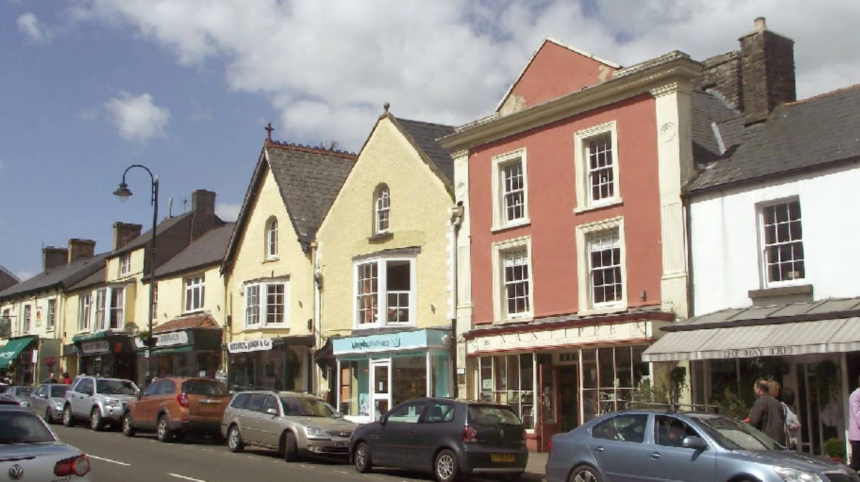
The residential architecture along the main thoroughfare predominantly showcases Georgian design principles. Wealthy merchants and important local families constructed large residential townhouses, such as the Great House, during the eighteenth century. The Edmondes and Carnes families represented two significant residential property owners during this era. The Great House features intricate external masonry and symmetrical facade elements, such as perfectly aligned sash windows. These specific historic houses, such as the Carnes family residence, demonstrate the economic prosperity the town experienced during the Georgian commercial expansion. Commercial hospitality structures, such as the Bear Hotel and the Duke of Wellington, also contribute heavily to the historical aesthetic.
How Does the Cowbridge Physic Garden Function?
The Cowbridge Physic Garden operates as a reconstructed historical botanical site. The garden cultivates specific plant species traditionally used for medicinal and culinary purposes. Volunteers maintain the grounds to educate visitors about historical healthcare practices and traditional botanical science applications.
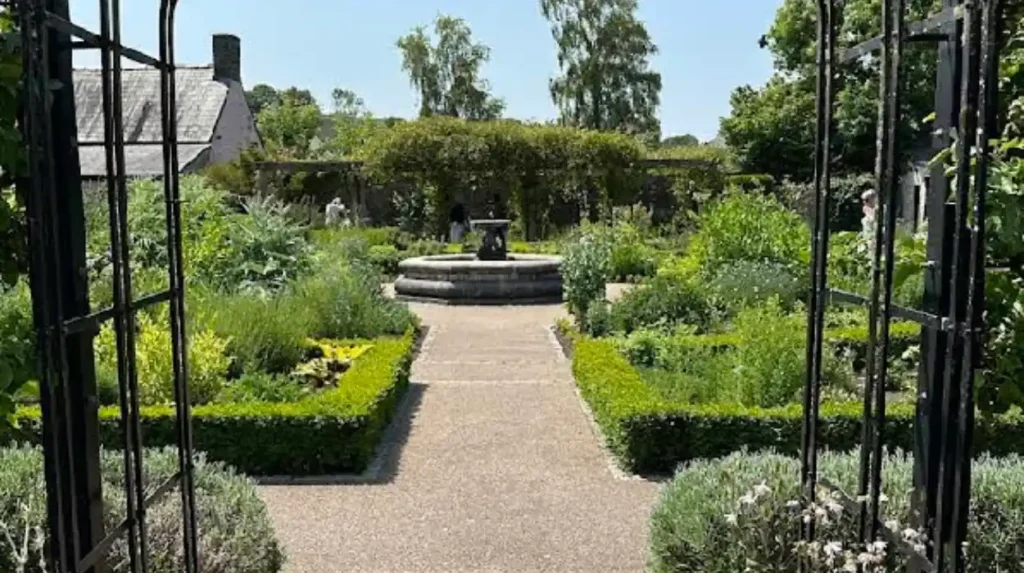
The Cowbridge Physic Garden occupies a half-acre plot within the historic town boundaries. The Cowbridge Physic Garden Trust manages the daily operations of this botanical facility. The organization recreated this specific type of garden to reflect historical horticultural practices. The physical location resides discreetly behind the main commercial properties, such as the retail shops and restaurants on Church Street. The land originally belonged to the Edmondes family estate during the eighteenth century. The modern reconstruction relies entirely on historical architectural blueprints and physical botanical records.
The functional design of the garden prioritizes the categorization of plant species. The layout features symmetrical geometric planting beds divided by structured pathways, such as gravel walks and stone borders. The administrators cultivate exactly two specific plant categories, namely medicinal herbs and culinary plants. All living plant specimens grown on the premises, such as lavender and rosemary, existed in the United Kingdom prior to the year 1800. This chronological restriction ensures strict historical accuracy for local educational programs, such as historical workshops and botanical tours. The resulting environment provides a precise representation of an eighteenth-century apothecary resource.
The medicinal plants demonstrate the historical reliance on botanical remedies for physical healthcare. Medical practitioners historically utilized these specific plant species, such as willow bark and foxglove, to treat various physical ailments, such as fevers and infections. The garden includes designated sections dedicated to plants affecting different human biological systems, such as the respiratory and digestive tracts. Informational signs, such as metal plaques and wooden boards, provide factual data regarding the active chemical compounds, such as salicylic acid, within each species. Medical historians study these specific plant varieties to understand early pharmacological developments, such as natural anesthetics and herbal antiseptics. The garden bridges the knowledge gap between historical folk medicine and modern pharmacological science.
What Is the Demographic and Population Data for Cowbridge?
The demographic profile of Cowbridge indicates a stable population with an increasing median age. The 2011 census recorded 4,063 residents within the immediate community boundaries. The wider electoral ward, including surrounding villages, maintains a total population of 6,180 individuals.
The Office for National Statistics provides precise quantitative data regarding the local population. The 2011 census documented exactly 4,063 permanent residents living within the core community parish. The wider Cowbridge electoral ward encompasses the town and two adjacent residential villages, specifically Llanblethian and Llanfair. This combined electoral district recorded a total population of 6,180 residents during the same census period. The town functions as the primary population center for the surrounding rural agricultural districts, such as the Vale farms. The population density remains moderate compared to major urban centers in South Wales, such as Cardiff and Swansea.
Historical population records demonstrate significant numerical fluctuations over the preceding centuries. By the fourteenth century, the town housed an estimated 1,300 inhabitants. This specific metric made it one of the largest municipal settlements in Wales during the medieval era. The population experienced temporary demographic declines due to historical disease outbreaks, such as the plague, and economic shifts, such as the decline of local milling. The eighteenth century brought renewed demographic growth aligned with commercial expansions, such as the stagecoach industry. The current population figures represent the highest sustained residency numbers in the history of the settlement.
The contemporary demographic composition reflects broader national aging trends within the United Kingdom. The Vale of Glamorgan county recorded a 4.3 percent total population increase between 2011 and 2021. The county census data indicates that 21.3 percent of the current population is aged 65 years or older. Cowbridge attracts a significant number of retirement age individuals due to its specific local amenities, such as accessible healthcare clinics and flat pedestrian zones. This demographic shift impacts the allocation of local municipal resources, such as social care funding and public transport subsidies. The town must continuously adapt its infrastructure to support an older average residency profile.
How Do Local Businesses and Markets Operate in Cowbridge?
Cowbridge operates as a prominent commercial retail center featuring independent and family-owned businesses. The economic structure relies on boutique retail, hospitality venues, and specialized food markets. The town historically functions as the central agricultural market for the Vale region.
The commercial sector of the town centers almost exclusively along the primary High Street. The retail environment features numerous independent commercial enterprises, such as family-owned boutiques and specialized craft shops. Business operators primarily sell upmarket consumer merchandise, such as designer clothing, fine jewelry, and handcrafted leather goods. The absence of major corporate retailers preserves the unique economic character of the settlement. This specific retail composition attracts affluent consumers seeking specialized products unavailable in standard modern shopping malls. The town intentionally cultivates this premium commercial identity to maintain its economic stability.
The hospitality industry forms the second major economic pillar of the local commercial framework. The municipality contains a high concentration of food establishments, such as traditional historic public houses and modern fine dining restaurants. The town hosts an annual food festival every autumn to promote regional culinary businesses, such as artisan bakeries and local breweries. This specific culinary event draws thousands of external visitors to the central commercial district. The influx of culinary tourism provides essential revenue for the local hospitality sectors, such as independent hotels and cafes. The historical function of the town relied entirely on the agricultural market economy.
The 1254 borough charter specifically authorized the collection of municipal tolls for market trading. Farmers from the surrounding Vale of Glamorgan transported their agricultural yields, such as wheat and barley, to the town center. The settlement maintained dedicated market spaces for the sale of live agricultural animals, such as cattle and sheep. This market function centralized the regional agricultural economy within the specific municipal boundaries. The historical market legacy continues through modern retail events, such as the monthly farmers’ markets operating in the present day. The interdependent relationship between the town and the surrounding rural districts sustains the broader regional economy.
Discover how the ancient transit corridors originating from this market town directly influenced urban infrastructure development in the capital by reading our comprehensive exploration of the significance and history of Cowbridge Road Cardiff.
What Are the Transportation and Accessibility Options for Cowbridge?
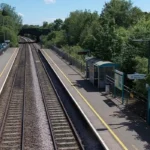
Cowbridge features a transportation network primarily reliant on the A48 road system. Public transportation includes regional bus services connecting the town to Cardiff and Bridgend. The town lacks a dedicated railway station, utilizing the Llantwit Major station five miles away.
The physical accessibility of the town depends heavily on the established highway infrastructure. The A48 road serves as the primary vehicular transport artery connecting the settlement to major urban centers. This specific state highway originally passed directly through the historical center of the town. Civil engineers constructed a modern road bypass to divert heavy motor vehicles, such as commercial transport trucks and logistics vans, away from the historic buildings. The bypass effectively reduces structural vibration damage to the older masonry and decreases commercial center congestion. Vehicles access the main street via designated road junctions, specifically the eastern and western slip roads.
The broader regional highway network connects the town to national transportation grids. The M4 motorway runs parallel to the town several miles to the north. Motorized drivers access the municipality by exiting the M4 at Junction 34 and utilizing the A4119 connecting route. This precise geographical positioning allows rapid transit to adjacent geographical regions, such as the English border and western Welsh counties. The driving distance to the central business district of Cardiff measures exactly fourteen miles. This physical proximity facilitates daily motor vehicle traffic between the rural town and the metropolitan capital.
Public transportation options rely primarily on scheduled municipal and regional bus services. Transit authorities operate regular commercial bus routes connecting the town to Cardiff, Bridgend, and Llantwit Major. These specific transport services provide essential mobility for local residents lacking private vehicle access, such as the elderly and students. The physical bus stops, such as the Town Hall station, occupy strategic locations along the main thoroughfare to ensure maximum pedestrian accessibility. The municipality currently operates without a dedicated passenger railway station within its immediate borders. Train passengers must travel exactly five miles south to access the active railway facilities, such as the platforms and ticket offices, located at the Llantwit Major station.
FAQs About Cowbridge, Wales
Is Cowbridge, Wales a good place to live?
Cowbridge represents a highly desirable residential area within the Vale of Glamorgan. The town offers excellent local amenities, independent retail boutiques, and consistently low regional crime rates. Families frequently relocate to this municipality due to the immediate proximity of high-performing educational institutions. The stable local demographic provides a quiet, secure community environment for long-term residents.
What are the top attractions for a Cowbridge day trip?
Visitors primarily explore the historic High Street featuring family-owned shops and traditional public houses. The reconstructed Cowbridge Physic Garden provides an accurate eighteenth-century botanical and educational experience. Tourists also examine medieval architectural landmarks, specifically the surviving South Gate and Holy Cross Church. The local agricultural markets and annual food festivals attract significant regional crowds.
Does the Cowbridge Physic Garden charge an admission fee?
The Cowbridge Physic Garden provides completely free public admission throughout the entire calendar year. The managing trust operates the historical botanical site relying exclusively on voluntary visitor donations. The garden opens daily, with specific operational hours adjusting based on the current meteorological season. Visitors enter the walled enclosure directly via the access point on Church Street.
How do travelers reach Cowbridge from Cardiff without a car?
Travelers utilize the X2 regional bus service for direct transit between the capital and Cowbridge. This specific public transport route departs from the Cardiff urban center and stops directly on Cowbridge High Street. The transit journey requires exactly forty-five minutes under standard regional traffic conditions. The municipality currently lacks active passenger railway facilities within its borders.
Why did medieval authorities build the Cowbridge town walls?
Officials constructed the heavy stone fortifications immediately following the 1254 borough charter issuance. These thick defensive barriers protected the highly lucrative local agricultural market from regional instability and raids. Cowbridge maintains its status as one of the very few surviving walled municipalities within modern Wales. The South Gate structure represents the sole remaining original defensive gateway.