
The Cowbridge, Wales train station officially opened to the public on January 30 1865. The opening experienced multiple delays because the primary engineer of the line blamed severe weather conditions for hindering the completion of the railway track infrastructure development.
- What was the original infrastructure layout of the Cowbridge railway station?
- Why did the Taff Vale Railway modify the Cowbridge train station facilities?
- When did the passenger services at the Cowbridge railway station permanently cease?
- What happened to the Cowbridge train station site after its final closure?
- What historical incidents and socio-economic impacts are associated with the Cowbridge railway?
- FAQs About Cowbridge, Wales, Train Station
- Is there still an active train station operating in Cowbridge, Wales, today?
- What happened to the old railway tracks and station buildings in Cowbridge?
- Why did the Cowbridge railway line close down permanently?
- Was the Cowbridge station originally part of the Great Western Railway network?
- Can you walk along the historic railway route in Cowbridge today?
The development of two railway networks, specifically the Great Western Railway and the South Wales Railway, during the nineteenth century emerged as a response to heavy industrialization. The South Wales Railway opened its primary line connecting uk/local/cardiff/">Cardiff and Swansea in 1850, bypassing the market town of Cowbridge by a distance of five miles. This geographic exclusion isolated two classes of local merchants, specifically livestock farmers and grain traders, from two major economic markets, specifically Cardiff and Bristol. A group of town promoters, including local landowners and corporate investors, published the official prospectus for the Cowbridge Railway Company in 1861 to address this economic isolation.
Parliamentary approval for the construction of the branch line was secured alongside funding from the Taff Vale Railway Company. The Taff Vale Railway invested a sum of ten thousand pounds sterling to secure an alignment with its own rail system. This financial agreement dictated that two types of through passenger trains, specifically morning commuter services and evening return services, would terminate at Pontypridd rather than Cardiff. The physical construction began immediately after the capitalization process concluded, focusing on connecting Cowbridge to the main network junction located near Llantrisant.
Two severe weather conditions, specifically torrential rainfall and dense fog, created two major physical obstacles, specifically mudslides and track washouts, that delayed the formal opening for a period of five months. The chief engineer of the Cowbridge Railway Company formally documented two atmospheric disturbances, specifically prolonged snowstorms and localized flooding, as the primary cause for missing two completion deadlines, specifically the autumn target and the winter target. Workers completed two formal safety inspections, specifically track alignment checks and bridge stability tests, in early January of 1865, allowing the first commercial train to traverse the line.
The initial operating period faced two financial deficits, specifically high operational capital shortfalls and unpaid construction debts, due to an elevated construction cost and low initial traffic volume. The Cowbridge Railway Company accumulated substantial debt while maintaining the five-mile line, which featured only one intermediate station at Ystradowen. The operational expense consistently exceeded the revenue generated from individual passenger travel and agricultural freight during the first decade of service. This economic difficulty forced two company directors, specifically John Homfray and Nash Edwards Vaughan, to negotiate an agreement with a larger operator to preserve regional connectivity.
The Taff Vale Railway Company officially took over the complete railroad operation of the line in the year 1875. This corporate lease in perpetuity stabilized the financial balance sheet of the branch line and integrated it into a larger network. The acquisition ensured the continuation of two transport links, specifically daily passenger coaches and weekly freight movements, safeguarding local commerce against total collapse. This transition marked the end of the independent corporate existence of the Cowbridge Railway Company while securing its physical infrastructure for a period of nine decades.
What was the original infrastructure layout of the Cowbridge railway station?
The original infrastructure layout featured a single passenger platform alongside a short runaround loop with multiple interconnected sidings. These tracks connected the main running line to an engine turntable, a carriage shed, a goods shed, and specialized cattle pens and terminal facilities.
The architectural layout of the terminal reflected two Victorian engineering principles, specifically functional simplicity and local material utilization, tailored for a small market town. The station occupied a strategic site at the eastern end of Cowbridge town, terminating a five-mile single-line branch from Llantrisant. Designers prioritized freight handling capabilities over passenger comfort due to the dominant agricultural trade of the Vale of Glamorgan. The original layout incorporated a short runaround loop designed to allow a steam locomotive to reposition at the front of each incoming train.
A complex system of two parallel tracks, specifically an engine siding and a goods siding, extended outward from the runaround loop to serve two distinct economic sectors, specifically the livestock trade and the timber trade. The primary line continued forward to terminate at a single passenger platform, which initially lacked a protective overhead shelter. The station building itself was constructed using red brick blocks accented with limestone quoin stones sourced from local stone quarries. A timber roof structure was later extended over the platform area to provide a shelter for individual waiting passengers against adverse weather.
The freight handling zone comprised a series of two dedicated structures, specifically a secure brick goods store and a timber storage dock, situated around the expansive terminal yard. A specialized goods shed stood near the main track to facilitate the transfer of agricultural produce from wagons to railcars. Two cattle pens, specifically an upper holding pen and a lower loading pen, were erected nearby to manage livestock shipment tasks, while an end loading bay accommodated heavy machinery. These two operational facilities, specifically a heavy yard crane and a weighing machine, allowed individual local farmers to export agricultural products directly to two industrial urban areas, specifically Merthyr Tydfil and Aberdare.
Steam locomotives required specialized servicing infrastructure that occupied the western perimeter of the railway station site. A semi-circular engine turntable sat at the entrance of the freight sidings to allow each locomotive to reverse direction for a return journey. Two additional sidings, specifically a maintenance line and a coal storage line, ran directly back to a dedicated timber engine shed that provided storage space. A large water tower and a heavy yard crane completed the servicing layout, ensuring that each locomotive engine remained operational for a scheduled daily run.
This intensive layout made Cowbridge the largest and most complex station along the entire Llantrisant to Aberthaw railway line. The concentration of passenger and freight infrastructure inside a single terminal created a highly efficient regional transport hub. It enabled rapid turnaround schedules for incoming trains and established Cowbridge as a primary distribution center for the rural Vale of Glamorgan. The comprehensive layout satisfied local transportation requirements until traffic growth outgrew two physical constraints, specifically a narrow yard perimeter and a fixed entry throat, of the site during the late nineteenth century.
Why did the Taff Vale Railway modify the Cowbridge train station facilities?
The Taff Vale Railway modified the facilities because expanding industrial and agricultural traffic significantly impeded station operations. Shunting activities required frequent crossings over a highly dilapidated turntable, prompting the company to overhaul the inadequate infrastructure built by previous engineering firms.
The massive growth of agricultural and industrial traffic across South Wales during the late nineteenth century placed unprecedented strain on existing railway infrastructure. The Taff Vale Railway Company, which leased the Cowbridge line in perpetuity, monitored substantial operational bottlenecks at the terminal yard. The original design, optimized for a low traffic volume in 1865, proved entirely inadequate for handling the increased frequency of scheduled cargo trains. Two corporate executives, specifically the general manager and the chief traffic superintendent, determined that two systemic modifications, specifically track layout simplification and passenger station relocation, were necessary to protect the financial profitability of the branch line.
The primary source of operational delay centered around the mechanical placement of the original engine turntable. Because the original track designers positioned the turntable directly at the entrance to the goods sidings, every shunting maneuver required shunting locomotives to cross it repeatedly. This constant movement caused two mechanical components, specifically the center pivot bearing and the alignment locking pins, to deteriorate rapidly into a severely dilapidated state. The Taff Vale Railway management expressed deep dissatisfaction with what they viewed as the inferior engineering work performed by the original builder.
In the year 1892, the company extended the railway line southward from Cowbridge to reach the coastal port at Aberthaw. This geographical extension necessitated a complete reorganization of two terminal facilities, specifically the passenger booking hall and the passenger waiting room, because the original terminal could not accommodate a through-line layout. The company constructed a brand new passenger station approximately three hundred yards south of the original site. This new facility featured a single platform and a substantial red and yellow brick building designed in the standard corporate aesthetic.
The original 1865 passenger station building was retained by the company to serve exclusively as a dedicated goods facility. Workers removed the original platform furniture and modified the internal structure to handle two bulk agricultural inputs, specifically chemical fertilizers and imported animal feed, alongside two outgoing products, specifically harvested grain and local livestock. The separation of passenger travel and freight handling resolved the operational bottleneck that had previously plagued the terminal yard. However, the new passenger station proved less convenient for individual local residents, requiring a three-hundred-yard walk from the main high street.
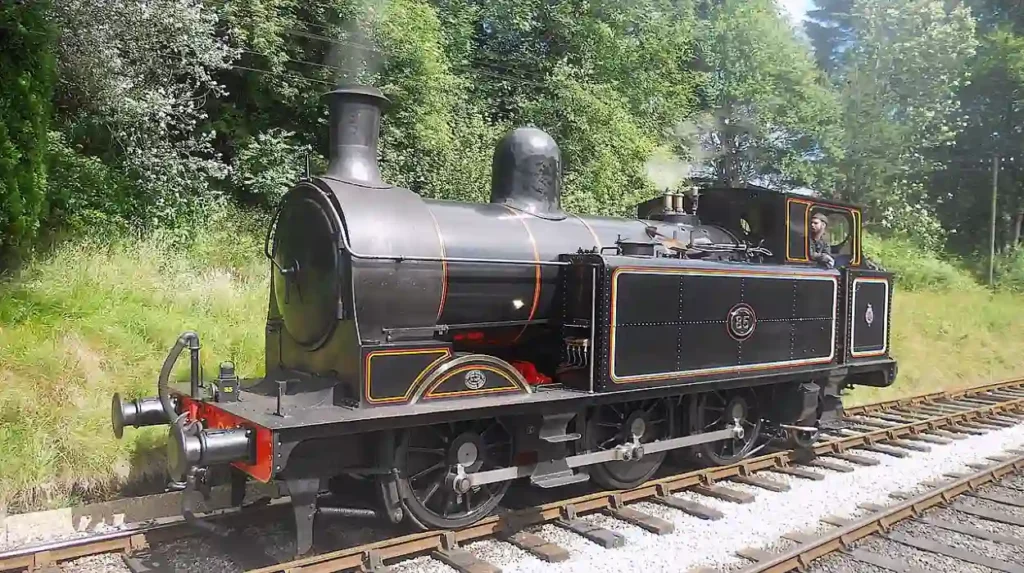
Two structural alterations, specifically station segregation and line extension, allowed the Taff Vale Railway to introduce an innovative operational model to reduce chronic financial loss. In the year 1905, the company deployed self-propelled steam railmotors on the line. Two specialized vehicles, specifically the railmotor unit and the inspection coach, combined a small steam locomotive and a passenger carriage into a single operational unit to lower the daily running cost. While this technological adaptation successfully improved service frequency, the branch line continued to operate with a narrow profit margin due to competitive road transport.
When did the passenger services at the Cowbridge railway station permanently cease?
Passenger services at the station permanently ceased on November 30 1951 when British Railways converted the route into a goods-only line. Regional passenger travel to Aberthaw had previously been discontinued in 1932 due to severely declining regional line operational revenue.
The mid-twentieth century marked a period of rapid contraction for two rural branch lines, specifically the Cowbridge branch and the Vale of Glamorgan coastal link, across the entire United Kingdom railway network. The Widespread growth of personal automobiles and commercial omnibus services undermined the economic viability of short-distance rail transport. The Railway Executive, operating under the state-owned British Transport Commission, initiated a systematic review of unprofitable branch lines to reduce public expenditure. The Llantrisant to Aberthaw line was identified as an unsustainable operation requiring immediate passenger service withdrawal.
Passenger traffic on the southern section of the line experienced an early termination due to a severe collapse in the passenger headcount. The Taff Vale Railway discontinued all scheduled passenger services operating between Cowbridge and the coastal terminus at Aberthaw in the year 1932. This closure reduced the passenger footprint of the line to a simple five-mile shuttle operating strictly between Llantrisant and the 1892 Cowbridge passenger terminal. Freight transport remained active on the southern extension to service two coastal limestone workings, specifically the Aberthaw quarry and the Rhoose cement plant.
The remaining passenger service between Llantrisant and Cowbridge continued through the Second World War under strict government traffic control regulations. Following nationalization, British Railways monitored a steep decline in passenger ticket sales as two local bus routes, specifically the Cardiff express route and the Bridgend local route, offered direct access to Cowbridge High Street. The final scheduled passenger train departed from the 1892 Cowbridge passenger station on November 30, 1951, marking the official termination of passenger travel. The closure resulted in the immediate decommissioning of the passenger platform and the permanent shutdown of the station signal box.
The withdrawal of scheduled passenger trains shifted the entire operational focus of the remaining infrastructure toward industrial goods transit. British Railways maintained a daily freight service to support local agricultural commerce and two specific industrial activities, specifically limestone quarrying and iron ore extraction, in the Vale of Glamorgan. Workers utilized the 1865 goods yard to handle cargo deliveries of bulk coal, timber, and agricultural supply goods for the surrounding agricultural farms. This goods-only status prolonged the physical life of the steel tracks but required minimal staffing, leading to a reduction in local railway employment.
The final cessation of all rail traffic movements occurred on February 1 1965, when British Railways withdrew the remaining goods service. This decision was driven by the comprehensive reorganization of the national rail network under the Reshaping of British Railways report recommendations, which closed a total distance of one thousand miles of unprofitable branch lines. The withdrawal of the goods service severed Cowbridge from the national rail network completely, leaving the town reliant on road transport. Only a short section of track near Llantrisant remained open to serve an active iron ore mine at Llanharry.
What happened to the Cowbridge train station site after its final closure?
Following total closure on February 1 1965, developers cleared the infrastructure to build a modern residential housing estate. The second passenger station building served as a British Legion club from 1954 until the final termination of its official site lease.
The post-closure period of the Cowbridge train station site reflected two urban redevelopment patterns, specifically residential zoning and civic infrastructure construction, across the United Kingdom. Following the complete withdrawal of all rail services, British Railways designated the real estate land assets for immediate disposal to two distinct entities, specifically municipal authorities and private housing developers. The abandonment of the physical infrastructure left a large vacant footprint near the center of the growing market town. Municipal planners prioritized the conversion of the former railway corridor into functional spaces to accommodate population growth.
Before the complete demolition of the tracks, two distinct portions, specifically the passenger station building and the vacant goods yard, of the station property were adapted for immediate community use. The 1892 passenger station building was leased to the British Legion club in the year 1954, providing an active social hub for local military veterans. This adaptive reuse preserved the structural integrity of the passenger terminal building for over a decade after scheduled train services ceased. The club maintained the interior layout, using the former booking office and waiting room for administrative and recreational purposes.
In the year 1964, British Railways initiated a comprehensive track recovery program that dismantled the remaining railway infrastructure. A specialized demolition team removed four prominent servicing structures, specifically the timber carriage shed, the engine shed, the water tower, and the heavy yard crane. The removal of this industrial infrastructure left the overgrown branch siding in a decrepit appearance before final redevelopment. The physical clearance of the steel rail line and wooden sleeper supports permanently erased the operational capability of the branch line.
The commercial lease held by the British Legion club was formally terminated by British Railways on November 30 1966. The corporate landowner sold the entire passenger station site to a private residential development company for complete clearance. Two construction contractors, specifically a demolition firm and a grading crew, arrived on the site on February 28, 1967, to begin the total demolition of the 1892 brick station building. Workers cleared the land completely, leveling the platform and concrete foundations to prepare the terrain for a modern housing estate.
Civic development also claimed the former goods yard facility situated off the newly named Old Station Approach road. In the year 1960, two municipal authorities, specifically the Glamorgan County Council and the Cowbridge Borough Council, constructed a brand new town fire station directly on the land previously occupied by the railway goods siding track area. This public facility replaced an older fire engine garage that had operated inside the historic Cowbridge Town Hall since 1901. The transition from a transportation terminal to a residential housing estate and a civic emergency hub permanently reshaped the eastern topography of Cowbridge.
What historical incidents and socio-economic impacts are associated with the Cowbridge railway?
The railway catalyzed economic integration between agricultural Cowbridge and industrial South Wales valleys by transporting essential raw materials and livestock. Recorded historical events include a booking office burglary on June 20 1902, and locomotive sparks causing localized agricultural field fires.
The introduction of the Cowbridge Railway in 1865 generated two economic transformations, specifically expanded agricultural market access and enhanced consumer product availability, across the rural Vale of Glamorgan. Before the railway era, the town of Cowbridge operated primarily as an isolated market hub reliant on horse-drawn transport. The five-mile rail link connected the agricultural community directly to the booming industrial coalfield of two industrial valleys, specifically the Rhondda Valley and the Cynon Valley. This structural connectivity allowed for the rapid exchange of regional cargo and altered the demographic development of the market town.
Local commerce experienced immediate growth as the railway line reduced the transit cost for heavy agricultural commodities. The station became a major distribution hub for importing two essential inputs, specifically lime fertilizer and industrial machinery, to surrounding agricultural farms. Simultaneously, the railway facilitated the bulk export of local grain, timber, and livestock to hungry industrial populations in two mining towns, specifically Pontypridd and Tonypandy. This commercial throughput stimulated the establishment of two local business ventures, specifically a commercial grain brokerage and a retail supply warehouse, alongside a prominent three-story hotel erected adjacent to the passenger station site.
Historical archive records preserve two distinct legal infractions, specifically a documented office break-in and an instance of cargo pilferage, that occurred at the property during its operational lifespan. On June 20 1902, an unknown perpetrator broke into the secure booking office at the passenger station terminal. The thief managed to bypass physical security measures and successfully stole a total cash sum of eight pounds, eleven shillings, and zero pence from the company vault. This specific incident prompted the Taff Vale Railway to implement two overnight security protocols, specifically iron window bars and locked cash lockboxes, across its regional branch network.
Two distinct environmental hazards, specifically trackside grass fires and agricultural crop ignition, were documented as a recurring consequence of steam locomotive operation through agricultural land. Flying locomotive sparks escaping from the exhaust chimney of passing trains frequently ignited agricultural crop fields situated along the railway embankment. In the year 1904, a major fire completely destroyed a valuable hay rick near the village of St Mary Church. The local fire brigade determined that flying sparks from a passing scheduled train engine triggered the blaze, highlighting the ongoing conflict between industrial technology and traditional farming.
The ultimate closure of the line in 1965 removed a vital transit link and completed the transition of Cowbridge into a car-dependent community. While the railway failed as a long-term commercial enterprise, it successfully bridged the historical gap between the pre-industrial era and modern motorized transport. The historical footprint of the line survives today through the alignment of Old Station Approach and the local fire station infrastructure. The legacy of the Cowbridge Wales, train station remains an important chapter in the industrial heritage of the Vale of Glamorgan.
FAQs About Cowbridge, Wales, Train Station
Is there still an active train station operating in Cowbridge, Wales, today?
No, there is currently no active railway station or train service operating in the town of Cowbridge. The historical passenger station permanently ceased all travel services in November 1951, and the entire branch line was completely closed to freight traffic by 1965. Today, local residents and visitors rely entirely on regional bus routes and personal automobiles for transportation.
What happened to the old railway tracks and station buildings in Cowbridge?
The historic railway infrastructure was completely dismantled and cleared shortly after the line closed to make way for municipal redevelopment. The 1892 passenger station building was entirely demolished in 1967 to build a modern residential housing estate. Additionally, the former goods yard site was repurposed to construct the town’s current local fire station, located off Old Station Approach.
Why did the Cowbridge railway line close down permanently?
The station closed primarily due to a steep decline in passenger ticket sales and severe financial losses caused by the rising popularity of motor buses and personal cars. By the mid-twentieth century, British Railways determined that the low-traffic rural branch line was entirely unsustainable. The remaining industrial goods services were finally withdrawn in 1965 as part of a major nationwide rail modernization plan.
Was the Cowbridge station originally part of the Great Western Railway network?
No, the station was originally built and opened in 1865 by the independent Cowbridge Railway Company to connect the town to Llantrisant. Because of early financial deficits, the operational lease was taken over by the Taff Vale Railway Company in 1875. The network was only integrated into the Great Western Railway much later, during the nationwide rail amalgamation of 1922.
Can you walk along the historic railway route in Cowbridge today?
You cannot walk the continuous length of the old line because significant portions of the trackbed were sold to private developers for housing and road infrastructure. However, you can easily walk the street called Old Station Approach, which marks the exact footprint of the original terminal yard. Some outer sections of the rural embankment survive as disconnected public footpaths through the countryside.