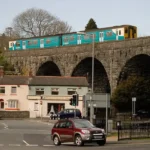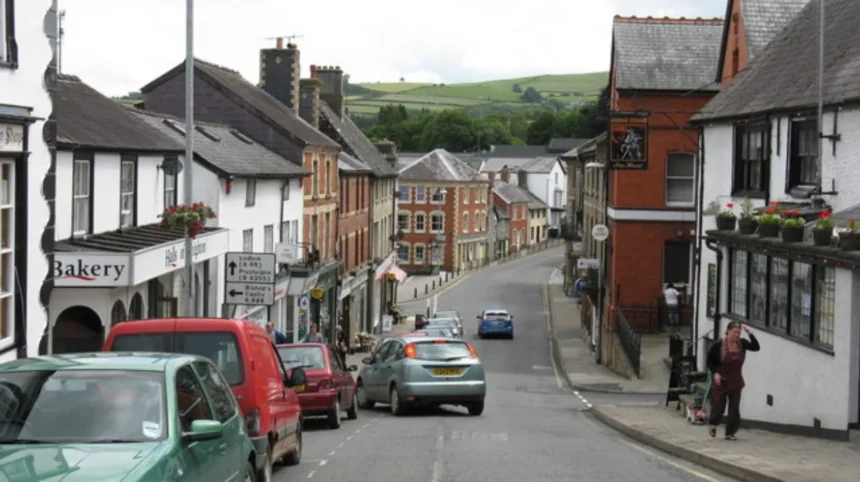
Knighton is a historic market town located in Powys on the English Welsh border. Known in Welsh as Tref-y-Clawdd meaning town on the dyke Knighton sits directly along Offa Dyke. The town has a recorded population of 3,719 inhabitants according to official census data. It serves as a major administrative and cultural hub for the Welsh Marches region.
The geographical coordinates of Knighton place it at 52.344 N latitude and 3.050 W longitude. It rests inside the valley of the River Teme at an elevation of 174 meters above sea level. The local geology consists mainly of Silurian Ludlovian rock formations. Surrounding hills like Bailey Hill reach maximum elevations of 418 meters. These topographical features provided natural defenses and strategic advantages for early settlers.
Knighton possesses a distinct settlement structure shaped by centuries of trade and border defense. The town center features narrow medieval street layouts, timber-framed buildings, and historic market sites. Primary transport corridors include the A488 and A4113 highways. Rail connectivity is provided via the Heart of Wales Line at Knighton station. The physical footprint spans across the Powys border into the Shropshire parish of Stowe.
What is the Historical Development and Border Heritage of Knighton?
Knighton developed as an Anglo-Saxon settlement before transforming into a fortified Norman border town. King Offa of Mercia commissioned Offa Dyke in the 8th century to demarcate border boundaries. Norman lords later constructed two motte and bailey castles in the 12th century. A royal market charter was granted in 1203 to establish formal commerce. The town was formally incorporated into Wales under the Acts of Union in 1535.
The historical economy of Knighton depended heavily on agriculture, wool manufacturing, and livestock trading. Drovers regularly transported cattle through the town along trade routes linking Wales and England. The opening of the Knighton Railway in 1861 accelerated local industrial growth. Victorian civic expansion introduced public buildings, upgraded stone architecture, and institutional infrastructure. St Edward Church remains a prominent historic monument with elements dating back to the 11th century.
Modern Knighton maintains its historic layout while operating as a tourism and service destination. The Offa Dyke Centre opened in 1999 as a national hub for heritage conservation. Historic preservation policies protect listed timber-framed buildings along Broad Street. The town functions as an active center for agricultural supply chains and regional commerce. Cultural heritage initiatives preserve border dialects, traditional market events, and local historical archives.
What are the Main Attractions and Cultural Assets in Knighton?
Knighton hosts major cultural and outdoor attractions centered on its heritage and location. The Offa Dyke Centre offers interactive exhibits detailing 8th-century earthwork construction. Visitors access the Offa Dyke Path National Trail directly from the town center. Glyndwr Way National Trail also originates in Knighton, attracting international hikers annually. Local museums display artifacts reflecting centuries of border history and rural life.
Maxburgoyne
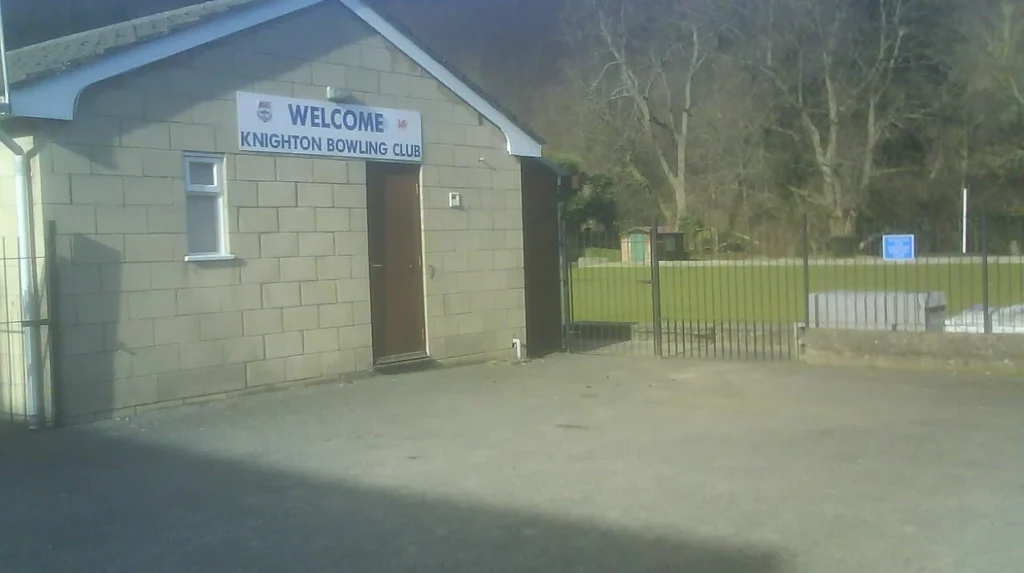
The town provides diverse recreational infrastructure for outdoor activities, uk/sports/">sports, and tourism. Knighton Golf Club features a 9-hole course designed by Harry Vardon in 1906. Knighton Town FC competes within the third tier of the Welsh football pyramid. The surrounding terrain supports extensive mountain biking, trail running, and hill walking routes. Annual community events include agricultural shows, border arts festivals, and seasonal street markets.
Cultural preservation efforts focus on maintaining native biodiversity, historic architecture, and community identity. Spaceguard Centre located just outside Knighton operates as a national astronomical research facility. The town supports local art galleries, craft workshops, and independent retail businesses. St Edward Church serves as a venue for classical concerts and historic tours. Public parks provide open greenspaces adjacent to the River Teme.
What Infrastructure and Economic Drivers Support the Local Community?
The economy of Knighton relies on agriculture, tourism, retail, and public sector services. Small and medium enterprises form the core of the private business sector. Local markets process livestock and agricultural produce for regional distribution networks. Tourism generates revenue through hospitality services, accommodation providers, and outdoor recreation businesses. Public sector employment includes schools, healthcare centers, and local council administration.
Transport infrastructure connects Knighton to major regional urban centers across Wales and England. Transport for Wales operates daily passenger train services along the Heart of Wales Line. The A488 road connects Knighton northbound to Clun and southbound to Penybont. Bus routes provide regional transit links to nearby towns like Presteigne and Ludlow. Digital infrastructure includes high-speed broadband deployments supporting remote workers and local enterprises.
Community infrastructure includes comprehensive primary education, healthcare facilities, and civic services. Knighton Church in Wales Primary School provides foundation and primary education locally. Healthcare services are delivered through general practitioner surgeries and community health clinics. Civic facilities encompass a community center, public library, and municipal sports grounds. Powys County Council manages local public services, roads, and regional planning operations.
Frequently Asked Questions
What is the origin of the name Knighton?
The name Knighton derives from Old English words cniht meaning soldier and tun meaning farm or settlement. The Welsh name Tref-y-Clawdd translates directly to town on the dyke, referring to its placement along Offa Dyke.
Where is Knighton located geographically?
Knighton is situated on the border between Powys in Wales and Shropshire in England along the River Teme. It sits approximately 30 miles between Shrewsbury and Hereford.
How do visitors reach Knighton by public transport?
Visitors access Knighton via the Heart of Wales Line train service operating between Shrewsbury and Swansea. Subsidized regional bus services also connect Knighton to neighbouring border settlements.
What is the significance of Offa Dyke in Knighton?
Offa Dyke is an 8th-century linear earthwork built by King Offa of Mercia to divide England and Wales. Knighton is the only town built directly on the dyke path.
What outdoor activities are available in Knighton?
Knighton offers hiking along the Offa Dyke Path and Glyndwr Way national trails. Visitors also enjoy golfing, mountain biking, trail walking, and exploring the surrounding River Teme valley.