

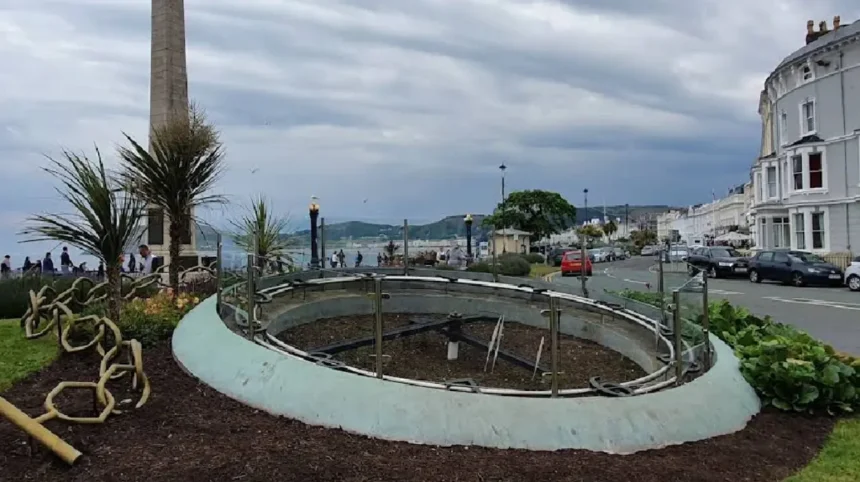
Llandudno is recognized as the Queen of the Welsh Resorts due to its grand Victorian architecture, expansive coastline, and historical significance as a premier seaside destination. This town combines preserved 19th-century charm with modern amenities to attract millions of visitors.
- What Are The Primary Historical Attractions In Llandudno?
- Which Natural Features Define The Geography Of Llandudno?
- What Recreational Activities Are Available In Llandudno?
- How Is The Infrastructure Of Llandudno Managed For Tourism?
- What Is The Cultural Significance Of The Alice In Wonderland Trail?
- FAQs About Wales Llandudno
Llandudno occupies a unique peninsula on the northern coast of Wales, positioned between the two limestone headlands known as the Great Orme and the Little Orme. The town evolved from a small mining settlement into a planned holiday resort during the 1800s. Developers like Owen Williams and the Mostyn family transformed the landscape to appeal to Victorian holidaymakers seeking sea air. Today, the town retains its status as the largest seaside resort in Wales through careful preservation of its heritage. This destination serves as a primary hub for tourism, offering access to both coastal leisure and mountainous inland regions.
What Are The Primary Historical Attractions In Llandudno?
The primary historical attractions in Llandudno include the Great Orme Copper Mines, the Llandudno Pier, and the Victorian-era Great Orme Tramway. These sites offer insight into the town’s evolution from a Bronze Age industrial hub to a sophisticated 19th-century vacation destination.
The Great Orme Copper Mines represent one of the most significant archaeological discoveries in the United Kingdom. Dating back 4,000 years to the Bronze Age, these tunnels provide evidence of large-scale prehistoric mining operations. Visitors can explore self-guided tours through these narrow shafts to understand early extraction methods. The Llandudno Pier, constructed in the late 1800s, stands as the longest pier in Wales at 2,295 feet. It maintains Grade II listed status and preserves traditional seaside entertainment, such as arcades and fairground attractions. The Great Orme Tramway, opened in 1902, remains one of the few cable-hauled street tramways still operating worldwide. This system transports passengers to the summit of the headland, facilitating access to historical nature reserves and panoramic viewpoints.
Which Natural Features Define The Geography Of Llandudno?
The geography of Llandudno is defined by two prominent limestone headlands, the Great Orme and the Little Orme, which frame the town’s expansive bay. These geological formations provide natural coastal protection and unique habitats for rare flora and local fauna.
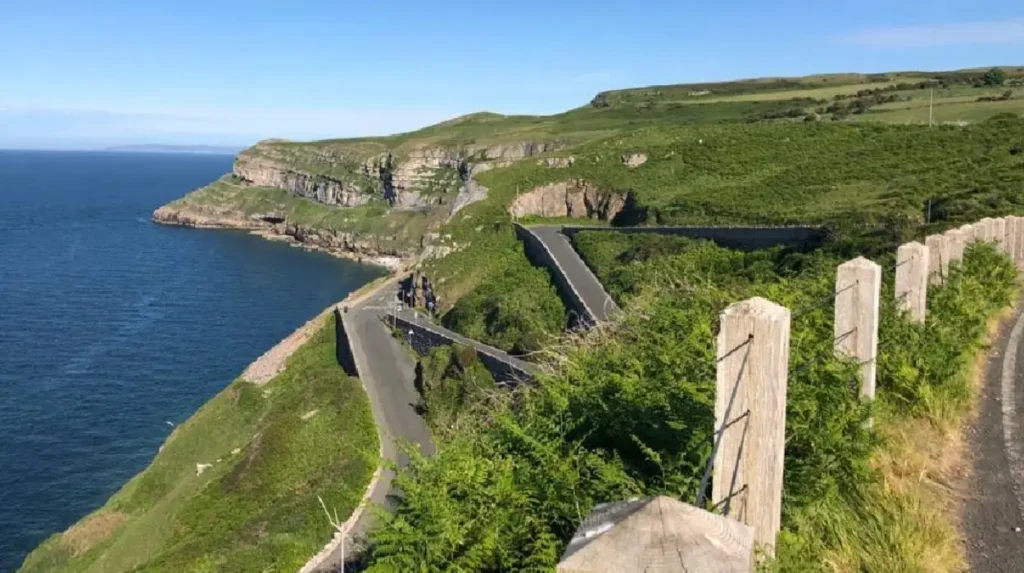
The Great Orme is a limestone headland rising 670 feet above the Irish Sea. It functions as a managed nature reserve and a Site of Special Scientific Interest, hosting a diverse range of plant and animal species. Notably, it is the only known habitat for the rare Wild Cotoneaster flower, with only six specimens currently recorded in existence. The headland is also famous for its population of feral Kashmir goats, which were originally gifted by Queen uk/local/newport/victoria/">Victoria. These animals are a common sight for visitors traversing the mountain paths. The Little Orme provides a secondary geological landmark, balancing the landscape and contributing to the sheltered nature of the North Shore beach. Together, these formations create the bay’s distinct character and serve as focal points for hiking and environmental observation.
What Recreational Activities Are Available In Llandudno?
Recreational activities in Llandudno include beach leisure, alpine-style sports, and educational experiences at local museums. The town supports year-round tourism by combining traditional seaside pastimes with modern facilities for families, athletes, and history enthusiasts alike.
The North Shore and West Shore beaches serve as the primary areas for outdoor activity. North Shore is known for its promenade and traditional seaside entertainment, such as Punch and Judy shows and donkey rides. West Shore offers a quieter environment, suitable for kite-surfing and coastal walking along the Wales Coast Path. The Llandudno Snowsports Centre provides year-round artificial slopes for skiing, snowboarding, and snow-tubing. It also houses the Cresta run, which is the longest toboggan track in Wales, spanning 750 meters. Indoors, the Home Front Museum and the Chocolate Experience offer educational insights into 20th-century history and artisanal production processes. These varied attractions ensure that the town remains functional for tourism throughout all weather conditions.
How Is The Infrastructure Of Llandudno Managed For Tourism?
The infrastructure of Llandudno is managed through a combination of rail connectivity, active travel networks, and strategic planning by local authorities. These systems ensure efficient access for visitors while maintaining the town’s Victorian aesthetic and environmental standards.
Llandudno benefits from direct rail access via the Llandudno railway station, which connects to the wider national network. This service is supported by Llandudno Junction, a key stop on the Premier Service route between Cardiff and Holyhead. Local authorities maintain comprehensive active travel maps to encourage walking and cycling between tourist hubs and transport terminals. The Regional Transport Plan for North Wales prioritizes the transition to zero-emission fleets, including electric buses and improved digital connectivity for the area. By aligning land use with the needs of residents and tourists, the town preserves its capacity to handle high visitor volume. Strategic planning focuses on reducing reliance on private vehicles while enhancing accessibility for those arriving from major cities like Manchester and Liverpool.
What Is The Cultural Significance Of The Alice In Wonderland Trail?

The Alice in Wonderland Trail celebrates the town’s historical link to Alice Liddell, the inspiration for Lewis Carroll’s famous novels. This immersive experience allows visitors to follow a series of bronze footprints around key town landmarks to discover literary heritage.
Alice Liddell spent many childhood summers in Llandudno, and the town actively commemorates this association through interactive tourism initiatives. The trail encourages participants to explore various parts of the town while engaging with characters from the classic story. Many visitors use a specialized map provided by local tourism boards to locate specific points of interest. This cultural branding adds a unique dimension to the standard seaside resort experience, appealing specifically to families and literary enthusiasts. By integrating fictional elements with the town’s real-world geography, Llandudno creates a narrative-driven exploration experience. This initiative serves to maintain the town’s status as a top-tier destination by offering activities that extend beyond traditional coastal leisure.
FAQs About Wales Llandudno
Is Llandudno suitable for a family holiday?
Yes, Llandudno is an excellent destination for families. It offers a variety of child-friendly attractions, including safe sandy beaches, an extensive pier with fairground rides, and the Llandudno Snowsports Centre. The town is specifically designed to cater to multi-generational groups with accessible amenities.
When is the best time of year to visit Llandudno?
The summer months, particularly between June and August, offer the best weather for beach activities and outdoor exploration. However, spring and autumn are also popular for hiking on the Great Orme, as the town remains active and accessible year-round for sightseeing.
Are there walking paths near the town center?
Llandudno features several accessible walking paths, including the promenade that connects the North and West shores. The Wales Coast Path also runs through the town, providing scenic routes around the Great Orme headland for hikers of various skill levels.
What kind of accommodation is available?
The town hosts a wide range of accommodation options, from historic Victorian hotels and guest houses to modern holiday cottages. Many of these properties are located along the seafront, offering proximity to the town’s main commercial and tourist hubs.
How do I get to Llandudno by train?
Visitors can travel to Llandudno by train via the local station or through the nearby Llandudno Junction. Regular services operate from major cities like Chester, Manchester, and Cardiff, providing convenient access to the town center and its primary coastal attractions.