
Key Points
- A 59-year-old man, Andrew Smith of Bretton Lane, has been charged with attempted murder after a woman was stabbed in the village of Bretton, Flintshire, North Wales.
- Emergency services were called to an address in Bretton at around 7.45pm on Monday, 6 July 2026, following reports that a woman had sustained stab wounds.
- The injured woman was taken to hospital and remains there; her condition has not been publicly detailed.
- Smith was arrested in connection with the incident and appeared at Wrexham Magistrates’ Court on Wednesday, 8 July 2026.
- He faces four charges: attempted murder, threatening a person with a knife in a public place, possessing a knife in a public place, and assault by beating.
- Smith has been remanded in custody and is scheduled to appear at Mold Crown Court on 7 August 2026.
- Detective Inspector Daniel George stated that offences of this nature are “incredibly rare in North Wales” and described the incident as isolated.
- Police confirmed they are not looking to speak to anyone else in connection with the incident at this time, but warned against speculation online.
- The case has been flagged as an active investigation, with authorities urging the public to avoid sharing unverified information.
- Local media, including the Daily Post and North Wales Live, have reported the incident, with statements from police and court details provided.
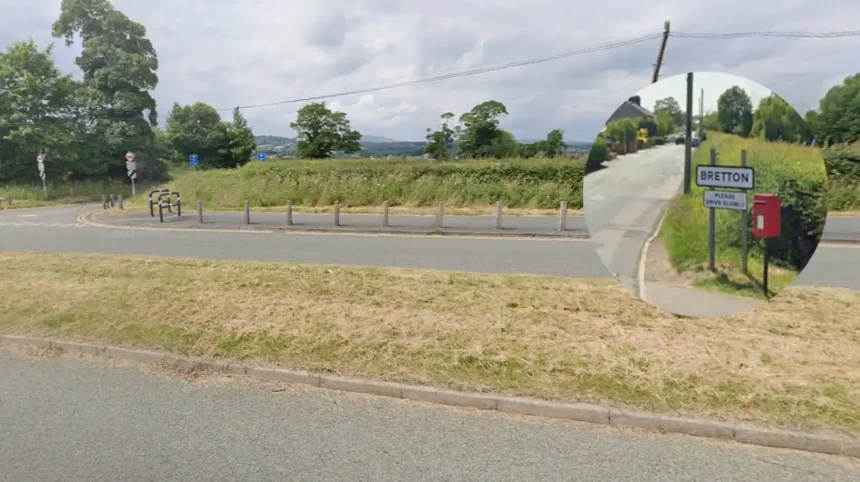
Wales (Wales Times) July 08, 2026 — Emergency services attended an address in the village of Bretton, Flintshire, at around 7.45pm on Monday evening (6 July) following reports that a woman had sustained stab wounds. The woman was taken to hospital where she remains; her exact condition has not been disclosed publicly.
- Key Points
- What Do Police and Court Documents Say About the Charges Against Andrew Smith?
- Why Have Authorities Described the Incident as Rare and Isolated in North Wales?
- What Information Has Been Provided by Local Media and Police About the Victim and Community Impact?
- Background of the Bretton Stabbing and Legal Developments
- How Might This Development Affect Residents, Victims’ Families, and the Wider North Wales Community?
As reported by a reporter for the Daily Post, Andrew Smith, of Bretton Lane, Bretton, was located and arrested in connection with the incident. He subsequently appeared at uk/local/wrexham/">Wrexham Magistrates’ Court on Wednesday, 8 July 2026, where he was charged with four offences: attempted murder, threatening a person with a knife in a public place, possessing a knife in a public place, and assault by beating. According to court reporting, Smith has been remanded in custody and is scheduled to appear at Mold Crown Court on 7 August 2026.
The investigation is being led by North Wales Police, with Detective Inspector Daniel George issuing a public statement. As reported by the Daily Post, Detective Inspector Daniel George said:
“Offences of this nature are incredibly rare in North Wales, and I would reassure residents that this was an isolated incident”.
He added,
“We are not looking to speak to anybody else in connection with the incident at this time”.
He also warned the public: “This is an active investigation, therefore it is important that people do not speculate about the incident online”.
What Do Police and Court Documents Say About the Charges Against Andrew Smith?
Official statements from North Wales Police and reports from the Daily Post confirm that Andrew Smith is facing multiple charges linked to the stabbing in Bretton. The charge of attempted murder is the most serious, indicating that prosecutors believe there was intent to cause life-threatening harm. The additional charges relate to knife-related offences and a separate assault by beating, suggesting that the incident may have involved more than one act of violence or multiple confrontations.
As reported by the Daily Post, Smith appeared at Wrexham Magistrates’ Court on 8 July 2026, where the charges were formally read. The magistrates’ court does not normally deal with attempted murder cases at trial; instead, it is a “lifting” or “sending” court in such matters, where the case is transferred to a higher court for trial. Accordingly, Smith has been remanded in custody and will appear at Mold Crown Court on 7 August 2026, where a judge will oversee further proceedings.
Court reporting in the Daily Post notes that Smith’s address was given as Bretton Lane, Bretton, and that he was arrested shortly after the incident. No further personal details, such as age beyond “59-year-old”, occupation, or prior convictions, have been released in the initial reports. Police have not indicated whether Smith has made any statements during the investigation, and the case remains under active review.
Why Have Authorities Described the Incident as Rare and Isolated in North Wales?
Detective Inspector Daniel George’s public statement, as reported by the Daily Post, emphasises that offences of this nature are “incredibly rare in North Wales”. This wording suggests that violent incidents involving knives and attempted murder are not common in the region and that the Bretton stabbing breaks a pattern of generally low levels of such crime. By describing the incident as “isolated”, police aim to reassure local residents that there is no broader threat or ongoing danger linked to the event.
The emphasis on rarity and isolation also serves a practical purpose in an active investigation. As reported by the Daily Post, Detective Inspector George warned the public not to speculate online. In high-profile or violent cases, unverified claims and rumourscan spread quickly on social media, potentially damaging reputations, undermining the investigation, or causing unnecessary anxiety among residents. Police frequently use language such as “isolated incident” to manage public perception while continuing to gather evidence and protect the integrity of the case.
North Wales Police have confirmed that they are not seeking to speak to anyone else in connection with the incident at this time. This indicates that, based on current evidence, the investigation is focused on Andrew Smith as the primary suspect, with no known witnesses or additional individuals believed to be directly involved. However, the active nature of the investigation means that this position could change if new information emerges.
What Information Has Been Provided by Local Media and Police About the Victim and Community Impact?
As reported by the Daily Post and North Wales Live, the victim is a woman who sustained stab wounds during the incident in Bretton on 6 July 2026. She was taken to hospital and remains there; however, her exact medical condition, age, and identity have not been disclosed publicly. Police and media have generally kept such details confidential to protect the victim’s privacy and to comply with legal and ethical standards regarding sensitive cases.
Local media coverage, including the Daily Post’s article, has focused on the charges against Andrew Smith and the police response, rather than on detailed community reactions. The reporting notes that emergency services were called to an address in the village and that the incident was treated as a serious violent crime from the outset. There is no indication in the available reports that there has been widespread panic or that residents have been urged to take special precautions beyond the usual advice to avoid speculation online.
The statement from Detective Inspector Daniel George, as reported by the Daily Post, serves partly to address community concerns by stressing that the incident is isolated and that no further public threat is known. Such reassurances are common in cases where a violent crime occurs in a relatively small or quiet community, where residents may otherwise worry about personal safety.
Background of the Bretton Stabbing and Legal Developments
The stabbing in Bretton occurred on Monday, 6 July 2026, at around 7.45pm, when emergency services were called to an address in the village. The incident involved Andrew Smith, 59, of Bretton Lane, who was arrested shortly afterwards. He appeared at Wrexham Magistrates’ Court on Wednesday, 8 July 2026, and was charged with attempted murder and three other offences related to knife use and assault. Smith has been remanded in custody and is scheduled to appear at Mold Crown Court on 7 August 2026, where the case will proceed to the next stage of the legal process.
North Wales Police have stated that such offences are “incredibly rare in North Wales” and have described the incident as isolated. They are not currently seeking to speak to anyone else in connection with the incident, but have warned the public against speculation online as the investigation remains active. The woman who was stabbed was taken to hospital and remains there; her condition has not been publicly detailed.
How Might This Development Affect Residents, Victims’ Families, and the Wider North Wales Community?
For residents of Bretton and nearby villages in Flintshire, the stabbing and the subsequent charges against Andrew Smith may initially cause heightened concerns about personal safety, particularly regarding knife-related violence. However, the police statement that the incident is “isolated” and “incredibly rare in North Wales” is intended to limit long-term anxiety and prevent the perception of a broader threat. In practical terms, this suggests that while the event is serious, it is not expected to lead to a sustained increase in fear or to require unusual community-wide measures beyond normal vigilance.
For the victim’s family and friends, the development is likely to be emotionally significant. The fact that Smith has been charged with attempted murder indicates that the authorities consider the incident particularly serious, which may bring some reassurance that the case is being treated with gravity. At the same time, the victim’s ongoing hospital stay and the uncertainty surrounding her condition mean that the family may face a period of stress and emotional strain as the legal process continues. The upcoming Crown Court hearing in August will be a key moment, potentially bringing further clarity about the proceedings while also extending the period of public attention on the case.
For the wider North Wales community, the case may reinforce existing discussions about knife crime and violent offences, even though police describe such incidents as rare. Local media coverage and police statements can shape how residents interpret the risk: by stressing rarity and isolation, authorities aim to prevent alarm from spreading beyond Bretton. In the long term, the way the case is handled through transparent court reporting and continued police communication could influence public confidence in the justice system and in local policing, particularly in smaller communities where violent crime is not common.