
Key Points
- The tragedy at Aberfan is marking its 60th anniversary on 21 October 2026 of the colliery spoil tip collapse, which resulted in the deaths of 144 individuals, among them 116 children.
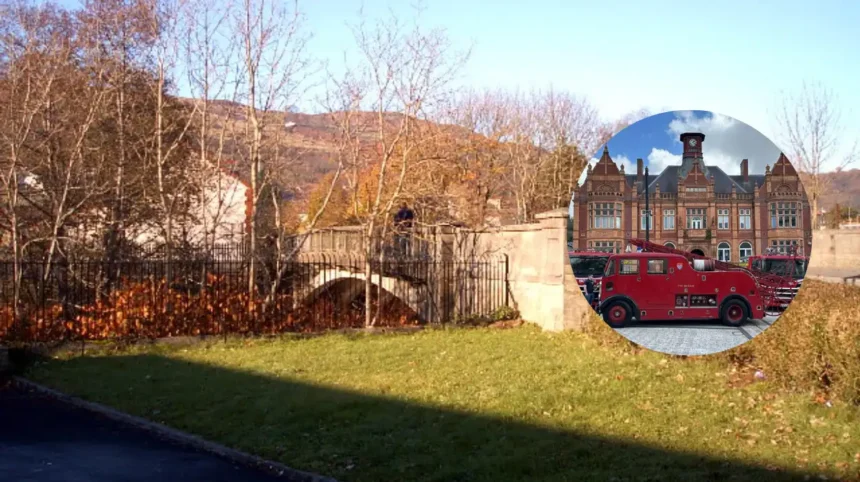
- A refurbished Merthyr Tydfil fire engine which attended the disaster is back in Aberfan to help mark Aberfan 60.
- It has gone to Ynysowen Community Primary School where the pupils got to meet with the firefighters and hear about the emergency service response.
- South Wales Fire and Rescue Service has released archive documents including a letter written by Chief Officer Davies to the Home Office on 22 October 1966.
- Fireman Roy Thomas pulled the last surviving child, eight-year-old Jeff Edwards, from the site of the disaster at 11am on the day of the tragedy.
- Firefighters assisted alongside miners, policemen, ambulance crews and local volunteers in searching for any remaining survivors.
- The service stated that the lessons learnt from Aberfan and many other tragedies have been used in developing an incident response, even if there were changes in the equipment, training and communications.
- Assistant Chief Fire Officer Matthew Jones stated that the values of courage, compassion and commitment have never been more important than back in 1966.
Wales (Wales Times) October 21, 2026 – Sixty years after the Aberfan disaster, South uk/fire/">Wales Fire and Rescue Service has marked the anniversary by returning a historic fire engine to the village and publishing archive material that records how firefighters responded to one of Wales’s worst peacetime tragedies.
- Key Points
- Why Did a Historic Fire Engine Return to Aberfan?
- What Happened at Aberfan on 21 October 1966?
- What New Archive Material Has Been Published?
- How Has Aberfan Shaped Modern Emergency Response?
- What Did the Official Inquiry Find?
- What Lessons Do Leaders Draw From Aberfan?
- How Is the 60th Anniversary Being Marked?
- Background of the Development
- Prediction: How Could This Affect Emergency Services and Communities?
As reported by Nation.Cymru staff, the restored Merthyr Tydfil Fire Brigade vehicle, which was among the first emergency vehicles at the scene, visited Ynysowen Community Primary School ahead of the 60th anniversary. Pupils saw the appliance, met firefighters from South Wales Fire and Rescue Service and learned about the role emergency services played after the coal tip collapsed on 21 October 1966.
The visit formed part of Aberfan 60, a programme of remembrance, reflection and learning. It marks six decades since the collapse of a colliery spoil tip above the village killed 144 people, including 116 children.
Why Did a Historic Fire Engine Return to Aberfan?
The heritage appliance was once based in Merthyr Tydfil and was restored and maintained by its owner, Henry Cotton, with Norfolk Fire Museum. Firefighters from White Watch at Merthyr Fire Station also brought a modern fire appliance to the school, joining pupils, teachers, staff and Mr Cotton.
South Wales Fire and Rescue Service said the preserved vehicle remains a powerful symbol of the response in 1966. According to the service, it represents both the firefighters who served that day and the communities they supported.
Firefighter Sam Gill said bringing the appliance back to Aberfan had been “a deeply moving experience”. As reported by Nation.Cymru, he added that the visit was intended to help young people understand “the courage, compassion and community spirit shown in the face of unimaginable tragedy”.
Mr Gill also said:
“We will always remember those who were lost, and we are always here to protect and support our communities today.”
Councillor David Issac, Mayor of Merthyr Tydfil, said it was a privilege to see the historic fire engine at the school and to meet pupils learning about its connection to Aberfan. He described the vehicle as “a powerful reminder of the bravery, compassion and community spirit shown in the face of unimaginable loss”.
What Happened at Aberfan on 21 October 1966?
At 9.13am on 21 October 1966, a colliery spoil tip collapsed above Aberfan. Within moments, thousands of tonnes of liquefied waste engulfed homes and buried Pantglas Junior School, according to South Wales Fire and Rescue Service.
The service said firefighters faced conditions unlike anything they had previously experienced. There were no flames to extinguish; instead, crews confronted a mountain of black slurry while trying to reach people buried beneath it.
Firefighters from Merthyr Tydfil were among the first emergency responders to arrive. They worked alongside miners, police officers, ambulance personnel and local volunteers to search for survivors.
At 11am, firefighter Roy Thomas brought out the last child rescued alive: eight-year-old Jeff Edwards. The service said many firefighters who responded carried the sights, sounds and emotions of that day for the rest of their lives.
ITV News has previously reported that firefighters, emergency services, miners, parents and local residents formed “bucket brigades” to move waste away more quickly during the rescue effort.
What New Archive Material Has Been Published?
South Wales Fire and Rescue Service has published material from its Aberfan 60 project, including a letter addressed to the Home Office by Chief Officer Davies and sent on 22 October 1966.
The archive also includes a suggested plan for the removal of shale, drafted on 23 October 1966; messages sent to the control room requesting more firefighters; personnel requirement records for 23 October; and lists of reinforcements attending the scene.
The service has also published a message from Chief Officer Davies to the control room on 24 October 1966, instructing the withdrawal of all fire service personnel from Aberfan.
These records show the scale of the emergency deployment and the practical challenges faced by responders in the days after the collapse. The service said the firefighters who worked “among the mud and ruins” became part of its legacy and helped carry the community’s grief.
How Has Aberfan Shaped Modern Emergency Response?
South Wales Fire and Rescue Service said modern emergency services are built on lessons learned from major incidents. It said equipment, training and communications have evolved since 1966, but the values that guided firefighters at Aberfan remain unchanged.
The service listed those values as courage, compassion, respect, integrity and excellence. It described courage as stepping forward in the face of tragedy, compassion as supporting communities and colleagues, and respect as ensuring those affected are never forgotten.
Assistant Chief Fire Officer Matthew Jones said:
“The equipment may have changed, but the responsibility carried by those responding to an emergency has not and the values underpinning our response remain the same.”
He added: “Courage, compassion and commitment are as important now as they were in 1966.”
The service said Aberfan is “more than a historical event” and remains a living story of loss, resilience and collective humanity passed down through generations of South Wales firefighters.
What Did the Official Inquiry Find?
The Institution of Occupational Safety and Health said the subsequent inquiry found that the disaster followed serious organisational failings, including warnings and concerns that had not been properly acted upon.
IOSH said the findings underlined the consequences that can arise when risks become normalised, communication breaks down and those responsible fail to listen.
The disaster led to significant changes in how colliery spoil tips were managed. IOSH said it also contributed to wider recognition of the need for organisations to identify and manage risks to employees and members of the public.
The Institution of Civil Engineers said lessons from Aberfan include ensuring suitable standards, codes of practice and legislation are in place and reviewed; ensuring regulation is informed by targeted research; and ensuring design, construction, management, inspection and regulatory professionals are appropriately qualified and experienced.
What Lessons Do Leaders Draw From Aberfan?
IOSH said organisations need effective systems for identifying and escalating concerns, but that processes alone are not enough. It said leaders must build cultures in which risks can be challenged, difficult messages reach decision-makers, and commercial or operational pressures do not take priority over people’s safety.
In a separate comment piece published by Nation.Cymru, the organisation said Aberfan confronts every generation of leaders with the question of whether they are prepared to listen and act when health and safety concerns and warning signs are visible.
The same article said people did not properly assess, communicate or act on the risks before the disaster. It argued that modern risk management must consider all stakeholders who may be affected by an organisation’s activities.
IOSH said the enduring lesson is that no organisation can afford to become desensitised to risk, and that leaders must create environments in which people feel able to raise concerns and see action taken before harm occurs.
How Is the 60th Anniversary Being Marked?
Aberfan stopped to remember the disaster on 21 October 2026, according to BBC News live coverage of the anniversary.
WalesOnline reported that the King, Queen and Prince William were due to spend time at the local community centre, meeting retired emergency service members who helped after the collapse, survivors, bereaved parents, former pupils, siblings of those who died and members of the Aberfan Wives support group.
The anniversary has also prompted renewed attention to the emergency response. Yahoo News reported that Evans’s early telephone call to the fire service set in motion a response involving firefighters, police officers, ambulance crews and rescue workers.
Background of the Development
The Aberfan disaster occurred on 21 October 1966, when a colliery spoil tip collapsed above the South Wales village and engulfed Pantglas Junior School and nearby homes. South Wales Fire and Rescue Service records that 144 people died, including 116 children.
The response involved firefighters from Merthyr Tydfil, miners, police, ambulance personnel and local volunteers. The service said the preserved Merthyr Tydfil fire engine that attended the disaster remains a symbol of that collective effort.
The Aberfan 60 programme combines remembrance with education and reflection. Its school visit and published archive material are intended to help younger generations understand both the human cost of the disaster and the emergency service values that emerged from it.
The official inquiry’s findings on organisational failings, risk management and communication have since been cited by safety bodies as a continuing warning for leaders and public institutions.
Prediction: How Could This Affect Emergency Services and Communities?
For emergency service personnel, the anniversary is likely to reinforce the importance of joint working, clear command structures and compassionate engagement with affected communities. South Wales Fire and Rescue Service has already framed Aberfan as a continuing source of professional values, suggesting the service will use the anniversary to support training, heritage work and public engagement.
For Aberfan residents and bereaved families, the commemorations may provide a formal opportunity for recognition, while also reopening painful memories. The involvement of schools, local leaders and senior royal figures indicates that the anniversary is being treated as both a community remembrance event and a national moment of reflection.
For wider UK audiences, the development may renew attention to risk reporting, organisational accountability and emergency preparedness. Safety bodies have used the anniversary to argue that concerns must be heard and acted upon before harm occurs, a message likely to remain relevant to public-sector leaders, regulators and emergency planners.