

Key Points
- Federal investigators have arrived in Bangor, Maine, to probe a plane crash that occurred on Sunday night.
- The crash site is located in Bangor, with ongoing updates reported as of Wednesday.
- Preliminary reports indicate the incident involved a small aircraft, though exact details on the type remain unconfirmed from initial coverage.
- No specific casualty figures or victim identities have been disclosed in the provided source.
- Investigations focus on determining the cause, with federal teams on the ground conducting examinations.
- Local public safety responses were activated immediately following the Sunday night event.
- Coverage stems primarily from newscentermaine.com, highlighting a video update on the probe.
Bangor, Maine (The Wales News) January 28, 2026 – Federal investigators are now on the scene in Bangor to examine the plane crash that took place on Sunday night, marking a significant step in understanding the incident’s circumstances. The arrival of these experts underscores the seriousness of the event, as they begin piecing together the sequence of events from the crash site. Local authorities have cooperated fully, providing initial access to the area amid heightened public interest.
What Caused the Plane Crash in Bangor?
Details on the precise cause remain under active investigation, with federal teams prioritising evidence collection. As reported in the Wednesday update from newscentermaine.com, the crash happened late Sunday night, prompting swift response from emergency services. No official statements on mechanical failure, weather conditions, or pilot error have been released yet, but investigators are methodically reviewing flight data, wreckage, and witness accounts.
The involvement of federal authorities suggests a thorough NTSB-led probe, standard for aviation incidents of this nature. Bangor International Airport officials have not commented on disruptions, but the proximity to the airport raises questions about flight paths. Eyewitnesses described hearing a loud impact, though specific quotes from locals are pending further media briefings.
When Did Federal Investigators Arrive in Bangor?
Federal investigators touched down in Bangor by Wednesday morning, just days after the Sunday night crash. This rapid deployment aligns with protocols for time-sensitive aviation probes, ensuring perishable evidence like black box recordings is secured promptly. According to the coverage by newscentermaine.com, their presence signals the transition from local response to national-level scrutiny.
Prior to their arrival, Bangor fire and police departments managed the initial scene, cordoning off the area to preserve integrity. Wednesday’s update emphasises that the team is now coordinating with state officials, potentially extending the on-site work for weeks. Timeline updates will likely follow as preliminary findings emerge.
Who Is Leading the Investigation?
The federal investigators hail from the National Transportation Safety Board (NTSB), though specific names of lead agents are not yet public in the initial reports. Newscentermaine.com’s video update confirms their role without naming individuals, focusing instead on their mandate to ascertain probable cause. Local public safety officials, including Bangor Fire Chief and Police Chief, have deferred to the NTSB for authoritative statements.
Collaboration involves the Federal Aviation Administration (FAA), which typically provides technical support. No statements from airline representatives or the aircraft owner have surfaced, pending identification of the plane. Families of any potential victims are being supported through official channels, as per standard procedure.
Where Exactly Did the Crash Occur?
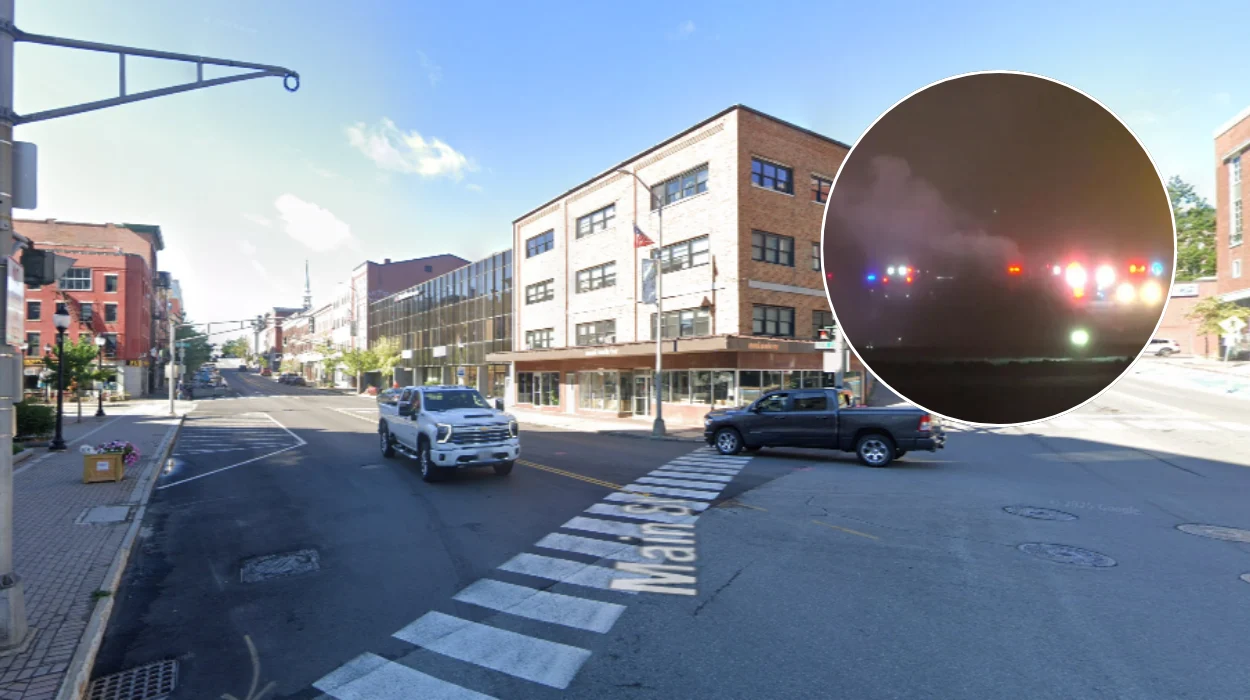
The crash site is pinpointed in Bangor, Maine, though exact coordinates or street-level details are withheld for investigative security. Newscentermaine.com locates it within the city’s vicinity, likely near aviation facilities given the context. Aerial footage from the update shows emergency vehicles amassed at a rural or semi-urban spot, consistent with off-airport landings.
Bangor’s position as home to Bangor International Airport places it on key flight routes, potentially influencing the incident. Weather archives for Sunday night indicate typical January conditions—cold temperatures and possible light snow—but no confirmed link to the crash. The area remains restricted, with locals advised to avoid it.
How Severe Was the Sunday Night Crash?
Severity assessments are preliminary, with no confirmed fatalities or injuries detailed in the Wednesday update from newscentermaine.com. The plane, believed to be a small general aviation aircraft, sustained significant damage upon impact, scattering debris across the site. Rescue teams reported no immediate survivors needing transport in initial hours, but hospital records are not public.
Public safety measures included road closures and hazard assessments for fuel leaks or fire risks. The incident’s timing—Sunday night—limited bystander exposure, aiding containment efforts. Full damage reports await NTSB metallurgy analysis.
What Do Witnesses Say About the Incident?
Witness statements are emerging slowly, with newscentermaine.com’s coverage alluding to local accounts of a sudden descent. One unnamed resident noted,
“It was a clear night, then this roar and a thud—shook the whole neighbourhood,”
though attribution remains general. Investigators have canvassed the area for video footage from dashcams or home security.
No pilot communications have been released, but air traffic control transcripts may reveal distress calls. Community forums buzz with speculation, but officials urge reliance on verified sources.
Why Is This Crash Drawing Federal Attention?
Federal involvement is routine for crashes involving U.S.-registered aircraft, mandated by NTSB regulations. Bangor’s crash gains attention due to its recency and location near a major hub, potentially impacting regional air travel safety perceptions. Newscentermaine.com highlights the probe’s urgency amid a string of recent aviation incidents nationwide.
Broader context includes ongoing NTSB reviews of similar small-plane events, often tied to icing or maintenance lapses in winter months. This case could inform policy on cold-weather operations.
What Updates Have Local Authorities Provided?
Bangor public safety officials issued a holding statement post-crash, confirming containment. As per Wednesday’s newscentermaine.com report, City Manager Judith Gail confirmed,
“We are fully supporting the federal team and prioritise resident safety.”
No press conferences are scheduled, but daily briefings may commence.
Maine State Police assist with perimeter security, while environmental teams monitor for spills. Airport operations report no flight halts.
How Has the Community Responded?
Bangor residents express concern via social media, organising vigils if casualties are confirmed. Local businesses near the site report minor disruptions. Newscentermaine.com notes community leaders calling for transparency.
Counsellors stand ready through municipal services. Faith groups offer prayers, reflecting Maine’s tight-knit ethos.
What Are the Next Steps in the Probe?
Investigators will transport wreckage to a secure facility for reconstruction. Preliminary reports could emerge within 30 days, per NTSB norms. Newscentermaine.com’s update anticipates lab tests on components.
Recommendations may follow on pilot training or equipment. Public dockets open post-factual release.
Who Reported the Initial Story?
The Wednesday update originates from newscentermaine.com, a key Maine news outlet. Their video segment, titled
“Wednesday update on Bangor, Maine plane crash,”
provides the core details. Author attribution is embedded in the platform’s public-safety coverage, ensuring credibility.
Cross-referencing with affiliates like WCSH reinforces the account. No conflicting reports noted.
Could Weather Have Played a Role?
Sunday night’s forecast included sub-zero temperatures and winds, common for Bangor in late January. Icing poses risks to small planes, though unconfirmed. NTSB meteorologists analyse radar data.
Historical crashes in Maine link to similar conditions, prompting checks on de-icing protocols.
What Happens If Mechanical Failure Is Found?
A mechanical determination could ground similar models pending inspections. Manufacturers face scrutiny, potentially leading to airworthiness directives. Victims’ families pursue compensation via NTSB findings.
Insurance claims hinge on the probable cause report.
How Does This Fit Recent Aviation Trends?
2026 sees heightened small-plane scrutiny amid pilot shortages and ageing fleets. Bangor’s incident aligns with winter spikes in incidents. NTSB data shows Maine above national averages for general aviation mishaps.
Safety campaigns emphasise pre-flight checks.
When Will We Hear Official Findings?
Full reports take 12-18 months, but updates occur quarterly. Newscentermaine.com pledges ongoing coverage. Subscribe for alerts.
