Key Points
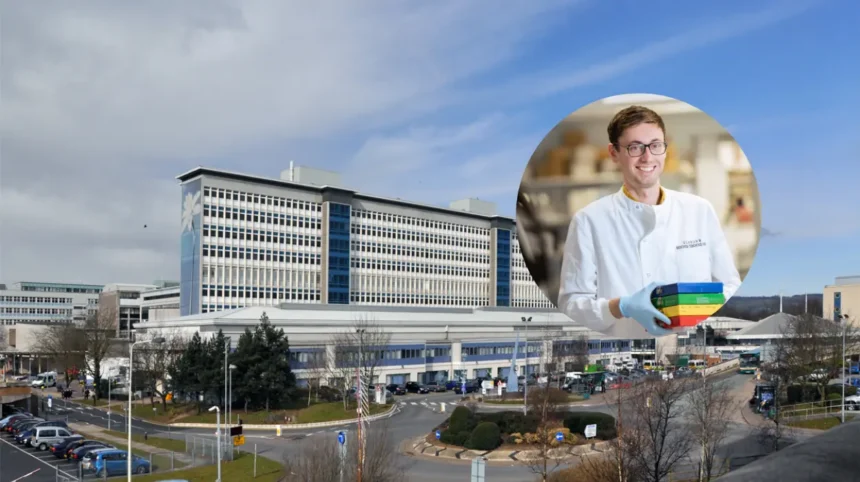
- A fellowship worth £500,000 and lasting five years has been awarded to Dr Bruce MacLachlan from Cardiff University’s School of Medicine by Cancer Research Wales.
- This will be used to conduct research on the mechanism of action of the immune system against cancer with special focus on T-cells.
- Dr Bruce MacLachlan intends to use the funds to learn about the interaction between cancer cells and immune cells at the atomic level in order to develop immunotherapy including cancer vaccines.
- Cancer Research Wales states that this fellowship is a way through which the organization is seeking to prepare the next generation of Welsh cancer scientists.
- This information was announced while the organization celebrated its 60th anniversary during a research conference held in Cardiff.
- According to Cancer Research Wales, it has invested in excess of £41.86 million in research activities since 1966 and presently has over £8.85 million in more than 52 live projects.
- Fellowship funding is used for laboratory research and does not represent a new treatment for patients.
Cardiff (Wales Times) November 07, 2026 – A uk/local/cardiff/">Cardiff University scientist has been awarded £500,000 to investigate how the body’s immune system recognises cancer and how that knowledge could help make immunotherapy more effective for a wider range of patients.
- Key Points
- What will the £500,000 fellowship fund?
- Why does immunotherapy not work for everyone?
- How could the research lead to new treatments?
- What did Dr MacLachlan say?
- Why has Cancer Research Wales funded the project?
- How does the announcement fit Cancer Research Wales’s anniversary?
- What is known about Dr MacLachlan’s research?
- What does this mean for cancer patients in Wales?
- Background of the development
- Prediction: How could this affect patients and researchers?
Dr Bruce MacLachlan, a researcher based at Cardiff University’s School of Medicine, has received a five-year fellowship from Cancer Research Wales. The funding will support his work on cancer immunotherapy, an approach that uses the immune system to identify and attack cancer cells.
As reported by Nation.Cymru, Dr MacLachlan’s project will examine the interaction between immune cells and cancer “down to the level of individual atoms”. The research is intended to help scientists understand why immune responses differ between individuals and how treatments might be designed to work across different genetic backgrounds.
Cancer Research Wales announced the fellowship as part of its 60th-anniversary celebrations. The charity described Dr MacLachlan as a scientist developing treatments that use the body’s immune system to treat cancer.
What will the £500,000 fellowship fund?
The fellowship will fund five years of research into how immunotherapy recognises cancer. Dr MacLachlan intends to use advanced scientific techniques to observe the interaction between immune cells and cancer at an exceptionally detailed molecular level.
According to Cancer Research Wales, the project will focus on T-cells, an important type of white blood cell. T-cells can recognise signs of disease in the body and, in some circumstances, attack cancer cells. The research will examine how these cells can be directed to find and eliminate cancer.
The central question for the research is how immune recognition of cancer varies between people. Cancer Research Wales says inherited genetic makeup influences the way each person’s immune system detects cancer. That variation can make it difficult to develop immunotherapies that work consistently across different populations.
Dr MacLachlan’s work will therefore look for ways to account for genetic differences from the beginning of the treatment-design process. The aim is to develop therapies that may be effective more widely across the Welsh and global population.
Why does immunotherapy not work for everyone?
Immunotherapy has changed cancer treatment by harnessing the immune system to target cancer. However, its effectiveness can vary between patients and cancer types.
As reported by Nation.Cymru, Dr MacLachlan said: “The discovery that our immune system can recognise and destroy cancer has transformed how we treat cancer. In the last decade, we have begun to harness the immune system to direct it towards the signs of a patient’s cancer.”
He added: “However, we still have a way to go so that these powerful therapies work in all patients, in all cancer types.”
The issue is not simply whether the immune system can recognise cancer. It is also how it recognises cancer. Genetic differences affect the molecular signals presented by cells and the way immune cells respond to them. This means a treatment that works well for one patient may not produce the same result in another.
Dr MacLachlan said his research aims to address that challenge by considering genetic differences at the outset. “By ensuring genetic differences are considered from the outset, my research aims to make such therapies work for all people,” he said, as reported by Nation.Cymru.
How could the research lead to new treatments?
The fellowship is not a clinical trial and does not mean that a new cancer therapy will immediately become available to patients. Nation.Cymru explicitly reported that the funding will support research towards that goal, rather than the introduction of a new therapy.
Instead, the project is designed to generate fundamental knowledge that could inform future treatments. Dr MacLachlan will work with other specialists to explore how the findings could be applied in the development of future therapies.
One possible application is cancer vaccines. In remarks published by Cancer Research Wales, Dr MacLachlan said that observing immune-system and cancer interactions in such detail could help researchers design therapies, including cancer vaccines, that “see past the genetic makeup of our immune system” and work more widely across populations.
The research may also contribute to a broader understanding of how T-cells identify cancer cells. If scientists can identify the molecular rules behind that recognition, they may be better placed to design treatments that encourage immune cells to respond more effectively.
What did Dr MacLachlan say?
Dr MacLachlan said the discovery that the immune system can recognise and destroy cancer had transformed cancer treatment. He said researchers had begun to harness the immune system to direct it towards the signs of a patient’s cancer over the past decade.
He also said that more work was needed to ensure such therapies work for all patients and across all cancer types.
In a statement reported by Cancer Research Wales, Dr MacLachlan said: “My work will focus on T-cells (an important white blood cell) and will look to our immune system for solutions as to how to direct T-cells to find and eliminate cancer.”
He continued:
“If we can observe the interactions between our immune system and cancer at this exquisite detail, we can design therapies, such as cancer vaccines, that see past the genetic makeup of our immune system to work more widely across the Welsh and world population.”
Dr MacLachlan also said:
“Working collaboratively with other experts, the goal is to move discoveries closer to treatments that give every patient with cancer a better chance of recovery.”
Why has Cancer Research Wales funded the project?
Cancer Research Wales said the fellowship reflects its commitment to developing the next generation of scientists and building a strong cancer-research environment in Wales.
Dr Lee Campbell, Head of Research at Cancer Research Wales, announced the funding. He said it was a privilege to provide support for Dr MacLachlan and his research, which he said had the potential to transform the future for cancer patients and tackle cancer inequalities in Wales.
“For 60 years, Cancer Research Wales has been funding the best researchers, clinicians and health professionals to push the boundaries of cancer research here in Wales, and to date we have invested over £41.86 million to achieve that,” Dr Campbell said.
He added that the charity currently has more than £8.85 million invested in 52 live projects researching quicker diagnosis and better, kinder treatments for cancer. He said this includes almost £3 million in four clinical trials based in Wales.
“It is a pleasure to add Dr MacLachlan’s name to the list of cancer research pioneers we have funded since 1966,”
Dr Campbell said.
How does the announcement fit Cancer Research Wales’s anniversary?
The fellowship announcement coincided with Cancer Research Wales’s 60th-anniversary research conference in Cardiff. The charity was established in 1966 and says its research funding is spent in Wales.
The conference took place at sports/glamorgan-cricket-club/">Glamorgan Cricket Club in Sophia Gardens, Cardiff, on Friday, October 23, beginning at 9.00am.
Mabon ap Gwynfor MS, the Cabinet Minister for Health and Care, delivered the keynote address. Adam Fletcher, Chief Executive Officer of Cancer Research Wales, opened the conference. The event was chaired by broadcaster and presenter Sian Lloyd.
Cancer Research Wales says it is the Welsh cancer research charity and describes its mission as funding world-class research in Wales. The charity says it supports PhDs, postdoctoral fellowships and project grants as part of its research programme.
What is known about Dr MacLachlan’s research?
Dr MacLachlan is a Research Associate in Cardiff University’s Division of Infection and Immunity. According to Cancer Research Wales, his research focuses on understanding how the immune system recognises cancer in order to design better immunotherapies.
His earlier work has used structural and molecular biology techniques to study immune recognition events between immune cells and target antigens. Antigens are molecular signals that can flag the presence of cancer or viral infection to the immune system.
He received a PhD in Cancer Biology from Cardiff University in 2017. His doctoral research studied CD4-positive “helper” T cells in colorectal cancer, under the supervision of Dr David Cole and Professor Andrew Godkin.
His current research, as described by Health and Care Research Wales, aims to describe the nature of tumour antigens presented to CD4-positive T cells and to use structure-guided approaches to help T cells recognise those antigens more effectively.
Cardiff University has also described Dr MacLachlan as a structural biologist and early-career researcher working on cancer vaccines for colorectal cancer. That work focuses on proteins found in colorectal cancers that are rarely present in healthy tissue, making them potential targets for vaccination.
What does this mean for cancer patients in Wales?
For patients in Wales, the announcement does not signal an immediate new treatment. It signals continued investment in the scientific groundwork that may shape future immunotherapies.
The research could help address a recognised limitation of immunotherapy: treatments do not work equally well for every patient or every cancer type. By studying immune recognition at a molecular level, Dr MacLachlan’s team hopes to identify approaches that could make future therapies more broadly effective.
Cancer Research Wales says 175 families in Wales lose a loved one to cancer every week. The charity says it is working to ensure people in Wales do not have to accept cancer as a life-threatening disease.
The fellowship may therefore have particular relevance for Welsh patients if it helps researchers develop treatments suited to a more diverse range of genetic backgrounds. However, any potential patient benefit remains dependent on the results of the research and, ultimately, on further development and testing.
Background of the development
Cancer immunotherapy is a field of treatment that seeks to use the body’s immune system against cancer. Rather than directly attacking cancer cells with drugs or radiation, immunotherapy aims to help immune cells recognise cancer and respond to it.
T-cells are central to this process. They are white blood cells involved in immune responses and can, in certain circumstances, identify and destroy abnormal cells. Dr MacLachlan’s research focuses on how T-cells recognise cancer and how that recognition could be improved or directed.
Genetic variation is important because immune systems differ between individuals. These differences can affect how cancer is detected and how immune cells respond. This is why researchers are increasingly interested in designing treatments that account for population-wide genetic diversity rather than relying on a narrow understanding of immune recognition.
Cancer Research Wales was established in 1966 and says it has invested more than £41.86 million in research. The charity says its current portfolio includes 52 live projects, with funding directed towards earlier diagnosis and improved treatment. Its 60th-anniversary conference provided the setting for the announcement of Dr MacLachlan’s fellowship.
Prediction: How could this affect patients and researchers?
For cancer patients in Wales, the most likely short-term effect is indirect. The fellowship is expected to strengthen research capacity and generate molecular knowledge that could guide future immunotherapy development. It does not, on the evidence reported, immediately change treatment options.
Over the longer term, if the research identifies reliable ways to make immune recognition more effective across genetic backgrounds, it could contribute to cancer vaccines or other immunotherapies designed for broader use. Such advances would still require extensive laboratory work, collaboration and, where appropriate, clinical testing before becoming available to patients.
For Welsh researchers, the award may support the development of specialist expertise in structural immunology and cancer immunotherapy. Cancer Research Wales has framed the fellowship as part of its effort to build the next generation of scientists and sustain a research environment in Wales.
For patients from different genetic and ethnic backgrounds, the potential significance lies in the project’s stated aim to consider genetic differences from the outset. If successful, that approach could help reduce the risk that future immunotherapies work well only for particular groups of patients.