
Key Points
- Welsh Mountain Zoo’s oldest chimp, Mabel, dies at over 60 years old.
- Mabel’s death followed a brief spell of natural aging at the facility.
- The chimpanzee was known at the zoo for many years.
- The chimp was a part of the EAZA ex situ breeding program for the critically endangered Western chimpanzee.
- She is remembered as the “true matriarch” of Welsh Mountain Zoo’s troop of chimps.
- Mabel’s work will live on through her son and their progeny, some of whom still live at the zoo.
- Staff from the zoo said that Mabel will be sorely missed by the keepers and other chimps.
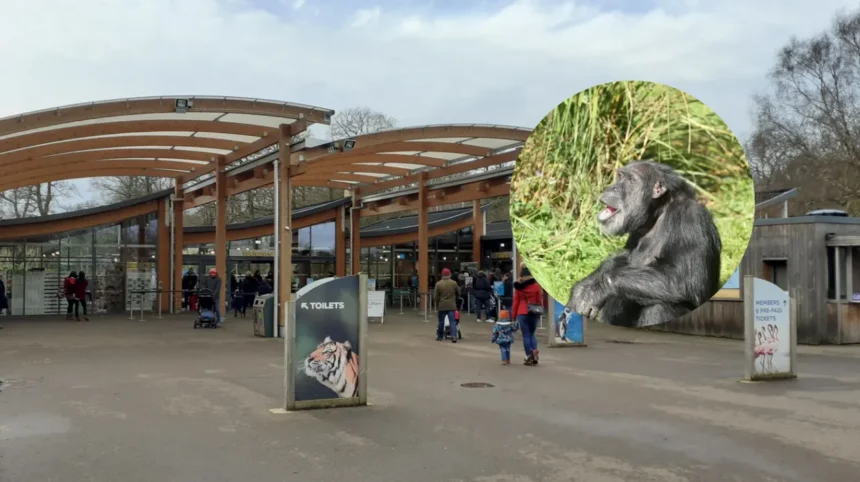
Wales (Wales Times) October 3, 2026 – Welsh Mountain Zoo has announced the death of Mabel, its oldest chimpanzee, who was aged more than 60 years.
The zoo said Mabel died following a short period of age-related decline. She had lived at the Colwyn Bay attraction for many years and was regarded as a significant member of its chimpanzee troop.
WalesOnline reported that the zoo announced Mabel’s death on Friday, October 2, describing her as its eldest chimpanzee. The North Wales Pioneer, Rhyl Journal, Leader and North Wales Chronicle also reported the zoo’s tribute.
How did Welsh Mountain Zoo pay tribute to Mabel?
In its statement, Welsh Mountain Zoo described Mabel as a “very special member” of its zoo family and a “true matriarch” within the chimpanzee troop.
The zoo said Mabel was wise, subtle and resilient. Keepers also remembered her for her playful nature, even in later life.
The statement said:
“She took everything in her stride and, despite her wisdom and seniority, always retained her playful side.”
The zoo added that Mabel would be missed by staff, visitors and the chimpanzees who had shared her life.
Why was Mabel important to chimpanzee conservation?
Mabel made an “incredibly valuable contribution” to the European Association of Zoos and Aquaria ex-situ breeding programme, also known as the EEP, for the Western chimpanzee.
The zoo said Mabel’s legacy will continue through her son and his offspring. Some of her descendants remain within the chimpanzee troop at Welsh Mountain Zoo, while others form part of the wider managed population across EAZA member zoos.
Western chimpanzees are critically endangered. Conservation organisations identify habitat loss, hunting, illegal wildlife trade and disease as significant threats to wild chimpanzee populations.
What will happen to Mabel’s chimpanzee troop?
Welsh Mountain Zoo has not announced changes to the care or management of its chimpanzee troop following Mabel’s death.
The zoo’s statement focused on Mabel’s role within the group and her long-term conservation legacy. Her remaining relatives, including her son and descendants, will continue to form part of the chimpanzee population connected to the EAZA breeding programme.
Mabel’s death marks the loss of the oldest member of the zoo’s chimpanzee group.
Background of the development
Mabel had been a resident of Welsh Mountain Zoo in Colwyn Bay for many years. As the oldest chimpanzee at the zoo, she was a familiar member of the animal collection and an important individual within her troop.
The EAZA ex-situ breeding programme supports coordinated animal populations in accredited zoos. Such programmes seek to maintain genetically diverse and healthy populations of threatened species, while supporting wider conservation work.
Welsh Mountain Zoo has highlighted the endangered status of chimpanzees and their vulnerability to pressures in the wild. Mabel’s descendants mean her contribution to the managed breeding population will continue after her death.
Prediction: How may Mabel’s death affect visitors and conservation supporters?
Mabel’s death may be particularly felt by visitors who had watched the chimpanzee troop over many years. The zoo’s tribute is likely to draw attention to the remaining members of the group and to the family connections within the troop.
For conservation supporters, Mabel’s death may underline the role played by zoological breeding programmes in protecting endangered species. Her surviving descendants will remain part of the managed population, meaning her conservation contribution is expected to continue.
The development may also encourage visitors to learn more about chimpanzee conservation, the pressures facing wild populations and the work undertaken by accredited zoos to support threatened species.