
Key Points
- Cambrian Line art projects are planned for three railway halts in Wales later in 2026.
- The initiative is being led by the award-winning Cambrian Railway Partnership.
- The projects are expected to combine railway locations with local artistic activity.
- The participating halts and the artists involved were not identified in the available report.
- The development could give passengers and communities a stronger connection with the railway.
- The programme is part of a wider effort to bring cultural activity to stations and halts.
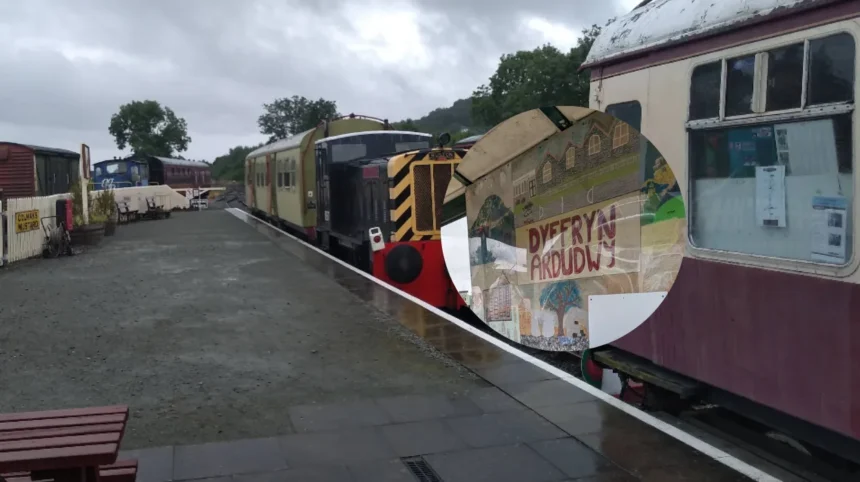
Wales (Wales Times) August 15, 2026— the Cambrian Railway Partnership announced in August 2026 that it will begin arts projects at three halts on the Cambrian Line later this year. The initiative is intended to bring creative activity to railway locations that are primarily used for passenger access, turning them into places with a stronger visual and community identity.
- Key Points
- What has the Cambrian Railway Partnership announced?
- Why are railway halts being used for the art programme?
- What is known about the three participating halts?
- How could the programme support Welsh communities?
- What questions remain before the projects begin?
- What could passengers expect later in 2026?
- Background: What is the Cambrian Railway Partnership?
- Prediction: How could the Cambrian Line art projects affect passengers and communities?
The announcement marks a new cultural development for the line, which serves communities across west and mid-Wales. According to the report published by RailAdvent, the Cambrian Railway Partnership is award-winning and will lead the programme at three of the line’s halts. The available report did not name the three locations or provide details of the artists, individual artworks or installation dates.
The project is significant because it places art directly within the everyday railway environment. Rather than limiting cultural activity to galleries, museums or major urban stations, the partnership’s plan will bring it to smaller halts used by residents, visitors and tourists travelling along the line.
What has the Cambrian Railway Partnership announced?
The Cambrian Railway Partnership has said that arts projects will begin at three halts later in 2026. The announcement was reported by RailAdvent in a story titled “Cambrian Line to bring art to halts in Wales”. The report described the partnership as award-winning and identified the arts programme as an upcoming development rather than a completed installation.
The information currently available establishes three central points:
- The partnership is responsible for the programme.
- Three Cambrian Line halts will be involved.
- The work is expected to start later in 2026.
No further statement from an individual spokesperson was included in the accessible report. As a result, details such as the funding source, project budget, commissioning process and maintenance arrangements cannot be confirmed from the available material.
The announcement also does not establish whether the projects will involve permanent installations, temporary displays, painted structures, sculpture, community-created work or another form of artistic activity. Those distinctions will matter when the partnership provides additional information.
Why are railway halts being used for the art programme?
Railway halts are highly visible community assets. They are used by passengers but can also act as gateways to surrounding villages, coastal areas, countryside and tourist destinations. Introducing artwork at these sites can give each location a distinctive character while making the passenger environment more engaging.
The approach may also help connect the railway with the communities it serves. Local residents often experience a halt as part of their daily routine, while visitors may encounter it as their first impression of an area. Art placed in or near the railway setting could therefore communicate aspects of local identity, history or landscape.
However, the available report does not say that the work will necessarily be community-led or locally themed. It confirms only that arts projects are planned at three halts. Any claim about the themes, artists or intended audience would require further confirmation from the Cambrian Railway Partnership.
The programme’s location is nevertheless important. Small halts generally have fewer facilities than major stations and may not receive the same level of investment or cultural attention. An arts initiative could bring attention to these locations without changing their primary transport function.
What is known about the three participating halts?
The available coverage confirms that three Cambrian Line halts will take part, but it does not identify them. It also does not explain whether the halts were chosen because of their location, passenger numbers, accessibility, local interest or existing community partnerships.
This means that the geographical impact cannot yet be assessed precisely. The Cambrian Line covers a broad area, and the effect of the programme will depend partly on where the projects are placed. Work at three closely located halts would have a different regional impact from projects distributed across separate communities.
The partnership may release further information before work begins. Relevant details would include:
- The names of the three halts.
- The artists or creative organisations involved.
- The type and scale of each project.
- Whether passengers and residents can participate.
- The planned start and completion dates.
- How the work will be protected and maintained.
- Whether the programme will be repeated at other locations.
Until those points are confirmed, the announcement should be understood as an early-stage development.
How could the programme support Welsh communities?
Arts projects at railway halts can provide practical opportunities for public engagement. If the partnership works with local schools, community groups or artists, the initiative could allow people to contribute to the appearance and identity of their local railway environment.
Such participation could be particularly relevant in smaller communities, where public spaces often serve several purposes. A halt may function not only as a transport point but also as a visible symbol of a village or rural area. Creative work could help strengthen that symbolic role.
The project may also benefit visitors. The Cambrian Line is associated with travel through scenic parts of Wales, and art at selected halts could add another layer to the journey. Displays might encourage passengers to pause, explore nearby communities or learn more about the area, depending on how the projects are designed.
Those potential benefits are not guarantees. Their scale will depend on the quality of the work, the level of community involvement, accessibility for passengers and the partnership’s approach to long-term care. The available report does not include an evaluation of expected economic or tourism effects.
What questions remain before the projects begin?
The announcement leaves several operational questions unanswered. The first concerns safety and accessibility. Any installation near a railway must avoid obstructing passenger movement, signage, staff access and emergency routes. It must also be suitable for different weather conditions and compatible with the requirements of railway infrastructure.
A second question concerns maintenance. Artwork at exposed rural halts may face rain, wind, sunlight, vandalism and general wear. The partnership will need to determine who is responsible for inspections, repairs and eventual removal or replacement.
A third issue is consultation. The report does not say whether local communities have already been consulted or whether further opportunities to comment will be offered. Consultation could influence the choice of themes, materials and locations.
Finally, the partnership has not yet stated whether the programme is a one-off project or the beginning of a wider arts strategy for the Cambrian Line. If the first three projects are successful, other halts could potentially be considered in future, although no such expansion has been announced.
What could passengers expect later in 2026?
Passengers may begin to see new creative features at three Cambrian Line halts later in 2026. At this stage, the exact form of the projects is unknown, so it is not possible to say whether passengers will encounter murals, sculptures, installations, interpretive displays or another type of artwork.
The initiative is expected to affect the appearance and atmosphere of the selected halts rather than alter train services. The announcement contains no information about changes to timetables, fares, routes or station facilities.
For passengers, the immediate effect is likely to be visual and cultural. For residents, the more important question may be whether the programme creates meaningful local involvement and whether the resulting work remains useful and valued after the launch period.
Background: What is the Cambrian Railway Partnership?
The Cambrian Railway Partnership is described by RailAdvent as an award-winning partnership involved with the Cambrian Line. Its planned arts programme is the latest reported development connected with the line’s stations or halts.
The accessible report provides limited background about the partnership’s previous awards or other activities. It does not specify when the organisation was established, which bodies form the partnership or which earlier projects led to the arts announcement.
The Cambrian Line is a railway route in Wales serving rural and coastal communities. Its halts provide access for local passengers and visitors, making them potential sites for projects designed to connect transport, place and culture. The new programme will focus on three halts, although their names and the full project details have not yet been released.
Prediction: How could the Cambrian Line art projects affect passengers and communities?
The Cambrian Line art projects are likely to make the selected halts more distinctive and could improve passengers’ sense of place, particularly if the work reflects local communities and landscapes. Residents may benefit most if they are involved in choosing, designing or maintaining the artwork.
The programme could also increase attention on the three participating halts and encourage visitors to view them as more than points of departure and arrival. Any tourism or economic benefit, however, will depend on the locations chosen, the visibility of the work and whether the projects are linked with wider local attractions.
For regular passengers, the effect may be modest but positive: a more welcoming and recognisable environment during daily journeys. The longer-term outcome will depend on installation quality, accessibility, maintenance and the partnership’s ability to explain how the projects relate to each community.
The most important next development will be the release of details identifying the three halts and explaining who will create the artwork. Until then, the announcement confirms the intention to begin three arts projects later in 2026 but does not provide enough information to assess their final design or wider impact.