Key Points
- 22-year-old Joseph Lawrence Jones took the steering wheel while Sioned Tesni Povey was driving in a country lane in the Spittal area of Pembrokeshire.
- The car left the lane, hit the embankment, and then a tree causing injuries to Jones, Povey, and the back seat passenger Harlie Smith.
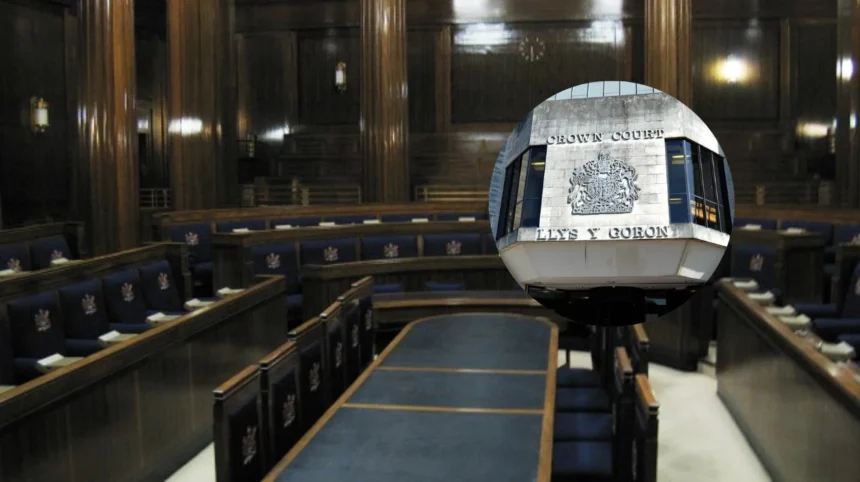
- According to WalesOnline, Jones and Povey admitted to causing grievous bodily harm through dangerous driving at Swansea Crown Court.
- Harlie Smith got her right thigh bone fractured along with fractures in the bottom of her skull; she stayed in hospital for 12 days and underwent rehabilitation for months afterward.
- Joseph Jones had 45 mg of alcohol in his breath, more than the allowed limit of 35 mg.
- Joseph Jones was given a jail term of 16 months, suspended for two years, while Sioned Povey got a sentence of 18 months suspended for two years.
- They were asked to perform unpaid work of 200 hours, were banned from driving for two years and to pass additional driving tests.
- Judge Huw Rees mentioned that the results could include deaths but he suspended the custody.
Wales (Wales Times) October 25, 2026 — A passenger who grabbed the steering wheel of a moving car caused it to leave a rural road and crash into a tree, leaving three young people injured, a court has heard.
- Key Points
- What happened before the crash?
- Was the passenger over the alcohol limit?
- How seriously was Harlie Smith injured?
- What injuries did the driver and passenger suffer?
- What did the judge say about the crash?
- What sentences were imposed?
- What did their defence barristers argue?
- Background of the development
- Prediction: How this may affect drivers and passengers
Joseph Lawrence Jones, 22, and driver Sioned Tesni Povey, 22, both admitted causing serious injury by dangerous driving after the incident in the early hours following a shift at a Pembrokeshire pub. uk/local/swansea/">Swansea Crown Court was told that their friend, Harlie Smith, suffered serious injuries in the collision and required extensive hospital treatment.
As reported by WalesOnline, prosecutor Sian Cutter said Jones, Povey and Miss Smith were friends who worked together at Aethers pub in Haverfordwest. After finishing a shift on the evening of September 30 last year, the three remained at the pub to socialise before Povey drove the others home towards Spittal.
What happened before the crash?
The court heard that the journey initially proceeded without incident. Jones sat in the front passenger seat and gave directions, while Miss Smith travelled in the back.
Prosecutor Sian Cutter told the court that Jones then leaned across and “yanked” the steering wheel. Povey did not immediately lose control, but Jones repeated the action shortly afterwards. On the second occasion, the car veered off the road, hit an embankment and collided with a tree.
According to WalesOnline, Povey contacted police after the crash and said Jones had taken hold of the steering wheel. The prosecutor said it appeared that everyone in the vehicle had treated the situation as “a bit of a joke” and that “nobody seemed to recognise the gravity of it”.
Was the passenger over the alcohol limit?
Yes. WalesOnline reported that a roadside breath test gave Jones a reading of 45mg of alcohol per 100ml of breath, above the legal limit of 35mg.
The court was told Jones admitted “messing about” and said he had consumed around six alcoholic drinks that evening. During police questioning, he answered “no comment” to all questions. Povey told officers that Jones had been directing her before he began pulling the steering wheel.
How seriously was Harlie Smith injured?
Miss Smith’s injuries were the most severe. In a victim statement read to the court, she said she spent 12 days in hospital and needed a wheelchair, Zimmer frame and crutches after being discharged.
WalesOnline reported that she suffered a fractured right thigh bone, requiring surgery to insert metal “nail” screws, as well as fractures at the base of her skull. She was transferred to Cardiff for specialist care before returning to a local hospital to continue her recovery.
The court heard that, five-and-a-half months after the crash, Miss Smith was still taking painkillers and undergoing physiotherapy. She said she experienced weakness in her leg, and her consultant indicated that her muscles and tendons could take up to two years to heal fully. She may also require further surgery.
What injuries did the driver and passenger suffer?
Povey was reported to have suffered a suspected fractured wrist and sternum, but left hospital before receiving treatment. Jones sustained a ruptured bladder that required surgical intervention.
The prosecution said Jones’s actions created a significant danger. It was also argued that Povey continued driving with her foot on the accelerator and did not take action to stop him, effectively relinquishing control of the vehicle.
What did the judge say about the crash?
Judge Huw Rees described the events as “immature behaviour resulting from inexperience and a lack of focus on road safety”. He characterised the incident as “fooling around”.
The judge said Jones’s decision to grab the steering wheel was reckless, while Povey’s failure to regain control made the situation worse. Addressing the defendants, he said:
“This was an extremely foolish act, and the repercussions could have been far worse. There could have been fatalities.”
WalesOnline reported that Judge Rees said the defendants “fully deserve to face imprisonment”, but considered whether sending two young people straight to custody would “destroy two young lives”.
What sentences were imposed?
Jones received a 16-month prison sentence, suspended for two years. The sentence included a one-third reduction for his guilty plea.
Povey, who entered her plea later, was sentenced to 18 months, suspended for two years, with a one-quarter discount for her plea.
Both defendants were ordered to complete 200 hours of unpaid community work. They were also disqualified from driving for two years and must pass extended driving tests before they can drive again.
The court heard that neither defendant had previous convictions.
What did their defence barristers argue?
Dean Pulling, representing Jones, said his client had not intended to harm anyone. He said youth, immaturity, impulsivity and alcohol contributed to “a moment of thoughtless recklessness” that was out of character.
Mr Pulling said Jones deeply regretted what happened and wished he could go back and act differently. He added that Jones had also been injured in the crash, had given up contact sports as a result, and remained on friendly terms with Miss Smith, even attending her wedding earlier this year.
The barrister accepted that the offence crossed the custody threshold but asked the court to suspend the sentence.
Paul Lewis, representing Povey, described the case as a “regrettable event involving young individuals who should have acted more responsibly”. He said Povey felt genuine remorse and that her friendship with Miss Smith had ended.
Background of the development
The crash happened after Jones, Povey and Miss Smith finished a shift at Aethers pub in Haverfordwest on September 30 last year. The three friends stayed at the pub to socialise before travelling home towards Spittal in Povey’s car.
The case reached Swansea Crown Court after both defendants admitted causing serious injury by dangerous driving. The sentencing hearing focused on the passenger’s repeated interference with the steering wheel, the driver’s failure to regain control, the alcohol reading recorded by Jones, and the long-term impact of Miss Smith’s injuries.
Prediction: How this may affect drivers and passengers
This case is likely to reinforce the message that passengers can be held criminally responsible when their actions directly endanger a driver, other occupants or other road users. For young drivers and passengers in particular, it may increase awareness that interfering with a moving vehicle is not harmless “messing about” but conduct that can lead to a dangerous-driving conviction.
For drivers, the outcome may prompt greater caution about continuing to drive when a passenger is distracting them or interfering with controls. The suspended sentences, community-work requirements and extended-test conditions may also be viewed by local drivers as a reminder that courts can impose substantial penalties even where immediate imprisonment is avoided.
For crash victims and their families, the case may highlight the lasting physical, financial and emotional consequences of road collisions. Miss Smith’s continued need for painkillers, physiotherapy and possible further surgery shows that recovery from serious road injuries can extend well beyond the initial hospital treatment.