

Key Points
- Carmarthenshire County Council is planning community-focused events for St Davids Day, including sessions in local libraries.
- The celebrations are based on the words of Wales patron saint: “Gwnewch y pethau bychain” / “Do the things”.
- The events are meant for people who live in the area and for visitors who come to the county.
- St Davids Day takes place every year on 1 March. The plans, for 2026 are already being shared early.
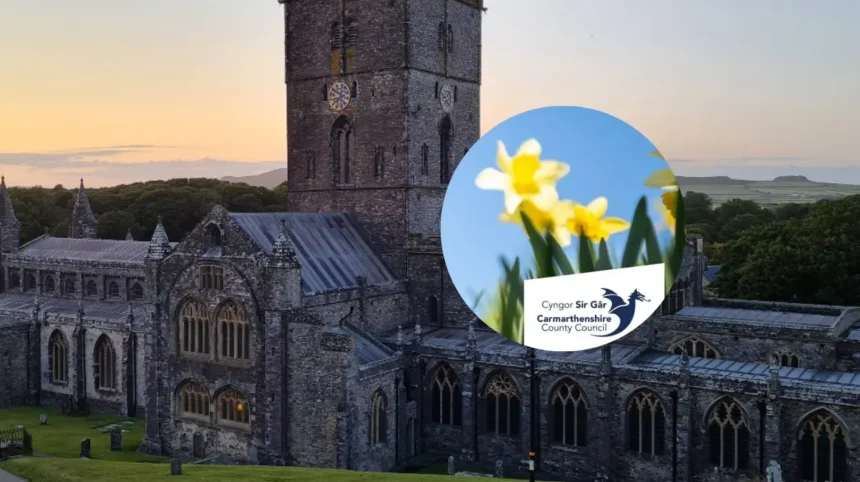
- Traditional things people do include wearing daffodils and leeks which’re the national symbols of Wales.
St Davids (Wales Times) August 15, 2026 — Carmarthenshire County Council will host a range of community-focused events, including themed sessions and celebrations within local libraries, to mark St David’s Day in 2026. The initiative is framed around the words of Wales’ patron saint: “Gwnewch y pethau bychain” / “Do the little things”, encouraging residents and visitors alike to take part in small, meaningful acts that reflect Welsh heritage and community spirit.
- Key Points
- How will Carmarthenshire celebrate St David’s Day?
- Embracing the spirit of “Do the little things”
- What are the traditions of St David’s Day in Wales?
- School and community customs
- Who is organising St David’s Day events in Carmarthenshire?
- Broader regional context
- When and where will events take place?
- Timing and locations
- Why is St David’s Day important to Carmarthenshire?
- Background of the particular developmen
- Prediction: How this development can affect Carmarthenshire residents and visitors
As reported by Herald Wales, the council’s programme aims to bring together people of all ages through activities rooted in local culture, language, and shared traditions. While full details of the 2026 schedule are still being finalised, the emphasis on library-based events points to a county-wide effort to make the day accessible and inclusive.
How will Carmarthenshire celebrate St David’s Day?
Carmarthenshire County Council has indicated that local libraries will serve as hubs for St David’s Day programming, with themed sessions planned across the county. These are expected to include storytelling, craft activities, and cultural showcases that highlight Welsh language and heritage. Libraries in towns such as Carmarthen and Llanelli have previously hosted family-friendly summer activities, suggesting a model that could be adapted for March celebrations.
The council’s approach aligns with broader efforts to promote Welsh language and culture through public spaces. By centring events in libraries, organisers aim to reach diverse audiences, including families, school groups, and older residents.
Embracing the spirit of “Do the little things”
The phrase “Gwnewch y pethau bychain” “Do the little things” is attributed to St David and has become a guiding principle for the county’s celebrations. This message encourages individuals to perform small, everyday acts of kindness, cultural pride, or community service as a way of honouring the patron saint’s legacy.
In practice, this could involve wearing traditional Welsh emblems such as the daffodil or leek, sharing Welsh stories with children, or participating in local events that foster connection. The council’s promotion of this theme underscores a desire to make St David’s Day both meaningful and accessible to all.
What are the traditions of St David’s Day in Wales?
St David’s Day, observed annually on 1 March, commemorates the death of Wales’ patron saint in 589. While not a bank holiday, the day is widely celebrated across Wales, particularly in schools and cultural societies. Two national emblems are commonly worn: the leek, with origins traced to the 16th century, and the daffodil, which gained popularity in the 19th century.
The daffodil is now recognised as the national flower of Wales and is worn alongside the leek on St David’s Day. In Carmarthenshire, these symbols are likely to feature prominently in school parades, community gatherings, and library displays.
School and community customs
Traditional customs include children wearing Welsh national costume, participating in eisteddfodau (cultural festivals), and reciting Welsh poetry. In recent years, councils across Wales have expanded programming to include concerts, language workshops, and family events. Carmarthenshire’s library-based approach fits within this broader trend of making St David’s Day a county-wide celebration.
Who is organising St David’s Day events in Carmarthenshire?
Carmarthenshire County Council is the primary organiser of the 2026 St David’s Day programme, with a focus on library-led activities. The council has previously collaborated on regional initiatives to strengthen Welsh language use, including partnerships with Ceredigion and Pembrokeshire councils. This suggests a coordinated approach to cultural programming across west Wales.
As noted by Herald Wales, the council’s events are designed for both residents and visitors, indicating an effort to promote tourism alongside local engagement. Families, schools, and community groups are expected to be key participants.
Broader regional context
The 2026 National Eisteddfod, held in Pembrokeshire in August, has also involved Carmarthenshire in regional cultural planning. While separate from St David’s Day, this demonstrates the county’s active role in promoting Welsh culture throughout the year.
When and where will events take place?
Timing and locations
St David’s Day is celebrated on 1 March each year. While the 2026 date falls on a Sunday, council events may extend across the surrounding week to maximise participation. Library venues across Carmarthenshire including Carmarthen, Llanelli, and smaller towns — are expected to host activities.
Specific dates and times for the 2026 programme have not yet been published in full, but the council’s announcement in August 2026 suggests advance planning to allow schools and community groups to prepare.
Why is St David’s Day important to Carmarthenshire?
St David’s Day serves as a focal point for expressing Welsh identity, particularly in counties like Carmarthenshire where Welsh language and heritage remain central to community life. The council’s emphasis on “doing the little things” reflects a desire to make cultural celebration part of everyday life, rather than a single-day event.
By involving libraries often seen as community anchors the council aims to foster intergenerational engagement and language learning. This approach aligns with wider Welsh Government efforts to promote preventative, community-based care and cultural cohesion.
Background of the particular developmen
St David’s Day has been celebrated in Wales for centuries, with modern observances shaped by local councils, schools, and cultural organisations. In recent years, Carmarthenshire County Council has increased its investment in Welsh language and heritage programming, including participation in regional initiatives such as the National Eisteddfod. The 2026 St David’s Day programme builds on this foundation, with a specific focus on library-based activities that are accessible to all residents.
The phrase “Gwnewch y pethau bychain” has gained renewed prominence as a message of community resilience and cultural pride. By adopting this theme, the council seeks to encourage small, everyday acts that collectively strengthen Welsh identity in Carmarthenshire.
Prediction: How this development can affect Carmarthenshire residents and visitors
The 2026 St David’s Day programme in Carmarthenshire is likely to increase community engagement with Welsh language and culture, particularly among families and young people. Library-based events provide low-barrier opportunities for participation, which could lead to higher attendance at future cultural activities. For visitors, the programme offers a structured way to experience local traditions, potentially boosting tourism in the county.
Over time, the emphasis on “doing the little things” may foster a sustained sense of cultural pride, encouraging residents to incorporate Welsh language and customs into daily life. This could strengthen community cohesion and support broader Welsh Government goals for language revitalisation. However, the success of the programme will depend on effective promotion and the availability of resources to support library staff and volunteers.