Key Points
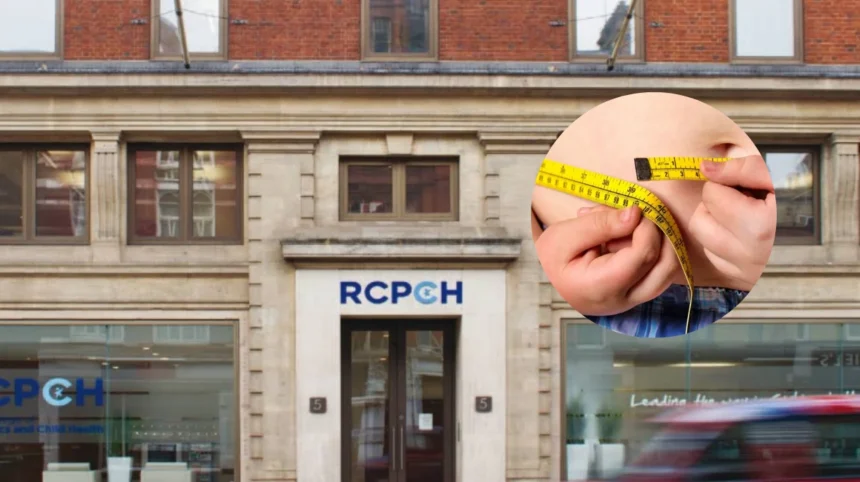
- According to the Royal College of Paediatrics and Child Health (RCPCH), Wales is at risk of producing “one of the unhealthiest generations in decades.”
- In 2024-25, 27.3% of four- to five-year-olds in Wales have been either overweight or obese children – this figure marks a record high for Wales and is the worst result across the UK nations.
- Over a quarter (27%) of five- to six-year-old children have shown clear signs of tooth decay; the children living in the most deprived areas are nearly twice as likely to suffer from the problem.
- Approximately 135,000 children and young people in Wales are experiencing a diagnosable mental health problem, including one in four 17- to 24-year-olds.
- Immunisation coverage has dropped under the recommended rates, with only a small number of routine vaccinations achieving the 95% uptake.
- Admissions for asthma among 5-14 year olds in Wales increased sharply in September 2024, from 23 in August to 110 – marking a 378% rise.
- RCPCH has requested the Welsh government to adopt a Children’s Health Plan that will focus on prevention, early intervention, data, targets and investment.
Wales (Wales Times) September 09, 2026 – Children’s health in Wales is “shocking” and outcomes are worsening or stagnating across multiple measures, leading paediatricians to warn that the country risks raising one of the unhealthiest generations in decades unless there is rapid, coordinated action.
- Key Points
- What does the RCPCH report say about child health in Wales?
- How bad are obesity and dental health problems among Welsh children?
- What do the figures show on mental health, asthma and vaccinations?
- What are doctors and children’s leaders calling for?
- How have parents and the Welsh Government responded?
- Background to the child health development in Wales
- Prediction: how could this affect children, families and services in Wales?
What does the RCPCH report say about child health in Wales?
The warning comes in a Wales-specific briefing from the Royal College of Paediatrics and Child Health (RCPCH), published alongside its UK-wide State of Child Health 2026 report. The college analysed 12 key indicators, including infant mortality, mental health, obesity, vaccination rates and asthma, and concluded that many trends in Wales are either deteriorating or improving too slowly.
As reported by BBC News, the RCPCH in Wales said that without urgent action the country risked “raising one of the unhealthiest generations of children in decades”, with the impact felt most sharply in deprived areas. Dr Dana Beasley and Dr Lizzy Nickerson, co-officers for RCPCH in Wales, stated that the report revealed “the alarming state of child health and the escalating inequalities faced by families throughout Wales”, with consequences that were “devastating and long-lasting”.
How bad are obesity and dental health problems among Welsh children?
Obesity and dental decay feature prominently in the findings. In 2024–25, 27.3% of children aged four to five in Wales were classified as overweight or living with obesity, the highest prevalence recorded in Wales to date and the highest rate among all four UK nations. The RCPCH described the obesity situation as “serious”, noting that more than one in four of the youngest school-age children were already affected.
Dental health data showed that more than a quarter (27%) of children aged five to six had obvious tooth decay in 2024–25. Children living in the most deprived areas were nearly twice as likely to have tooth decay as those in the least deprived areas, with 37.6% affected in the most disadvantaged communities compared with 19.8% in the least.
What do the figures show on mental health, asthma and vaccinations?
Mental health pressures are also rising. The report estimates that 135,000 children and young people in Wales are living with a diagnosable mental health condition. This includes one in six eight- to 10-year-olds, one in five 11- to 16-year-olds, and one in four 17- to 24-year-olds.
Asthma-related hospital admissions among children aged five to 14 increased sharply in September 2024, with 110 admissions compared with 23 in August – a 378% rise. While smoking rates among children in Wales have fallen, this has been offset by increasing e-cigarette use; 13.2% of 15-year-old females and 8.7% of males were daily vapers, with one paediatrician recounting an incident involving a six-year-old found vaping.
Vaccination coverage has dipped below recommended levels, raising “serious concerns”. Only a small fraction of routine childhood immunisations in Wales are achieving the 95% uptake goal recommended to prevent outbreaks of vaccine-preventable diseases. The report highlights a recent vaccine alert regarding a disease that has “re-established” itself in the UK, underscoring the risks of low coverage.
What are doctors and children’s leaders calling for?
In response to the findings, RCPCH is urging the Welsh Government to deliver on Plaid Cymru’s manifesto commitment to create a Children’s Health Plan. The college says the plan should prioritise three areas: better data management, clear targets and dedicated investment.
Dr Lizzy Nickerson, co-officer for RCPCH in Wales, said:
“Wales requires a plan that prioritises prevention, early intervention, and the reduction of inequalities.”
She added:
“This plan must be grounded in evidence, driven by data, and informed by the insights of clinicians, as well as the experiences and voices of children and young people.”
Dr Nickerson continued: “We need more robust and transparent data regarding child health, meaningful targets to track progress, and a dedicated effort to bridge the gap between children from the most and least privileged backgrounds.” She warned: “The health of children cannot be an afterthought; it must be a sustained priority for the Welsh government.”
Rocio Cifuentes, Children’s Commissioner for Wales, said many children were being “failed” due to increasing inequalities and inconsistent access to support. She noted: “The findings reflect what children and young people have consistently shared with me – that support often arrives too late, that accessing services such as health and care can be challenging, and that making healthy choices is not always straightforward.”
How have parents and the Welsh Government responded?
A YouGov survey commissioned alongside the report found that fewer than one in three respondents (27%) believed the Welsh Government was doing enough to support child health initiatives. Only 18% felt that government spending on child health was “about right”, while around two-thirds (68%) said the cost-of-living crisis was adversely affecting children’s health.
A Welsh Government spokesperson said children’s health was of “utmost importance” and that it had a “comprehensive array of policies and programmes” that played a “vital role” in improving outcomes and reducing inequalities. The spokesperson highlighted early childhood development, vaccination and mental health support as central to its approach.
“We recognise that the formative years of a child’s life are critical, not only for their development but also for influencing their future health, wellbeing, and life opportunities,” the spokesperson said. They added that the government was exploring ways to create a “stronger and more sustained national emphasis” on the health of babies, children and young people, with prevention, early intervention and integrated service delivery at the forefront of policy.
Background to the child health development in Wales
The RCPCH warning builds on years of concern about child poverty and health inequalities in Wales. Recent analysis by Public Health Wales and Liverpool John Moores University has shown that one in three children under four in Wales lives in poverty, with healthy life expectancy in decline for both men and women. Gender inequality has been identified as a structural driver of poverty and poorer health, as women often absorb financial strain within households.
The State of Child Health 2026 report places Wales in a UK-wide context, concluding that the UK risks raising one of the unhealthiest generations of children in recent decades unless inequalities are addressed, services improved and the child health workforce invested in. Within Wales, infant mortality has remained relatively stable at 3.5 deaths per 1,000 live births in 2024, similar to 2018, but remains higher in deprived areas (4.7 per 1,000) than in the least deprived (2.7 per 1,000). Child mortality among one- to 15-year-olds has improved since 2018, falling from 13 to 6.4 per 100,000 – the largest improvement of any UK nation and now the lowest rate across the four nations.
Prediction: how could this affect children, families and services in Wales?
If current trends continue, paediatricians warn that Wales could face a generation with higher levels of chronic illness, poorer educational outcomes and deeper health inequalities. High obesity and dental disease rates in early childhood are linked to long-term conditions such as type 2 diabetes, cardiovascular disease and persistent oral health problems, which can affect school attendance and attainment. Rising mental health needs among children and young people are likely to increase demand on CAMHS and primary care, while low vaccination coverage raises the risk of localised outbreaks of preventable diseases.
For families, especially in deprived areas, the combination of poor child health and cost-of-living pressures could mean more time off work to care for sick children, higher out-of-pocket costs for travel and prescriptions, and greater reliance on emergency services. For the NHS in Wales, the trajectory points to sustained pressure on paediatric wards, dental services and mental health teams unless prevention and early intervention are strengthened.
Without a robust, data-driven Children’s Health Plan and targeted investment, doctors argue that the gap between the most and least advantaged children in Wales will widen, entrenching poor health across the life course and limiting opportunities for a significant proportion of the next generation.