

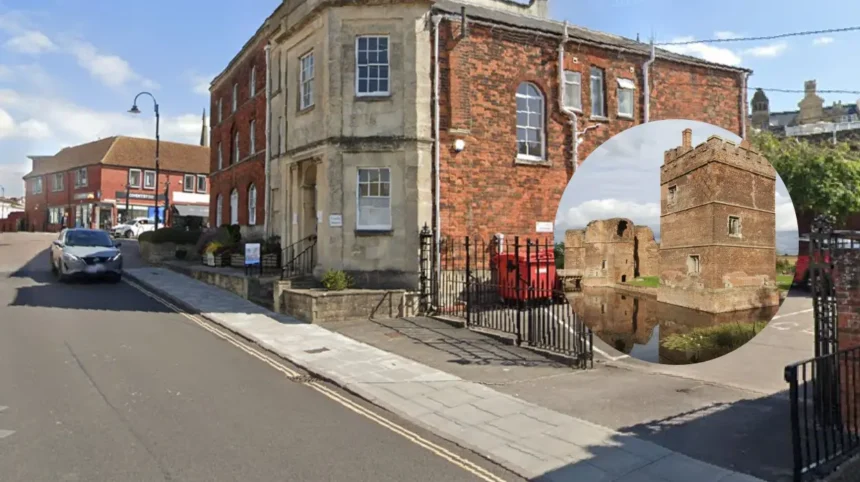
Key Points
- Oxygen was supplied to the moat at the Kirby Muxloe Castle located in Leicestershire as fish were suffering from hypoxia.
- Environment Agency officials visited the place on 30 August 2026.
- It was discovered that there was a “very low” oxygen content in the water.
- English Heritage along with the Kirby Muxloe 87 fishing club cooperated with the Environment Agency during the emergency.
- Water aerators were installed for about two weeks.
- The Environment Agency pointed out that the problem could be caused by warm weather and thunderstorms.
- English Heritage confirmed that the oxygen content had increased after the work had been completed.
- The agency will continue monitoring the moat together with the local fishing club.
- Fishing in the moat is available only for members of the Kirby Muxloe 87 fishing club.
Castle (Wales Times) September 24, 2026 — oxygen was pumped into the moat at Kirby Muxloe uk/local/swansea/castle/">Castle in Leicestershire after reports that fish were in distress, according to the Environment Agency and English Heritage.
- Key Points
- How did the oxygen pumps help the fish?
- What caused the low oxygen levels?
- Who responded to the emergency?
- What is the current condition of the moat?
- What did English Heritage say about access and fishing?
- Why is dissolved oxygen important for fish?
- How was the incident reported?
- What is the background to Kirby Muxloe Castle?
- How could this affect visitors and anglers?
Environment Agency officers were called to the historic site on 30 August after concerns were raised about the condition of fish in the castle moat. On arrival, officials found that the level of dissolved oxygen in the water was “very low”.
The agency then deployed water aeration equipment to increase the amount of oxygen in the moat and reduce the immediate danger to the fish. English Heritage, which oversees Kirby Muxloe Castle, said pumps were used for approximately two weeks.
The intervention was carried out jointly by the Environment Agency and the Kirby Muxloe 87 fishing club, after English Heritage alerted both organisations to the reports of distressed fish.
How did the oxygen pumps help the fish?
The Environment Agency said its officers used aeration equipment to raise oxygen levels in the water. Aeration involves moving or agitating water so that oxygen from the atmosphere can enter it more effectively.
An Environment Agency spokesperson said officers attended the incident on 30 August after receiving a report of distressed fish at the fishery. The spokesperson said the dissolved oxygen level was very low when officers arrived.
“On arrival, the dissolved oxygen level was very low, so officers deployed water aeration equipment to increase levels and alleviate distress, helping to save the fish,” the spokesperson said, according to the BBC.
The equipment was used as part of an emergency response rather than as a permanent change to the castle moat. English Heritage said the operation continued for around two weeks, after which the oxygen levels improved.
The intervention ended during the week before the report was published. English Heritage said it would continue monitoring the situation in cooperation with the local fishing club.
What caused the low oxygen levels?
The Environment Agency said weather conditions may have played a role in the reduction of oxygen in the moat.
According to the agency, hot and sunny weather can cause water temperatures to rise. Warmer water is less able to hold adequate levels of dissolved oxygen, creating difficult conditions for fish and other aquatic life.
The agency also said intense summer thunderstorms may have contributed to the problem. Heavy rainfall can wash pollutants from nearby land into watercourses and other bodies of water. Such pollution can further reduce oxygen levels.
English Heritage said the Environment Agency had suggested that the combination of hot weather followed by thunderstorms may have contributed to the low oxygen readings at Kirby Muxloe Castle.
The organisations did not identify a single confirmed cause for the incident. Instead, the explanation pointed to a combination of weather-related factors that may have affected the quality and oxygen content of the moat water.
Who responded to the emergency?
English Heritage alerted the Kirby Muxloe 87 fishing club and the Environment Agency after receiving reports that fish were in distress.
The fishing club and the Environment Agency then worked together to oxygenate the moat. English Heritage thanked those involved for helping to protect the fish.
A spokesperson for English Heritage said:
“Following reports of fish in distress in the moat at Kirby Muxloe Castle, English Heritage alerted the Kirby Muxloe 87 fishing club and the Environment Agency.”
The spokesperson added:
“Working together, the club and Environment Agency used pumps to oxygenate the water.”
English Heritage later said:
“Following around two weeks of intervention, oxygen levels have improved.”
The organisation also expressed its gratitude to the agencies and volunteers involved in the response.
What is the current condition of the moat?
English Heritage said the oxygen levels had improved after the pumps were used for about two weeks.
The organisation said the emergency intervention had ended the previous week and that it was continuing to monitor the situation with the Kirby Muxloe 87 fishing club.
The available report did not provide a new numerical measurement for the dissolved oxygen level after the intervention. It also did not state whether any fish had died or identify the number or species of fish affected.
The Environment Agency described the equipment as helping to alleviate distress and save the fish. English Heritage’s statement indicated that the immediate response had improved conditions in the moat.
Monitoring remains important because oxygen levels in water can change as weather conditions shift. Further hot weather, heavy rainfall or pollution entering the moat could affect the water again, although no further deterioration was reported in the available information.
What did English Heritage say about access and fishing?
Kirby Muxloe Castle and its moat are open to the public, according to English Heritage.
However, members of the public cannot fish in the moat unless they are members of the Kirby Muxloe 87 fishing club. The club was involved in raising concerns about the fish and helping with the response alongside the Environment Agency.
The restriction separates general public access to the historic site from fishing activity in the moat. Visitors can view the castle and its surroundings, but fishing is controlled through the local club.
The report did not say that the castle had been closed because of the incident. It also did not announce any changes to visitor access following the oxygenation work.
Why is dissolved oxygen important for fish?
Dissolved oxygen is oxygen held in water. Fish absorb it through their gills, so a significant fall in oxygen levels can cause visible distress and threaten aquatic life.
The Environment Agency said warm water has a reduced capacity to hold adequate oxygen. This means fish may face greater pressure during periods of hot weather, especially when the water is shallow, still or exposed to strong sunlight.
Storms can create additional risks if rainwater carries pollutants, soil or other material into a water body. These substances may affect water quality and contribute to conditions in which oxygen becomes depleted.
The Environment Agency’s use of aeration equipment at Kirby Muxloe Castle was intended to increase oxygen levels quickly. The action provided an immediate response while the agency and English Heritage monitored the condition of the moat.
How was the incident reported?
The incident was reported by BBC News in a report titled “Oxygen pumped into castle moat to save fish”. The BBC report attributed the information to the Environment Agency and English Heritage.
The report said officers attended Kirby Muxloe Castle on 30 August and discovered very low dissolved oxygen levels. It also reported that pumps were used for about two weeks and that oxygen levels later improved.
The report did not identify an individual journalist by name in the material available for attribution. For that reason, the development is attributed to BBC News, the Environment Agency and English Heritage rather than to a named reporter.
The supplied Yahoo News link carried the same story headline and description, but its full article text was not available for independent review. The details included here are therefore based on the accessible BBC News report and the statements attributed to the Environment Agency and English Heritage.
What is the background to Kirby Muxloe Castle?
Kirby Muxloe Castle is a historic site in Leicestershire managed by English Heritage. Its moat forms part of the setting around the castle and is also used as a fishery by the Kirby Muxloe 87 fishing club.
The incident highlights the environmental challenges faced by enclosed or slow-moving bodies of water during periods of changing weather. A moat can be particularly vulnerable to changes in temperature and water quality because it has limited circulation compared with a flowing river.
The Environment Agency’s response followed a report from people concerned about distressed fish. The incident also demonstrated the role of cooperation between a heritage organisation, a local fishing club and a government environmental body.
English Heritage’s monitoring arrangement with the fishing club is expected to help identify any further signs of stress among the fish and allow concerns to be passed to the relevant authorities.
How could this affect visitors and anglers?
For visitors, the immediate effect is likely to be limited because English Heritage said the castle remains open to the public and did not announce a closure.
Visitors may see continued monitoring activity around the moat, particularly if English Heritage or the fishing club checks water conditions after periods of hot weather or heavy rain. The report did not announce any new restrictions on general access.
Anglers are more directly connected to the development because fishing in the moat is restricted to members of the Kirby Muxloe 87 fishing club. Club members may be expected to remain alert to fish showing signs of distress and to report concerns promptly.
The intervention may also increase attention on weather-related risks to the moat. If hot conditions or intense thunderstorms return, English Heritage, the fishing club and the Environment Agency may need to reassess oxygen levels and water quality. No further emergency action was announced in the available report.
The incident could encourage closer cooperation between heritage sites and local environmental groups where historic moats, ponds or fisheries support aquatic life. However, the longer-term effect will depend on whether oxygen levels remain stable and whether similar weather conditions occur again.