Key Points
- Stuart Hart, 50, from Penycae and Jack Yates, 23, from Overton Road, Ruabon, have been charged with laying a snare that may cause injury to a wild animal.
- The charges were issued by North Wales Police’s Rural Crime Team after suspected offenses at Ruabon Moor.
- Hart was charged in relation to two suspected offenses in August 2025 and July 2026.
- Yates was charged in relation to one suspected offense in July 2025 at the same place.
- Both are scheduled to appear at Llandudno Magistrates’ Court on 18 November.
- Charges are allegations only, and neither has been found guilty of anything as of yet.
- The use of snares for hunting purposes is against the law in Wales since the coming into force of the Agriculture (Wales) Act 2023 on 17 October 2023.
- According to Raptor Persecution UK, Hart is the head gamekeeper while Yates is an underkeeper; these designations have not appeared in any media reports.
Wrexham (Wales Times) October 29, 2026 – Two men from the uk/local/wrexham/">Wrexham area have been charged with allegedly setting an illegal animal snare on Ruabon Moor, with both due to appear before magistrates next month. As reported by The Leader, North Wales Police’s Rural Crime Team confirmed that Stuart Hart, 50, of Penycae, and Jack Yates, 23, of Overton Road, Ruabon, have each been charged with setting a snare to injure a wild animal.
- Key Points
- What are the allegations against Stuart Hart and Jack Yates?
- What did North Wales Police say?
- Why are snares illegal in Wales?
- What is the legal position before the court case?
- What has been reported about the men’s roles?
- Background of the development
- Prediction: How may this affect local communities and land managers?
The charges relate to separate alleged incidents on Ruabon Moor. According to The Leader, Hart faces allegations connected with incidents said to have occurred in August 2025 and July 2026, while Yates is charged in connection with an alleged incident at the same location in July 2025.
Both men are scheduled to appear before Llandudno Magistrates’ Court on 18 November. The reports do not indicate that either man has entered a plea, and no convictions have been recorded at this stage.
What are the allegations against Stuart Hart and Jack Yates?
As reported by Wrexham.com, both Hart and Yates are charged with “setting a snare to injure a wild animal”. The outlet stated that Hart is charged in connection with two incidents that allegedly took place on Ruabon Moor in August 2025 and July 2026, while Yates is charged over an incident in the same location in July 2025.
North Wales Live also reported that the two men face the same charge and are due in court on 18 November. Its report described the July 2025 matter involving Yates as an alleged incident and said Hart’s alleged incidents occurred in August 2025 and July 2026.
The charge concerns the alleged setting of a snare, rather than a reported injury to a particular named animal. None of the available reports identifies an injured animal, states that a snare was recovered, or gives details of how the alleged incidents came to police attention.
What did North Wales Police say?
As reported by The Leader, North Wales Police’s Rural Crime Team confirmed the charges following incidents reported at Ruabon Moor.
Wrexham.com attributed a statement to a spokesperson for the North Wales Police Rural Crime Team, who said:
“The use of snares is illegal in Wales and are banned under the Agricultural (Wales) Act 2023.”
The same spokesperson was reported as saying that the legislation “aims to prevent the inflicting of acute pain and suffering on any animal caught, including many species they were never intended to trap”.
Why are snares illegal in Wales?
Snares are typically wire loops that tighten around an animal when triggered. As reported by The Leader, their use is illegal in Wales following a ban introduced under the Agriculture (Wales) Act 2023.
The legislation amended the Wildlife and Countryside Act 1981. Under section 46, it became an offence in Wales to set in position a snare or other cable restraint likely to cause bodily injury to a wild animal, or to use such a device to kill or take a wild animal.
The Welsh Government said the ban came into force on 17 October 2023 and was the first total ban of its kind in the UK. It stated that anyone found guilty of using a snare could face imprisonment, an unlimited fine, or both.
What is the legal position before the court case?
The men have been charged, but a charge is not a finding of guilt. The allegations will be considered at Llandudno Magistrates’ Court, where the prosecution would need to prove the alleged offences to the criminal standard.
The available reporting does not state whether either defendant has legal representation, entered a plea, or made any comment. It also does not identify a prosecuting body beyond the police confirmation of the charges.
What has been reported about the men’s roles?
The Leader and Wrexham.com identified the defendants by name, age and address but did not describe their occupations.
Raptor Persecution UK, in its report, described Hart as a head gamekeeper and Yates as an underkeeper, and characterised Ruabon Moor as “the only driven grouse moor in Wales”. These descriptions should be treated as claims made by that outlet rather than as details confirmed in the police statements quoted by The Leader or Wrexham.com.
Background of the development
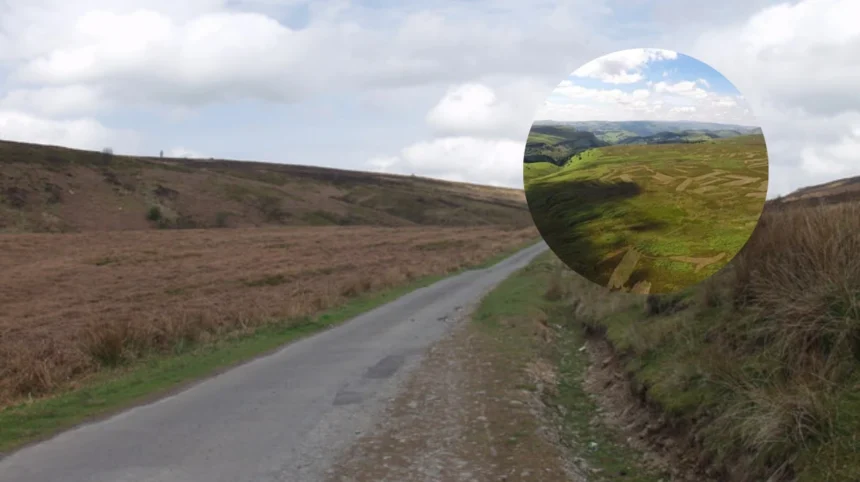
Ruabon Moor is an upland area near Wrexham in north-east Wales. The alleged incidents span more than a year: July 2025, August 2025 and July 2026, according to the reports of the charges.
The Agriculture (Wales) Act 2023 created a statutory framework for sustainable land management and also prohibited the use of snares and glue traps. The Welsh Government described the measure as intended to prevent indiscriminate suffering to animals, including non-target species.
The legislation’s explanatory notes state that the ban covers snares and other cable restraints used to kill or take wild animals, as well as devices placed in a way likely to injure wild animals coming into contact with them. The Welsh Government said the ban was a Programme for Government commitment and formed part of Wales’s first Agriculture Act.
Prediction: How may this affect local communities and land managers?
If the case proceeds, it is likely to draw attention among Wrexham-area residents, walkers, wildlife groups and those involved in upland land management to the enforcement of Wales’s snare ban. The court hearing on 18 November may clarify the allegations, any pleas and the next procedural steps.
For landowners, gamekeepers and rural workers, the case may reinforce the need to ensure that any wildlife-management methods comply with the Agriculture (Wales) Act 2023. The Welsh Government has said that using a snare in Wales can lead to imprisonment or an unlimited fine, or both, making legal compliance a significant practical concern for those working in the countryside.
For local residents and visitors to Ruabon Moor, the development may increase awareness of rural crime reporting routes and of the potential impact of cable restraints on animals. Until the court reaches a decision, however, the allegations remain unproven and the outcome cannot be predicted.