

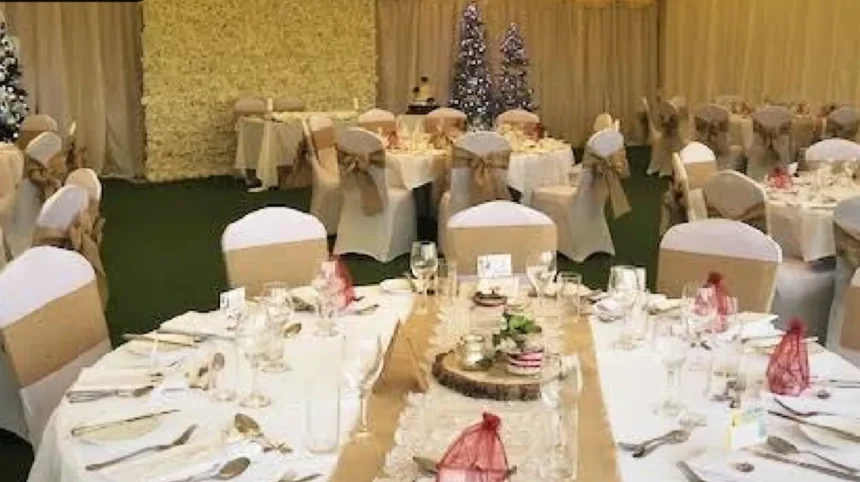
Couples must give official notice at a local register office at least twenty-nine days before the wedding ceremony takes place. The venue must hold an approved premises license issued by the local authority to legalise any civil ceremonies held on-site.
- Which venue types define the South Wales wedding reception market?
- How do geographic regions impact transport and logistics for a South Wales reception?
- What are the average costs and seasonal pricing factors for South Wales receptions?
- What historic venues provide established accommodation options in South Wales?
- How do catering regulations and local food sourcing structures function in Wales?
- What steps must couples follow to secure a peak date in South Wales?
- FAQs About Wedding Reception in South Wales
- What is the average cost of a wedding reception in South Wales?
- How far in advance should I book a South Wales venue?
- Can we hire external caterers at South Wales wedding venues?
- Are there any outdoor wedding reception restrictions in Wales?
- What happens if the local registrar is unavailable on our venue date?
The Marriage Act 1949 and the Marriages and Civil Partnerships (Approved Premises) Regulations 2005 govern the legal frameworks for marriages in England and Wales. Local administrative authorities, including Cardiff Council and Monmouthshire County Council, regulate the licensing process for all event spaces. Venues must maintain precise structural criteria to secure this certification, such as public access parameters and fire safety setups. When a celebration includes an official civil ceremony before the wedding reception south wales, specific public notice rules apply to the registry. The superintendent registrar issues a marriage schedule that acts as the official legal document required for the wedding ledger.
Which venue types define the South Wales wedding reception market?
The regional market contains three primary venue categories, including historic medieval castles, restored agricultural barns, and urban luxury hotels. These event spaces provide diverse capacities ranging from thirty guests up to four hundred guests to accommodate distinct reception sizes perfectly.
Historic fortifications, including Hensol Castle and Caerphilly Castle, represent the premium segment of the local hospitality infrastructure. Restored agricultural properties, including the Barn at Brynich and Rosedew Farm, address the consumer demand for rustic, exposed-stone environments. Modern commercial developments, including the Celtic Manor Resort and voco St David’s uk/local/cardiff/">Cardiff, provide large-scale indoor banqueting capacities. These commercial entities operate fixed service formats, including pre-selected wedding breakfast menus, internal bar configurations, and overnight lodging packages. Couples select venue types based on specific operational needs, including evening entertainment options, vehicular parking spaces, and external supplier restrictions.
How do geographic regions impact transport and logistics for a South Wales reception?
Coastal zones like the Gower Peninsula introduce narrow access routes that require precise coach coordination for guest transport. Urban centres like Cardiff provide immediate access to major transport infrastructure, including the M4 motorway, main railway lines, and international airport hubs.
Zuzanna
The geographic distribution of venues introduces specific transit timelines across three distinct sub-regions, including the Vale of Glamorgan, the Brecon Beacons, and Swansea Bay. Transport infrastructure relies heavily on the M4 corridor, which connects cities like Newport and Cardiff to rural destinations. Rural locations situated in the valleys or mountainous terrain require extended travel buffers for delivery suppliers, including florists, catering teams, and equipment hire firms. Coastal paths and rural roads possess low-weight limitations that can impede heavy logistics vehicles, including mobile generator units and modular marquee delivery trucks. Planners must evaluate transport proximity to regional rail hubs, including Cardiff Central station and Swansea station, to accommodate non-driving guests.
What are the average costs and seasonal pricing factors for South Wales receptions?
Peak summer packages average twelve thousand pounds while winter options drop to six thousand pounds across regional venues. Venue pricing structures always fluctuate based on three key factors, including the day of the week, seasonal demand, and catering configuration selections.
Market research indicates that the average cost of a wedding reception south wales varies heavily between the months of May and September. High-demand Saturdays command premium venue hire fees, whereas mid-week alternatives, including Tuesdays and Wednesdays, offer reductions up to forty percent. Service fees encompass three mandatory expenses, including facility exclusivity charges, food and beverage minimum spend limits, and equipment cleaning levies. Value Added Tax at twenty percent applies to all commercial hospitality transactions across the United Kingdom. Venues require an initial non-refundable deposit of twenty-five percent to secure a date, with final balances due twelve weeks before the event.
What historic venues provide established accommodation options in South Wales?
Historic market towns contain traditional coaching inns that offer full overnight accommodation alongside dedicated banqueting rooms for events. These heritage properties provide clear multi-room lodging choices, including premium bridal suites, double guest rooms, and self-contained family cottages for wedding parties.
The Vale of Glamorgan contains established regional market towns that feature historic hospitality architecture with roots dating back to medieval periods. Market towns like Cowbridge feature architecture that accommodates intimate to medium-sized wedding parties within historic settings. These heritage establishments maintain dedicated event permissions while operating everyday guest accommodation, which provides functional utility for multi-day wedding schedules. The proximity of overnight accommodation simplifies evening logistics by eliminating the requirement for late-night guest transit across rural roads.
Related Article: What Makes The Bear Hotel in Cowbridge Wales a Historic Destination Worth Visiting
Related Guide: What Makes Cowbridge Wales a Historic and Thriving Market Town
How do catering regulations and local food sourcing structures function in Wales?
Welsh reception catering must comply with strict Food Standards Agency regulations to guarantee complete biological and chemical safety. Venues execute precise food safety management plans using hazard analysis frameworks, local authority hygiene ratings, and comprehensive allergen tracking systems across menus.
Catering teams utilize local agricultural supply chains to source regional produce, including Welsh lamb, Gower salt marsh pork, and artisanal cheeses. Hospitality operators must declare fourteen main allergens, including gluten, celery, and mustard, on all printed and digital menus. The Food Information Regulations 2014 mandate this transparency to protect consumers during large-scale banquet services. Kitchen facilities require specific utility hookups, including three-phase electricity, clean water supplies, and secure waste disposal units, to operate safely. When couples choose external catering firms, venues apply a kitchen hire fee to cover utility usage and cleanup processes.
What steps must couples follow to secure a peak date in South Wales?
Couples must systematically execute specific reservation actions to secure highly demanded Saturday dates during the summer months. This standard planning process requires cross-referencing regional registrar availability, submitting secondary date choices, and executing formal contract deposits with venue management teams directly.
The reservation timeline begins eighteen to twenty-four months prior to the target event date due to high market competition. Couples must cross-reference venue availability with the local authority registration service to ensure an officiant can legally attend the ceremony. Upon verification, the venue issues a formal hire contract that outlines three critical terms, including cancellation parameters, liability insurance mandates, and maximum occupancy limits. The client must return the signed document alongside the verified deposit within fourteen calendar days to formalise the booking. Once registered, the date is locked into the regional register, preventing duplicate bookings within that local administrative district.
FAQs About Wedding Reception in South Wales
What is the average cost of a wedding reception in South Wales?
The average cost ranges from six thousand pounds for winter or mid-week bookings to over twelve thousand pounds for peak summer Saturday events. Total expenditures depend heavily on venue exclusivity, guest headcount, and specific food and beverage packages.
How far in advance should I book a South Wales venue?
Booking must occur eighteen to twenty-four months before the chosen date to secure popular summer weekend slots across the region. Rural properties and historic castle venues experience high demand, which requires early coordination with local registrar offices.
Can we hire external caterers at South Wales wedding venues?
Certain rustic barn and marquee venues permit external catering teams, though they frequently charge an additional kitchen preparation fee. Conversely, established hotels and castle venues generally mandate the use of their exclusive in-house culinary teams.
Are there any outdoor wedding reception restrictions in Wales?
Outdoor celebrations require a licensed permanent structure with a solid roof to host the official civil ceremony legally under Welsh law. Receptions held in temporary structures, including marquees or tipis, must strictly adhere to local environmental noise restrictions after eleven o’clock at night.
What happens if the local registrar is unavailable on our venue date?
The civil ceremony cannot legally proceed on-site without an official representative from the local authority register office present. Couples must align the availability of the registration team with the venue booking before submitting any non-refundable financial deposits.