
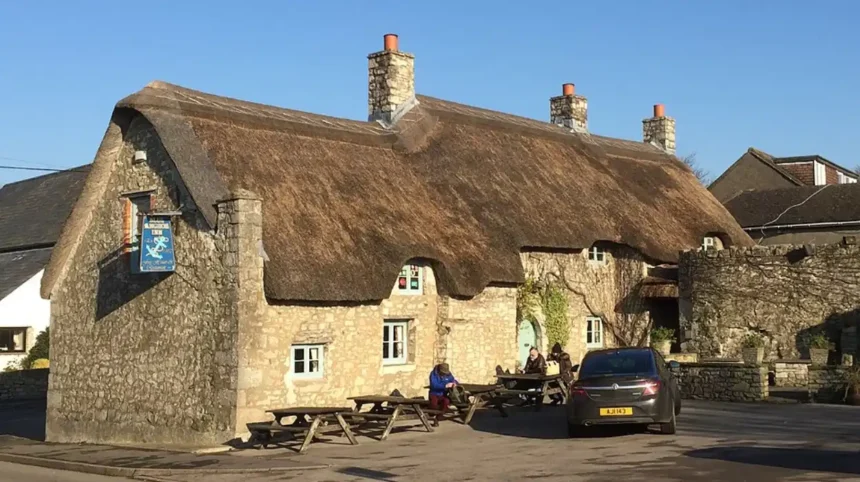
The Blue Anchor Inn Wales is a Grade II listed tavern established in 1380 within East Aberthaw, Vale of Glamorgan.* The establishment originated as a medieval farmhouse before evolving into a maritime trading hostelry and regional coastal hub.
- Where is the Blue Anchor Inn located in Wales?
- What are the main architectural features of the venue?
- What food and drink options does the pub serve?
- What cultural and film appearances feature this venue?
- Frequently Asked Questions
- What are the opening hours and contact details for the Blue Anchor Inn?
- Is the Blue Anchor Inn dog-friendly and family-friendly?
- How do visitors reach the Blue Anchor Inn using public transit?
- Does the Blue Anchor Inn offer overnight accommodation options?
- What historical sites are located near the Blue Anchor Inn?
The establishment originated during the reign of King Richard II in the late fourteenth century. Historical property records confirm that the original structure operated as a medieval farmstead associated with copyhold land tenure before expanding into a licensed public house during the eighteenth century. The geographic proximity to the Port of Aberthaw positioned the inn as an essential stopover point for maritime traders, sailors, and local laborers operating along the Bristol Channel.
During the eighteenth century, the venue functioned as a major focal point for regional maritime smuggling networks operating across the Glamorgan coastline. Local excise records from 1735 document illegal contraband operations involving tobacco, rum, and brandy stored within the internal structures of the inn. The building features thick stone masonry and low timber ceiling beams that preserved structural integrity through major historical events.
Ownership of the venue remained tied to the historical Fonmon uk/local/swansea/castle/">Castle Estate until 1941. Landlord Bill Coleman acquired the freehold property during World War II, establishing a continuous family management lineage that spans four generations. The venue suffered severe structural roof fires in 1922, 2004, and 2009. The 2004 restoration required 800000 GBP to rebuild the traditional thatched roof using historic artisan techniques.
The venue remains one of the oldest continuously operating licensed public houses in South Wales. Modern preservation guidelines enforced by Cadw ensure that all architectural alterations maintain the fourteenth-century floor plan. The property retains its original flagstone floors, internal stone archways, and open hearth fireplaces. These historic elements secure its status as a protected heritage asset within the United Kingdom.
Where is the Blue Anchor Inn located in Wales?
The Blue Anchor Inn is located in the hamlet of East Aberthaw within the Vale of Glamorgan, South Wales, UK. The exact address is East Aberthaw, Barry, CF62 3DD, situated five miles west of Barry and fifteen miles southwest of Cardiff.
The venue occupies a rural site along the historic coastal road running through the Vale of Glamorgan. Geographical coordinates place the building at latitude 51.391000 N and longitude -3.388250 W. The site sits adjacent to the River Thaw estuary where blue lias clay deposits historically coated the anchors of trading ships, giving the establishment its distinctive name.
Transport access relies primarily on the A4226 highway connecting Barry directly to the coastal villages. The property is located two miles from Cardiff Airport in neighboring Rhoose, making it accessible for regional and international visitors. Local rail links terminate at Rhoose Cardiff International Airport station, requiring a five-minute vehicle connection to reach the venue in East Aberthaw.
The surrounding geographic landscape comprises coastal marshes, protected nature reserves, and historic maritime structures. The Glamorgan Heritage Coast path runs near the site, drawing hikers, historians, and coastal tourists throughout the calendar year. The geographic isolation of the village preserved the rural setting of the venue despite modern industrial developments elsewhere in the county.
The physical perimeter of the property includes dedicated customer parking areas, outdoor seating zones, and manicured gardens. Environmental regulations protect the surrounding estuarine ecosystem from commercial expansion. This geographical setting maintains the historic isolation that defined the port community during the medieval and early modern periods.
What are the main architectural features of the venue?
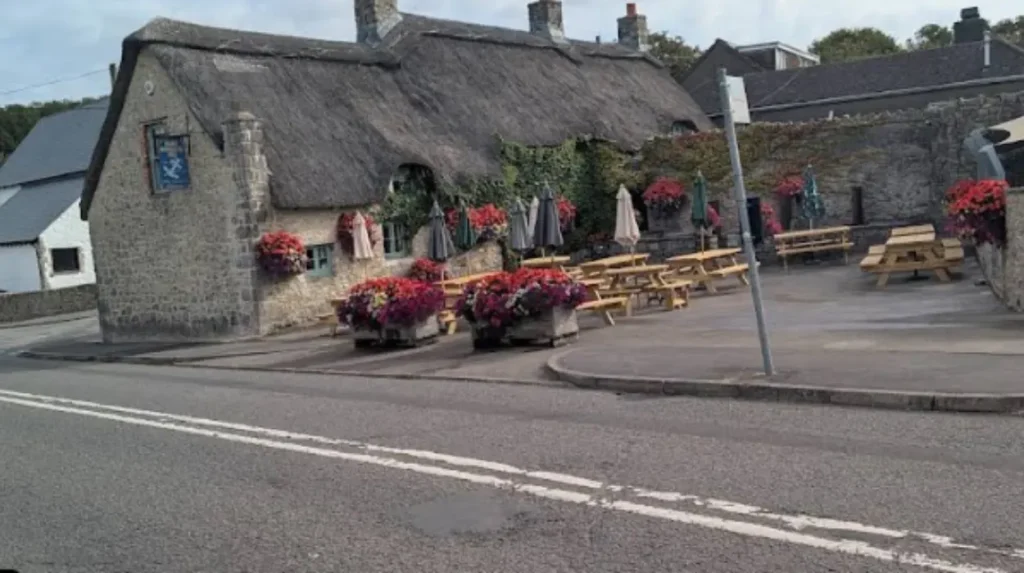
The Blue Anchor Inn exhibits late medieval Welsh architecture featuring a hand-woven thatched roof, whitewashed limestone masonry walls, and low oak timber ceiling beams. The interior contains timeworn flagstone floors, exposed stone hearths, and small mullioned windows.
The structural design reflects authentic fourteenth-century construction methods adapted for severe coastal weather conditions. The exterior walls measure over three feet in thickness, built using locally quarried limestone set with lime mortar. The thatched roof utilizes water reed material installed by master thachers to maintain historical accuracy and climate insulation.
The internal floor plan consists of a series of low-ceilinged rooms rather than an open-plan layout. These small chambers, historic snug areas, and private alcoves served to retain heat from open hearth fires. Heavy load-bearing oak beams span the ceilings throughout the ground floor, displaying original tool marks from medieval builders.
Flagstone flooring covers the primary bar corridors, showing centuries of physical foot traffic wear. Cast-iron grates and stone mantelpieces frame the operational open fireplaces that burn solid wood fuels during winter months. The upper level contains structural timber roof trusses exposed within the dining rooms, demonstrating traditional joint carpentry techniques.
Conservation body Cadw designates the building as Grade II* due to these exceptional surviving structural components. Maintenance protocols require specialized traditional materials, including breathable lime washes and natural thatch reeds. Modern safety systems, including automated fire suppression technology within the roof cavity, protect the historic fabric from future fire risks.
What food and drink options does the pub serve?
The Blue Anchor Inn serves traditional British pub cuisine, seasonal Welsh game, fresh local seafood, and cask-conditioned real ales. Food service operates daily across two dining spaces: the ground-floor pub and the formal upstairs restaurant.
The culinary program emphasizes locally sourced ingredients from agricultural producers across the Vale of Glamorgan. The lunch menu operates from 12 pm to 2 pm, while evening food service runs from 6 pm to 9 pm Monday through Saturday. Sunday lunch service offers traditional roast meats across four structured sittings spread between the downstairs pub and upstairs dining rooms.
The kitchen prepares classic regional dishes including slow-braised Welsh lamb shanks, pan-fried wood pigeon, and fresh coastal fish. Menus rotate seasonally to reflect the availability of regional crops, livestock, and marine catches. The culinary team operates under traditional gastropub standards, combining hearty portion sizes with elevated presentation techniques.
The beverage program focuses heavily on cask-conditioned real ales sourced from independent Welsh and British breweries. The establishment holds credentials in the Campaign for Real Ale Good Beer Guide, reflecting strict cellarmanship standards. Tap selections feature permanent local bitter offerings Alongside rotating seasonal guest ales, draft ciders, and regional spirits.
The venue has received multiple industry recognitions, including the Daily Telegraph Cask Ale Pub of the Year award. It has also won the South Wales Food Pub of the Year title across several competition cycles. Dining reservations are required for the upstairs restaurant, whereas the lower bar spaces operate primarily on a drop-in basis for drinks and casual food.
What cultural and film appearances feature this venue?
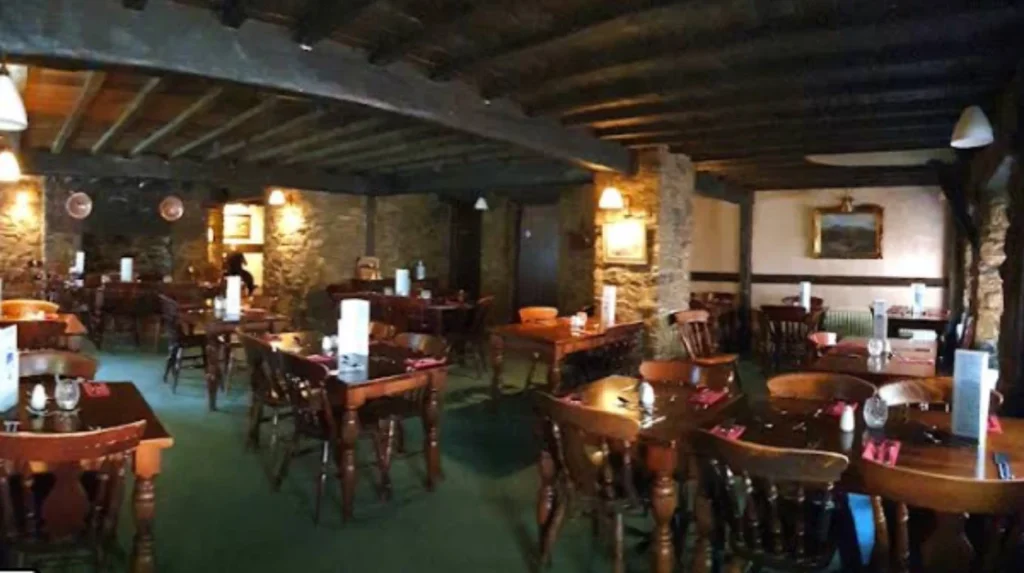
The Blue Anchor Inn featured in major television productions, national travel broadcasts, and the Hollywood feature film Killer Elite starring Robert De Niro. The production used the authentic medieval interior as a backdrop for high-profile historical and thriller scenes.
The cinematic appeal of the venue stems from its undisturbed historical architecture and atmospheric interior spaces. Director Gary McKendry selected the location in 2010 to shoot key scenes for Killer Elite, bringing actors Clive Owen and Jason Statham to East Aberthaw. Film crews transformed the historic bars into period-accurate sets while preserving the structural fabric of the building.
In 2008, broadcaster John Sparkes filmed an extensive segment at the venue for the television series Great Pubs of Wales. The program documented the architectural history, the 2004 thatch fire recovery, and the cultural role of the pub in South Wales. The BBC routinely utilizes the property for filming period dramas, factual documentaries, and regional news features.
International film projects continue to utilize the venue, including the Bollywood paranormal thriller production titled Aseq. The atmospheric reputation of the venue also inspired literary works, such as the 2013 historical novel Tumbledown by author Marlene Tapscott. The narrative incorporates historical smuggling accounts and local folklore surrounding the pub.
These high-profile media appearances established the venue as a recognized cultural destination within Wales. Film tourism draws international visitors seeking to experience the real-world sets seen on television and movie screens. The management maintains historical photo displays within the main bar area to document these broadcast production events.
Frequently Asked Questions
What are the opening hours and contact details for the Blue Anchor Inn?
The Blue Anchor Inn operates Monday through Saturday from 12pm to 11pm and Sunday from 12pm to 10pm. Food service runs from 12pm to 2pm for lunch and 6pm to 9pm for dinner Monday through Saturday. Sunday lunch features four fixed sittings at 12pm, 1pm, 2:30pm, and 3:15pm split between upstairs and downstairs rooms. Direct telephone contact is accessible via local line 01446 750329 for table reservations and venue inquiries.
Is the Blue Anchor Inn dog-friendly and family-friendly?
The Blue Anchor Inn permits well-behaved dogs within designated ground-floor bar areas and outdoor garden seating spaces. Service animals maintain full access across all public areas of the property in accordance with accessibility standards. Families are welcomed throughout the main dining spaces, with specific child-friendly food selections available during standard kitchen operating hours. Children must remain supervised near open hearth fireplaces and structural flagstone steps.
How do visitors reach the Blue Anchor Inn using public transit?
Visitors reach the venue via public bus services running along the A4226 road connecting Barry and Rhoose. The nearest regional railway station operates at Rhoose Cardiff International Airport, located approximately two miles from the venue. Local taxi operators provide direct transfers from the train terminal to the heart of East Aberthaw. Walking routes follow the Glamorgan Heritage Coast path directly into the village.
Does the Blue Anchor Inn offer overnight accommodation options?
The Blue Anchor Inn operates exclusively as a pub and restaurant without offering on-site overnight guest rooms. Travelers seeking local accommodations utilize nearby hotels, bed and breakfasts, and guesthouses located in Rhoose, Barry, and Cowbridge. Several boutique options operate within a five-mile radius of the property. The management assists daytime visitors by recommending verified local accommodation providers upon request.
What historical sites are located near the Blue Anchor Inn?
Nearby historical sites include Fonmon Castle, the ruins of St Donat’s Castle, and the historic Port of Aberthaw. The Glamorgan Heritage Coast offers coastal walking trails featuring historic geology and former maritime trading points. Penmark Castle ruins and the historic church of St Curig sit three miles north of the venue.