

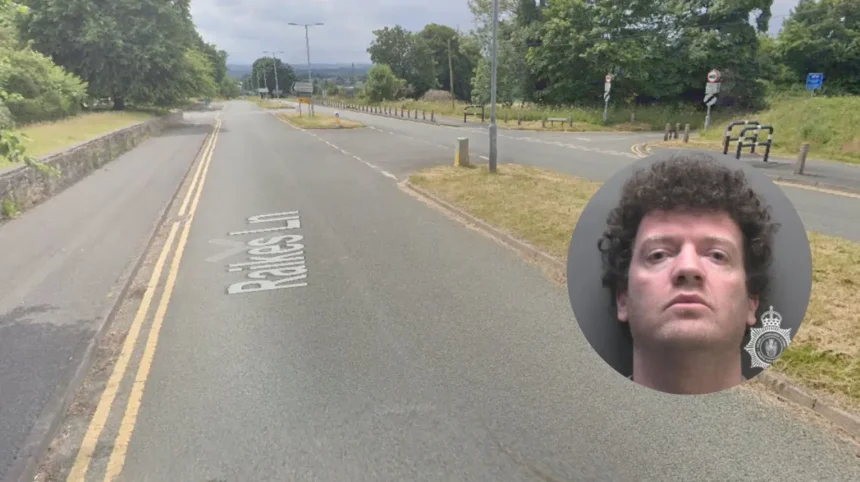
Key Points
- Steven Moorcroft, aged 38, from Sefton, has received a sentence of nine years and nine months imprisonment.
- Moorcroft pleaded guilty to being involved in the supply of class A and B drugs.
- Moorcroft distributed in bulk amounts of ketamine, MDMA and cannabis over a period of two months.
- The drugs were supplied to a 16-year-old from Conwy who came to Merseyside to collect them.
- The teenager later on supplied the drugs again.
- Police recovered drugs, money and mobile phones when carrying out a warrant at the address of the teenager on 5 August 2025.
- Examination of the phones connected Moorcroft and the teenager to large amounts of the drugs.
- Moorcroft was arrested on 1 April 2026.
- Moorcroft was sentenced at the Mold Crown Court on 19 August 2026.
- The case is part of the Operation Noriker investigation which targets the supply of drugs between North Wales and Merseyside.
- The teenager whose identity can not be revealed legally was sentenced at a youth court earlier this year 2026.
- Chief Inspector Simon Kneale stated that the police would pursue individuals involved in the distribution of drugs as well as protecting children and vulnerable people.
Wales Crime (Wales Times) August 2026 – A 38-year-old man has been jailed for nine years and nine months after admitting his involvement in supplying large quantities of ketamine, MDMA and cannabis to a 16-year-old.
- Key Points
- What drugs did Moorcroft supply?
- How did police discover the teenager’s involvement?
- When was Moorcroft arrested?
- What is Operation Noriker?
- What did Detective Chief Inspector Simon Kneale say?
- How can people report drug-related information?
- What happened to the teenager?
- What does the nine-year sentence mean?
- What is the background to Operation Noriker?
- How could this development affect communities in North Wales and Merseyside?
Moorcroft, of Sefton, appeared for sentencing at Mold Crown Court on Wednesday, 19 August, after previously admitting being concerned in the supply of Class A and Class B drugs.
The prosecution followed an investigation into the movement of drugs between North Wales and Merseyside. Over a two-month period, Moorcroft sold the drugs to a teenager from Conwy, who travelled to Merseyside before returning to sell them on.
The teenager cannot be named for legal reasons. They were sentenced at a youth court earlier this year.
What drugs did Moorcroft supply?
Moorcroft supplied ketamine, MDMA and cannabis, according to the case details. The drugs included both Class A and Class B substances.
MDMA is a Class A controlled drug, while cannabis and ketamine are controlled substances subject to legal restrictions. The case involved large wholesale quantities, with evidence later recovered from mobile phones linking Moorcroft and the teenager to the supply activity.
The available details do not state the precise weight or value of the drugs. They also do not identify the number of transactions completed during the two-month period. The confirmed facts are that Moorcroft supplied the drugs to the teenager, who then sold them on.
The case involved a young person being used in the movement and distribution of controlled drugs between two areas. Police said children and vulnerable people had been safeguarded as part of the wider investigation.
How did police discover the teenager’s involvement?
On 5 August 2025, officers executed a warrant at the teenager’s address in Conwy. During the search, police seized drugs, cash and mobile phones.
The phones were subsequently examined by officers. Their contents linked Moorcroft and the teenager to large wholesale quantities of drugs.
The phone evidence formed part of the investigation that connected the teenager to Moorcroft and the wider supply of drugs between North Wales and Merseyside. The information provided does not state which specific messages, contacts or records were found on the devices.
It also does not say whether the teenager was present when the warrant was executed or whether anyone else was at the address. Those details have not been added because they are not included in the case information.
When was Moorcroft arrested?
Moorcroft was arrested on 1 April 2026, several months after the warrant was carried out at the teenager’s address.
The arrest followed the investigation into the supply operation and the examination of the seized phones. Moorcroft subsequently admitted being concerned in the supply of Class A and Class B drugs.
He appeared at Mold Crown Court for sentencing on 19 August 2026. The court imposed a sentence of nine years and nine months in prison.
The information provided does not state whether Moorcroft pleaded guilty at an earlier hearing, whether he was remanded in custody before sentencing or whether the sentence included time already spent in custody.
What is Operation Noriker?
Operation Noriker is a complex investigation led by the Central Priority Crime Team into the supply of Class A and Class B drugs between North Wales and Merseyside.
Detective Chief Inspector Simon Kneale said Moorcroft was the sixth person convicted as part of the operation.
In a statement issued in connection with the sentencing, DCI Kneale said:
“Moorcroft is the sixth person convicted as part of Operation Noriker, a complex investigation led by Central Priority Crime Team into the supply of Class A and B drugs between North Wales and Merseyside.”
The operation has involved efforts to identify people involved in the supply chain and protect children and vulnerable people who police said were being targeted to supply drugs.
The case involving Moorcroft is therefore part of a wider investigation rather than an isolated prosecution. However, the details provided do not name the other five people convicted as part of Operation Noriker or give their sentences.
What did Detective Chief Inspector Simon Kneale say?
DCI Simon Kneale said police would continue pursuing people involved in supplying drugs in local communities.
He said:
“We will continue to pursue those who deal drugs on our streets and cause misery to our local communities.”
He also said the investigation had resulted in children and vulnerable people being safeguarded. His statement added:
“As part of this investigation we have safeguarded children and vulnerable people who were being targeted to supply them with drugs.”
DCI Kneale described organised crime as having no place in local communities and said officers would continue pursuing people involved in this type of criminality.
He said:
“Organised crime has no place in our communities, and we will relentlessly pursue those who are involved in this type of criminality.”
The senior officer also thanked the community for its support and for information provided to police during the investigation.
How can people report drug-related information?
DCI Kneale encouraged anyone with information about drugs in their area to contact the police or make an anonymous report to Crimestoppers.
The anonymous Crimestoppers telephone number given in the statement is 0800 555 111.
The appeal was made as part of the wider Operation Noriker investigation and followed Moorcroft’s sentencing. Police said information from the community had assisted their work against drug supply between North Wales and Merseyside.
The statement does not identify a particular neighbourhood or provide details of any current police operation. People with information should use the reporting channels identified by police rather than taking action themselves.
What happened to the teenager?
The teenager who received the drugs from Moorcroft cannot be named for legal reasons. They travelled from Conwy to Merseyside to obtain the drugs and then sold them on.
The teenager was sentenced at a youth court earlier in 2026. The details provided do not state the exact sentence or the offences admitted or proved in that separate case.
The teenager’s anonymity must be maintained. No name, address or other identifying details have been included.
The case highlights the involvement of a young person in the distribution chain, but the available information does not explain how the teenager became involved or whether they were coerced, pressured or recruited in another way. It would be inaccurate to make assumptions about those circumstances without further evidence.
What does the nine-year sentence mean?
Moorcroft’s sentence is nine years and nine months’ imprisonment following his admission to being concerned in the supply of Class A and Class B drugs.
The sentence reflects the court’s decision after considering the circumstances of the offending and Moorcroft’s role. The information provided does not include the judge’s sentencing remarks, so it is not possible to state which specific factors led to the length of the sentence.
The case involved wholesale quantities of drugs, a two-month period of supply and the distribution of drugs to a 16-year-old. These facts were presented in connection with the sentencing, but no additional legal interpretation has been added.
The sentence also follows an investigation that police say has already led to six convictions under Operation Noriker.
What is the background to Operation Noriker?
Operation Noriker is focused on the supply of Class A and Class B drugs between North Wales and Merseyside. The investigation is being led by the Central Priority Crime Team.
As part of the operation, officers examined evidence seized from a teenager’s address after executing a warrant on 5 August 2025. Drugs, cash and phones were recovered, and the phone examinations linked the teenager to Moorcroft and large wholesale quantities of drugs.
Moorcroft was arrested on 1 April 2026 and later appeared for sentencing at Mold Crown Court on 19 August. His conviction makes him the sixth person convicted as part of the operation, according to DCI Kneale.
Police have also said that children and vulnerable people targeted to supply drugs were safeguarded during the investigation. The available information does not provide a complete account of the operation, including the identities of the other defendants or the total number of arrests.
How could this development affect communities in North Wales and Merseyside?
The prosecution could lead to increased attention on the movement of drugs between North Wales and Merseyside and on the use of young people in drug-supply networks.
For families, schools and safeguarding organisations, the case demonstrates why concerns about a child’s unexplained travel, new contacts, cash or mobile-phone activity may require careful attention. The police statement specifically refers to children and vulnerable people being targeted to supply drugs.
For police, the conviction may support further efforts to identify other people connected with the wider operation. DCI Kneale said officers would continue pursuing those involved in drug supply and encouraged the public to provide information.
The development does not, by itself, establish how widespread this type of activity is in any particular town or community. Its confirmed significance is that a Sefton man has received a nine-year-and-nine-month prison sentence after supplying drugs to a 16-year-old as part of an investigation into drug activity between North Wales and Merseyside.