


Microwave Wales represents the intersection of high-frequency electromagnetic technology, industrial manufacturing, and sustainable energy development within the Welsh industrial landscape. Located primarily in regional industrial centers like uk/local/cardiff/">Cardiff, these facilities utilize electromagnetic radiation operating between 300 MHz and 300 GHz to drive advanced heating, drying, and assembly processes. Modern industrial sites leverage microwave technology to eliminate traditional fossil fuel reliance during high-temperature manufacturing workflows. By shifting from gas-powered furnaces to targeted electromagnetic heating, factories achieve precise thermal distribution while reducing operational energy consumption. These facilities serve as central hubs for regional economic growth, clean technology deployment, and industrial decarbonization initiatives across the United Kingdom.
- Frequently Asked Questions
- What is the main use of industrial microwaves in Wales?
- How do Welsh microwave factories operate on renewable energy?
- Why is microwave technology used in water treatment?
- How does microwave heating differ from conventional furnace heating?
- What is the role of solid-state microwave generators in future manufacturing?
The technical scope of microwave operations in Wales extends across localized appliance assembly, advanced material processing, and municipal infrastructure management. In appliance manufacturing, major facilities assemble millions of domestic and commercial units using zero-emission power configurations. Industrial microwave systems also process specialized polymers, food products, and carbon media by vibrating polar molecules directly within target materials. This volumetric heating method bypasses the thermal transfer delays inherent to traditional convection or conduction ovens. Consequently, processing times decrease from hours to minutes while thermal efficiency increases. The integration of local supply chains further strengthens the regional economic footprint, establishing Wales as a key center for advanced electromagnetic application research and clean industrial execution.
How Has Microwave Technology Evolved Across the Infrastructure of Wales?
Microwave technology evolution in Wales began with early 20th-century radio experiments and expanded rapidly through mid-century telecommunications installations. Initial deployments relied on point-to-point microwave relay towers erected across mountainous terrain to cross-connect regional telephone exchanges. These high-frequency directional links enabled long-distance voice transmission without requiring continuous underground copper wiring across rugged rural landscapes. By the late 20th century, microwave networks handled primary television distribution, defense communications, and emergency service signals across the nation. The transition toward fiber-optic backbones shifted the focus of microwave infrastructure toward cellular backhaul, utility grid telemetry, and specialized industrial processing.
The historical transition from early communication relays to zero-carbon industrial manufacturing highlights decades of infrastructure adaptation. Early terrestrial microwave networks required line-of-sight propagation path planning around topography like the Brecon Beacons and Snowdonia. Engineers placed strategic repeater sites on prominent summits to bridge transmission gaps between coastal cities and interior valleys. As satellite networks and fiber optics assumed long-distance telecom transport, regional engineering expertise pivoted toward magnetron development and high-power radio frequency applications. This technological base allowed Welsh manufacturing centers to integrate high-frequency electromagnetic systems into heavy industrial operations. Today, legacy transmission infrastructure operates alongside modern zero-emission production facilities, demonstrating continuous structural evolution.
What Power Systems Supply Microwave Manufacturing Facilities in Wales?
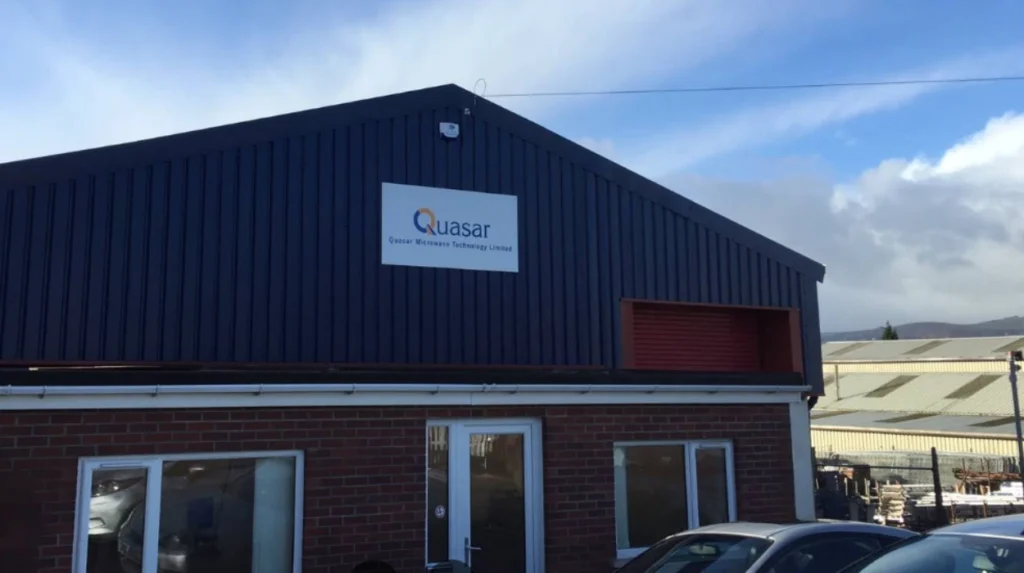
Microwave manufacturing facilities in Wales utilize integrated renewable energy systems comprising hydrogen fuel cells, solar photovoltaics, and advanced battery energy storage arrays. These self-contained microgrids generate, store, and manage electrical power directly on site to maintain uninterrupted production schedules. Advanced management algorithms balance power draw between local generation sources and national grid connections to optimize operational reliability. By combining green hydrogen fuel cells with solar generation, facilities eliminate operational carbon emissions while satisfying the intense electrical demands of industrial magnetron arrays. This hybrid energy architecture establishes a resilient model for energy-intensive industrial operations operating under strict decarbonization mandates.
The mechanical framework supporting these power structures relies on real-time balance of plant optimization software and localized energy containment. Solar array installations generate peak daytime electricity, feeding excess energy into high-capacity battery systems for evening production shifts. Green hydrogen power generation fills seasonal production gaps, ensuring uninterrupted thermal output during low-solar periods. Industrial microwave generators require stable voltage profiles to prevent frequency drift in sensitive magnetron components. The integrated microgrid smoothing equipment eliminates voltage sags and harmonic distortions before electricity reaches production equipment. This autonomous energy loop demonstrates how industrial sites operate independently from standard fossil fuel networks while maintaining commercial manufacturing output.
How Does Microwave Processing Improve Industrial Environmental Sustainability?
Industrial microwave processing improves environmental sustainability by directly converting clean electrical energy into thermal energy inside target materials. Traditional thermal processing methods depend on gas burners or electric heating elements that heat air ambiently, losing substantial thermal energy through exhaust vents. Microwave systems interact exclusively with polar molecules like water, exciting them at 2.45 GHz or 915 MHz to generate immediate volumetric heat. This precise energy delivery lowers net energy consumption by up to 70 percent compared to conventional industrial kilns. Furthermore, eliminating gas combustion removes localized nitrogen oxide, sulfur dioxide, and particulate emissions from industrial discharge streams.
Beyond energy reduction, microwave systems enable advanced material recycling and water purification initiatives across Welsh municipal networks. A key application involves reactivating Granular Activated Carbon used in municipal water filtration to capture persistent environmental contaminants like PFAS. Traditional thermal carbon reactivation relies on fossil fuel furnaces operating above 800 degrees Celsius, producing significant carbon emissions. Microwave reactivation systems heat saturated carbon beds internally, reducing thermal processing duration while restoring adsorption capacity at lower energy thresholds. This clean reactivation methodology reduces life-cycle carbon footprints for water utility companies like Dwr Cymru Welsh Water. Similar electromagnetic techniques assist in plastic thermal pyrolysis, rubber devulcanization, and hazardous waste remediation across regional waste treatment facilities.
What Future Innovations Are Shaping Microwave Technologies in Wales?

Future innovations in microwave technology across Wales focus on digital twin energy modeling, solid-state radio frequency generators, and expanded utility-scale applications. Digital twin platforms construct virtual replicas of entire industrial power networks to model dynamic load changes during microwave operation. Concurrently, solid-state microwave generators are replacing traditional vacuum magnetron tubes, offering precise frequency control, longer operational lifespans, and higher electrical conversion efficiencies. These solid-state systems enable adaptive tuning, adjusting power output instantly as target material moisture levels change during processing. These developments position regional research centers at the forefront of clean industrial engineering, advanced telecommunications, and circular economy infrastructure.
The commercial expansion of solid-state systems promises to transform industrial processing, telecom backhaul, and grid-scale energy management. Unlike traditional magnetron tubes that degrade over time and require frequent replacement, solid-state transistors operate reliably for over 100,000 hours with minimal performance loss. This reliability lowers long-term maintenance costs for industrial operators while ensuring precise frequency stability. Future integration with digital twin networks will allow operators to predict energy requirements using weather forecasts and automated production schedules. As regional utility grids incorporate higher percentages of intermittent wind and solar generation, dynamic microwave processing facilities can adjust thermal output based on real-time grid conditions. This flexible demand response capability provides valuable grid stabilization services while advancing national net-zero targets.
Frequently Asked Questions
What is the main use of industrial microwaves in Wales?
Industrial microwaves in Wales process commercial appliances, reactivate activated carbon, dry industrial materials, and manage high-frequency telecommunications. Facilities utilize volumetric electromagnetic heating to replace fossil-fuel thermal processing. This shift significantly reduces operational energy consumption and industrial emissions.
How do Welsh microwave factories operate on renewable energy?
Welsh microwave manufacturing facilities utilize microgrid systems combining onsite solar panels, green hydrogen fuel cells, and battery energy storage. These systems balance generation sources to supply continuous zero-emission power. Advanced management software maintains stable electrical voltage required for industrial magnetrons.
Why is microwave technology used in water treatment?
Microwaves reactivate Granular Activated Carbon used to filter contaminants like PFAS out of drinking water. Microwave heating restores carbon adsorption capacity faster and with lower energy consumption than gas furnaces. This provides a sustainable solution for municipal water utilities.
How does microwave heating differ from conventional furnace heating?
Microwave heating directly excites polar molecules inside materials to generate immediate internal heat. Conventional heating relies on thermal conduction or convection from ambient hot air, which loses heat through exhaust. Microwave processing operates faster while consuming up to 70 percent less energy.
What is the role of solid-state microwave generators in future manufacturing?
Solid-state microwave generators replace traditional magnetron vacuum tubes with semiconductor technology. They offer precise frequency control, adaptive tuning, and longer equipment lifespans. This innovation improves overall energy conversion efficiency in smart factory applications.