
North Wales contains Eryri National Park, which covers 823 square miles of mountainous terrain and offers extensive trail networks for hikers, climbers, and cyclists. Lake Tegid in Bala provides opportunities for kayaking and sailing across its four-mile length.
Eryri National Park serves as the central geographic feature of the region. Eryri was established in 1951 as the first national park in Wales. The park features Yr Wyddfa, which reaches an elevation of 1,085 meters above sea level and stands as the highest peak in England and Wales. Over 500,000 visitors reach the summit of Yr Wyddfa annually using paths such as the Llanberis Path, the Miners Track, and the Pyg Track. Mountain rescue teams log over 300 emergency calls per year in the region, emphasizing the necessity of proper gear and planning. Off the mountain trails, slate quarries offer alternative outdoor activities. Zip World Penrhyn Quarry in Bethesda operates the fastest zip line in the world, where riders achieve speeds exceeding 100 miles per hour over a distance of 1.5 kilometers. For water-based activities, the National White Water Centre on the River Tryweryn near Bala provides dam-controlled white water rafting conditions throughout the year. The coastal path along the Llŷn Peninsula stretches for 84 miles, connecting hidden coves, dramatic cliffs, and coastal wildlife reserves.
What Are the Most Historical Places to Visit in North Wales?
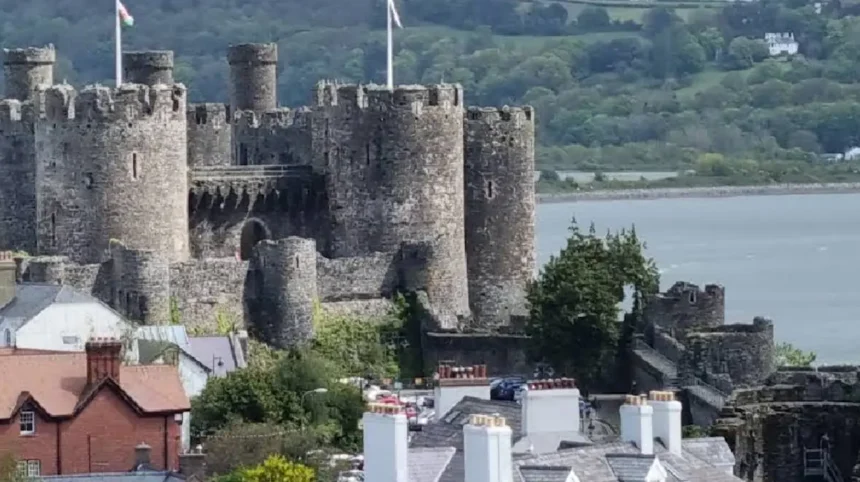
North Wales houses four major 13th-century fortresses built by King Edward I: Conwy uk/local/swansea/castle/">Castle, Caernarfon Castle, Beaumaris Castle, and Harlech Castle. These UNESCO World Heritage sites showcase medieval military architecture, defensive walls, and centuries of preserved royal history.
King Edward I constructed these fortresses during his conquest of Wales between 1283 and 1295. Master James of St. George designed the fortifications, integrating concentric walls, massive gatehouses, and strategically positioned curtain towers. Conwy Castle features eight high towers and a curtain wall that extends for three-quarters of a mile around the historic town center. Caernarfon Castle hosted the investiture of Prince Charles in 1969 and displays polygonal towers modeled after the walls of Constantinople. Beaumaris Castle on the Isle of Anglesey represents an unfinished masterpiece of perfect geometric symmetry, surrounded by a water-filled moat. Harlech Castle perches atop a 200-foot cliff, which historically overlooked the sea and withstood a seven-year siege during the Wars of the Roses. Beyond these medieval strongholds, North Wales displays ancient heritage at sites like the Neolithic burial chamber of Bryn Celli Ddu on Anglesey, which dates back to 3000 BC. Castell y Bere in Gwynedd displays native Welsh castle architecture commissioned by Prince Llywelyn the Great in the 1220s.
What Unique Family Activities Are Available in North Wales?
Families visiting North Wales can ride historic heritage railways, explore underground slate mines, and visit marine conservation centers. Highlights include the Ffestiniog and Welsh Highland Railways, Bounce Below in Blaenau Ffestiniog, and Anglesey Sea Zoo.
The Ffestiniog Railway is the world’s oldest continuously operating narrow-gauge railway, established by an Act of Parliament in 1832 to transport slate from mountain quarries to the port of Porthmadog. Passengers travel 13.5 miles through the UNESCO slate landscape on steam trains powered by restored locomotives like the double-Fairlie engines. In Blaenau Ffestiniog, Llechwedd Slate Caverns offers deep mine tours that descend 500 feet underground on Europe’s steepest mining cable railway. Within the same cavern system lies Bounce Below, a subterranean playground featuring massive trampolines suspended inside a disused slate mine chamber illuminated by colorful lights.
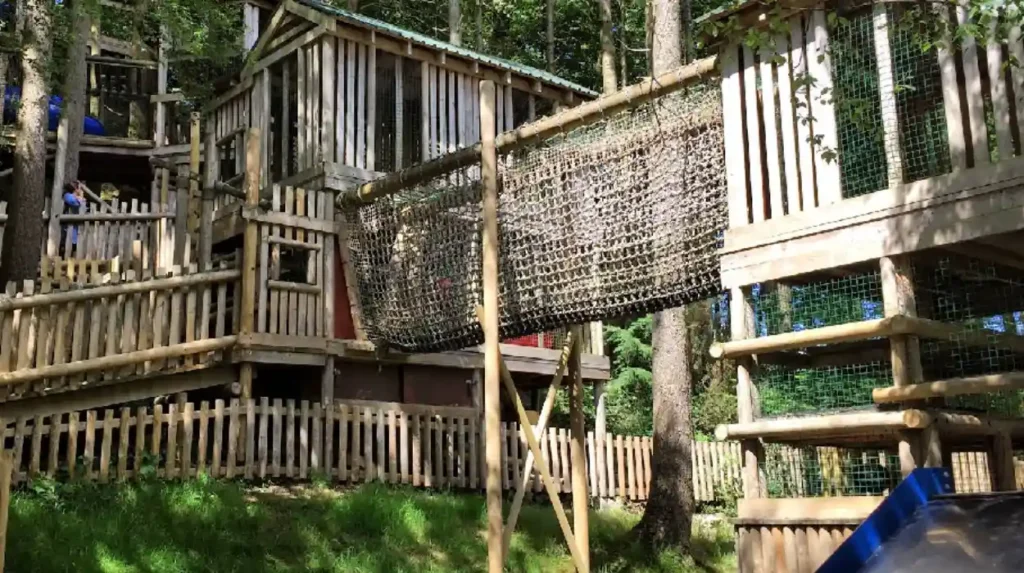
Near Llanberis, the National Slate Museum offers interactive slate-splitting demonstrations inside preserved Victorian workshops. Anglesey Sea Zoo operates a dedicated marine conservation center that breeds endangered native species, including seahorses and lobsters, while displaying local marine life from around the British coastline. GreenWood Family Park near Y Felinheli offers sustainable entertainment, including the world’s first solar-powered roller coaster and human-powered water rides.
What Are the Top Coastal Destinations in North Wales?
The North Wales coast features distinct seaside towns, natural headlands, and islands, including Llandudno, the Isle of Anglesey, and the Llŷn Peninsula. These coastal areas offer sandy beaches, wildlife watching, and Victorian promenades.
Llandudno stands as the largest seaside resort in Wales, famous for its intact 19th-century Victorian architecture, two-mile crescent bay, and historic pier built in 1877. The Great Orme, a limestone headland rising 679 feet above sea level, dominates the Llandudno coastline and is accessible via the Great Orme Tramway, which has operated continuously since 1902. The headland harbors a herd of wild Kashmiri goats, rare flora, and prehistoric copper mines that date back 3,500 years to the Bronze Age. Further west, the Isle of Anglesey offers 125 miles of coastline designated as an Area of Outstanding Natural Beauty. Anglesey features landmarks such as South Stack Lighthouse, which sits atop a coastal sea stack near Holyhead and serves as a nesting site for thousands of seabirds, including puffins, guillemots, and razorbills. The Llŷn Peninsula extends 30 miles into the Irish Sea, offering sheltered beaches like Abersoch and Whistling Sands, where the unique shape of the acoustic sand grains emits a whistle when walked upon.
Frequently Asked Questions
What is the best month to visit North Wales for good weather?
May and June generally offer the dryest conditions, longest daylight hours, and milder temperatures across North Wales. Spring months also experience fewer crowds than the peak summer months of July and August.
How many days do you need to explore North Wales properly?
A trip of four to seven days allows sufficient time to experience major regional highlights. This timeframe covers Eryri National Park hikes, historical castles, coastal drives on Anglesey, and heritage railway trips.
Do you need a car to get around North Wales?
While trains connect main coastal towns like Conwy and Bangor, a car provides necessary flexibility for remote valleys and mountain trailheads. Driving allows easy access to rural slate mines, national park routes, and peninsula beaches.
Is North Wales expensive for tourists compared to the rest of the UK?
North Wales offers affordable accommodation, dining, and attraction pricing compared to London or southern England. National park access, coastal walking trails, and public beaches remain completely free of charge to all visitors.
What should you pack for a trip to North Wales?
Waterproof jackets, sturdy hiking boots, and layered clothing are essential due to rapidly changing mountain and coastal weather. Pack sunscreen for exposed coastal paths alongside thermal base layers for high-elevation hikes in Eryri.