

Key Points
- Ban of children’s electric bikes and scooters implemented at Black Rock Sands Camping & Touring near Porthmadog.
- The measure was introduced after numerous complaints from campers regarding children speeding around parking lots and facilities.
- The campsite claims that it still wishes for children to have fun but claims that riders do not respond to requests to reduce their speed.
- Most of the reported visitors support this decision due to safety issues and inappropriate use of these gadgets.
- The prohibition is related only to children’s electric scooters and bikes, not to the adults properly using these vehicles.
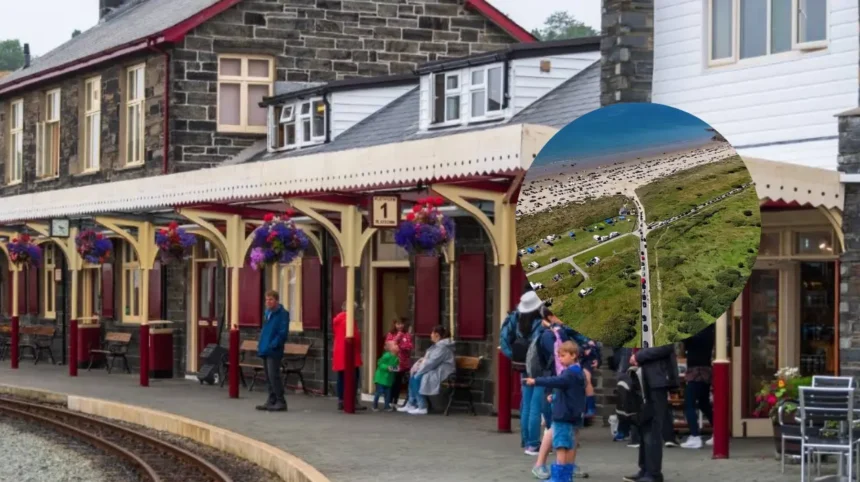
Wales (Wales Times) September 5, 2026 — A popular campsite beside a well-known Gwynedd beach has prohibited children’s electric bikes and scooters after receiving “so many complaints” from guests. The site, which sits next to Morfa Bychan beach near Porthmadog, issued a message this week telling families not to bring the devices on to the park.
- Key Points
- What is the Black Rock Sands electric bike ban for children?
- Why did the campsite ban kids’ electric scooters and e‑bikes?
- How have campers reacted to the children’s e‑bike ban?
- Does the ban affect adults using e‑bikes and scooters?
- Where is Black Rock Sands and when was the ban announced?
- What do UK rules say about e‑scooters and e‑bikes?
- Background: how did this development arise at Black Rock Sands?
- Prediction: how could this ban affect families and campsite operators?
What is the Black Rock Sands electric bike ban for children?
The campsite’s statement, circulated to guests and reported by North Wales Live, identifies children’s electric bikes and scooters as the main source of complaints on the park. “So the most complaints I get on the park is the use of children’s electrical bikes and scooters,” the message said. It added: “We all want the kids to enjoy themselves but they do not listen when asked to slow down or not to mess around the car park and the facilities area etc.” The site concluded: “So from now on PLEASE do not bring children’s electrical scooters and bikes. Thank you.”
Why did the campsite ban kids’ electric scooters and e‑bikes?
Management cited repeated warnings going unheeded and the risk created by fast or erratic riding in shared spaces. As reported by North Wales Live, the campsite said: “We want children to have fun, but they often ignore requests to slow down or refrain from playing around the car park and facility areas.” The ban is framed as a response to behaviour around vehicle areas and amenity blocks rather than a blanket objection to all electric mobility devices.
How have campers reacted to the children’s e‑bike ban?
Coverage in WalesOnline and the Daily Post shows most quoted visitors supporting the decision, with several pointing to safety and the presence of illegal or modified machines. One camper told the site: “Glad you’ve done this as we had these issues on another site where young kids were driving illegal electric bikes (altered) at high speed at risk to themselves and others.” Another said: “No one wants to stop kids having fun but when that includes illegal bikes and scooters… The campsite I used did nothing about it so well done you Blackrock sands.”
Further comments highlighted helmet use and collision risk. “It’s a shame because I’ll guarantee it’s the minority but totally agree with the decision,” one visitor said. “The amount of kids who don’t wear helmets is shocking. I work around downhill mountain bikes and even a ‘low speed’ accident can do some damage. If a kid has a head on collision with a car, even at 5–10 miles an hour, they are going to take some damage. Some parents treat the campsite like a crèche.”
Does the ban affect adults using e‑bikes and scooters?
The campsite has clarified that the restriction targets children’s devices and does not stop adults from using electric bikes or scooters where done appropriately. Reports note that while some guests were disappointed that a “minority” were seen as ruining it for responsible riders, the park confirmed the policy does not impact adults using the vehicles safely.
Where is Black Rock Sands and when was the ban announced?
Black Rock Sands Camping & Touring is located next to Morfa Bychan beach, close to Porthmadog in Gwynedd, north-west Wales. The message about the ban was issued this week and reported on 5 September 2026 by WalesOnline and the Daily Post, drawing on material from North Wales Live.
What do UK rules say about e‑scooters and e‑bikes?
The ban comes amid wider debate about electric micromobility devices in Wales and across the UK. In recent years, electric scooters and bikes have become more common in Wales, with some higher-powered models creating enforcement challenges for police. Under current UK law, privately owned e‑scooters cannot legally be used on public roads or pavements and may only be ridden on private land with the landowner’s permission. Police forces in Wales have carried out seizures of illegal e‑scooters and e‑bikes, and new measures introduced in 2026 allow officers to seize illegal devices without first issuing a warning.
Background: how did this development arise at Black Rock Sands?
The policy follows a pattern seen at other holiday parks and public spaces where fast or poorly controlled electric devices have led to complaints about noise, speed and safety in shared areas. At Black Rock Sands, management said the volume of complaints about children’s electric bikes and scooters had become the dominant issue on the park, prompting a clear prohibition to protect other guests and reduce risk around car parks and facilities. The site’s wording stresses that the aim is not to stop children enjoying themselves, but to address behaviour that continues after requests to slow down. The clarification that adults are not affected suggests the focus is on specific patterns of use associated with younger riders rather than on electric mobility as a whole.
Prediction: how could this ban affect families and campsite operators?
For families visiting Black Rock Sands, the ban is likely to change how children move around the site, with more reliance on walking, conventional bicycles or supervised play areas instead of powered devices. Parents who previously allowed children to use electric scooters or bikes on the park will need to leave those devices at home or store them unused, which could affect booking decisions for some households. For campsite operators across Wales, the move may set a precedent, encouraging other parks to introduce similar rules if they face comparable complaints about speed, collisions or helmet use. If more sites adopt child-specific restrictions, manufacturers and retailers may see pressure to promote safer, lower-speed devices for holiday use, while parks may invest more in designated play zones or clear on-site rules to manage expectations.