
North Wales contains six principal areas defined by unique coastal geography, mountainous terrain, and centuries of preserved human history. The region covers approximately 6,172 square kilometers and features the Snowdonia mountain range, the Isle of Anglesey, and the Dee Valley. Historical records document human occupation dating back to the Mesolithic period, with major fortifications constructed during the Roman occupation and the medieval conquest by Edward I. The UNESCO World Heritage site designation protects several 13th-century fortresses across the landscape. Modern North Wales attracts millions of visitors annually due to its concentrated heritage assets, protected national parks, and extensive coastline. The physical topography ranges from 1,085 meters at Yr Wyddfa to coastal limestone headlands along the Irish Sea.
- Why is Eryri National Park a primary destination in North Wales?
- How do Edwardian castles define the heritage of North Wales?
- What cultural significance does the Isle of Anglesey hold?
- Why are historic railways central to North Wales industrial heritage?
- How does the Llyn Peninsula contribute to coastal conservation?
- Why is the UNESCO slate landscape significant to global industry?
- How do historic towns enhance the cultural appeal of North Wales?
- Recommended Placement Plan:
- Frequently Asked Questions
- What are the top historical attractions to visit in North Wales?
- How many days are needed to explore North Wales attractions?
- What is the best time of year to visit North Wales attractions?
- Are North Wales attractions suitable for families and budget travelers?
- How do visitors get around major tourist sites in North Wales?
North Wales attractions developed from ancient defensive infrastructure into preserved cultural and environmental sites over centuries. The region retains its distinct linguistic heritage, with Welsh spoken by over thirty percent of the local population. Industrial heritage sites, including slate quarries and historic railways, document the 19th-century economic expansion that shaped local infrastructure. The preservation of these sites relies on national heritage organizations like Cadw and the National Trust. Modern transportation corridors, such as the A55 dual carriageway, connect these historical locations to major transport hubs in northwestern England. The geography directly influences tourist distribution, concentrating visitor density around national park boundaries and heritage coastal routes. Environmental protection laws maintain the conservation status of these historic landscapes.
Why is Eryri National Park a primary destination in North Wales?
Eryri National Park covers 2,176 square kilometers of protected mountainous terrain, establishing it as the centerpiece of North Wales outdoor tourism. The park contains Yr Wyddfa, the highest peak in England and Wales at 1,085 meters above sea level. Established in 1951 as the first national park in Wales, the area receives over four million visitors each year. The park features fifteen peaks over 3,000 feet, extensive ancient oak woodlands, and over 100 natural lakes formed by glacial activity. Visitors access the network of mountain trails, historic mountain passes, and protected wildlife habitats through established heritage gateways. The park supports rare flora, including the Snowdon lily, and unique alpine ecosystems monitored by conservation authorities.
The ecological and economic importance of Eryri shapes the broader tourism structure of North Wales attractions. The park infrastructure supports mountain climbing, hiking, and conservation research through designated centers in Betws-y-Coed and Pen-y-Pass. The Snowdon Mountain Railway, operating since 1896, provides mechanical access to the summit along a 7.5-kilometer rack-and-pinion track system. Glacial valleys such as Llanberis Pass and Ogwen Valley demonstrate distinct geomorphological features studied by geologists worldwide. Local authorities enforce strict environmental management strategies to mitigate footpath erosion and preserve biodiversity. The park integrates working agricultural farms with public recreation corridors to maintain traditional land use. Eryri remains a vital economic driver for regional hospitality, outdoor equipment retail, and guided heritage services.
How do Edwardian castles define the heritage of North Wales?
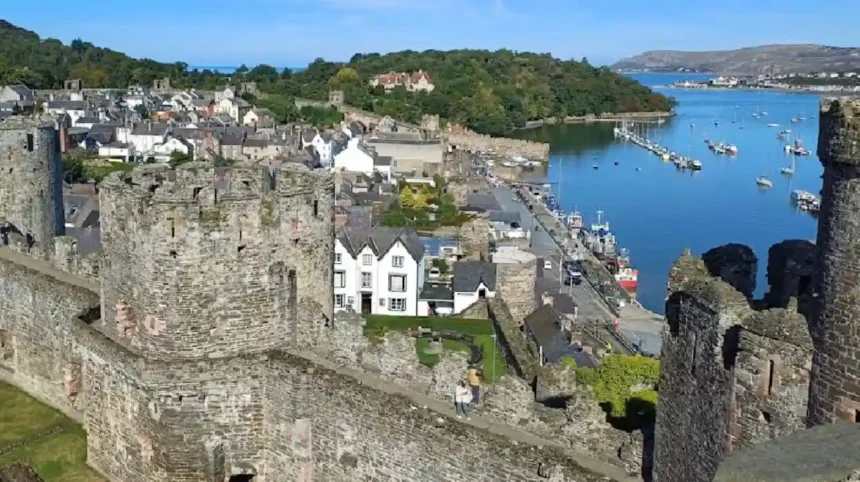
Edwardian castles in North Wales represent a UNESCO World Heritage site comprising four massive 13th-century fortresses built by Edward I. Caernarfon, Conwy, Beaumaris, and Harlech castles demonstrate advanced medieval military engineering designed by master architect James of St. George. Constructed between 1283 and 1330, these fortresses features concentric defensive walls, massive gatehouses, and integrated fortified towns. The military network cost over £80,000 at the time of construction, representing a massive financial investment in territorial control. Today, Cadw manages these properties, maintaining structural integrity and providing educational access to hundreds of thousands of historical visitors every year. The architectural design influenced defensive fortification principles across Europe throughout the late Middle Ages.
The preserved state of these castles allows detailed analysis of medieval governance, urban planning, and stone construction techniques. Caernarfon uk/local/swansea/castle/">Castle features polygonal towers and banded masonry inspired by the walls of Constantinople, emphasizing imperial symbolism. Conwy Castle contains exceptionally preserved royal apartments and a complete circuit of medieval town walls measuring 1.3 kilometers. Beaumaris Castle represents the ultimate concentric plan, featuring four concentric rings of defense and a fortified water gate. Harlech Castle occupies a dramatic cliffside position overlooking Tremadog Bay, utilizing natural topography for defensive advantage. These fortresses host educational programs, historical reenactments, and architectural research projects annually. The castles serve as essential cultural anchor points for heritage tourism across the region.
What cultural significance does the Isle of Anglesey hold?
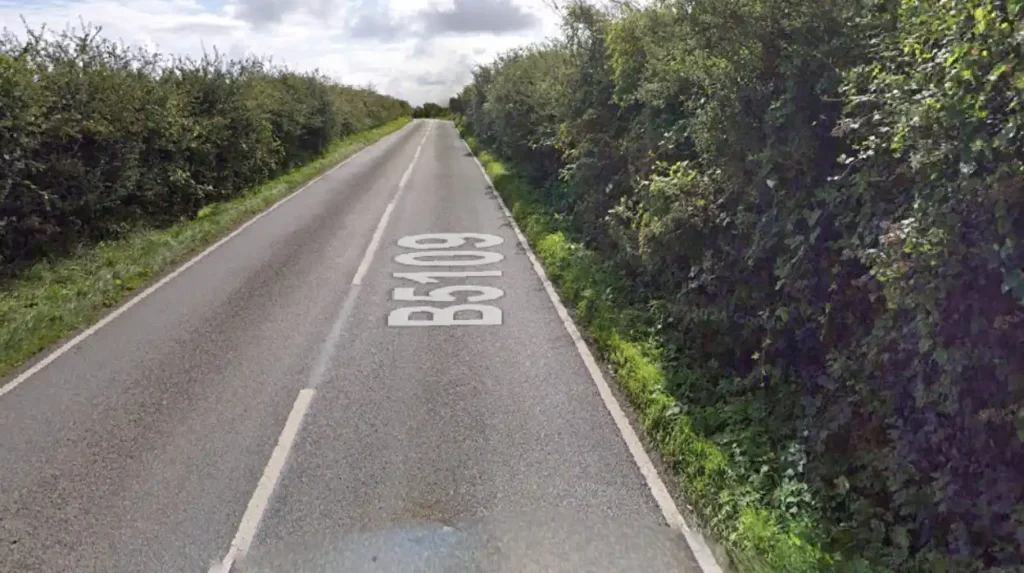
The Isle of Anglesey is the largest island in Wales, covering 714 square kilometers and containing over 200 kilometers of protected coastline. Anglesey features ancient megalithic monuments, Roman ruins, and medieval religious sites that document over 5,000 years of continuous settlement. The island is designated as an Area of Outstanding Natural Beauty, protecting coastal heathlands, limestone cliffs, and dune systems. Anglesey connects to mainland North Wales via two historic suspension bridges spanning the Menai Strait. The island played a central role in Druidic history before the Roman conquest in 60 AD, serving as a religious and agricultural center. Today, Anglesey supports marine wildlife conservation, heritage agriculture, and coastal recreation.
Anglesey provides critical geological and ecological insights through its designation as a UNESCO Global Geopark, known as GeoMon. The island contains complex rock formations dating back 1,800 million years, showcasing some of the oldest exposed geology in the United Kingdom. Key historic sites include Bryn Celli Ddu, a Neolithic passage tomb aligned with the summer solstice, and South Stack Lighthouse. The town of Beaumaris adds architectural variety with its Victorian jail, courthouse, and Edwardian fortress. Coastal paths allow visitors to view colonies of seabirds, including puffins and guillemots, near RSPB reserves. The island maintains a strong cultural identity, preserving traditional maritime industries and local linguistic heritage. Anglesey remains a vital destination for naturalists, historians, and coastal travelers.
Why are historic railways central to North Wales industrial heritage?
North Wales contains the highest concentration of preserved narrow-gauge heritage railways in the United Kingdom, reflecting its rich slate-mining industrial past. The Ffestiniog Railway, established in 1832, is the world’s oldest surviving railway company operating continuous steam services. These railways were originally constructed to transport slate from mountain quarries in Blaenau Ffestiniog to coastal ports like Porthmadog. Today, lines such as the Welsh Highland Railway, Talyllyn Railway, and Bala Lake Railway operate for heritage tourism and historical preservation. The combined network covers over 100 miles of track through protected mountain passes and rural valleys. These steam railways attract global enthusiasts and preserve traditional engineering skills through active apprenticeship programs.
The operation of narrow-gauge steam trains preserves essential transport history while driving regional tourism revenue. The Ffestiniog and Welsh Highland Railways operate a combined route spanning 40 miles from Caernarfon to Porthmadog and Blaenau Ffestiniog. This integrated system allows passengers to travel across Eryri National Park using historic steam locomotives and restored rolling stock. The engineering feats along these lines include spiral loops, deep rock cuttings, and extensive embankments built by hand in the 19th century. Industrial sites linked to these railways, such as the National Slate Museum in Llanberis, hold UNESCO World Heritage status. Heritage railways directly support engineering restoration projects, tourism employment, and local economic development across North Wales.
How does the Llyn Peninsula contribute to coastal conservation?
The Llyn Peninsula extends 30 miles southwest into the Irish Sea, offering a protected coastal landscape rich in biodiversity and Welsh heritage. Designated an Area of Outstanding Natural Beauty, the peninsula encompasses nearly 100 miles of varied coastline, ancient pilgrimage routes, and volcanic peaks. Bardsey Island, located at the tip of the peninsula, served as a sacred burial site in the early Christian period and remains a nature reserve. The region provides sanctuary for rare marine species, including grey seals, bottlenose dolphins, and choughs. Strict environmental protections restrict heavy development, preserving traditional agricultural communities and unspoiled coastal habitats. Visitors utilize the Wales Coast Path to access remote coves, historic iron age hillforts, and traditional fishing villages.
The Llyn Peninsula preserves essential aspects of traditional Welsh language and culture alongside its natural coastal environment. Small maritime settlements like Aberdaron, Abersoch, and Nefyn maintain long-standing fishing, sailing, and agricultural heritage traditions. The waters surrounding the peninsula form part of the Pen Llyn a’r Sarnau Special Area of Conservation, protecting marine ecosystems. Historic sites, such as Criccieth Castle positioned between two beaches, demonstrate medieval coastal defenses. The peninsula features unique geological formations, including the whistling sands at Porthor, caused by acoustic properties in the sand grains. Conservation managers balance visitor access with ecological preservation through sustainable footpath maintenance and marine habitat monitoring programs.
Why is the UNESCO slate landscape significant to global industry?
The slate landscape of Northwest Wales earned UNESCO World Heritage status in 2021 due to its global impact on roof slate production and quarrying technology. During the 19th century, North Wales quarries produced the majority of the world’s architectural roofing slate, employing thousands of skilled workers. The slate industry shaped local architecture, social structures, transportation systems, and mountain topographies across regions like Penrhyn, Dinorwig, and Blaenau Ffestiniog. Mass extraction transformed entire mountainsides into terraced quarries, creating dramatic industrial landscapes visible today. The preserved quarries, quarrymen’s cottages, and processing mills offer insight into Victorian industrial capabilities and labor history. The site represents one of the most complete industrial landscapes from the Industrial Revolution era.
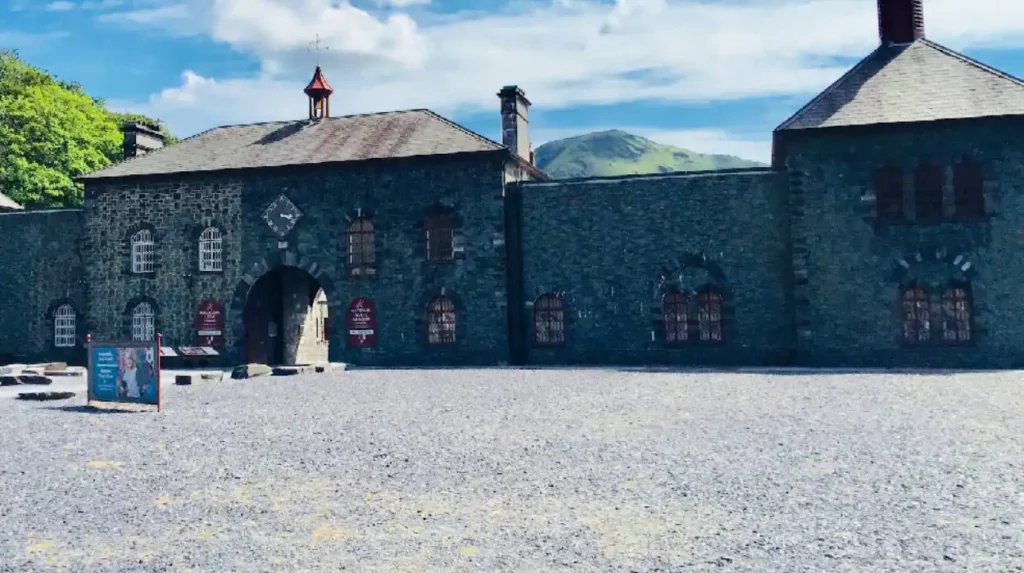
The UNESCO designation protects major slate quarrying centers and associated infrastructure across six distinct geographic zones in North Wales. The National Slate Museum at Llanberis occupies the original 1870 workshops of the Dinorwig Quarry, featuring functional waterwheels and slate-dressing demonstrations. Llechwedd Slate Caverns in Blaenau Ffestiniog provides underground tours illustrating working conditions inside massive subterranean chambers.
The industrial legacy includes specialized heavy machinery, incline systems, and hydraulic engineering built to extract high-grade metamorphic rock. Slate from North Wales continues to be exported worldwide for specialized architectural restoration and high-end construction projects. Modern visitor centers provide comprehensive educational displays detailing the geological formation, extraction techniques, and global export routes of Welsh slate.
How do historic towns enhance the cultural appeal of North Wales?
Historic towns throughout North Wales provide urban heritage, cultural events, and architectural diversity that complement the region’s natural landscapes. Towns like Conwy, Llangollen, Ruthin, and Denbigh feature medieval wall circuits, timber-framed buildings, and historic market squares preserved across centuries. Llangollen, situated along the River Dee, hosts the annual Llangollen International Musical Eisteddfod, attracting performers from over fifty countries. The town of Mold offers rich historic market traditions, theatrical performances at Theatr Clwyd, and proximity to ancient heritage monuments. These urban centers act as focal points for regional commerce, artisanal food production, and historical research. Preserved civic buildings, such as Ruthin Gaol and Plas Mawr, illustrate social history from the Elizabethan to Victorian eras.
The urban preservation standards maintained in these towns support sustainable tourism by concentrating commercial activity within established historic cores. Conwy features Plas Mawr, recognized as the finest surviving Elizabethan townhouse in Great Britain, completely restored to its 1580 appearance. Llangollen serves as a gateway to the Pontcysyllte Aqueduct, a 38-meter-high navigable aqueduct built by Thomas Telford in 1805. Historic accommodation options, such as the famous Kinmel Arms and the historic Merrion Hotel, reflect the long evolution of regional hospitality. Local market towns host regular farmers’ markets, arts festivals, and historical walking tours that highlight regional craftsmanship. The integration of protected heritage architecture with modern community amenities ensures these towns remain vibrant cultural centers.
Recommended Placement Plan:
- Under “How do historic towns enhance the cultural appeal of North Wales?”:
- Callout Block:Read More: Planning a trip to Flintshire? Discover why Mold, North Wales is worth visiting for history and culture.
- Under “Why are historic railways central to North Wales industrial heritage?”:
- Callout Block:Related Article: Exploring historic coastal stays? Learn what the Kinmel Arms in North Wales is and where it is located.
- At the end of the main guide:
- Recommended Reading Box:
- Discover hospitality heritage: What is the Merrion Hotel Wales and where is it located?
- Local sports updates: Bangor Sportsplex new family play facility now open
- Recommended Reading Box:
Frequently Asked Questions
What are the top historical attractions to visit in North Wales?
North Wales features iconic UNESCO World Heritage sites including Edwardian fortresses like Caernarfon, Conwy, Beaumaris, and Harlech castles. Visitors can also explore the ancient slate landscapes, prehistoric passage tombs like Bryn Celli Ddu, and historic town centers across the region.
How many days are needed to explore North Wales attractions?
A thorough trip to North Wales takes between three to seven days to experience the primary mountain, coastal, and heritage sites. This timeframe allows ample time to visit Eryri National Park, explore historic castles, travel on narrow-gauge steam railways, and tour Anglesey.
What is the best time of year to visit North Wales attractions?
The ideal time to visit North Wales is between May and September when weather conditions are mild and outdoor attractions operate full schedules. Spring and early autumn provide comfortable hiking conditions in Eryri National Park with fewer crowds at major historic landmarks.
Are North Wales attractions suitable for families and budget travelers?
Yes, North Wales offers numerous family-friendly activities including interactive slate mine tours, heritage steam train rides, and expansive natural beaches. Many coastal paths, national park trails, and historic nature reserves offer free or low-cost public access year-round.
How do visitors get around major tourist sites in North Wales?
Visitors reach major North Wales attractions via the A55 dual carriageway by car or through regional public transit networks. The Conwy Valley railway line and local bus services link key coastal towns directly with inland destinations in Eryri National Park.