
Key Points
- April Lock, of King Edwards Street, Barmouth, has been jailed by Llandudno Magistrates Court today, Tuesday, 22 September 2026, for criminal damage and theft of a housing association property.
- She broke two doors’ locks before spraying over 12 CCTV cameras and damaging one smoke detector in the property.
- The estimated amount of damage caused was £10,660.
- Lock was jailed for six months, suspended for 12 months.
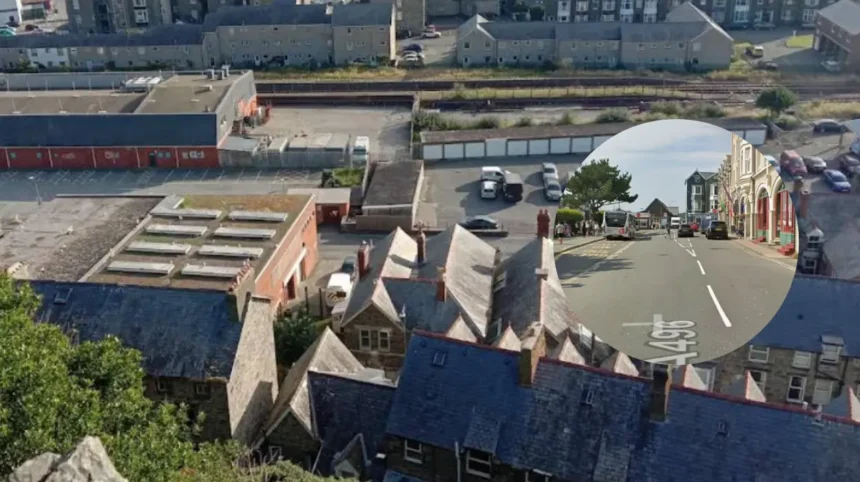
- This crime was committed at a housing association property located at Jubilee Road in Barmouth.
- Lock is a convicted thief after she stole 200 Zapain tablets in July 2025 in Barmouth and was fined £120.
Wales Crime (Wales Times) September 24, 2026 – A woman from Barmouth has been jailed on a suspended sentence after causing more than £10,000 of damage to a town CCTV system and a smoke detector by forcing entry to a housing association building and spray‑painting over cameras.
- Key Points
- What happened at the Jubilee Road property?
- What sentence did April Lock receive?
- What charges were brought against April Lock?
- What is known about April Lock’s previous convictions?
- How have local media reported the CCTV damage case?
- Background to the development
- Prediction: how this development may affect residents and local authorities
What happened at the Jubilee Road property?
April Lock, of King Edwards Street, Barmouth, appeared at Llandudno Magistrates Court on Tuesday, 22 September, after being charged with criminal damage and theft in connection with incidents at a housing association property on Jubilee Road. According to reports carried by the Cambrian News and the County Times, she forced open two doors at the building and caused damage to their locking mechanisms before entering.
Once inside, Lock spray‑painted over 12 CCTV cameras installed in the property and also caused damage to a smoke detector. The total cost of the damage caused was assessed at £10,660, a figure cited across multiple local outlets covering the sentencing.
What sentence did April Lock receive?
At Llandudno Magistrates Court, Lock was sentenced to six months’ imprisonment, suspended for 12 months, in relation to the criminal damage and theft offences. The suspended sentence means she will not go to prison immediately but will be subject to supervision and conditions during the 12‑month suspension period, with the custodial term liable to be activated if she breaches those conditions or reoffends.
Court listings and sentencing records for Llandudno Magistrates Court confirm the hearing took place on 22 September 2026 and that Lock was dealt with for criminal damage and theft charges arising from the Barmouth incident.
What charges were brought against April Lock?
Lock was charged with criminal damage and theft in connection with the incidents at the Jubilee Road housing association property. The criminal damage count relates to the forced entry, damage to door locks, the spray‑painting of 12 CCTV cameras and damage to the smoke detector. The theft element of the case has been reported alongside the criminal damage in court summaries, though detailed public accounts of what specific items were alleged to have been stolen have not been set out in the available sentencing reports.
North uk/police/">Wales Police confirmed the sentencing in a news update, stating that Lock appeared at Llandudno Magistrates Court on 22 September after being charged with criminal damage and theft. Local court reporters, including those at the Cambrian News and the County Times, recorded the same charges and the resulting suspended sentence.
What is known about April Lock’s previous convictions?
Public sentencing records show that April Lock has a previous conviction for theft in Barmouth. In December 2025, she was sentenced for stealing 200 prescription‑strength painkiller Zapain tablets belonging to Caroline Mikuta in Barmouth on 1 July 2025.
At that hearing, Lock pleaded guilty and was fined £120, and ordered to pay £85 in court costs as well as compensation. That earlier case was reported by the Cambrian News under the headline “Barmouth woman fined for stealing prescription‑strength painkillers”, which identified Lock as a 30‑year‑old from Barmouth at the time of the December 2025 sentencing.
How have local media reported the CCTV damage case?
The case has been covered by several North Wales news outlets, each providing slightly different emphases but consistent core facts. The Daily Post carried the story under the headline “Barmouth woman spray‑painted 12 CCTV cameras causing £10k damage”, noting that Lock was sentenced after forcing her way into a housing association property.
The Cambrian News reported the sentencing under the headline “Woman sentenced for causing £10,000 damage to Barmouth CCTV”, specifying Lock’s address as King Edwards Street, Barmouth, and confirming her appearance at Llandudno Magistrates Court on 22 September on charges of criminal damage and theft. The County Times gave further detail on the method of entry and extent of the damage, reporting that she forced open two doors, damaged their locking mechanisms, spray‑painted over 12 CCTV cameras and damaged a smoke detector, with total damage assessed at £10,660.
Ground News and other aggregators summarised the case as a woman who caused £10,000 of damage to the town’s CCTV cameras and received a suspended sentence, again citing the £10,660 damage figure. North Wales Police also published a short notice confirming the sentencing and the charges.
Background to the development
Incidents involving damage to CCTV infrastructure in small towns such as Barmouth often intersect with broader debates about surveillance, anti‑social behaviour and the protection of social housing stock. Housing associations in Wales manage significant numbers of properties and communal areas, many of which rely on CCTV and alarm systems to deter crime and monitor shared spaces. When such systems are vandalised, the immediate effect is not only financial – in this case exceeding £10,000 – but also operational, as repairs or replacements leave gaps in coverage until work is completed.
The Jubilee Road property involved in this case forms part of that wider network of social housing assets. While specific details of the building’s use have not been fully set out in public reports, the description as a housing association property indicates it is likely to be either a block of flats or a managed communal building serving local residents. Damage to door locks and security equipment in such premises can raise concerns about resident safety, insurance costs and the ability of landlords to maintain secure environments.
Previous coverage of CCTV in Barmouth has included town council initiatives to use cameras to tackle issues such as dog fouling, indicating that local authorities and councils see surveillance as part of a broader enforcement and behaviour‑change strategy. Against that backdrop, deliberate vandalism of multiple cameras in a single incident represents a significant disruption to those efforts and a direct challenge to the infrastructure intended to support them.
Prediction: how this development may affect residents and local authorities
For residents of Barmouth, particularly those living in or near housing association properties, this case is likely to reinforce concerns about the vulnerability of security systems and the potential for relatively short episodes of vandalism to cause long‑lasting disruption. If repair work takes time, tenants and neighbours may face periods with reduced CCTV coverage, which could affect perceptions of safety and, in some cases, actual risk levels in communal areas.
For housing associations and local councils, the financial impact of a single £10,660 damage incident adds to maintenance and insurance pressures. Repeated incidents of this kind could push providers to invest in more resilient equipment, such as tamper‑proof housings, higher‑mounted cameras or systems with remote monitoring and automatic alerts. At the same time, the public nature of the sentencing may act as a deterrent, signalling to potential offenders that significant custodial sentences – even if suspended – can follow serious vandalism of security infrastructure.
In practical terms, the most immediate effect is likely to be a short‑term tightening of security arrangements around the affected property while repairs are completed, possibly accompanied by increased patrols or temporary measures. Over the longer term, landlords may review access controls, door‑entry systems and the placement of cameras to reduce the risk of similar forced‑entry and spray‑painting incidents. For the local community, the case underscores how damage to shared security assets can quickly escalate from a local nuisance into a criminal matter with substantial costs and legal consequences.