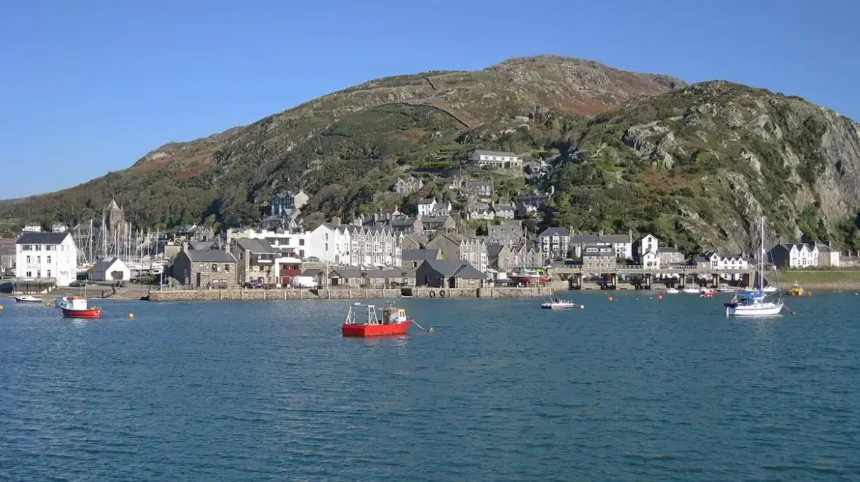
Barmouth Beach, known as Abermaw in the Welsh language, sits on the southern coast of Gwynedd within the boundaries of Eryri National Park (Snowdonia). The site borders Cardigan Bay and the Mawddach Estuary along the western coast of Wales.
- What Is the Historical Significance of Barmouth Beach Wales?
- What Features and Physical Structure Define Barmouth Beach Wales?
- How Do Coastal Processes and Water Safety Dynamics Operate at Barmouth Beach Wales?
- What Are Practical Real-World Examples of Activities at Barmouth Beach Wales?
- What Visitor Rules, Dog Restrictions, and Access Logistics Apply at Barmouth Beach Wales?
- What Is the Future Environmental and Economic Relevance of Barmouth Beach Wales?
- Frequently Asked Questions
The geography of Barmouth Beach features a vast expanse of golden sand, coastal sand dunes, and steep granite hills rising directly behind the shoreline. The shoreline faces west into Cardigan Bay, creating expansive tidal flats during low tide cycles. The Mawddach Estuary defines the southern perimeter of the beach, where freshwater river runoff mixes with marine tides under the historic Barmouth Viaduct. Local authorities designate this coastal region as a protected conservation zone due to surrounding salt marshes and marine biological diversity. The beach serves as a major geographical landmark connecting the Irish Sea marine ecosystems with the mountainous terrain of North Wales. The natural harbour at the river mouth has provided shelter for seafaring vessels for centuries, framing the beach within a dramatic natural landscape.
What Is the Historical Significance of Barmouth Beach Wales?
Barmouth Beach transformed from a small 18th-century shipbuilding port into a major Victorian seaside resort following the arrival of the Aberystwyth and Welsh Coast Railway in 1867. The opening of Barmouth Bridge established direct rail links across the estuary.
During the 18th century, Barmouth functioned primarily as an industrial maritime hub for slate export, wool transportation, and coastal trading vessels. The construction of the railway network in the mid-19th century altered the economic structure of the town. Urban workers from the industrial English West Midlands traveled to Barmouth Beach to access clean sea air and recreational bathing. Promenade infrastructure, boarding houses, and stone sea walls were erected during the late 19th century to accommodate expanding tourism numbers. Notable historical figures, including social critic John Ruskin, frequented the area and supported early housing preservation efforts nearby. The historical layout of the resort remains intact today, with classic Victorian architecture lining Marine Parade parallel to the sandy beach.
What Features and Physical Structure Define Barmouth Beach Wales?
Barmouth Beach consists of several miles of uninterrupted sandy shoreline, tidal sandbars, protective sand dunes, and a paved sea wall promenade. The beach structure shifts dynamically between high and low tide cycles along Cardigan Bay.
The main section of the beach is comprised of fine sand intermixed with small pebble banks near the upper tide mark. The northern boundary features stabilization dunes at Hendre Mynach, which protect the inland lowlands from coastal erosion. The southern portion terminates at the concrete breakwater and harbour channel. At low tide, the receding water exposes hundreds of meters of wet sand flats suitable for walking and land recreational activities. At high tide, the water line approaches the base of the concrete promenade, reducing the usable dry sand area. Natural sandbars form frequently near the mouth of the Mawddach Estuary due to sediment transport driven by river flows and coastal tidal currents.
How Do Coastal Processes and Water Safety Dynamics Operate at Barmouth Beach Wales?
Natural Resources Wales monitors bathing water quality at Barmouth Beach, where water quality ratings frequently achieve Excellent standard metrics. Tidal changes create variable currents, rip channels, and shifting depths across the bay.
Coastal processes at Barmouth Beach are governed by semi-diurnal tides that rise and fall twice every 24 hours. The tidal range can exceed 4 meters during spring tides, drastically altering shoreline water depths in short intervals. Water temperatures range between 15 degrees Celsius and 18 degrees Celsius during peak summer months. Strong currents form near the harbour entrance and the Mawddach Estuary mouth as tidal volumes flush in and out of the river channel. Swimmers must exercise caution because localized rip currents can develop along sandbars. Natural Resources Wales tests water samples for bacterial indicators weekly between May and September to ensure compliance with international environmental public health standards.
What Are Practical Real-World Examples of Activities at Barmouth Beach Wales?
Visitors participate in coastal activities such as stand-up paddleboarding in the estuary, swimming in Cardigan Bay, sea fishing, and hiking the Mawddach Trail. Family recreation includes traditional beach games, donkey rides, and crabbing.
Water uk/sports/">sports enthusiasts utilize the calmer, sheltered waters of the inner Mawddach Estuary for kayaking, canoeing, and stand-up paddleboarding. Surfers and bodyboarders access open wave surf along the main west-facing beach when Atlantic ocean swells enter Cardigan Bay. Anglers fish from the harbour wall or breakwater targeting sea species such as bass, mackerel, and flatfish. Hikers use the beach as a starting platform to cross the 800-meter timber Barmouth Viaduct along the Mawddach Trail toward Dolgellau. Traditional seasonal attractions along the upper promenade include amusement arcades, land train tours, and donkey rides operating across the central sand flat zone.
What Visitor Rules, Dog Restrictions, and Access Logistics Apply at Barmouth Beach Wales?
Cyngor Gwynedd enforces seasonal dog exclusion zones between April 1st and September 30th on the central beach area between the harbour and leisure centre. Multiple pay-and-display parking car parks provide vehicle access near the promenade.

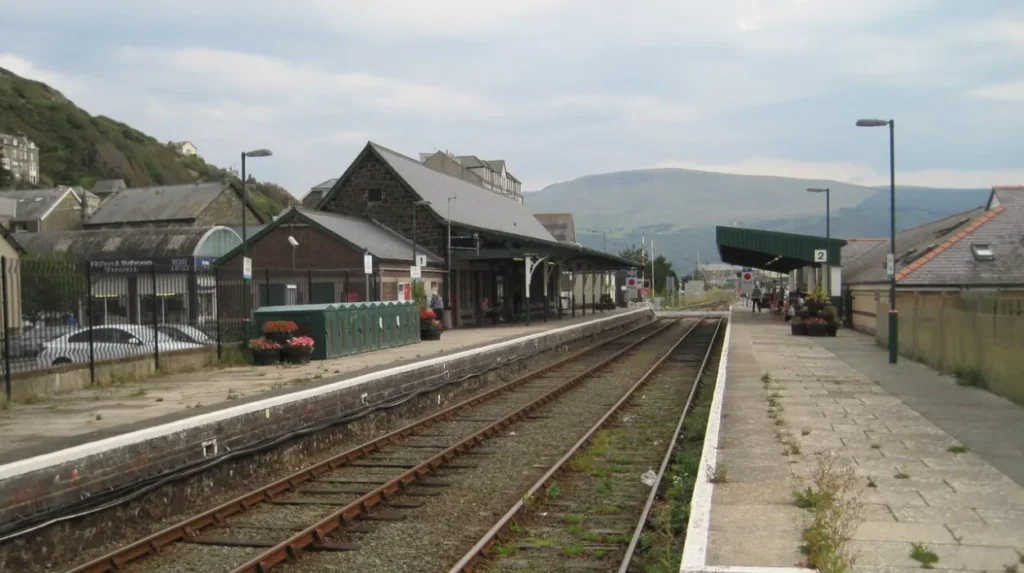
Dog restrictions apply strictly during the six-month summer season to maintain hygiene and safety standards on the busiest beach sections. Dog owners can access dedicated dog-friendly beach sections year-round north of the leisure centre toward Hendre Mynach. Motorists access the site via the A496 road, parking in facilities such as the Promenade Car Park (LL42 1NF) or Black Patch Car Park (LL42 1LY). Public transportation options include regular train services stopping at Barmouth Railway Station on the Cambrian Line, situated less than 200 meters from the seafront. Concrete ramps along Marine Parade deliver step-free access down to the sand for visitors with mobility impairments or pushchairs.
What Is the Future Environmental and Economic Relevance of Barmouth Beach Wales?
Barmouth Beach faces long-term management considerations related to rising sea levels, climate change risks, coastal erosion, and sustainable eco-tourism preservation. Local council strategies prioritize flood defenses and sustainable visitor infrastructure.
The economic sustainability of Barmouth depends directly on maintaining beach quality and coastal infrastructure. Rising global sea levels present ongoing management challenges for shoreline protection along Cardigan Bay. Environmental planning initiatives involve continuous monitoring of sand dune stability, salt marsh habitats, and water quality standards.
Local government bodies invest in promenade repairs, sea wall reinforcements, and modern waste management facilities to handle summer visitor volume without degrading local ecosystems. Transitioning toward sustainable tourism ensures that Barmouth Beach remains an economically viable coastal destination while protecting natural habitats within Eryri National Park for future generations.
Frequently Asked Questions
What is the best time of year to visit Barmouth Beach for warm weather?
The peak summer period between June and August offers the highest water temperatures, averaging 15 to 18 degrees Celsius, along with operational beach facilities.
Are dogs permitted on all sections of Barmouth Beach during the summer?
Dogs are excluded from the main central section between the harbour and the leisure centre from April 1st through September 30th. Northern beach sections permit dogs year-round.
How do visitors reach Barmouth Beach using public transport?
Travelers can take the Transport for Wales rail service along the scenic Cambrian Line directly to Barmouth Station, which sits within short walking distance of the promenade.
What parking facilities are located closest to Barmouth Beach?
The Promenade Car Park (LL42 1NF) offers large pay-and-display parking immediately adjacent to the main beach and seafront promenade.