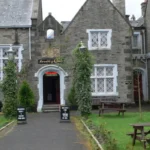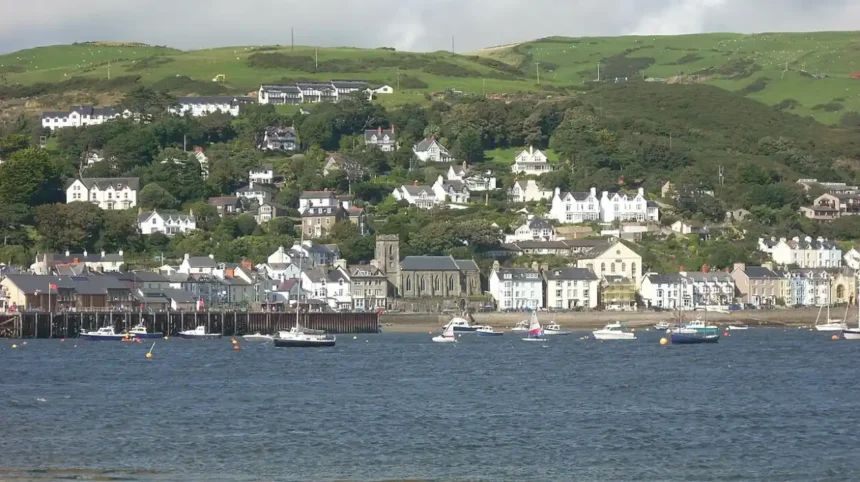
The Penhelig Hotel is a prominent coastal establishment situated in the town of Aberdovey within the county of Gwynedd in mid Wales. This historic property occupies an elevated position overlooking the scenic Dyfi Estuary and provides direct panoramic views across Cardigan Bay. The location places visitors within the Snowdonia National Park region, which attracts tourists seeking outdoor recreation and coastal scenery. The hotel operates as a traditional hospitality venue featuring guest rooms, a restaurant, and local architectural elements characteristic of Welsh coastal towns. The establishment is accessible via regional transport links including the Cambrian Coast railway line, which stops at Penhelig station near the property.
- What Accommodation And Dining Options Does The Penhelig Hotel Provide?
- What Historical And Cultural Significance Does Aberdovey Hold For Visitors?
- What Are The Primary Travel And Transport Links To The Penhelig Hotel?
- What Outdoor Activities And Local Attractions Surround The Penhelig Hotel?
- Frequently Asked Questions
- What Is The History Of The Penhelig Hotel In Aberdovey?
- How Can Visitors Travel To The Penhelig Hotel Using Public Transport?
- What Dining Experiences Are Available At The Penhelig Hotel Restaurant?
- What Outdoor Activities Can Guests Enjoy Near Aberdovey?
- Are There Historic Attractions Near The Penhelig Hotel In Wales?
The surrounding geography combines marine environments with mountainous terrain, defining the regional tourism profile of mid Wales. Visitors frequently explore nearby beaches, walking trails, and historical landmarks located throughout the Snowdonia coastal corridor. The management maintains the property to preserve its historical character while offering modern amenities for leisure and business travellers. Regional tourism boards document the hotel as a key hospitality asset contributing to the local economy of Aberdovey. The site functions as a recognized landmark for travellers navigating the coastal roads of western Great Britain.
The establishment began its architectural evolution during the nineteenth century as a private residential dwelling before converting into a commercial hospitality venue. Local historical records indicate that the building reflects Victorian design principles characterized by stone masonry and slate roofing. The conversion process occurred progressively as tourism expanded along the Welsh coastline following the arrival of the railway network in the nineteenth century. Ownership changes over subsequent decades led to modern interior refurbishments while retaining the exterior facade and structural layout. The location near the Dyfi Estuary historically supported maritime trade and fishing activities before transitioning toward a leisure-driven economy. Architectural preservation guidelines govern alterations to the property to protect the visual heritage of the Aberdovey conservation area.
Local historians note that the building materials originate from regional quarries, anchoring the physical structure to the geology of Gwynedd. The development of the hotel mirrored the broader economic shift in Wales from industrial sectors toward service and tourism industries. Current structural assessments confirm the building maintains its foundational integrity while incorporating contemporary hospitality standards required by modern guests. The integration of the property into the local townscape demonstrates nineteenth-century urban planning practices adapted to a steep hillside geography.
What Accommodation And Dining Options Does The Penhelig Hotel Provide?
The Penhelig Hotel provides multiple guest room categories, including standard double rooms, executive suites, and estuary view rooms designed for overnight visitors. Each accommodation unit features en-suite bathroom facilities, television systems, wireless internet connectivity, and tea-making equipment supplied for guest convenience. The room configurations accommodate solo travellers, couples, and families visiting the mid Wales coastline for holidays or corporate retreats. Interior decor elements incorporate neutral colour palettes and traditional furnishings that complement the coastal environment surrounding the establishment. Housekeeping services operate daily to maintain cleanliness standards across all private rooms and communal corridors within the property.
Accessibility features include designated ground-floor rooms and entry ramps to assist guests with limited mobility during their stay. Booking policies require advance reservations, particularly during peak summer tourism months when regional occupancy rates reach maximum capacity. The pricing structure varies seasonally, reflecting higher demand periods during school holidays and festival weekends in Gwynedd. Management conducts regular maintenance schedules to ensure room fixtures meet current hospitality regulations established by Welsh tourism authorities.
The on-site restaurant operates daily to serve breakfast, afternoon tea, and evening dinner services featuring locally sourced Welsh ingredients. Culinary offerings include fresh seafood caught off the Cardigan Bay coast, locally reared meats, and seasonal vegetables supplied by regional agricultural producers. The dining room features large windows oriented toward the Dyfi Estuary, allowing patrons to view the marine landscape while eating meals. A dedicated lounge bar provides an extensive selection of beverages, including Welsh craft beers, international wines, and traditional spirits.
Dietary requirements receive careful attention, with vegetarian, vegan, and gluten-free menu options available upon request from the kitchen staff. Table reservations are recommended for evening dining, as the restaurant attracts both hotel residents and non-resident local diners. Kitchen operations adhere strictly to food safety and hygiene standards monitored by local environmental health inspectors in Gwynedd. The culinary team emphasizes traditional Welsh recipes combined with contemporary cooking techniques to satisfy diverse gastronomic preferences. Room service options remain available for guests who prefer dining within the privacy of their assigned accommodation units.
What Historical And Cultural Significance Does Aberdovey Hold For Visitors?

Aberdovey functions as a historic maritime and resort community that gained prominence during the eighteenth and nineteenth centuries as a shipbuilding port. The settlement supported commercial sailing vessels that transported slate, timber, and agricultural goods across Cardigan Bay and beyond. Cultural heritage in the area is preserved through local museums, maritime monuments, and traditional stone architecture lining the coastal streets. Folklore plays a significant role in the cultural identity of Aberdovey, most notably the legend of Cantre y Gwaelod. This mythical submerged hundred is said to lie beneath the waters of Cardigan Bay, with bells traditionally heard ringing from beneath the waves. Local literature and poetry frequently reference the natural beauty of the Dyfi Estuary and the surrounding Snowdonia mountain landscape.
Community events, including annual regattas and music festivals, draw cultural tourists to the town throughout the summer calendar year. The Welsh language remains actively spoken within the community, preserving linguistic traditions intrinsic to the heritage of Gwynedd. Historical preservation societies work continuously to protect archival documents and photographs detailing the evolution of the port town. Visitors engage with this cultural backdrop by exploring heritage trails that connect key historical sites across Aberdovey and neighboring parishes.
The proximity of Aberdovey to the Snowdonia National Park places the town at the intersection of maritime and mountainous cultural landscapes in Wales. Outdoor recreation traditions in the region encompass hill walking, sailing, windsurfing, and golfing on the local championship links course. The establishment of the national park in nineteen fifty-one formalized environmental protection measures that safeguard the natural aesthetics surrounding the estuary. Local conservation groups monitor wildlife habitats, particularly the mudflats and salt marshes that support migratory bird populations along the Dyfi estuary. Cultural tourism initiatives emphasize sustainable travel practices to minimize environmental impacts on fragile coastal ecosystems in mid Wales.
Educational programmes hosted in the area instruct visitors on local geology, marine biology, and historical conservation principles. The heritage of the Cambrian Coast railway line remains a focal point for railway enthusiasts who study historical transport infrastructure in Great Britain. Community arts projects display works by regional painters and sculptors who draw inspiration from the coastal geography of Cardigan Bay. These cultural attributes combine to create a distinct identity for Aberdovey that separates it from other commercial resort destinations.
What Are The Primary Travel And Transport Links To The Penhelig Hotel?
Transport access to the Penhelig Hotel involves road networks, railway services, and regional airports connecting mid Wales to major population centres. Motorists typically arrive via the network of trunk roads, including the A four eight seven, which connects Gwynedd to Cardigan and Machynlleth. Driving routes traverse scenic mountain passes and coastal highways, presenting motorists with challenging terrain that requires careful navigation. Public parking facilities are available adjacent to the hotel property for guests travelling by private or rental motor vehicles. Coach services operate limited routes into Aberdovey, connecting the town with larger regional hubs such as Aberystwyth and Dolgellau.
Weather conditions during winter months occasionally impact road travel across the mountainous regions of Snowdonia, necessitating vigilance from drivers. Local taxi operators provide transport services for visitors arriving without personal vehicles or those requiring transit between local attractions. Car rental agencies operate in nearby larger towns, allowing international tourists to secure vehicles for regional exploration across Wales. Comprehensive road signage managed by local authorities guides motorists efficiently toward the hotel location within the town.
Rail travel provides an alternative transport route via the Cambrian Coast line, which links Dovey Junction through Aberdovey to Pwllheli. Penhelig railway station sits directly adjacent to the hotel property, offering step-free access for passengers carrying luggage. Train services are operated by Transport for Wales, running multiple scheduled departures daily in both northbound and southbound directions. Connecting rail services from Birmingham New Street and Shrewsbury allow passengers from England to reach the Welsh coast efficiently. Ticketing options include advance purchase fares and regional rover passes designed for tourists exploring multiple destinations along the railway line.
Station facilities at Penhelig consist of a basic platform structure without ticket offices, requiring passengers to purchase fares on board. Rail punctuality remains generally reliable, though severe weather events along the coastline can occasionally cause temporary service disruptions. The integration of the railway station with the hotel location makes the property exceptionally accessible for car-free travellers. Timetable schedules adjust seasonally to accommodate changing passenger volumes driven by tourism cycles in mid Wales.
What Outdoor Activities And Local Attractions Surround The Penhelig Hotel?
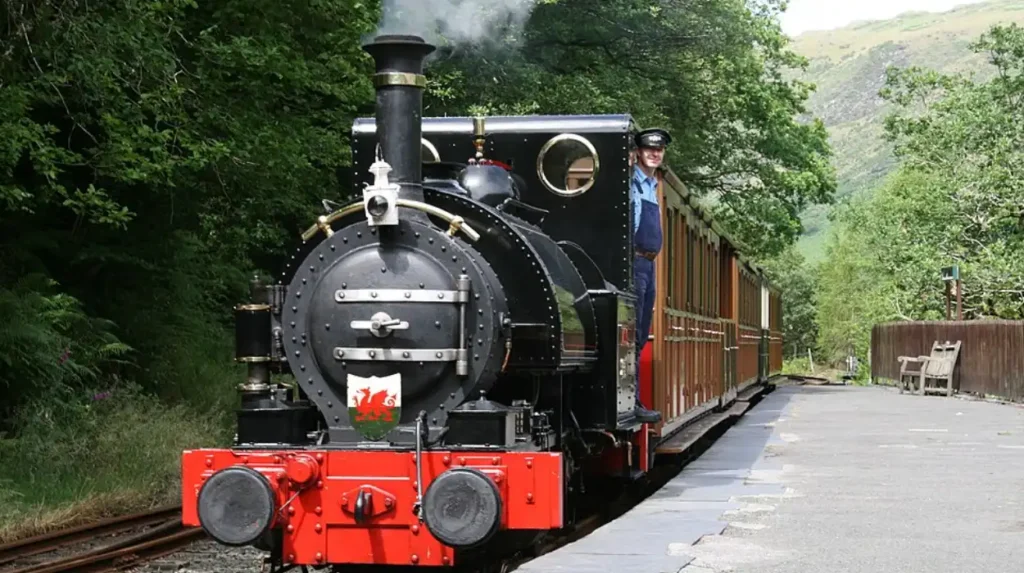
Outdoor activities surrounding the Penhelig Hotel include championship golf courses, coastal walking paths, and water uk/sports/">sports centered on the Dyfi Estuary. Aberdovey Golf Club, established in eighteen ninety-two, sits a short distance from the hotel and welcomes visiting golfers. Water sports enthusiasts utilize the estuary for sailing, paddleboarding, and kite surfing due to favorable tidal currents and wind conditions. Walking trails such as the Wales Coast Path pass directly through the town, offering long-distance hiking routes toward Tywyn and Machynlleth. Birdwatching represents a popular pursuit within the Dyfi National Nature Reserve, where species such as ospreys nest during spring and summer months. Fishing excursions depart from the local harbor, targeting sea bass and mackerel in the waters of Cardigan Bay.
Cycling enthusiasts navigate regional routes that vary from gentle coastal paths to demanding mountain ascents within Snowdonia National Park. Local adventure companies offer guided excursions for rock climbing, gorge walking, and mountain biking across the rugged terrain of Gwynedd. These recreational opportunities sustain high tourist footfall throughout the region, supporting the local hospitality economy in mid Wales.
Local attractions within proximity to the hotel include historical monuments, heritage railways, and preserved natural landscapes across the county. The Talyllyn Railway, the world first preserved steam railway, operates historical locomotives from nearby Tywyn up into the hills. Centre for Alternative Technology, located near Machynlleth, demonstrates renewable energy systems and sustainable living practices for curious visitors. Castles constructed during the medieval period, such as Harlech Castle, stand within driving distance and offer historical education.
Local artisan shops, art galleries, and tea rooms populate the commercial center of Aberdovey, providing shopping opportunities for tourists. Sandy beaches stretch for miles along the coastline, offering safe bathing areas monitored by seasonal lifeguard patrols. Cultural venues host theatrical performances and musical concerts, enriching the entertainment options available to holidaymakers. Guided boat tours depart regularly from the harbor to observe marine wildlife, including bottlenose dolphins inhabiting Cardigan Bay. The combination of natural wonders and historical sites ensures visitors experience a diverse itinerary during their stay in the region.
Frequently Asked Questions
What Is The History Of The Penhelig Hotel In Aberdovey?
The Penhelig Hotel originated as a nineteenth-century residential mansion before converting into a commercial hospitality venue. Local historical records indicate that Victorian architectural elements remain visible throughout the structure today. The expansion of the Cambrian Coast railway prompted its transition into a popular destination for leisure travelers.
How Can Visitors Travel To The Penhelig Hotel Using Public Transport?
Visitors travel to the hotel via the Cambrian Coast railway line operated by Transport for Wales. Trains stop directly at Penhelig station, which is located adjacent to the hotel property. Connecting services run regularly from major hubs like Birmingham and Shrewsbury.
What Dining Experiences Are Available At The Penhelig Hotel Restaurant?
The hotel restaurant serves breakfast, afternoon tea, and evening dinner featuring locally sourced Welsh ingredients. Menus highlight fresh seafood from Cardigan Bay and regional agricultural produce. Large windows in the dining room provide panoramic views of the Dyfi Estuary.
What Outdoor Activities Can Guests Enjoy Near Aberdovey?
Guests enjoy championship golf at Aberdovey Golf Club and water sports on the Dyfi Estuary. Walking paths include the Wales Coast Path passing directly through the coastal town. Birdwatching and fishing excursions also attract outdoor enthusiasts to the local area.
Are There Historic Attractions Near The Penhelig Hotel In Wales?
Historic attractions nearby include the Talyllyn Railway operating steam locomotives from Tywyn. Harlech Castle and other medieval fortifications stand within driving distance across Gwynedd. The Centre for Alternative Technology near Machynlleth offers educational exhibits on sustainability.