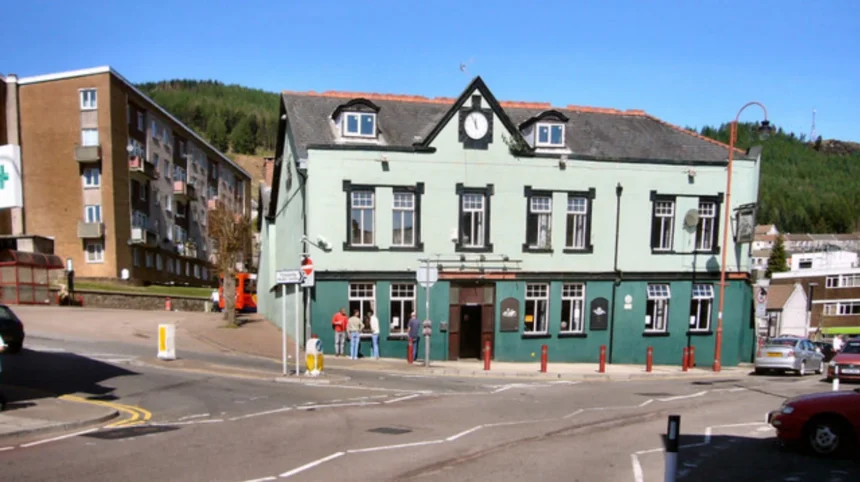
Tonypandy is a town located in the Rhondda Fawr Valley within the county borough of Rhondda Cynon Taf, South Wales. It sits approximately 16 miles northwest of uk/local/cardiff/">Cardiff, serving as an essential commercial, historical, and civic hub for the surrounding valley communities.
- What Is the Origin and Geographical Context of Tonypandy Wales?
- How Did Coal Mining and the 1910 Riots Shape Tonypandy History?
- What Are the Key Infrastructure, Transport, and Educational Amenities in Tonypandy?
- How Does the Local Economy and Real Estate Market Function in Tonypandy Today?
- What Cultural, Recreational, and Community Heritage Sites Exist in Tonypandy?
- Frequently Asked Questions
The town was originally a small agricultural settlement before expanding rapidly during the 19th-century industrial revolution. Modern Tonypandy retains its strong industrial identity while transitioning into a service-oriented community supported by local amenities, public transportation, and housing developments.
What Is the Origin and Geographical Context of Tonypandy Wales?
Tonypandy is a valley town in South Wales named after an 1838 fulling mill, situated along the River Rhondda Fawr in the Rhondda Cynon Taf county borough, serving as a key regional settlement near Cardiff.
The name Tonypandy derives from the Welsh language. The word ton refers to a meadow or unploughed land, while pandy signifies a fulling mill, referencing a historical woolen mill established in the locality in 1838.
Topographically, Tonypandy lies within a steep-sided glacial valley characterized by the River Rhondda Fawr flowing through its basin. The surrounding landscape features high plateau moorlands and forested hillsides, which shaped the physical expansion of housing and transport corridors throughout the 19th and 20th centuries.
Administratively, the town sits within the county borough of Rhondda Cynon Taf. The town center serves surrounding settlements such as Llwynypia, Clydach Vale, Penygraig, and Trealaw. Its proximity to Cardiff enables residents to access urban employment centers while residing in a rural valley setting.
Geological formations beneath Tonypandy contained rich seams of high-grade steam coal. These subterranean deposits directly determined the town’s industrial evolution, rapid population influx, and land-use patterns during the Victorian and Edwardian eras.
Climate conditions in Tonypandy reflect the broader maritime environment of South Wales, experiencing mild summers, cold winters, and elevated annual rainfall levels. The steep valley sides influence localized weather patterns, including valley mist and microclimate temperature variations.
How Did Coal Mining and the 1910 Riots Shape Tonypandy History?
Tonypandy grew rapidly following 19th-century colliery developments, becoming famous for the 1910 Tonypandy Riots, an industrial dispute over coal mineworkers’ wages that involved military deployment directed by Home Secretary Winston Churchill.
The arrival of deep-pit coal extraction in the mid-19th century transformed Tonypandy from a rural hamlet into a crowded industrial boomtown. Large collieries, including Naval Colliery and Glamorgan Colliery, extracted thousands of tons of high-yield steam coal daily for global export.
By the early 20th century, working conditions, wage deductions, and safety standards led to widespread labor disputes across the South Wales coalfield. In September 1910, thousands of miners employed by the Cambrian Combine initiated strike actions following disagreement over piece-work rates.
Tensions escalated dramatically on November 7 and 8, 1910, culminating in direct clashes between striking workers, local police forces, and imported Metropolitan Police units. Standard commercial premises along Dunraven Street suffered extensive property damage during the unrest.
Home Secretary Winston Churchill dispatched British Army troops to reinforce police authority, an action that remained a central subject of British political debate for decades. The event marked a critical milestone in British trade union history and radicalized labor politics across Wales.
During the mid-20th century, deep coal mining faced gradual economic decline due to changing global energy markets, depleted coal seams, and national industrial restructuring. The final colliery closures in the Rhondda Valley occurred between 1970 and 1990.
Post-industrial recovery efforts transformed former colliery land into nature parks, heritage centers, and residential housing projects. Today, the heritage of coal extraction remains visible through civic monuments, public archives, and community arts projects throughout the town.
What Are the Key Infrastructure, Transport, and Educational Amenities in Tonypandy?
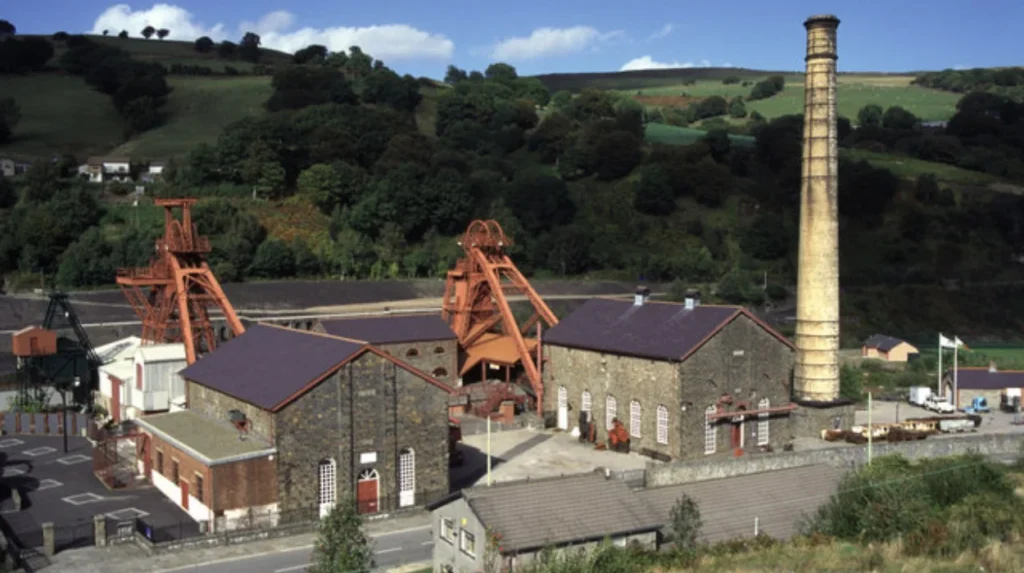
Tonypandy features a structured public infrastructure network centered on the Tonypandy Railway Station, major highway connections like the A4058 road, local comprehensive schooling systems, and revitalized commercial pedestrian corridors.
Transportation infrastructure in Tonypandy revolves primarily around rail and road connectivity. Tonypandy Railway Station operates on the Rhondda Line, offering passenger services managed by Transport for Wales to Cardiff Central station.
Road transportation relies heavily on the A4058 highway, which links the town northbound toward Treorchy and southbound toward Pontypridd and the A470 dual carriageway. Bus operators provide regular regional transport links connecting valley residents to hospitals, retail centers, and employment parks.
Educational institutions serving the community include primary schools and secondary options focused on English and Welsh-medium instruction. Local educational reorganisation replaced traditional secondary schools with modern all-through learning campuses, expanding vocational training and academic programs.
Commercial infrastructure centers on Dunraven Street, which contains retail establishments, banking branches, cafes, and independent local services. Regenerative streetscape initiatives have introduced improved pedestrian zones, public parking spaces, and shopfront restoration programs.
Healthcare services operate through primary medical centers, local dental practices, and community clinics within the town boundary. Specialist clinical facilities and emergency medical care are provided by regional hospitals in nearby Pontypridd and Llwynypia.
Public amenities include the Tonypandy Library, community centers, and local leisure complexes offering indoor sports courts, fitness studios, and swimming facilities. Outdoor recreational areas include municipal parks and river paths built along historic rail alignments.
How Does the Local Economy and Real Estate Market Function in Tonypandy Today?
Tonypandy’s economy has transitioned from heavy industrial coal extraction to service industries, local retail, public administration, and affordable residential real estate attracting commuters working in the Cardiff metropolitan area.
The modern economic baseline of Tonypandy relies primarily on public service employment, retail operations, healthcare delivery, and small-scale manufacturing enterprises. The decline of heavy industry shifted local labor dynamics toward regional administrative centers.
The local housing market consists predominantly of traditional stone-built Victorian terraced houses originally constructed for 19th-century colliery workers. In recent years, infill developments and contemporary housing sites have expanded modern residential options.
Real estate values in Tonypandy remain lower than national British averages, offering accessible entry points for first-time home buyers and property investors. Average house prices typically range below major Welsh urban centers like Cardiff and Swansea.
Government regeneration frameworks continue to target property revitalization, energy efficiency retrofits, and commercial street renewal. Assistance programs support local homeowners with structural improvements to historic housing stock.
Commuter trends show an increasing number of residents traveling daily via the Rhondda Line rail system or A4058 road to employment bases in Cardiff. Affordable living costs paired with improved digital connectivity have also supported remote work arrangements.
Local business support programs encourage retail innovation and entrepreneurship along central shopping streets. Grant funding from regional government authorities aids small business owners in upgrading facilities and expanding commercial services.
What Cultural, Recreational, and Community Heritage Sites Exist in Tonypandy?
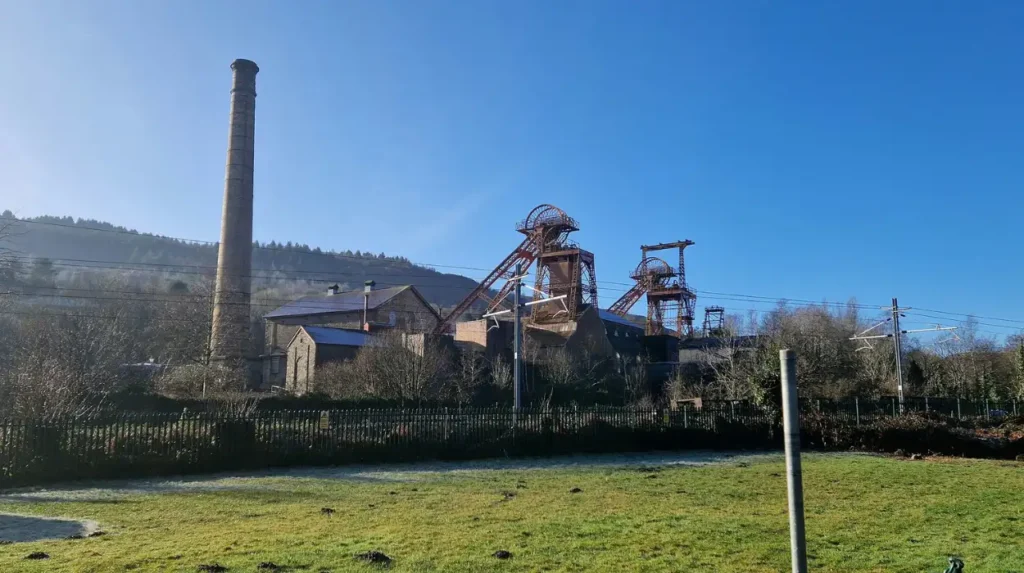
Tonypandy features cultural landmarks, former colliery heritage areas like Rhondda Heritage Park, scenic trail networks, local sports clubs, and bilingual arts events reflecting its South Wales Valleys culture.
Cultural heritage in Tonypandy is closely connected with industrial history, musical tradition, and athletic achievements. The surrounding region features sites like the Rhondda Heritage Park, which preserves former colliery shafts and provides interactive historical exhibitions.
Architectural milestones in the town include historic places of worship, civic buildings, and traditional choir halls. The former Tonypandy Town Hall and traditional chapel structures reflect late Victorian civic design and religious heritage.
Recreational opportunities center on surrounding natural landscapes, including hiking trails across the Rhondda mountains and valley park paths. Outdoor routes offer views across the landscape, drawing walkers, cyclists, and eco-tourists to the region.
Athletic traditions remain strong through local rugby union clubs, football teams, and boxing gyms. Tonypandy has produced several notable sports figures, including international rugby players and professional boxers who trained in local facilities.
Bilingualism plays an active role in local cultural life, with both English and Welsh languages used across educational, public, and social spheres. Cultural festivals, brass band performances, and choir concerts continue to preserve the community identity of the Rhondda Valley.
Community organizations, local heritage groups, and youth clubs support social engagement throughout the town. These institutions organize annual civic events, historical lectures, and local arts workshops for residents and visitors.
Frequently Asked Questions
What is Tonypandy famous for in Welsh history?
Tonypandy is primarily famous for the 1910 Tonypandy Riots, a major industrial conflict between striking coal miners and local police. The dispute led to the deployment of British Army troops by Home Secretary Winston Churchill and remains a central event in UK labor history.
How far is Tonypandy from Cardiff and how can you travel there?
Tonypandy is located approximately 16 miles northwest of Cardiff. Travelers can commute between the two locations via direct train services on the Rhondda Line or by automobile via the A4058 and A470 roads.
What is the meaning of the name Tonypandy?
The name Tonypandy derives from Welsh words meaning the meadow of the fulling mill. The term references an industrial woolen fulling mill established in the local area in 1838.
Is Tonypandy an affordable place to buy real estate in Wales?
Tonypandy offers relatively affordable real estate compared to broader Welsh and UK national averages. The market features traditional Victorian terraced homes and new housing developments suitable for first-time buyers and commuters.
What public transit options serve Tonypandy?
Tonypandy is served by Tonypandy Railway Station with regular passenger trains to Cardiff Central operated by Transport for Wales. Local and regional bus networks also link the town center to surrounding valley communities.